
2695018275@qq.com
+86
13780513619
- Afrikaans
- Albanian
- Amharic
- Arabic
- Armenian
- Azerbaijani
- Basque
- Belarusian
- Bengali
- Bosnian
- Bulgarian
- Catalan
- Cebuano
- Corsican
- Croatian
- Czech
- Danish
- Dutch
- English
- Esperanto
- Estonian
- Finnish
- French
- Frisian
- Galician
- Georgian
- German
- Greek
- Gujarati
- Haitian Creole
- hausa
- hawaiian
- Hebrew
- Hindi
- Miao
- Hungarian
- Icelandic
- igbo
- Indonesian
- irish
- Italian
- Japanese
- Javanese
- Kannada
- kazakh
- Khmer
- Rwandese
- Korean
- Kurdish
- Kyrgyz
- Lao
- Latin
- Latvian
- Lithuanian
- Luxembourgish
- Macedonian
- Malgashi
- Malay
- Malayalam
- Maltese
- Maori
- Marathi
- Mongolian
- Myanmar
- Nepali
- Norwegian
- Norwegian
- Occitan
- Pashto
- Persian
- Polish
- Portuguese
- Punjabi
- Romanian
- Russian
- Samoan
- Scottish Gaelic
- Serbian
- Sesotho
- Shona
- Sindhi
- Sinhala
- Slovak
- Slovenian
- Somali
- Spanish
- Sundanese
- Swahili
- Swedish
- Tagalog
- Tajik
- Tamil
- Tatar
- Telugu
- Thai
- Turkish
- Turkmen
- Ukrainian
- Urdu
- Uighur
- Uzbek
- Vietnamese
- Welsh
- Bantu
- Yiddish
- Yoruba
- Zulu
Apr . 01, 2024 17:55 Back to list
10 in 1 dog vitamins Manufacturing Analysis
Introduction
10-in-1 dog vitamins represent a multi-component nutritional supplement formulated to address the multifaceted physiological needs of canine subjects. Positioned within the pet health and wellness industry, specifically the canine supplement sub-segment, these vitamins are designed to augment dietary intake, providing essential micronutrients often deficient in commercially produced dog foods. Core performance characteristics center around promoting optimal skin and coat health, supporting immune function, aiding in digestive health, maintaining cardiovascular well-being, and contributing to overall vitality. The formulation typically incorporates a blend of vitamins (A, D, E, B-complex), minerals (zinc, selenium, copper), essential fatty acids (Omega-3 and Omega-6), and other bioactive compounds. A key industry challenge revolves around bioavailability of nutrients, palatability for canine consumption, and ensuring consistent quality control across batches. The rise in preventative pet healthcare and increased owner awareness regarding canine nutrition drives the demand for comprehensive vitamin formulations like these.
Material Science & Manufacturing
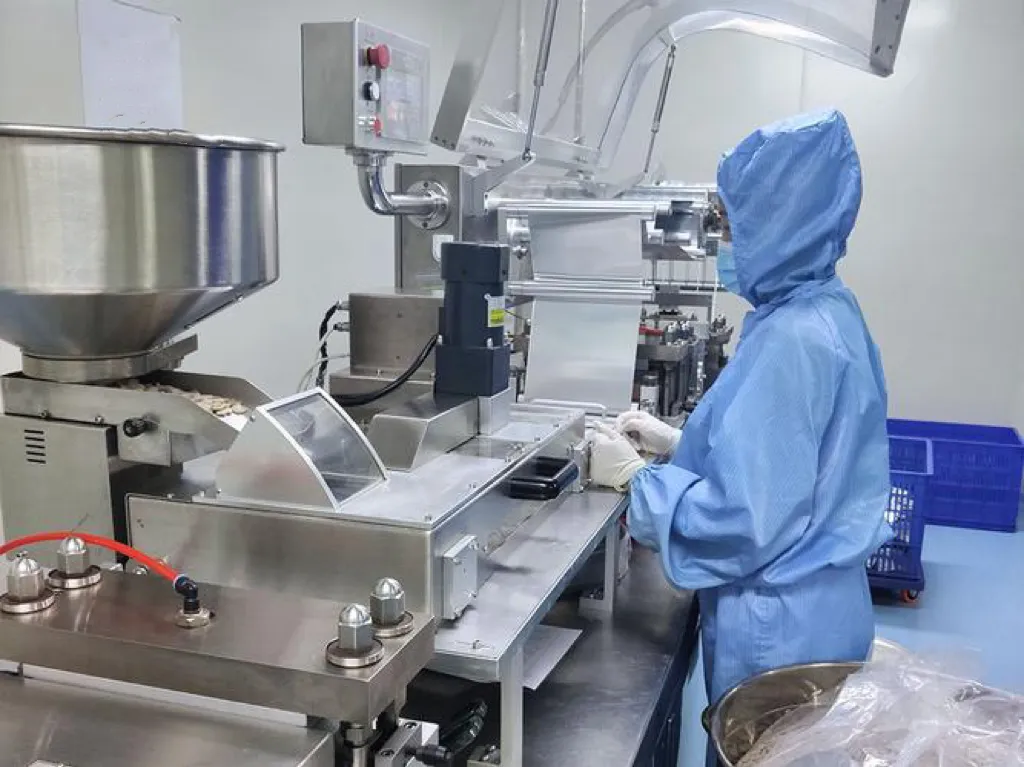
The manufacturing of 10-in-1 dog vitamins involves a complex interplay of material science principles and precise processing techniques. Raw material sourcing is critical, with each ingredient subject to stringent quality control. Vitamin precursors, such as retinol for Vitamin A and cholecalciferol for Vitamin D3, are often synthetically produced, demanding high purity levels and adherence to pharmaceutical-grade standards. Essential fatty acids, commonly sourced from fish oil (rich in EPA and DHA), require careful oxidation control to prevent rancidity. Mineral sources, like zinc sulfate and copper sulfate, necessitate analysis for heavy metal contamination. The encapsulation process commonly employs microencapsulation techniques – either spray drying or fluid bed coating – to enhance stability and bioavailability. Excipients, such as microcrystalline cellulose and magnesium stearate, act as binders and lubricants, influencing tablet or capsule formation. Parameter control during granulation (if applicable), blending, tablet compression, or capsule filling is crucial. Moisture content, compression force, and fill weight are meticulously monitored to ensure uniformity and dissolution rates. The manufacturing facility must comply with Good Manufacturing Practices (GMP) to guarantee product safety and efficacy. Chemical compatibility between ingredients is a significant concern; certain vitamins are sensitive to oxidation in the presence of trace metals, necessitating the inclusion of antioxidants like Vitamin E and ascorbic acid.
Performance & Engineering
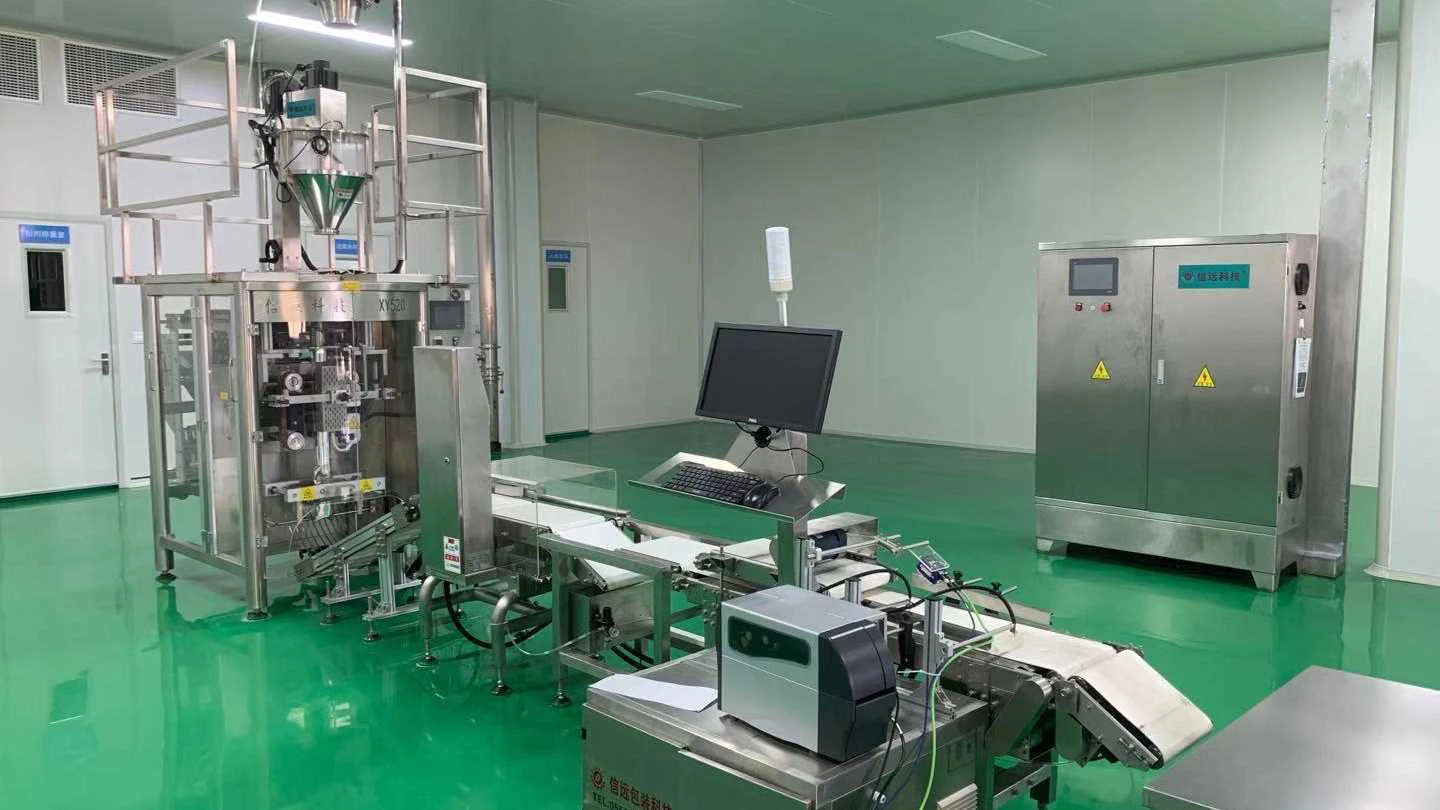
The performance of 10-in-1 dog vitamins is intrinsically linked to the bioavailability of its constituent nutrients and their subsequent metabolic pathways within the canine organism. Force analysis, though not directly applicable to the vitamin itself, is relevant to the packaging – ensuring structural integrity to prevent crushing and maintain product stability during shipping and handling. Environmental resistance is critical; the vitamins must withstand varying temperature and humidity conditions without degradation. Long-term stability studies, conducted under accelerated aging conditions (elevated temperature and humidity), assess product shelf life and identify potential degradation pathways. Compliance requirements are substantial. Vitamin formulations must adhere to Association of American Feed Control Officials (AAFCO) guidelines for canine nutrition and labeling. The concentration of each vitamin and mineral must be within established safe upper limits to prevent toxicity. Furthermore, the product must be free from harmful contaminants, such as Salmonella and E. coli. Functional implementation involves the vitamins being metabolized after ingestion. Vitamin A, for example, requires conversion to retinal and retinoic acid for vision and skin health. B-vitamins act as coenzymes in numerous metabolic processes. Essential fatty acids are incorporated into cell membranes, influencing inflammation and immune function. The overall efficacy is assessed through clinical trials evaluating improvements in coat condition, energy levels, and immune response markers.
Technical Specifications
| Vitamin | Typical Concentration (per dose) | Bioavailability Enhancer | Stability Concerns |
|---|---|---|---|
| Vitamin A (Retinol) | 5,000 IU | Fat-soluble, absorption enhanced with dietary fat | Susceptible to oxidation; requires Vitamin E co-administration |
| Vitamin D3 (Cholecalciferol) | 500 IU | Fat-soluble, requires exposure to sunlight for activation | Potential for toxicity at high doses; careful dose control required |
| Vitamin E (Alpha-Tocopherol) | 30 IU | Fat-soluble, acts as an antioxidant | Susceptible to oxidation; packaging must minimize oxygen exposure |
| Vitamin C (Ascorbic Acid) | 100 mg | Water-soluble, enhanced absorption with bioflavonoids | Highly susceptible to oxidation; requires stable formulation |
| B-Complex Vitamins (B1, B2, B3, B5, B6, B12) | Varies, typically 1-5 mg per vitamin | Water-soluble, absorption influenced by digestive health | Relatively stable, but sensitive to light and heat |
| Omega-3 & Omega-6 Fatty Acids | 500 mg combined | Encapsulation with antioxidants prevents rancidity | Prone to oxidation; requires airtight packaging and antioxidants |
Failure Mode & Maintenance
Failure modes for 10-in-1 dog vitamins can manifest in several forms. Degradation of vitamins due to exposure to oxygen, light, or moisture is a common issue, leading to reduced potency. This is often indicated by a change in color or odor. Tablet or capsule disintegration failure – resulting in incomplete nutrient release – can occur due to insufficient binder or improper compression during manufacturing. Rancidity of essential fatty acids leads to an unpleasant odor and a loss of beneficial properties. Physical damage to packaging during shipping or storage can compromise product integrity. From a biological perspective, reduced absorption due to pre-existing gastrointestinal issues in the dog can limit the efficacy of the vitamins. Maintenance strategies involve storing the vitamins in a cool, dry, dark place in a tightly sealed container. Regular inspection of the product for any signs of degradation is crucial. Following the manufacturer's recommended dosage is paramount to avoid toxicity or deficiency. If a dog exhibits adverse reactions (e.g., vomiting, diarrhea), discontinue use and consult a veterinarian. Monitoring the dog's overall health and coat condition can provide indirect feedback on the vitamin's effectiveness. Batch traceability and quality control records are essential for identifying and addressing any potential manufacturing defects.
Industry FAQ
Q: What differentiates your 10-in-1 vitamin formulation from competitor products in terms of bioavailability?
A: Our formulation utilizes microencapsulation technology with a lipid-based coating, specifically designed to enhance the solubility and absorption of fat-soluble vitamins (A, D, E). Additionally, we incorporate bioflavonoids alongside Vitamin C to improve its cellular uptake and reduce oxidation. We also include piperine, a black pepper extract, to enhance the absorption of certain minerals and vitamins by inhibiting metabolic degradation in the gut.
Q: How do you ensure the purity and safety of the fish oil component, given concerns about heavy metal contamination?
A: We source our fish oil exclusively from suppliers who adhere to stringent third-party certification standards, including those established by the International Fish Oil Standards (IFOS) program. Each batch of fish oil undergoes rigorous testing for heavy metals (mercury, lead, cadmium, arsenic), PCBs, and dioxins. We only accept oil that meets or exceeds the stringent safety limits established by regulatory bodies.
Q: What is the shelf life of the vitamins, and how should they be stored to maintain potency?
A: The shelf life of our 10-in-1 vitamins is 24 months from the date of manufacture, provided they are stored properly. We recommend storing the vitamins in a cool, dry place, away from direct sunlight and heat. The container should be tightly sealed to prevent exposure to moisture and oxygen. We employ oxygen absorbers within the packaging to further minimize oxidation.
Q: Can these vitamins be administered alongside prescription medications?
A: It is crucial to consult with a veterinarian before administering any supplements, including our 10-in-1 vitamins, alongside prescription medications. Certain vitamins can interact with medications, potentially altering their efficacy or increasing the risk of adverse effects. A veterinarian can assess the dog's individual health status and medication regimen to determine the appropriate course of action.
Q: What quality control measures are in place to guarantee batch-to-batch consistency?
A: We implement a comprehensive quality control system that includes rigorous testing of all raw materials, in-process controls during manufacturing, and finished product analysis. Each batch is tested for vitamin and mineral content using High-Performance Liquid Chromatography (HPLC) and other analytical techniques. We maintain detailed batch records for full traceability and conduct regular audits of our manufacturing facilities to ensure compliance with Good Manufacturing Practices (GMP).
Conclusion
The 10-in-1 dog vitamin formulation represents a sophisticated approach to canine nutritional supplementation, integrating a diverse array of vitamins, minerals, and essential fatty acids to support holistic health. The efficacy of these vitamins relies heavily on the quality of raw materials, precision manufacturing processes, and understanding of nutrient bioavailability. Maintaining product stability through appropriate packaging and storage is paramount to preserve potency.
Future developments may focus on personalized vitamin formulations tailored to specific breed characteristics, age, or health conditions. Further research into novel delivery systems, such as liposomal encapsulation, could further enhance nutrient absorption. Continued adherence to stringent quality control standards and regulatory guidelines is essential to ensure the safety and efficacy of these supplements, ultimately contributing to improved canine health and well-being.
Latest news
Copyright © 2026
Dingzhou Kangquan Pharmaceutical Co., Ltd. All Rights Reserved. Sitemap | Privacy
Policy


