All dosage forms and products can be customized
Hot news
  • Advancing Veterinary Pharmaceuticals: The Role of Precision Thermal Processing
    Advancing Veterinary Pharmaceuticals: The Role of Precision Thermal Processing
    Learn More

    In modern drug formulation, a Vacuum Oven is strictly required within the first stages of extracting volatile solvents without degrading heat-sensitive active pharmaceutical ingredients (APIs). For veterinary medicine, where dosage precision and shelf-life stability are critical to animal health, removing residual moisture under low-pressure conditions ensures that biological compounds retain their therapeutic efficacy.

    Laboratory-Precision-Biochemistry-Incubator-Coled-Bod-Refrigerated-Incubator.jpg

    Moisture Control and API Stability

    The biological differences between livestock and companion animals dictate highly specialized drug formulations. Excess moisture in powders or granules can lead to microbial growth or premature chemical breakdown. By utilizing advanced thermal processing in a controlled laboratory environment, researchers can accurately verify the dry mass of compounds, preventing dosage inconsistencies that could lead to severe agricultural or domestic losses.

    Composition Analysis Through Ashing

    Beyond simple drying, determining the inorganic content of raw materials is a regulatory standard in the pharmaceutical supply chain. Conducting loss-on-ignition tests using a high temperature muffle furnace allows quality control analysts to measure trace minerals and impurities. This rigorous testing protocol guarantees that the veterinary formulations meet international pharmacopeia standards, ensuring safety across the biological spectrum.

    Elevating the Pharmaceutical Supply Chain

    The reliability of veterinary medicine heavily relies on the physical and chemical testing infrastructure. As global agricultural and pet care markets expand, pharmaceutical manufacturers must collaborate with premium providers of testing equipment. Implementing highly automated and precise laboratory instrumentation is no longer just a regulatory compliance measure; it is the foundation of sustainable and effective animal healthcare.

Learn More
Whether you’re growing poultry or livestock, our wide array of products deliver higher yields, lower costs and peace-of-mind.
Explore more products to protect and improve animal health
A medicine you can trust
Dingzhou Kangquan
Pharmaceutical Co., Ltd.

Founded in 2007, Dingzhou Kangquan Pharmaceutical Co., Ltd. is a high-tech enterprise integrating research and development, production and sales of animal health care products. It is a national high-tech enterprise and a well-known brand in the industry.

Our company has strong scientific and technological strength and obvious talent advantages. It has a poultry disease research laboratory, veterinary diagnosis laboratory and its experts and professors as the pillars of technical force. The main positions are held by people with doctoral, master's and bachelor's degrees. They have a strong ability to develop new veterinary drugs, produce high-quality veterinary drugs, and promote new veterinary drugs. A relatively complete product research and development, production, quality assurance system and sales system have been established.

Learn More
0M
Annual sales (USD)
0M
Workshop
0M
Staff
A medicine you can trust
blog
  • Guide to Oxytetracycline Injection
    27
    Mar
    Beyond Medication: How Everyday Pet Gear Supports Safer Veterinary Care
    Learn More

    Hand Free Pvc waterproof Dog Leash is one example of everyday equipment that can help keep a dog close and manageable during a veterinary visit. While medicines and clinical protocols address many health needs, safe handling, clean surroundings, and thoughtful preparation also contribute to a better experience for animals and the people caring for them.

    For veterinary teams, small details can have practical consequences. A dog arriving wet, anxious, or difficult to control may need extra time before an examination can begin. Clear routines and suitable equipment do not replace diagnosis or treatment, but they can support calmer interactions and reduce avoidable handling risks.

    Dog wearing a harness and leash during an outdoor walk

    Prevention begins before the consultation

    Preventive animal health is often associated with vaccination schedules, parasite control, nutrition, and regular examinations. Yet the conditions surrounding a visit matter too. A secure lead, a well-fitted harness, and a carrier suited to the animal can help owners transport pets more safely and allow clinic staff to assess them with fewer distractions.

    Preparation is especially useful for animals that are unfamiliar with clinic environments. Owners can check that fastenings work, confirm that the equipment fits without restricting breathing or movement, and bring familiar bedding when appropriate. If a pet has a history of fear or reactivity, the veterinary team should be told in advance so that handling plans can be discussed.

    Fit and function matter more than appearance

    Pet equipment should be selected for the animal’s size, behavior, and intended use. A harness that is too loose may allow an animal to escape; one that is too tight can cause discomfort or interfere with normal movement. Owners should inspect contact points, seams, buckles, and adjustment ranges, and follow product instructions for fitting and use.

    The same practical checks apply to a Dog Collar. It should fit securely while leaving appropriate room, and identification details should remain legible. No restraint is suitable for every animal or situation, so veterinary guidance is valuable when a pet has a medical condition, unusual anatomy, or a strong tendency to pull.

    Cleanability is part of everyday infection control

    Clinics already rely on established cleaning and disinfection protocols for surfaces, instruments, and shared spaces. Personal pet gear is a separate consideration: collars, leads, bedding, and carriers can collect dirt, moisture, hair, and organic material during routine use. Cleaning them according to the manufacturer’s care instructions helps keep them in good condition and reduces the transfer of grime between environments.

    Material choice affects maintenance. Smooth, water-resistant surfaces may be easier to wipe down, while padded or textile items can require more thorough washing and drying. A product’s care guidance should specify suitable cleaning methods; harsh chemicals, excessive heat, or incomplete drying can damage materials. In clinical settings, personal accessories should never be treated as substitutes for approved infection-control measures.

    Comfort can improve cooperation

    Stress can influence how an animal responds to handling, unfamiliar people, and new surroundings. Familiar equipment, gentle introductions, and calm owner behavior may make transitions easier for some pets. The goal is not to restrain every animal in the same way, but to support safe, respectful handling while allowing clinicians to carry out necessary examinations.

    Veterinary professionals can also help owners identify signs that equipment is causing discomfort, such as persistent rubbing, skin irritation, restricted movement, or reluctance to walk. Any concern should be assessed in context, particularly when an animal has a wound, recent surgery, respiratory difficulty, or another condition that affects what it can safely wear.

    Reliable products depend on consistent production

    For retailers and veterinary organizations sourcing pet accessories, product reliability is a supply-chain issue as much as a design issue. Consistent sizing, secure stitching, dependable hardware, accurate labeling, and clear care instructions all affect how an item performs after it reaches the user. Quality checks across materials and production stages can help identify defects before distribution.

    Manufacturers such as Dongguan Hanyang Pets Products Co., Ltd., established in 2013, illustrate how integrated development and production can support that process. Its range includes harnesses, leads, collars, clothing, beds, and accessories, with in-house capabilities spanning processes such as weaving, printing, dyeing, stitching, and packing. For buyers, the broader lesson is to evaluate a supplier’s quality controls, testing practices, traceability, and ability to maintain specifications—not simply the appearance of a sample.

    A useful complement to clinical care

    No accessory can prevent every injury or illness, and equipment should never delay veterinary attention. Still, well-chosen, properly maintained gear can support safer transport, smoother handling, and more organized routines. Combined with professional medical advice, responsible hygiene, and attentive observation, these everyday measures form a practical part of caring for animal health.


  • Guide to Oxytetracycline Injection
    27
    Mar
    Beyond the Bottle: Why Veterinary Medicines Depend on Better Diagnostics
    Learn More

    Human Papillomavirus Infections illustrate how a well-defined pathogen and a reliable test can sharpen clinical decisions. Veterinary medicine faces a related challenge, though animal diseases require their own validated methods: choosing treatment is only as sound as the evidence behind the diagnosis.

    Veterinary diagnostics and medicine depend on reliable testing and careful interpretation

    For veterinarians, pharmacists, livestock producers, and animal-health manufacturers, diagnostics are not separate from medicines. They help determine whether a drug is appropriate, when treatment should begin, and whether an apparent response reflects recovery or simply a change in symptoms. As the sector confronts antimicrobial resistance, tighter oversight, and pressure to maintain animal welfare, trustworthy diagnostic information has become essential infrastructure.

    A treatment decision starts with the right question

    Similar signs can arise from different causes. Fever, reduced appetite, respiratory distress, or diarrhea may point to an infectious disease, but they can also reflect parasites, environmental stress, nutritional problems, or non-infectious illness. Treating symptoms alone can lead to unnecessary medication, delayed care, or the wrong choice of drug.

    A diagnostic plan should therefore begin with the clinical question: Is an infectious agent present? If so, which one? Does the result need to distinguish among closely related organisms, identify a resistance marker, or simply guide immediate isolation and treatment? The answer influences whether a veterinarian selects microscopy, culture, antigen detection, serology, molecular testing, or a combination of methods.

    Testing can support more responsible medicine use

    Antimicrobial stewardship depends on more than limiting prescriptions. It requires timely evidence, sound clinical judgment, and follow-up that checks whether the chosen intervention is working. Where appropriate, laboratory findings can help narrow treatment options and reduce reliance on broad-spectrum medication. Results must still be interpreted alongside the animal’s history, examination, and the prevalence of disease in the region.

    A negative test is not automatically proof that infection is absent. Sampling time, specimen quality, transport conditions, and the detection limits of a method can all affect results. Likewise, detecting genetic material does not always establish that an organism is viable or responsible for current symptoms. Clear instructions and trained interpretation are therefore as important as analytical sensitivity.

    Point-of-care testing brings speed—and new responsibilities

    Laboratory testing remains valuable for complex cases and confirmatory work, but sending samples away can delay decisions. Point-of-care testing may shorten that interval, particularly in clinics, farms, and settings where rapid action affects isolation, supportive care, or herd management. Its practical value depends on a balance of speed, accuracy, usability, and appropriate quality controls.

    Tests developed for people should not be assumed to work in animals. Human pathogens and veterinary pathogens can differ, and performance may vary by species, specimen type, and clinical context. For example, Gastrointestinal Infections in people provide a useful reminder that syndromes can have multiple causes; veterinary diagnosis must rely on methods specifically evaluated for the animal species and organisms in question.

    Ease of use also needs careful evaluation. A rapid result is helpful only when staff can collect the right sample, follow the protocol consistently, recognize an invalid run, and understand what action the result supports. Training, internal controls, documentation, and a route for confirmatory testing should be part of implementation—not afterthoughts.

    Manufacturing quality begins well before the finished test

    Reliable diagnostics depend on a chain of decisions and materials, including reagent selection, component consistency, production controls, storage conditions, and lot-to-lot verification. Small variations can affect stability or assay performance, making supplier qualification and documented quality systems important considerations for diagnostic developers and their partners.

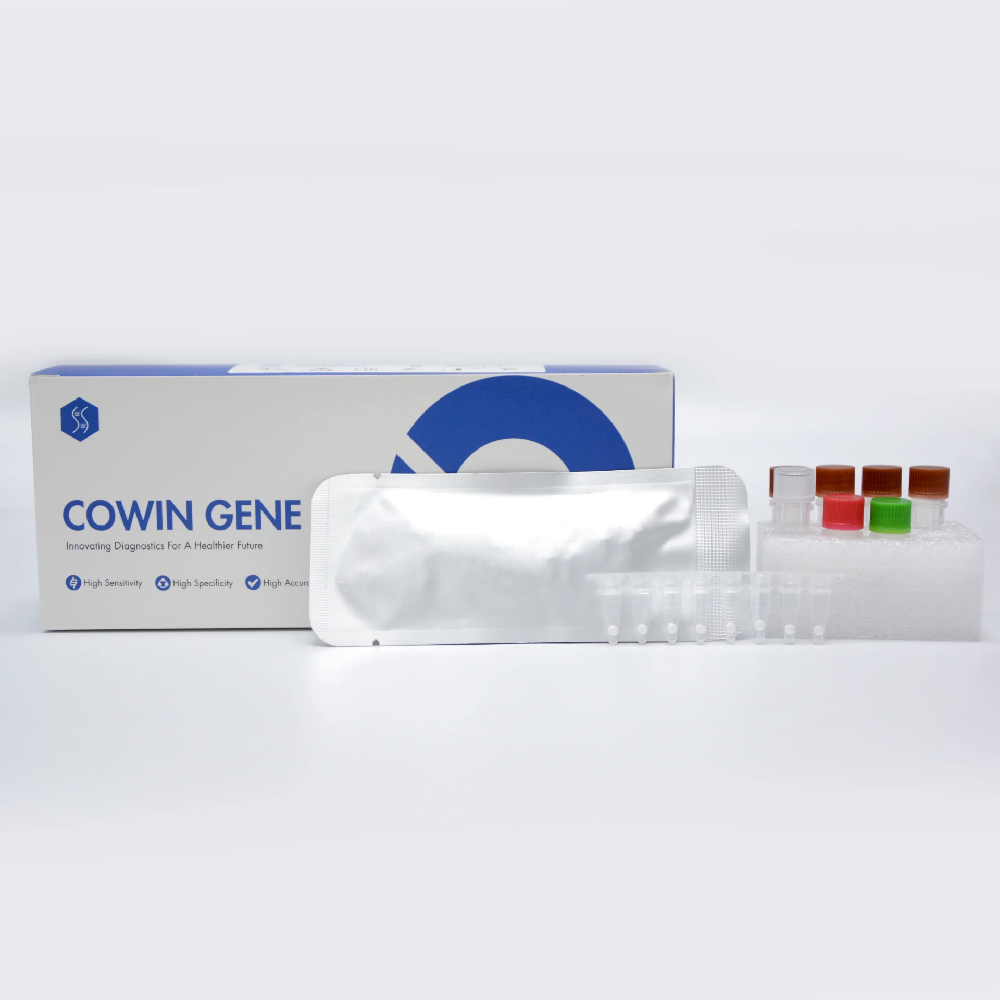
    This is one reason the capabilities of specialist molecular point-of-care in vitro diagnostic reagent developers and manufacturers matter to the wider health sector. Experienced teams can contribute technical knowledge in reagent development, production, and quality processes, helping support tests designed for efficient and accessible use. That contribution is most meaningful when products are validated for their intended use and evaluated under the conditions where they will actually be used.

    A stronger link between diagnosis and treatment

    Veterinary medicines will remain central to animal health, but responsible use depends on more than the availability of effective products. Better diagnostic pathways can help clinicians act earlier, target treatment more carefully, and recognize when a different approach is needed. For animal-health businesses, the opportunity is to treat medicines, testing, training, and follow-up as connected parts of care.

    The most useful test is not necessarily the most technologically advanced. It is the one that answers a relevant question with dependable performance, fits the workflow, and leads to a well-informed decision. By strengthening those links, the veterinary and pharmaceutical sectors can support better outcomes for animals while advancing a more measured approach to medicine use.

  • Guide to Oxytetracycline Injection
    27
    Mar
    Strategic Poultry Health: Managing Parasitic Infections and Nutritional Gaps
    Learn More

    Nitroxinil Injection has become an essential tool for poultry producers facing the persistent challenge of parasitic infections in intensive farming systems. Fluke infestations, in particular, can significantly impact feed conversion rates, egg production, and overall flock health, making effective treatment protocols a critical component of modern poultry management.

    The economic burden of untreated parasitic burdens extends beyond mortality — subclinical infections often lead to reduced weight gain, poorer feed efficiency, and increased susceptibility to secondary diseases. As poultry operations scale up across Asia, Africa, and South America, the need for reliable, science-backed parasitic control measures has never been more urgent.

    Commercial poultry farm with healthy chickens in modern housing system

    Understanding Parasitic Challenges in Modern Poultry Operations

    Poultry flocks are vulnerable to a range of internal parasites, with trematodes (flukes), nematodes (roundworms), and coccidia being the most economically significant. Among these, fluke infections caused by species such as Echinostoma and Prosthogonimus are particularly problematic in regions with wet, warm environments where intermediate hosts thrive. These parasites damage the intestinal lining and reproductive tract, leading to reduced egg production, poor shell quality, and increased mortality in severe cases.

    Traditional control strategies have relied heavily on routine deworming schedules, but emerging resistance to certain anthelmintics is prompting producers to adopt more targeted approaches. Diagnostic monitoring — including fecal egg counts and post-mortem examinations — helps farms identify the specific parasite species present and tailor treatment protocols accordingly. This precision-based approach reduces the selective pressure for resistance while optimizing treatment outcomes.

    Nutritional Support for Optimal Flock Performance

    Parasitic infections do not occur in isolation — they interact with the nutritional status of the bird. A well-nourished flock with a robust immune system is better equipped to withstand parasitic challenges and recover more quickly after treatment. This is where targeted nutritional support becomes a cornerstone of preventive health management.

    Key micronutrients such as vitamin B12, phosphorus, and amino acids play vital roles in erythropoiesis, energy metabolism, and tissue repair. Birds under parasitic stress often exhibit reduced feed intake and impaired nutrient absorption, creating a vicious cycle that compounds the negative effects of infection. Supplementing with metabolic support agents can help break this cycle. For instance, veterinarians increasingly recommend Butafosfan and Vitamin B12 Injection as part of post-treatment recovery protocols to restore energy balance and support liver function in convalescing birds.

    Beyond direct supplementation, dietary strategies that enhance gut health — such as the inclusion of prebiotics, organic acids, and phytogenic feed additives — have gained traction as complementary measures. These approaches help maintain a resilient intestinal barrier and modulate the local immune response, reducing the overall susceptibility to parasitic colonization.

    Building a Comprehensive Health Management Strategy

    Effective poultry health management requires an integrated approach that combines strategic deworming, nutritional optimization, and rigorous biosecurity. No single intervention — whether pharmaceutical or nutritional — can compensate for deficiencies in the other areas. Producers who adopt a holistic view of flock health consistently achieve better productivity outcomes and lower long-term veterinary costs.

    Biosecurity measures such as all-in/all-out stocking, proper litter management, and controlled access to poultry houses help reduce the environmental load of parasite eggs and oocysts. When combined with regular monitoring and targeted treatment, these practices create a multi-layered defense that minimizes the need for blanket medication.

    The role of reliable supply chain partners in this ecosystem cannot be overstated. Manufacturers that maintain rigorous quality standards — such as those with updated GMP certifications and ongoing research collaborations with agricultural universities — ensure that the veterinary pharmaceuticals reaching farms are consistent in potency, safety, and efficacy. Shimu Group, for example, has operated since 2001 with a focus on veterinary drug and feed additive production, serving over 50 countries across Southeast Asia, South America, the Middle East, and Africa. Their R&D partnerships with institutions like China Agricultural University and Hebei Agricultural University reflect a commitment to evidence-based product development that supports the global poultry industry.

    Looking ahead, the poultry sector will continue to face pressure from evolving parasite populations, changing climate patterns, and tightening regulations on antibiotic and chemical use. The farms that thrive will be those that invest in knowledge — understanding the specific disease challenges in their region, monitoring flock health metrics systematically, and partnering with suppliers who prioritize quality and innovation. By integrating targeted parasitic control with robust nutritional support, producers can build resilient flocks that deliver consistent performance in an increasingly demanding market.

    This article is for informational and educational purposes only. Always consult a licensed veterinarian for diagnosis and treatment recommendations specific to your flock.

  • Guide to Oxytetracycline Injection
    27
    Mar
    Advanced Excipients in Veterinary Drug Formulation: Enhancing Efficacy and Stability
    Learn More

    Polycarboxylate Superplasticizer technologies have quietly transformed the way veterinary pharmaceutical tablets are manufactured, offering improved flowability and uniform drug distribution. In an industry where dosage precision directly impacts animal health outcomes, the choice of excipient is far from a secondary concern. Veterinarians and producers alike are demanding formulations that deliver consistent release profiles, longer shelf stability, and minimal batch-to-batch variation.

    Modern veterinary pharmaceutical production line with advanced excipient handling equipment

    Why Excipients Matter More Than Ever in Veterinary Medicine

    The global veterinary pharmaceutical market is expanding rapidly, driven by rising demand for protein-rich food, companion animal care, and stricter regulations on residue levels. As regulatory bodies tighten requirements for bioavailability and stability, formulators face mounting pressure to select excipients that not only bind and disintegrate but also protect active ingredients from moisture, heat, and enzymatic degradation.

    Traditional binders often fall short in high-humidity environments or during prolonged storage, leading to capping, cracking, or reduced dissolution rates. This is where advanced cellulose derivatives and polymer-based additives are stepping in to fill a critical gap. By improving the physical integrity of the tablet matrix, these materials enable longer shelf life without compromising the release kinetics that veterinarians rely on for accurate dosing.

    The Science Behind Controlled Release in Veterinary Formulations

    One of the most persistent challenges in veterinary pharmaceutics is achieving predictable drug release across species with vastly different gastrointestinal transit times. Ruminants, monogastric animals, and poultry each present unique pH environments and motility patterns. Excipients that swell or erode at controlled rates can mitigate these variables, allowing formulators to design once-daily or even multi-day dosing regimens.

    Cellulose ethers, in particular, have gained traction for their ability to form robust gel matrices that modulate water uptake and drug diffusion. Polyanionic Cellulose offers additional advantages in ionic environments, where its charged backbone interacts with oppositely charged drug molecules to further refine release profiles. This level of control is especially valuable for antibiotics, anti-inflammatories, and parasiticides where therapeutic windows are narrow.

    Meeting the Demands of Modern Veterinary Production

    Large-scale veterinary tablet manufacturing imposes unique constraints. High throughput, rapid changeover between product lines, and strict adherence to GMP standards require excipients that perform consistently under varied compression pressures and environmental conditions. The industry has seen a shift toward multi-functional excipients that can serve as binder, disintegrant, and flow aid simultaneously, reducing the number of raw materials in the formulation and simplifying quality control.

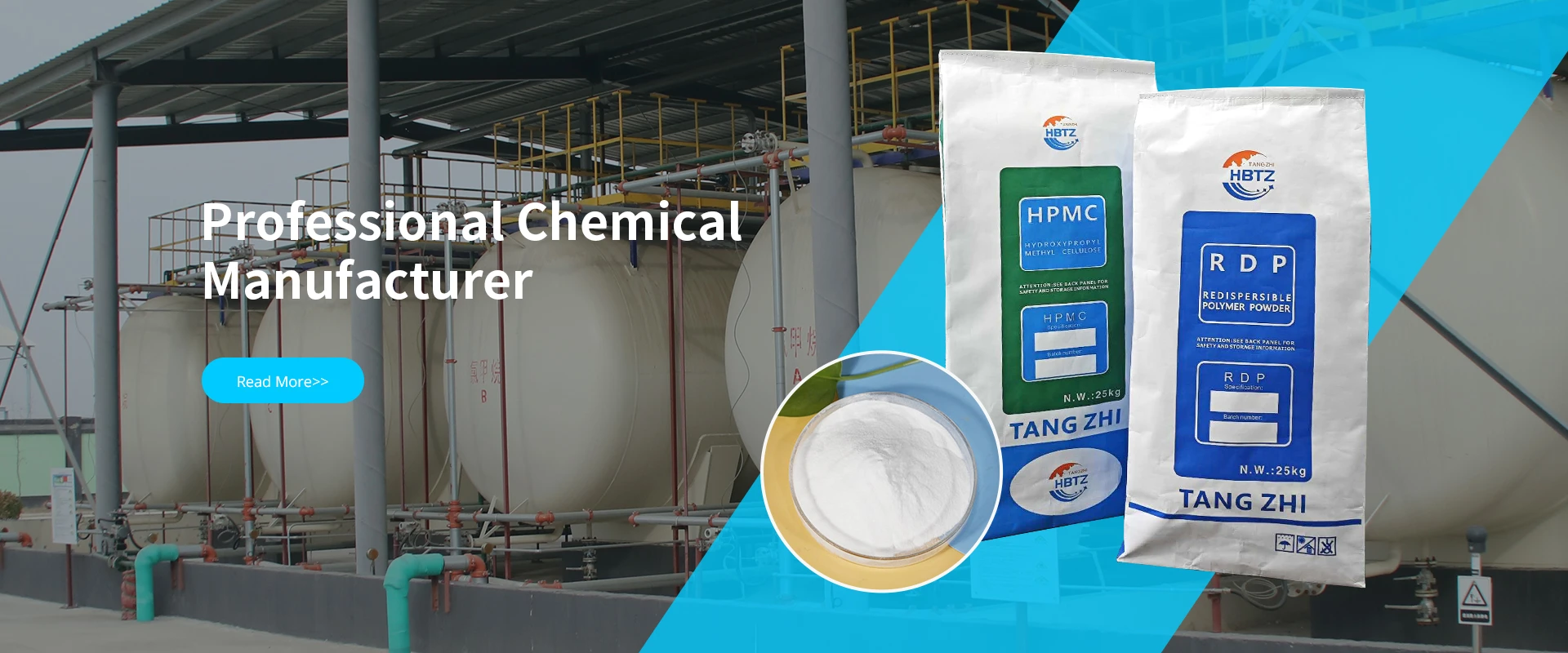
    Behind these advancements lies a specialized supply chain that sources raw materials with stringent purity specifications. Manufacturers like TANG ZHI TECHNOLOGY (HEBEI) CO., LTD, with its automated production lines and annual capacity exceeding 40,000 tons, provide the hydroxypropyl methylcellulose (HPMC), methyl hydroxyethyl cellulose (MHEC), polyvinyl alcohol (PVA), redispersible polymer powder (RDP-VAE), and carboxymethyl cellulose (CMC) that formulators rely on. Their facility in Jinzhou, Hebei Province, strategically located near major ports and motorways, ensures consistent delivery to pharmaceutical customers across regions.

    Quality Assurance and Traceability in the Excipient Supply Chain

    For veterinary drug manufacturers, traceability of raw materials is no longer optional. Regulatory frameworks in the EU, US, and emerging markets require full documentation of excipient origin, processing, and stability data. Suppliers that invest in world-class equipment and maintain rigorous in-house testing protocols give formulators the confidence to scale from pilot batches to commercial production without unexpected deviations.

    The choice of a reliable excipient partner directly influences the speed of product development. When a formulation scientist can trust that the viscosity, particle size, and hydration behavior of a cellulose ether will remain consistent lot after lot, they can focus on optimizing the drug-excipient ratio rather than troubleshooting variability. This translational efficiency shortens the path from lab to market—a critical advantage in the competitive veterinary pharmaceutical landscape.

    Future Outlook: Tailored Excipients for Species-Specific Needs

    Looking ahead, the convergence of materials science and veterinary pharmacology promises even more specialized solutions. Excipients designed to mask bitter tastes in oral suspensions for companion animals, or to withstand the abrasive conditions of feed-based delivery for livestock, are already in development. The growing emphasis on reducing antibiotic use in agriculture will also drive demand for excipients that enhance the efficacy of vaccines and alternative therapeutics.

    As the industry continues to evolve, the underlying materials that enable these innovations will remain a cornerstone of veterinary drug development. Formulators who stay informed about the latest advances in cellulose chemistry, polymer engineering, and quality assurance will be best positioned to deliver safe, effective, and stable products to the animals that depend on them.

  • Guide to Oxytetracycline Injection
    27
    Mar
    The Diagnostic Imaging Revolution: How Advanced Materials Are Reshaping Veterinary Medicine
    Learn More

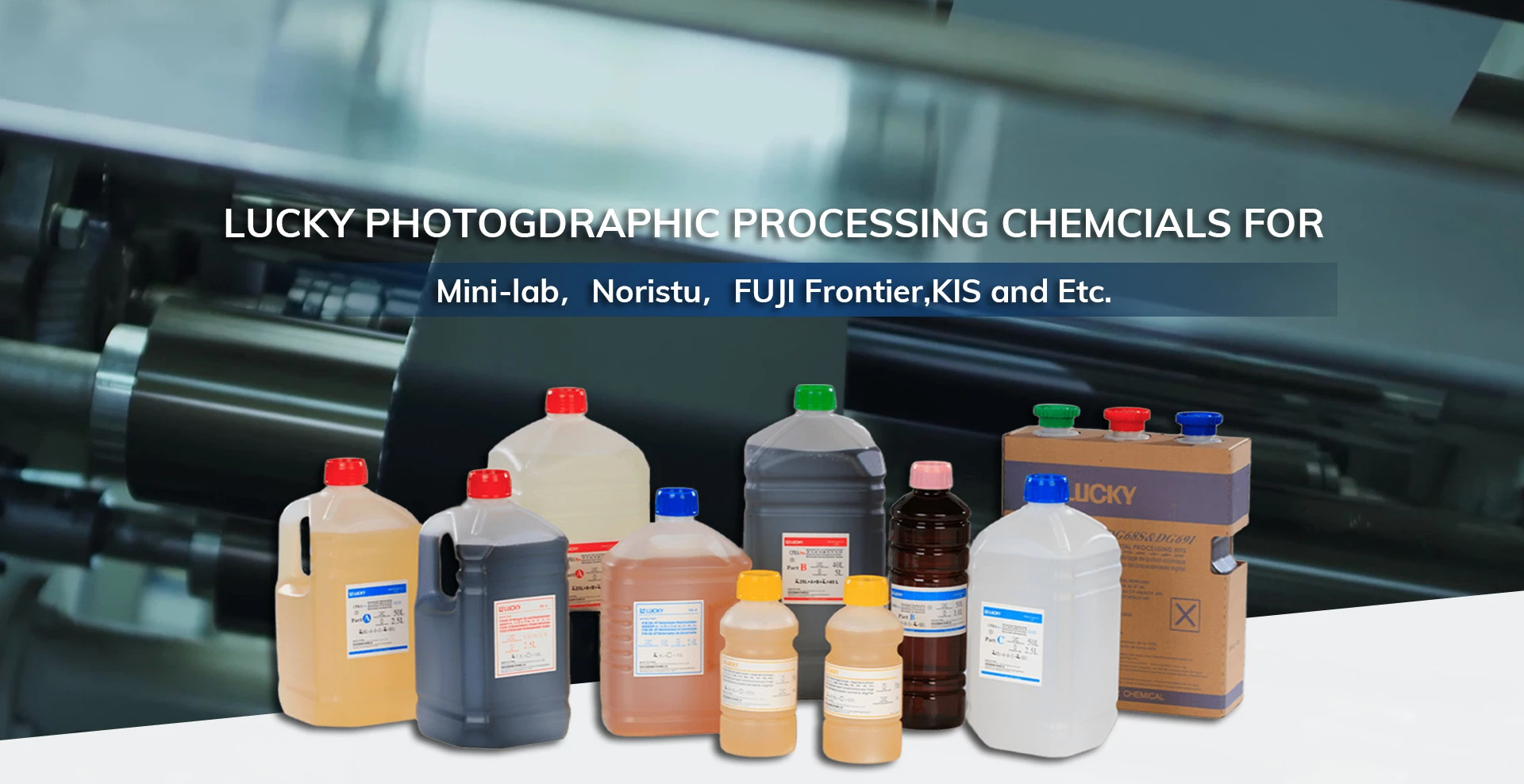
    Lucky Medical Dry Film Kx410 has become a cornerstone in modern veterinary diagnostic imaging, enabling clinicians to capture high-resolution radiographic images that are critical for accurate diagnosis and treatment planning. The evolution of medical imaging materials has paralleled the broader transformation of animal healthcare, where precision, reliability, and affordability are paramount.

    Veterinary diagnostic imaging equipment and medical film technology for animal healthcare

    The veterinary sector has witnessed a remarkable transformation over the past two decades, driven by technological advancements that have reshaped how veterinarians approach diagnosis, treatment, and preventive care. At the heart of this transformation lies the unsung hero of medical imaging: the dry film technology that underpins radiographic diagnostics. While the spotlight often shines on sophisticated imaging equipment, the materials that capture and preserve these diagnostic images are equally crucial to clinical outcomes.

    The Growing Demand for Veterinary Diagnostic Imaging

    As companion animal ownership rises globally and livestock operations demand more sophisticated health monitoring, the veterinary imaging market has expanded significantly. According to industry reports, the global veterinary diagnostic imaging market is projected to exceed $2.5 billion by 2027, with radiography remaining the most widely used modality across both small and large animal practices.

    This growth trajectory presents both opportunities and challenges for veterinary professionals. The need for reliable, high-quality imaging materials has never been greater, as clinicians increasingly rely on radiographic evidence to guide surgical interventions, monitor disease progression, and evaluate treatment efficacy. The materials used in diagnostic imaging must deliver consistent performance across diverse clinical settings, from busy urban veterinary hospitals to mobile rural practices.

    The Confluence of Human and Veterinary Medical Imaging Standards

    One of the most significant developments in veterinary diagnostics has been the adoption of imaging standards originally developed for human medicine. This convergence has elevated the quality of care available to animals while creating economies of scale that benefit both sectors. The dry medical film technology used in veterinary practices today shares the same rigorous manufacturing standards as those used in human hospitals, ensuring that veterinarians can access professional-grade imaging materials without compromising on quality.

    The technical requirements for veterinary radiography are demanding. Images must capture fine bone detail for orthopedic assessments, soft tissue contrast for abdominal evaluations, and thoracic clarity for cardiac and pulmonary diagnostics. The emulsion chemistry, coating uniformity, and base material stability of medical dry film directly influence these diagnostic capabilities. Advanced manufacturing processes, honed over decades of materials science research, have produced films that deliver exceptional image quality with minimal artifact interference.

    Supply Chain Resilience in Veterinary Healthcare Materials

    The COVID-19 pandemic exposed vulnerabilities in global healthcare supply chains, and the veterinary sector was not immune to these disruptions. Veterinary practices faced shortages of essential supplies, from pharmaceuticals to diagnostic materials, prompting a reassessment of procurement strategies and supplier relationships. This experience has underscored the importance of partnering with established manufacturers that maintain robust production capabilities and distribution networks.

    Materials science companies with deep expertise in coated substrate manufacturing have emerged as critical partners in the veterinary supply chain. Their ability to produce consistent, high-quality products at scale ensures that veterinary practices can maintain uninterrupted diagnostic services. The production of medical imaging film involves precise coating technologies, environmental controls, and quality assurance protocols that require substantial investment and technical know-how.

    The Role of Specialty Paper in Veterinary Pharmaceutical Labeling and Compliance

    Beyond diagnostic imaging, the veterinary pharmaceutical industry relies on specialized materials for drug labeling, patient documentation, and regulatory compliance. High-quality Inkjet Paper substrates are essential for producing legible, durable labels that withstand the demanding conditions of veterinary clinics, including exposure to cleaning agents, temperature fluctuations, and handling during dispensing. The pharmaceutical sector's stringent requirements for label accuracy and permanence have driven innovation in paper coating technologies that deliver superior ink adhesion, smudge resistance, and archival stability.

    Veterinary pharmacies and compounding facilities must comply with regulatory frameworks that mandate clear labeling of active ingredients, dosage instructions, expiration dates, and storage requirements. The substrate on which these labels are printed is not merely a logistical consideration but a critical component of patient safety. Poor-quality paper can lead to label degradation, ink bleeding, or adhesive failure, potentially compromising the integrity of medication administration.

    Technological Convergence: Digital Imaging and Material Science

    The transition from analog to digital radiography in veterinary medicine has been one of the most significant technological shifts in the field. However, the role of physical media remains relevant, particularly in applications where hard-copy images are required for referral, record-keeping, or client communication. Dry film printers continue to serve an important function in veterinary practices, producing high-quality prints from digital image files that can be shared with specialists or retained in patient files.

    The materials used in these printing systems must accommodate the specific requirements of medical imaging, including DICOM compliance, grayscale calibration, and dimensional stability. Manufacturers of medical dry film have invested heavily in research and development to ensure that their products meet the evolving needs of digital workflows while maintaining the image quality that clinicians rely upon for accurate diagnosis.

    Sustainability Initiatives in Veterinary Medical Materials

    Environmental sustainability has become an increasingly important consideration in the veterinary supply chain. Manufacturers of medical imaging materials and specialty papers are implementing eco-friendly production practices, including reduced water consumption, solvent recovery systems, and recyclable packaging. These initiatives align with the broader veterinary profession's commitment to environmental stewardship, as practices seek to minimize their ecological footprint while maintaining high standards of patient care.

    The development of more sustainable coating technologies has been a particular focus area, with researchers exploring water-based formulations and bio-derived polymers that reduce the environmental impact of production without compromising product performance. These innovations are gradually making their way into commercial products, offering veterinary practices the opportunity to make environmentally responsible purchasing decisions.

    Quality Assurance and Regulatory Compliance in Veterinary Diagnostics

    Veterinary diagnostic materials are subject to regulatory oversight that ensures their safety, efficacy, and reliability. In many jurisdictions, medical imaging devices and their consumables must meet standards established by national health authorities or international bodies. Manufacturers that maintain ISO certifications and comply with Good Manufacturing Practices demonstrate their commitment to quality, providing veterinary professionals with confidence in the products they use daily.

    The quality assurance protocols for medical dry film production include rigorous testing for emulsion uniformity, base material stability, light sensitivity, and archival permanence. These tests ensure that each batch of film performs consistently across the range of clinical applications encountered in veterinary practice, from equine orthopedic radiography to feline dental imaging.

    Looking Ahead: The Future of Veterinary Diagnostics and Materials Innovation

    The future of veterinary diagnostics will be shaped by continued advances in materials science, digital imaging, and data analytics. Emerging technologies such as artificial intelligence-assisted image interpretation, point-of-care diagnostic devices, and telemedicine platforms will create new demands for specialized materials that support these applications. Manufacturers that invest in research and development, maintain flexible production capabilities, and cultivate strong relationships with the veterinary community will be well-positioned to meet these evolving needs.

    The convergence of materials science, pharmaceutical packaging, and diagnostic imaging represents a fascinating frontier in veterinary medicine. As the industry continues to professionalize and specialize, the partnerships between veterinary practitioners and their material suppliers will become increasingly strategic. The choice of diagnostic imaging materials, pharmaceutical labeling substrates, and other consumables will be recognized not merely as procurement decisions but as integral components of clinical quality and patient safety.

    Disclaimer: This article is provided for informational and educational purposes only. The content reflects industry observations and should not be construed as medical or professional advice. Veterinary professionals should consult applicable regulations and clinical guidelines for diagnostic and pharmaceutical practices.

  • Guide to Oxytetracycline Injection
    27
    Mar
    Beyond the Pill: How Pharmaceutical Intermediates Determine Veterinary Drug Efficacy
    Learn More

    An industry perspective on the hidden chemistry that shapes modern veterinary medicine

    Hegrecat TEDA (Triethylene diamine) CAS:280-57-9 exemplifies the type of specialized intermediate that underpins modern pharmaceutical synthesis across both human and veterinary applications. The purity profile, consistent quality, and traceability of such chemical building blocks are not merely technical specifications—they are fundamental determinants of therapeutic safety, batch reproducibility, and regulatory compliance in drug manufacturing.

    Pharmaceutical intermediates and chemical compounds used in veterinary drug manufacturing

    The veterinary pharmaceutical industry operates within a complex ecosystem where raw material quality cascades through every stage of production. Unlike general chemical supply chains, pharmaceutical-grade intermediates must meet stringent pharmacopoeial standards, including those outlined in the European Pharmacopoeia (Ph. Eur.), the United States Pharmacopeia (USP), and the Chinese Pharmacopoeia (ChP). These standards govern not only the purity of the active substance but also the permissible levels of residual solvents, heavy metals, and related impurities that could compromise animal health or food safety in livestock species.

    The Foundation of Veterinary Drug Manufacturing

    Veterinary pharmaceuticals encompass a broad spectrum of therapeutic categories—antibiotics, anti-inflammatories, antiparasitics, vaccines, and nutritional supplements—each with distinct chemical requirements. The manufacturing process begins with the selection of high-grade intermediates, which serve as the molecular scaffolds upon which active pharmaceutical ingredients (APIs) are built. In the case of beta-lactam antibiotics, including cephalosporins and penicillins, the side-chain intermediates dictate the antimicrobial spectrum, pharmacokinetic profile, and resistance susceptibility of the final drug.

    For veterinary applications, the stakes are particularly high. Livestock antibiotics must achieve therapeutic concentrations in target tissues while maintaining withdrawal periods that ensure food safety. Companion animal medications require precise dosing and exceptional purity to avoid adverse reactions in smaller body masses. These demands place the burden of quality squarely on the intermediate suppliers, who must demonstrate consistent manufacturing capability, rigorous analytical testing, and full regulatory transparency.

    Quality Standards That Define Excellence

    The pharmaceutical industry has long recognized that quality cannot be inspected into a product—it must be built into the process. This principle is codified in current Good Manufacturing Practice (cGMP) regulations, which require manufacturers to validate every step of production, from raw material receipt to final release. For intermediate suppliers, maintaining cGMP compliance means investing in state-of-the-art analytical instrumentation, including high-performance liquid chromatography (HPLC), gas chromatography-mass spectrometry (GC-MS), and inductively coupled plasma mass spectrometry (ICP-MS) for trace metal analysis.

    Beyond analytical capability, quality management systems such as ISO 9001:2015 provide the framework for continuous improvement, risk management, and customer satisfaction. Suppliers that achieve certification to both cGMP and ISO standards demonstrate a commitment to operational excellence that extends beyond simple compliance. They offer veterinary drug manufacturers a critical advantage: the confidence that every batch of intermediate will meet specifications, every time. Hegrecat TCPP Tris (2-Chloro-1-Methylethyl) Phosphate CAS:13674-84-5 represents another example of how specialized intermediates are manufactured under rigorous quality protocols to ensure consistent performance across diverse applications.

    Supply Chain Reliability in Pharmaceutical Production

    The global pharmaceutical supply chain has experienced significant disruption in recent years, driven by geopolitical tensions, raw material shortages, and logistical bottlenecks. Veterinary drug manufacturers, like their human pharmaceutical counterparts, have begun reassessing their sourcing strategies to mitigate risk. The trend toward vertical integration—where intermediate suppliers control multiple stages of production from raw material to finished compound—offers greater supply chain security and quality oversight.

    Companies that maintain captive production capacity for key intermediates can respond more rapidly to market fluctuations, regulatory changes, and emerging animal health threats. This agility is particularly valuable in the veterinary sector, where disease outbreaks, changing resistance patterns, and evolving regulatory frameworks can shift demand profiles with little warning. A reliable intermediate partner with a diversified production base and strong quality systems becomes an extension of the drug manufacturer's own quality assurance infrastructure.

    Innovation in Green Chemistry and Sustainability

    The pharmaceutical industry is increasingly embracing green chemistry principles to reduce environmental impact while maintaining economic viability. For intermediate manufacturers, this means developing synthetic routes that minimize waste, reduce energy consumption, and eliminate hazardous reagents. The adoption of biocatalysis, continuous flow processing, and solvent recovery systems has enabled significant environmental improvements in the production of pharmaceutical intermediates.

    Manufacturers like Hebei Hejia Pharmaceutical Technology Group Co., Ltd. have integrated these principles into their operations, with a focus on building a "Green Chemical" production framework. The company holds ISO 14001 environmental management certification and operates advanced wastewater treatment facilities, solvent recovery systems, and energy-efficient processes across its manufacturing sites. This commitment to sustainable production aligns with the broader industry movement toward environmentally responsible pharmaceutical manufacturing, a trend that veterinary drug companies are increasingly prioritizing in their supplier selection criteria.

    The Role of R&D in Advancing Veterinary Therapeutics

    Research and development in pharmaceutical chemistry continues to expand the toolkit available for veterinary medicine. Novel intermediates enable the synthesis of new chemical entities with improved efficacy, reduced toxicity, and enhanced stability. The development of extended-release formulations, combination therapies, and species-specific dosage forms all rely on access to high-quality intermediates that can be consistently produced at scale.

    The Hejia Research Institute, the independent R&D arm of Hejia Pharmaceutical Group, exemplifies the industry investment in innovation. With a focus on cephalosporin antibiotic side-chain intermediates, fine chemicals, and emerging areas such as fully biodegradable surfactants (Alkyl Polyglucoside, or APG), the institute drives the development of new synthetic methodologies and process improvements. Such R&D capabilities are essential for veterinary drug manufacturers seeking to differentiate their products and address unmet therapeutic needs in animal health.

    Conclusion: Quality as a Shared Responsibility

    The efficacy and safety of veterinary pharmaceuticals depend on a chain of quality that begins with the intermediate manufacturer and extends through to the final dosage form. Each link in this chain—raw material procurement, synthesis, purification, analytical testing, packaging, and distribution—must function with precision and reliability. For veterinary drug companies, selecting intermediate suppliers with proven quality systems, regulatory compliance, and technical expertise is not merely a procurement decision; it is a strategic imperative that directly impacts product performance and patient outcomes.

    As the veterinary pharmaceutical industry continues to evolve—driven by antimicrobial resistance concerns, regulatory modernization, and the growing demand for sustainable production—the role of high-quality intermediates will only become more central. Manufacturers that invest in robust quality systems, environmental stewardship, and R&D innovation will be best positioned to support the next generation of veterinary therapeutics, ensuring that animals receive the safe, effective medicines they deserve.

    — An industry analysis of pharmaceutical intermediate quality and its impact on veterinary medicine —
  • Guide to Oxytetracycline Injection
    27
    Mar
    Optimizing Livestock Resilience: The Role of Nutritional Precision and Proactive Veterinary Protocols
    Learn More

    Using Multivitamin water soluble powder can significantly bolster the immune response in intensive farming environments. As global livestock production shifts toward higher efficiency and stricter biosecurity standards, the margin for error in animal health management has narrowed. Producers are no longer just looking at growth rates; they are focused on the metabolic stability and long-term physiological resilience of their herds.

    Livestock health and nutritional management overview

    The intersection of nutrition and pharmacology forms the bedrock of modern animal husbandry. When environmental stressors—such as sudden temperature fluctuations or transport fatigue—impact an animal's gut health, the ability to rapidly deliver micronutrients becomes critical. Water-soluble additives offer a highly bioavailable pathway to ensure that even animals showing early signs of lethargy receive the essential vitamins necessary to maintain homeostatic balance.

    The Shift Toward Integrative Veterinary Management

    Traditional approaches to livestock health often relied heavily on reactive treatments. However, the industry is moving toward a more integrated model that combines high-quality feed premixes with targeted medicinal interventions. This proactive stance is essential for mitigating the economic impact of disease outbreaks in large-scale operations.

    Micro-Nutrient Synergy

    Nutritional precision involves more than just meeting basic caloric requirements. It requires a deep understanding of how trace minerals and vitamins interact with the animal's digestive system. By optimizing the feed composition through advanced research and development, producers can reduce the reliance on heavy antibiotic loads while still maintaining high productivity levels.

    Managing Acute Pathogenic Challenges

    Despite the best preventative measures, acute bacterial infections remain an inevitable challenge in animal production. In such instances, the timely administration of specific therapeutic agents is required to prevent widespread mortality. For example, addressing respiratory or systemic bacterial infections often necessitates the use of proven treatments like Oxytetracycline 10% Injection to stabilize the animal's condition.

    The efficacy of these interventions is heavily dependent on the quality of the supply chain. Ensuring that veterinary medicines are manufactured under strict clinical standards and derived from stable, research-backed formulations is what separates successful operations from those facing significant losses. The integration of traditional herbal knowledge with modern pharmaceutical science is currently one of the most promising frontiers in this sector, providing more natural pathways for health maintenance.

    Conclusion: Building a Sustainable Supply Framework

    To achieve sustainable growth, the livestock industry must prioritize the quality of its underlying inputs. From the raw materials in feed premixes to the precision of veterinary-grade injections, every component plays a role in the overall health of the animal population. As the industry evolves, the synergy between nutritional support and rapid-response pharmacology will continue to be the most vital tool for modern producers worldwide.

  • Guide to Oxytetracycline Injection
    27
    Mar
    The Evolution of Botanical Integration in Modern Pharmaceutical Formulations
    Learn More

    White Willow Extract Powder is becoming a cornerstone in the shift toward bio-compatible additives. As the pharmaceutical and veterinary sectors face increasing pressure to reduce synthetic load, the integration of standardized plant derivatives offers a scientifically validated pathway for complex formulations.

    The current landscape of drug development is undergoing a paradigm shift. Traditionally, the industry relied heavily on isolated synthetic compounds to achieve targeted physiological effects. However, the rising demand for "cleaner" labels in both human medicine and animal health products has pushed researchers to revisit the molecular complexity of botanical extracts. Unlike single-molecule synthetics, plant-derived compounds often provide a synergistic effect, where multiple phytochemicals work in tandem to support biological functions.

    Botanical extraction and pharmaceutical research concept

    Bridging Traditional Wisdom and Modern Standardization

    One of the primary challenges in utilizing natural substances for pharmaceutical-grade applications is the variability in active ingredient concentration. A wild-harvested herb may contain vastly different levels of alkaloids or flavonoids compared to one grown in a controlled environment. To overcome this, modern manufacturing now relies on rigorous standardization protocols.

    By implementing high-performance liquid chromatography (HPLC) and mass spectrometry, manufacturers can ensure that every batch of extract meets specific potency requirements. This level of precision is what allows botanical components to transition from traditional remedies into the highly regulated world of modern medicine. For instance, the use of Cranberry Extract in urinary health protocols demonstrates how specific polyphenols can be isolated and quantified to provide predictable clinical outcomes.

    Supply Chain Integrity and Quality Control

    The reliability of a pharmaceutical product is only as strong as its raw material supply chain. In the context of herbal medicines and plant-based supplements, this involves monitoring several critical vectors:

    • Pesticide Residue Management: Ensuring that raw plant materials are free from harmful chemical traces that could compromise the final product.
    • Heavy Metal Screening: Monitoring soil quality to prevent the bioaccumulation of lead, arsenic, or mercury in botanical tissues.
    • Phytochemical Stability: Utilizing advanced processing techniques to preserve the integrity of heat-sensitive compounds during the extraction phase.

    The Role of Specialized Sourcing in Global Markets

    As global regulatory bodies like the FDA and EMA tighten their requirements for ingredient transparency, the role of specialized suppliers has evolved. It is no longer enough to simply provide a raw material; suppliers must now act as partners in the quality assurance process. Organizations like Hebei Hex Imp. & Exp. Company have become essential in this ecosystem, bridging the gap between high-density herb markets—such as the Anguo region—and the strict regulatory environments of Japan, the USA, and Korea.

    Whether it is the production of Traditional Chinese Medicine (TCM) formulations like Xiaoyao Pill or the creation of modern, scientifically-backed herbal extracts, the industry is leaning heavily toward a model of "scientific nature." This approach respects the ancient lineage of herbalism while applying the rigorous scrutiny of modern pharmacology to ensure safety, efficacy, and consumer trust.

  • Guide to Oxytetracycline Injection
    27
    Mar
    Precision Diagnostics as the Catalyst for Targeted Pharmacotherapy
    Learn More

    Implementing point-of-care rsv nucleic acid detection is transforming clinical decision-making in hospital and outpatient settings. In modern pharmacotherapy, empirical treatment of acute infections frequently leads to inappropriate antimicrobial prescribing, exacerbating drug resistance and patient toxicity. Rapid, definitive pathogen identification is the prerequisite for targeted, evidence-based therapeutic regimens.

    Optimizing Clinical Pathways with Molecular POCT

    Traditional diagnostic workflows often require multi-day turnaround times, leaving clinicians to prescribe broad-spectrum drugs while waiting for laboratory confirmation. The advent of automated, fully integrated molecular Point-of-Care Testing (POCT) allows high-sensitivity nucleic acid amplification to be performed directly at the point of care, reducing diagnosis times from days to under an hour.

    Differential Diagnosis in Complex Clinical Presentations

    The clinical necessity for high-throughput and accurate molecular profiling extends beyond respiratory infections to gastrointestinal and systemic disorders. Differentiating between bacterial pathogens and inflammatory conditions requires diagnostic assays with high analytical sensitivity.

    In gastroenterology and infectious disease management, utilizing an advanced pcr dna stool test provides clinicians with clear molecular evidence to select specific narrow-spectrum anti-infectives or adjust immunosuppressive treatments. Partnering with a high-quality provider of standardized diagnostic assays empowers healthcare networks to streamline clinical workflows and improve patient outcomes globally.

Learn More
A medicine you can trust
Request An Instant Quote

We have a strong and efficient team which can offer you and instant and professional quote.

We always follow GMP standards, adhere to the business philosophy of "high quality and low price, win-win cooperation and common development" to produce high-quality, safe and effective drugs. The company will continue to innovate and launch more professional and personalized veterinary drug products to meet your needs.

Leave Your Message

If you are interested in our products, you can choose to leave your information here, and we will be in touch with you shortly.


Leave Your Message

If you are interested in our products, you can choose to leave your information here, and we will be in touch with you shortly.


If you are interested in our products, you can choose to leave your information here, and we will be in touch with you shortly.