
2695018275@qq.com
+86
13780513619
- Afrikaans
- Albanian
- Amharic
- Arabic
- Armenian
- Azerbaijani
- Basque
- Belarusian
- Bengali
- Bosnian
- Bulgarian
- Catalan
- Cebuano
- Corsican
- Croatian
- Czech
- Danish
- Dutch
- English
- Esperanto
- Estonian
- Finnish
- French
- Frisian
- Galician
- Georgian
- German
- Greek
- Gujarati
- Haitian Creole
- hausa
- hawaiian
- Hebrew
- Hindi
- Miao
- Hungarian
- Icelandic
- igbo
- Indonesian
- irish
- Italian
- Japanese
- Javanese
- Kannada
- kazakh
- Khmer
- Rwandese
- Korean
- Kurdish
- Kyrgyz
- Lao
- Latin
- Latvian
- Lithuanian
- Luxembourgish
- Macedonian
- Malgashi
- Malay
- Malayalam
- Maltese
- Maori
- Marathi
- Mongolian
- Myanmar
- Nepali
- Norwegian
- Norwegian
- Occitan
- Pashto
- Persian
- Polish
- Portuguese
- Punjabi
- Romanian
- Russian
- Samoan
- Scottish Gaelic
- Serbian
- Sesotho
- Shona
- Sindhi
- Sinhala
- Slovak
- Slovenian
- Somali
- Spanish
- Sundanese
- Swahili
- Swedish
- Tagalog
- Tajik
- Tamil
- Tatar
- Telugu
- Thai
- Turkish
- Turkmen
- Ukrainian
- Urdu
- Uighur
- Uzbek
- Vietnamese
- Welsh
- Bantu
- Yiddish
- Yoruba
- Zulu
Apr . 01, 2024 17:55 Back to list
8 in 1 vitamins for dogs Performance Analysis
Introduction
8 in 1 vitamins for dogs represent a multi-faceted approach to canine nutritional supplementation, positioned within the pet health and wellness industry as a preventative and supportive health aid. These formulations typically combine a spectrum of vitamins, minerals, and often, other bioactive compounds like amino acids and fatty acids, designed to address potential nutritional gaps in a dog’s diet. The core performance metric revolves around bioavailability – the degree to which the nutrients are absorbed and utilized by the canine system – and efficacy in supporting various physiological functions, including immune response, coat health, energy levels, and cognitive function. The increasing prevalence of processed dog food and breed-specific dietary needs drives the demand for targeted supplementation, placing products like 8 in 1 vitamins in a critical position to address deficiencies and promote overall well-being. Unlike purely therapeutic interventions, these vitamins are generally aimed at proactive health management, and their formulation is driven by established canine nutritional requirements outlined by organizations like AAFCO.
Material Science & Manufacturing
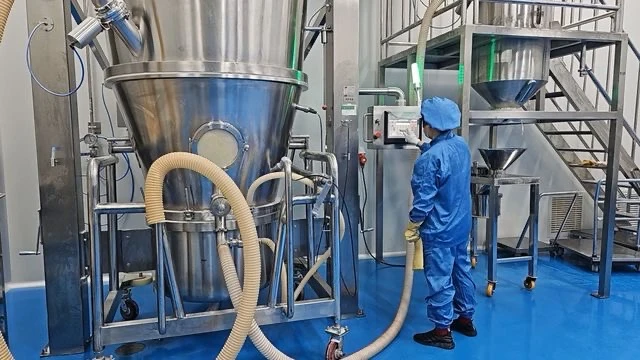
The material science underpinning 8 in 1 vitamins for dogs is primarily focused on ingredient sourcing, stability, and encapsulation technology. Raw materials consist of both synthetic and naturally derived vitamins (A, D, E, C, B-complex), chelated minerals (zinc, iron, manganese, copper), and potentially omega-3/6 fatty acids derived from fish oil or flaxseed. Vitamin stability is a critical concern; vitamins A, D, E, and C are particularly susceptible to degradation from oxidation, light, and heat. Manufacturing processes commonly involve powder blending, granulation, and encapsulation. Granulation enhances flowability for tablet compression or capsule filling. Encapsulation – using coatings like hydroxypropyl methylcellulose (HPMC) – protects sensitive ingredients from degradation and controls release profiles (immediate release, sustained release). Key parameter control includes precise weighing of ingredients to ensure accurate dosages, monitoring temperature and humidity during blending to prevent degradation, and verification of encapsulation coating thickness and integrity. The carrier matrix, frequently cellulose or starch-based, must be biocompatible and readily digestible. Quality control involves rigorous testing for potency, purity, and absence of contaminants (heavy metals, mycotoxins) using methods like High-Performance Liquid Chromatography (HPLC) and Gas Chromatography-Mass Spectrometry (GC-MS). Bioavailability enhancement techniques, such as micronization of minerals or liposomal encapsulation of vitamins, are increasingly employed.
Performance & Engineering
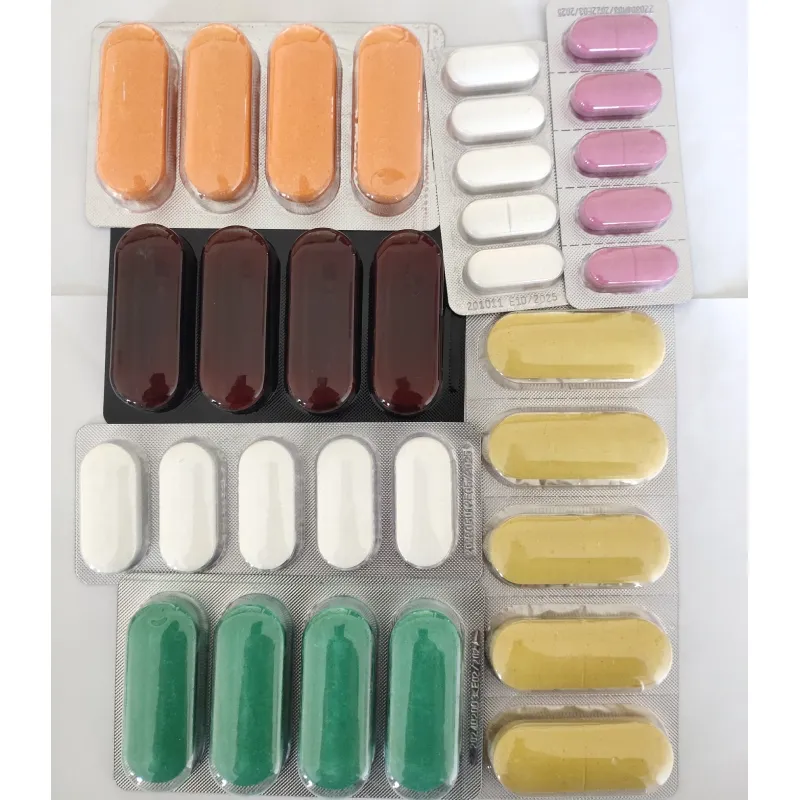
The performance of 8 in 1 vitamins hinges on several engineering considerations related to dosage form, delivery mechanism, and physiological absorption. Force analysis focuses on tablet hardness (resistance to crushing) and friability (tendency to crumble during handling). Tablet compression must achieve sufficient strength without compromising disintegration time. Capsule shell integrity is paramount to prevent premature release or moisture ingress. Environmental resistance involves assessing the product’s stability under varying temperature and humidity conditions, as storage conditions significantly impact vitamin potency. Compliance requirements stem from regulatory bodies like the FDA (in the US) and corresponding agencies globally, dictating permissible ingredient levels, labeling standards, and Good Manufacturing Practices (GMP). Functional implementation is critically linked to the bioavailability of each nutrient. For instance, chelated minerals exhibit enhanced absorption compared to inorganic forms. Fat-soluble vitamins (A, D, E, K) require dietary fat for optimal absorption, while water-soluble vitamins (B-complex, C) are absorbed directly. The formulation must account for potential nutrient interactions – some vitamins and minerals can inhibit or enhance each other’s absorption. Finally, palatability is a significant engineering consideration, as acceptance by the dog directly influences effectiveness; flavoring agents and coating techniques are used to enhance acceptance.
Technical Specifications
| Vitamin/Mineral | Typical Dosage (per tablet/capsule - Medium Dog ~20kg) | Minimum Purity (%) | Bioavailability Enhancement | Stability Testing Parameters |
|---|---|---|---|---|
| Vitamin A (Retinol) | 500 IU | 98% | Microencapsulation with Tocopherol | HPLC analysis at 40°C/75% RH for 6 months |
| Vitamin D3 (Cholecalciferol) | 50 IU | 99% | Oil Suspension | UV-Vis Spectroscopy at 254nm for 3 months |
| Vitamin E (Alpha-Tocopherol) | 30 IU | 97% | Encapsulation in Phytosterol Matrix | Peroxide Value measurement at 50°C for 4 weeks |
| Vitamin C (Ascorbic Acid) | 100 mg | 98% | Coated with Sodium Ascorbate | Iodometric Titration at 25°C for 2 weeks |
| B-Complex Vitamins (B1, B2, B3, B5, B6, B12) | Variable - see individual specs | 95-99% (depending on vitamin) | Sustained Release Matrix | HPLC analysis for individual B vitamins over 6 months |
| Zinc (Chelated) | 5 mg | 99% | Zinc Methionine Complex | Atomic Absorption Spectroscopy for Zinc content after 1 year |
Failure Mode & Maintenance
Failure modes for 8 in 1 vitamins can stem from several sources. Degradation of vitamins due to exposure to oxygen, light, or moisture is a primary concern, leading to reduced potency. Tablet/capsule cracking or crumbling can occur during shipping or handling, increasing oxidation rates and altering dosage accuracy. Delamination of coatings can compromise controlled-release functionality. Oxidation of unsaturated fatty acids (omega-3/6) results in rancidity and reduced efficacy. From a biological perspective, poor absorption due to pre-existing gastrointestinal issues in the dog can limit effectiveness. Maintenance protocols involve proper storage – cool, dry, and dark conditions – to minimize degradation. Packaging materials with low oxygen permeability and UV protection are crucial. Manufacturers should include desiccant packets to absorb moisture. Consumers should be advised to tightly seal containers after each use and to discard products past their expiration date. Regular quality control testing of finished product batches is essential. For dogs with compromised digestive systems, formulations containing prebiotics or probiotics might improve nutrient absorption. Visual inspection of tablets/capsules for cracking or discoloration should be performed before administration.
Industry FAQ
Q: What is the difference between synthetic and naturally derived vitamins in these supplements, and does it impact efficacy?
A: While chemically identical, naturally derived vitamins often exist within a matrix of other compounds (phytonutrients, enzymes) that may enhance absorption and utilization. Synthetic vitamins are produced in a lab and are typically more cost-effective. Bioavailability can sometimes be lower with synthetic forms, depending on the specific vitamin and manufacturing process. Chelated minerals, regardless of synthetic origin, generally exhibit superior bioavailability compared to inorganic salts.
Q: How do you ensure consistent dosage accuracy in each tablet/capsule?
A: Dosage accuracy is maintained through rigorous process control during manufacturing. This includes precise ingredient weighing using calibrated scales, validated blending procedures, and automated tablet compression/capsule filling equipment. Statistical process control (SPC) is employed to monitor key parameters and identify deviations. Finished product testing includes weight variation analysis to ensure uniformity.
Q: What is the role of the coating on the vitamins, and how does it affect the release of nutrients?
A: Coatings serve multiple purposes: protecting sensitive ingredients from degradation, masking unpleasant tastes, and controlling the release profile of nutrients. Immediate-release coatings dissolve quickly, releasing the vitamins in the stomach. Sustained-release coatings dissolve slowly, providing a gradual release over several hours, potentially improving absorption.
Q: What are the potential interactions between these vitamins and common medications a dog might be taking?
A: Some vitamins can interact with medications. For example, Vitamin K can interfere with anticoagulant medications. Vitamin E can potentiate the effects of blood thinners. It's crucial for pet owners to consult with a veterinarian before administering any supplements, especially if their dog is already on medication. Providing a complete medication list to the veterinarian is essential.
Q: How is the quality and purity of the ingredients verified, and what certifications does the manufacturing facility hold?
A: Ingredient quality is verified through supplier audits, Certificates of Analysis (COAs) for each batch, and independent laboratory testing for potency, purity, and contaminants (heavy metals, pesticides, mycotoxins). Reputable manufacturers adhere to Good Manufacturing Practices (GMP) and may hold certifications like NSF International or USP verification, demonstrating compliance with quality standards.
Conclusion
8 in 1 vitamins for dogs, as a multifaceted nutritional supplement, present a complex interplay of material science, manufacturing engineering, and biological considerations. The efficacy of these products is predicated on the bioavailability of individual nutrients, which is intrinsically linked to ingredient sourcing, formulation strategies (encapsulation, chelation), and dosage form design. Maintaining product stability through appropriate packaging and storage conditions is paramount to ensuring consistent potency and preventing degradation.
Future developments in this field will likely focus on personalized nutrition, tailoring vitamin formulations to specific breeds, ages, and health conditions. Advances in delivery systems – such as nanoencapsulation – may further enhance bioavailability and targeted nutrient delivery. Continued emphasis on rigorous quality control and independent third-party testing will be crucial to maintaining consumer trust and ensuring the safety and effectiveness of these products.
Latest news
Copyright © 2026
Dingzhou Kangquan Pharmaceutical Co., Ltd. All Rights Reserved. Sitemap | Privacy
Policy


