
2695018275@qq.com
+86
13780513619
- Afrikaans
- Albanian
- Amharic
- Arabic
- Armenian
- Azerbaijani
- Basque
- Belarusian
- Bengali
- Bosnian
- Bulgarian
- Catalan
- Cebuano
- Corsican
- Croatian
- Czech
- Danish
- Dutch
- English
- Esperanto
- Estonian
- Finnish
- French
- Frisian
- Galician
- Georgian
- German
- Greek
- Gujarati
- Haitian Creole
- hausa
- hawaiian
- Hebrew
- Hindi
- Miao
- Hungarian
- Icelandic
- igbo
- Indonesian
- irish
- Italian
- Japanese
- Javanese
- Kannada
- kazakh
- Khmer
- Rwandese
- Korean
- Kurdish
- Kyrgyz
- Lao
- Latin
- Latvian
- Lithuanian
- Luxembourgish
- Macedonian
- Malgashi
- Malay
- Malayalam
- Maltese
- Maori
- Marathi
- Mongolian
- Myanmar
- Nepali
- Norwegian
- Norwegian
- Occitan
- Pashto
- Persian
- Polish
- Portuguese
- Punjabi
- Romanian
- Russian
- Samoan
- Scottish Gaelic
- Serbian
- Sesotho
- Shona
- Sindhi
- Sinhala
- Slovak
- Slovenian
- Somali
- Spanish
- Sundanese
- Swahili
- Swedish
- Tagalog
- Tajik
- Tamil
- Tatar
- Telugu
- Thai
- Turkish
- Turkmen
- Ukrainian
- Urdu
- Uighur
- Uzbek
- Vietnamese
- Welsh
- Bantu
- Yiddish
- Yoruba
- Zulu
Apr . 01, 2024 17:55 Back to list
adult cat vitamins Manufacturing Analysis
Introduction
Adult cat vitamins represent a critical component in preventative feline healthcare, functioning as dietary supplements designed to address nutritional gaps common in mature cats. Unlike kitten formulations geared towards rapid growth, adult vitamin complexes focus on maintaining optimal health, supporting organ function, and mitigating age-related decline. Positioned within the broader pet nutrition industry, these supplements bridge the gap between commercially available cat food (often formulated for general maintenance) and the individualized nutritional needs of aging felines. Core performance metrics include bioavailability of key nutrients (vitamins A, D, E, B-complex, taurine), palatability, and demonstrated efficacy in supporting immune function, skin and coat health, and joint mobility. The increasing prevalence of indoor-only cats and specialized diets necessitates supplementation to prevent deficiencies and promote longevity. Addressing the core pain point of cat owners desiring optimal wellness for their companion animals, adult cat vitamin formulations are frequently sought as a proactive health strategy.
Material Science & Manufacturing
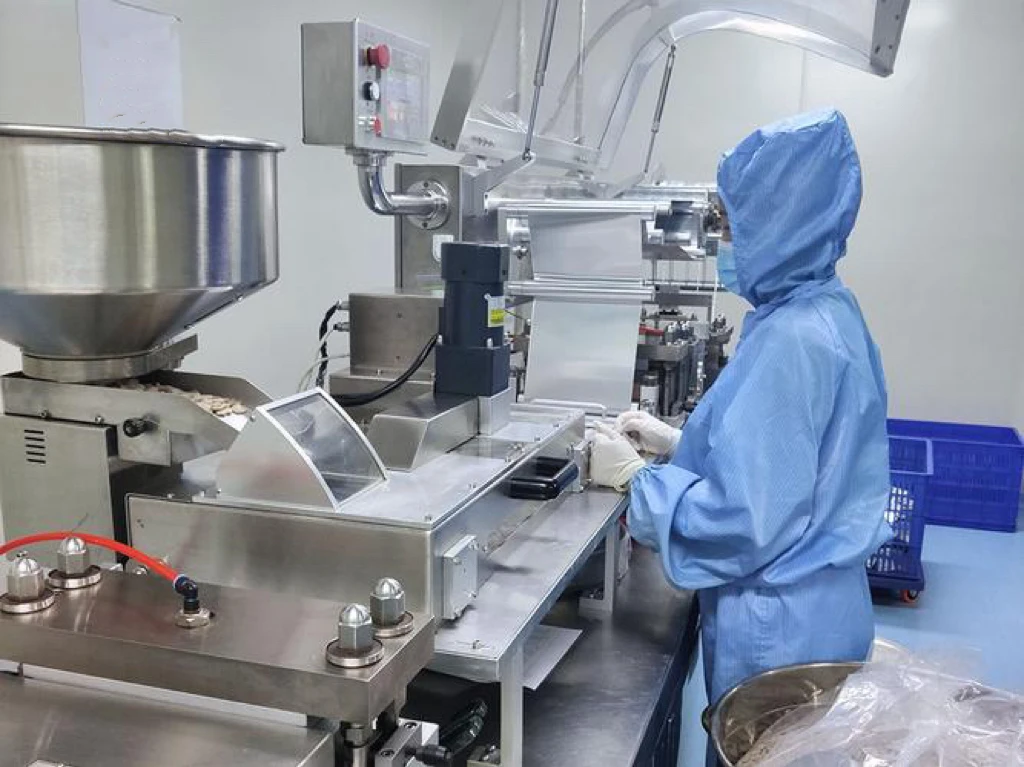
The production of adult cat vitamins hinges on precise sourcing and processing of raw materials. Common vitamin precursors include retinol (Vitamin A), cholecalciferol (Vitamin D3), tocopherol (Vitamin E), and various thiamine, riboflavin, and niacin compounds (B-complex). Taurine, a crucial amino acid for feline cardiac health, is typically synthesized or extracted from animal sources. These raw materials must meet stringent purity standards as defined by pharmacopoeias (USP, EP). Manufacturing generally involves microencapsulation, a process wherein liquid or solid vitamin compounds are coated with a protective matrix (often gelatin, starch, or vegetable gums). This improves stability, masks potentially unpleasant tastes, and enhances bioavailability. Key parameters controlled during encapsulation include core material loading, coating thickness, and curing temperature. Further processing involves blending encapsulated vitamins with palatable carriers like fish oil, poultry meal, or yeast extract. Compression into chewable tablets or incorporation into liquid formulations demands precise control of binder concentration, particle size distribution, and compression force. Chemical compatibility between ingredients is paramount; antioxidants (e.g., Vitamin E, Vitamin C) are routinely added to prevent oxidation of unsaturated fatty acids (e.g., fish oil). The manufacturing process adheres to Good Manufacturing Practices (GMP) to ensure consistent quality and prevent contamination. Degradation pathways of sensitive vitamins like Vitamin C must be carefully monitored during storage.
Performance & Engineering
The efficacy of adult cat vitamins is directly correlated to bioavailability – the extent to which nutrients are absorbed and utilized by the feline body. This is governed by several factors, including the chemical form of the vitamin, the presence of facilitating compounds, and the cat’s individual digestive capacity. Fat-soluble vitamins (A, D, E, K) require dietary fat for optimal absorption, while water-soluble vitamins (B-complex, C) are absorbed directly into the bloodstream. Formulation engineering focuses on maximizing bioavailability through microencapsulation techniques and the inclusion of absorption enhancers. Environmental resistance is critical, particularly concerning vitamin degradation due to light, heat, and oxidation. Packaging materials with low oxygen permeability and UV protection are essential for maintaining potency throughout the product's shelf life. Compliance requirements are dictated by regulatory bodies such as the FDA (in the US) and EFSA (in Europe), demanding adherence to labeling regulations and ingredient safety standards. Force analysis during tablet compression is crucial to ensure tablet hardness and prevent crumbling, which can lead to dosage inaccuracies. Bio-challenge testing is employed to validate the efficacy of preservative systems and ensure product sterility. Furthermore, palatability studies are conducted to optimize taste profiles and ensure cat acceptance.
Technical Specifications
| Vitamin | Typical Concentration (per dose) | Bioavailability (Estimated) | Stability (Shelf Life at 25°C) |
|---|---|---|---|
| Vitamin A (Retinol) | 500 IU | 70-85% | 18 months |
| Vitamin D3 (Cholecalciferol) | 100 IU | 60-75% | 12 months |
| Vitamin E (Tocopherol) | 50 IU | 40-60% | 24 months (with antioxidant) |
| B1 (Thiamine) | 1 mg | 75-90% | 24 months |
| B2 (Riboflavin) | 0.5 mg | 80-95% | 18 months |
| Taurine | 250 mg | 90-98% | 24 months |
Failure Mode & Maintenance
Failure modes in adult cat vitamins typically fall into several categories. Degradation of vitamins due to oxidation, particularly of fat-soluble vitamins, is a common concern, often manifesting as a reduction in potency over time. This is accelerated by exposure to air, light, and heat. Tablet crumbling or chipping during handling can result in dosage inaccuracies. Microbial contamination, although rare with proper GMP adherence, can render the product unsafe. Delamination of microencapsulated vitamins can lead to taste aversion and reduced bioavailability. Failure of the packaging to provide adequate barrier protection against moisture and oxygen accelerates degradation. Maintenance involves proper storage – cool, dry, and dark conditions – to minimize degradation. Regular potency testing (HPLC, spectrophotometry) is crucial for quality control. Implementing a robust first-expired, first-out (FEFO) inventory management system ensures that older batches are used before newer ones. Consumer education regarding proper storage and handling is also essential. Routine visual inspection for tablet defects (crumbling, chipping) should be performed. In the event of suspected contamination, the product should be quarantined and tested by a qualified laboratory.
Industry FAQ
Q: What is the difference between water-soluble and fat-soluble vitamins, and how does that impact formulation?
A: Water-soluble vitamins (B-complex, C) are readily absorbed into the bloodstream and excess amounts are typically excreted in urine. This allows for higher doses without significant toxicity, but requires frequent replenishment. Fat-soluble vitamins (A, D, E, K) require dietary fat for absorption and are stored in the liver and fatty tissues. This means that excessive intake can lead to hypervitaminosis. Formulation must account for these differences; fat-soluble vitamins are often incorporated into oil-based carriers, while water-soluble vitamins are readily dispersed in aqueous solutions. Dosage levels are also carefully calibrated to avoid toxicity.
Q: How do you ensure the palatability of adult cat vitamins, considering cats can be finicky eaters?
A: Palatability is a critical factor. We utilize palatability enhancers such as fish oil, poultry meal, and yeast extract. Microencapsulation helps mask unpleasant tastes. Taste testing panels, involving a representative sample of cats, are employed during formulation development to optimize flavor profiles. Tablet shape and size are also considered to improve acceptance.
Q: What are the key indicators of vitamin degradation during storage and how are these monitored?
A: Key indicators include color change, odor development, and a decrease in potency. We monitor these using analytical techniques like High-Performance Liquid Chromatography (HPLC) and spectrophotometry. Accelerated stability testing, conducted at elevated temperatures and humidity, predicts shelf life under normal storage conditions. Oxygen permeability testing of packaging materials is also crucial.
Q: What role does taurine play in adult cat health, and what levels are considered optimal in a vitamin supplement?
A: Taurine is an essential amino acid for cats, crucial for cardiac function, vision, and reproduction. Cats cannot synthesize sufficient taurine on their own and must obtain it from their diet. Deficiency can lead to dilated cardiomyopathy (DCM). Optimal levels in a vitamin supplement typically range from 250-500 mg per dose, depending on the cat's weight and dietary intake.
Q: How do you validate the claims made regarding the efficacy of your vitamin supplements?
A: We conduct in-vitro bioavailability studies to assess nutrient absorption. We also rely on published scientific literature supporting the benefits of the included vitamins and nutrients. While large-scale clinical trials are expensive, we analyze customer feedback and monitor key health indicators (coat condition, energy levels) through voluntary surveys to assess perceived efficacy. Compliance with regulatory standards also assures a baseline level of quality and safety.
Conclusion
Adult cat vitamin supplements represent a targeted intervention in feline health, addressing specific nutritional needs often unmet by standard cat food formulations. The efficacy of these supplements is contingent upon the careful selection of raw materials, precise manufacturing processes (particularly microencapsulation), and formulation engineering to maximize bioavailability and stability. Understanding the distinct metabolic requirements of cats, especially concerning taurine and fat-soluble vitamins, is paramount.
Continued innovation in delivery systems, such as novel encapsulation techniques and improved palatability enhancers, will further enhance the acceptance and effectiveness of these vital supplements. Maintaining rigorous quality control measures, adhering to international regulatory standards, and providing transparent product information are essential for building consumer trust and ensuring the long-term health and well-being of feline companions.
Latest news
Copyright © 2026
Dingzhou Kangquan Pharmaceutical Co., Ltd. All Rights Reserved. Sitemap | Privacy
Policy


