
Polycarboxylate Superplasticizer technologies have quietly transformed the way veterinary pharmaceutical tablets are manufactured, offering improved flowability and uniform drug distribution. In an industry where dosage precision directly impacts animal health outcomes, the choice of excipient is far from a secondary concern. Veterinarians and producers alike are demanding formulations that deliver consistent release profiles, longer shelf stability, and minimal batch-to-batch variation.
Why Excipients Matter More Than Ever in Veterinary Medicine
The global veterinary pharmaceutical market is expanding rapidly, driven by rising demand for protein-rich food, companion animal care, and stricter regulations on residue levels. As regulatory bodies tighten requirements for bioavailability and stability, formulators face mounting pressure to select excipients that not only bind and disintegrate but also protect active ingredients from moisture, heat, and enzymatic degradation.
Traditional binders often fall short in high-humidity environments or during prolonged storage, leading to capping, cracking, or reduced dissolution rates. This is where advanced cellulose derivatives and polymer-based additives are stepping in to fill a critical gap. By improving the physical integrity of the tablet matrix, these materials enable longer shelf life without compromising the release kinetics that veterinarians rely on for accurate dosing.
The Science Behind Controlled Release in Veterinary Formulations
One of the most persistent challenges in veterinary pharmaceutics is achieving predictable drug release across species with vastly different gastrointestinal transit times. Ruminants, monogastric animals, and poultry each present unique pH environments and motility patterns. Excipients that swell or erode at controlled rates can mitigate these variables, allowing formulators to design once-daily or even multi-day dosing regimens.
Cellulose ethers, in particular, have gained traction for their ability to form robust gel matrices that modulate water uptake and drug diffusion. Polyanionic Cellulose offers additional advantages in ionic environments, where its charged backbone interacts with oppositely charged drug molecules to further refine release profiles. This level of control is especially valuable for antibiotics, anti-inflammatories, and parasiticides where therapeutic windows are narrow.
Meeting the Demands of Modern Veterinary Production
Large-scale veterinary tablet manufacturing imposes unique constraints. High throughput, rapid changeover between product lines, and strict adherence to GMP standards require excipients that perform consistently under varied compression pressures and environmental conditions. The industry has seen a shift toward multi-functional excipients that can serve as binder, disintegrant, and flow aid simultaneously, reducing the number of raw materials in the formulation and simplifying quality control.
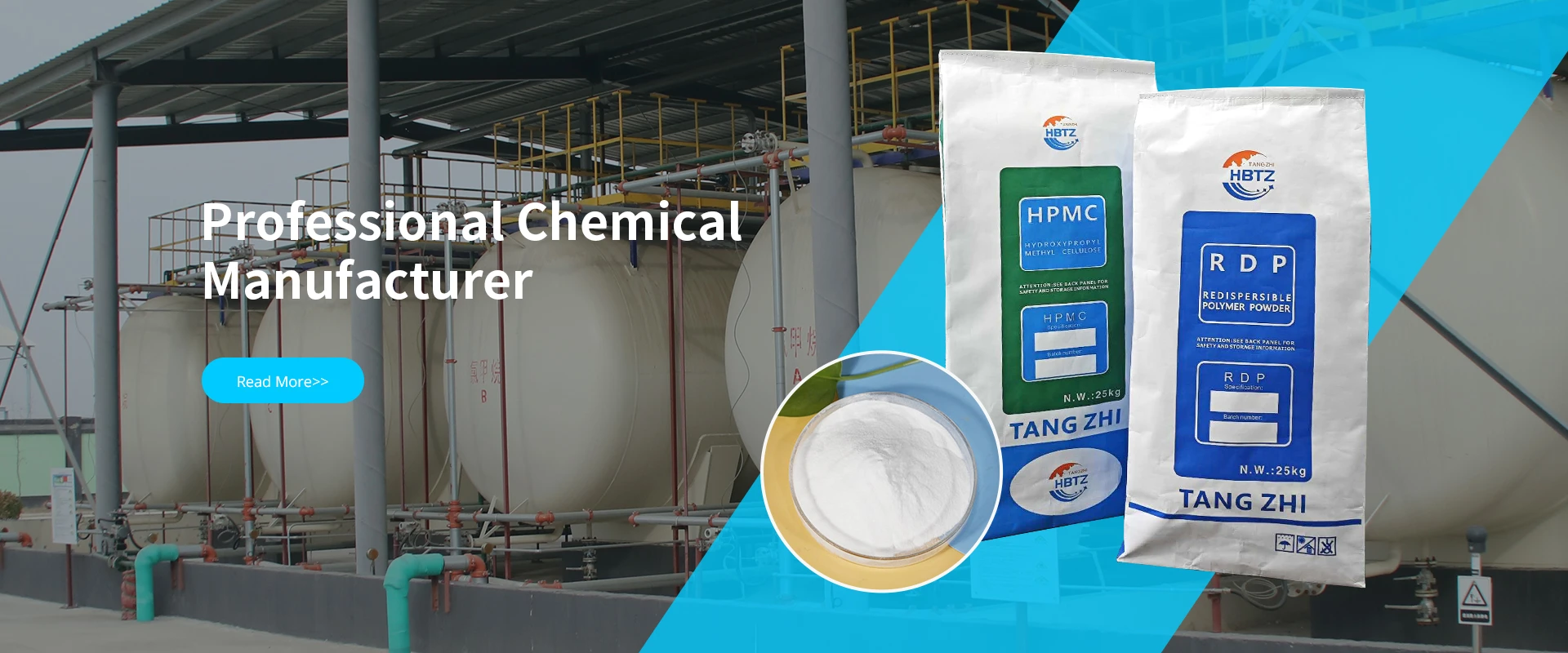
Behind these advancements lies a specialized supply chain that sources raw materials with stringent purity specifications. Manufacturers like TANG ZHI TECHNOLOGY (HEBEI) CO., LTD, with its automated production lines and annual capacity exceeding 40,000 tons, provide the hydroxypropyl methylcellulose (HPMC), methyl hydroxyethyl cellulose (MHEC), polyvinyl alcohol (PVA), redispersible polymer powder (RDP-VAE), and carboxymethyl cellulose (CMC) that formulators rely on. Their facility in Jinzhou, Hebei Province, strategically located near major ports and motorways, ensures consistent delivery to pharmaceutical customers across regions.
Quality Assurance and Traceability in the Excipient Supply Chain
For veterinary drug manufacturers, traceability of raw materials is no longer optional. Regulatory frameworks in the EU, US, and emerging markets require full documentation of excipient origin, processing, and stability data. Suppliers that invest in world-class equipment and maintain rigorous in-house testing protocols give formulators the confidence to scale from pilot batches to commercial production without unexpected deviations.
The choice of a reliable excipient partner directly influences the speed of product development. When a formulation scientist can trust that the viscosity, particle size, and hydration behavior of a cellulose ether will remain consistent lot after lot, they can focus on optimizing the drug-excipient ratio rather than troubleshooting variability. This translational efficiency shortens the path from lab to market—a critical advantage in the competitive veterinary pharmaceutical landscape.
Future Outlook: Tailored Excipients for Species-Specific Needs
Looking ahead, the convergence of materials science and veterinary pharmacology promises even more specialized solutions. Excipients designed to mask bitter tastes in oral suspensions for companion animals, or to withstand the abrasive conditions of feed-based delivery for livestock, are already in development. The growing emphasis on reducing antibiotic use in agriculture will also drive demand for excipients that enhance the efficacy of vaccines and alternative therapeutics.
As the industry continues to evolve, the underlying materials that enable these innovations will remain a cornerstone of veterinary drug development. Formulators who stay informed about the latest advances in cellulose chemistry, polymer engineering, and quality assurance will be best positioned to deliver safe, effective, and stable products to the animals that depend on them.


