2695018275@qq.com
+86
13780513619
- Afrikaans
- Albanian
- Amharic
- Arabic
- Armenian
- Azerbaijani
- Basque
- Belarusian
- Bengali
- Bosnian
- Bulgarian
- Catalan
- Cebuano
- Corsican
- Croatian
- Czech
- Danish
- Dutch
- English
- Esperanto
- Estonian
- Finnish
- French
- Frisian
- Galician
- Georgian
- German
- Greek
- Gujarati
- Haitian Creole
- hausa
- hawaiian
- Hebrew
- Hindi
- Miao
- Hungarian
- Icelandic
- igbo
- Indonesian
- irish
- Italian
- Japanese
- Javanese
- Kannada
- kazakh
- Khmer
- Rwandese
- Korean
- Kurdish
- Kyrgyz
- Lao
- Latin
- Latvian
- Lithuanian
- Luxembourgish
- Macedonian
- Malgashi
- Malay
- Malayalam
- Maltese
- Maori
- Marathi
- Mongolian
- Myanmar
- Nepali
- Norwegian
- Norwegian
- Occitan
- Pashto
- Persian
- Polish
- Portuguese
- Punjabi
- Romanian
- Russian
- Samoan
- Scottish Gaelic
- Serbian
- Sesotho
- Shona
- Sindhi
- Sinhala
- Slovak
- Slovenian
- Somali
- Spanish
- Sundanese
- Swahili
- Swedish
- Tagalog
- Tajik
- Tamil
- Tatar
- Telugu
- Thai
- Turkish
- Turkmen
- Ukrainian
- Urdu
- Uighur
- Uzbek
- Vietnamese
- Welsh
- Bantu
- Yiddish
- Yoruba
- Zulu
Apr . 01, 2024 17:55 Back to list
all in one vitamins for dogs Performance Engineering
Introduction
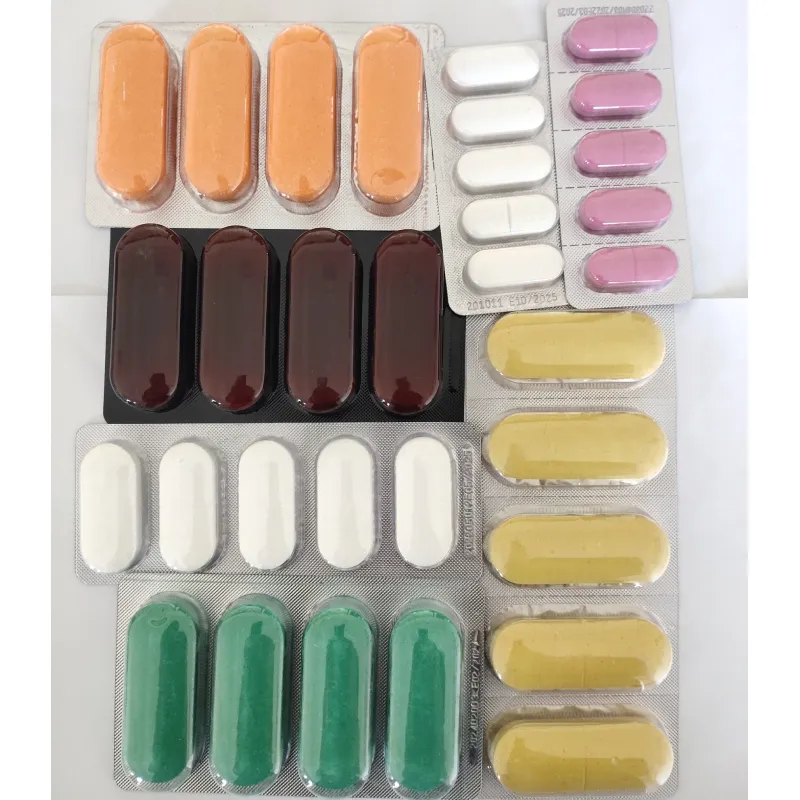
All-in-one vitamins for dogs represent a significant advancement in canine nutritional supplementation, moving beyond single-nutrient formulations to address a broader spectrum of physiological requirements. These products typically comprise a complex matrix of vitamins, minerals, amino acids, fatty acids, and often, prebiotics and probiotics, formulated to support overall health and well-being throughout a dog’s lifecycle. Positioned within the pet food and healthcare industry, these vitamins aim to supplement, not replace, a balanced diet. Core performance characteristics include enhanced immune function, improved skin and coat health, increased energy levels, and support for joint health. The industry faces increasing demand due to heightened pet owner awareness regarding preventative healthcare and the recognition that commercially available dog foods may not always provide optimal levels of all essential nutrients. This guide provides an in-depth technical overview of these complex formulations, covering material science, manufacturing processes, performance engineering, potential failure modes, and relevant industry standards.
Material Science & Manufacturing
The material science underpinning all-in-one vitamin formulations centers on bioavailability and stability of the constituent nutrients. Vitamins are categorized as water-soluble (B vitamins, Vitamin C) and fat-soluble (A, D, E, K), each exhibiting differing absorption pathways and storage characteristics. Mineral sources include inorganic salts (calcium carbonate, magnesium oxide) and chelated minerals, the latter offering superior absorption rates. Amino acids are generally sourced from fermentation processes, while fatty acids typically originate from fish oil or plant-based sources like flaxseed. Manufacturing predominantly employs dry blending and encapsulation techniques. Dry blending involves precise weighing and homogenous mixing of powdered ingredients. Key parameters include particle size distribution, blend uniformity (assessed via Near-Infrared Spectroscopy), and moisture content. Encapsulation, often utilizing gelatin or vegetarian cellulose capsules, protects nutrients from degradation due to oxidation, light exposure, and stomach acid. Gelatin capsule shell strength is crucial, typically measured using tensile testing. Tablet compression is also common, requiring careful control of compression force to ensure tablet hardness and disintegration time (determined via USP standards). Quality control throughout manufacturing emphasizes rigorous testing for nutrient potency (HPLC, GC-MS), heavy metal contamination (ICP-MS), and microbial purity (plate counts). Raw material sourcing is paramount; USP/NF grade ingredients are generally preferred to ensure pharmaceutical quality. Excipients, such as microcrystalline cellulose and silicon dioxide, are added to improve flowability and compressibility.
Performance & Engineering
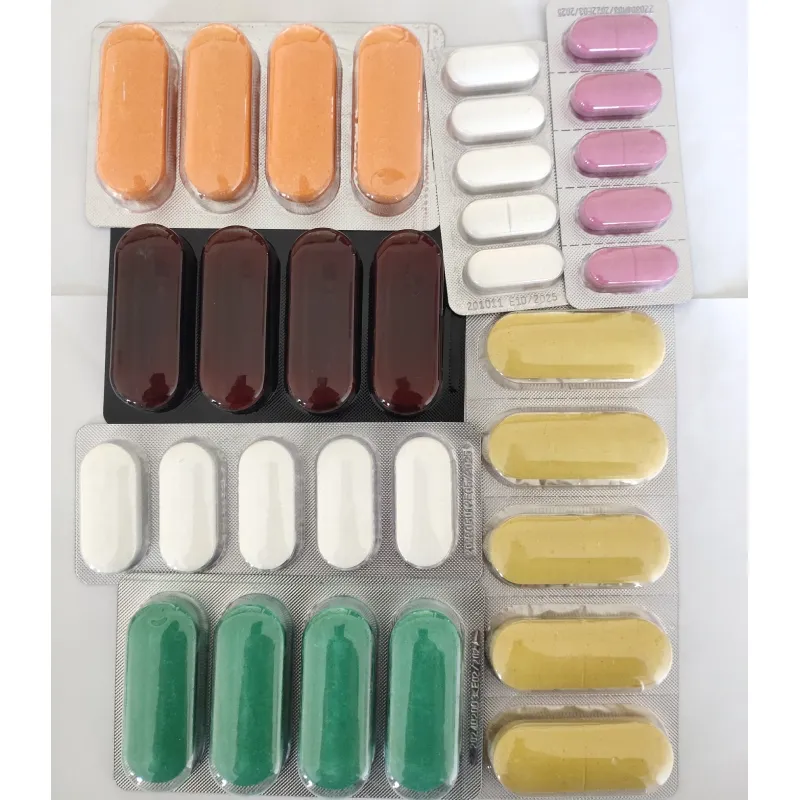
Performance evaluation of all-in-one vitamins hinges on demonstrating efficacy in supporting physiological functions. Bioavailability is a critical engineering consideration. The rate and extent to which nutrients are absorbed and utilized by the dog directly impact their effectiveness. Factors affecting bioavailability include the chemical form of the nutrient, the presence of other dietary components, and the dog’s individual digestive physiology. Formulations often incorporate bioavailability enhancers, such as lipid-based delivery systems for fat-soluble vitamins. Environmental resistance is also key. Vitamins are susceptible to degradation from heat, light, and oxygen. Packaging materials (e.g., amber glass bottles, blister packs) are engineered to minimize exposure to these elements. Stability studies, conducted under accelerated aging conditions (elevated temperature and humidity), are essential to determine shelf life. Compliance requirements vary by region. In the US, the FDA regulates pet food and supplements under the Center for Veterinary Medicine (CVM). Labeling requirements mandate accurate listing of ingredients and guaranteed analysis. Formulations must adhere to AAFCO (Association of American Feed Control Officials) guidelines for nutrient profiles. Engineering functional implementation involves optimizing the dosage form to ensure palatability and ease of administration. Chewable tablets and soft chews are commonly employed to enhance acceptance. The mechanical strength of chewable tablets must be sufficient to withstand handling without crumbling. Palatability testing, involving sensory evaluation by canine subjects, is conducted to assess product acceptance.
Technical Specifications
| Vitamin A (IU/kg) | Vitamin D3 (IU/kg) | Vitamin E (IU/kg) | Vitamin C (mg/kg) |
|---|---|---|---|
| 10,000 | 1,500 | 500 | 200 |
| 12,000 | 1,800 | 600 | 250 |
| 8,000 | 1,200 | 400 | 150 |
| 15,000 | 2,250 | 750 | 300 |
| 7,500 | 1,125 | 375 | 125 |
| 11,000 | 1,650 | 550 | 220 |
Failure Mode & Maintenance
Failure modes for all-in-one vitamins typically relate to degradation of active ingredients, physical instability of the dosage form, or palatability issues. Oxidation of fat-soluble vitamins (A, D, E) is a common degradation pathway, accelerated by exposure to air and light. Hydrolytic degradation, particularly of Vitamin C, occurs in the presence of moisture. Physical instability can manifest as tablet crumbling, capsule softening, or powder caking. This is often linked to improper storage conditions (high humidity, temperature fluctuations). Palatability rejection can result in incomplete dosage, rendering the supplement ineffective. Maintenance and prevention strategies center on proper storage. Products should be stored in a cool, dry place, protected from direct sunlight. Packaging should be airtight and moisture-resistant. Regular monitoring of product appearance for changes in color, odor, or texture can indicate degradation. For chewable tablets, ensuring adequate hardness through appropriate manufacturing controls is crucial. Monitoring batch-to-batch consistency through routine quality control testing (potency assays, disintegration testing) is essential. Educating pet owners on proper storage and handling practices is vital. In cases of suspected degradation, the product should be discarded. Addressing palatability issues might involve trying different formulations or administering the vitamin with food.
Industry FAQ
Q: What is the difference between a multivitamin and an all-in-one vitamin for dogs?
A: While both aim to supplement a dog's diet, all-in-one vitamins typically include a broader range of ingredients beyond basic vitamins and minerals. They often incorporate ingredients like prebiotics, probiotics, amino acids, and fatty acids, targeting specific health concerns such as digestive health, joint support, or skin and coat condition. Multivitamins generally focus on covering essential vitamin and mineral deficiencies.
Q: How do I determine the correct dosage for my dog?
A: Dosage is dependent on the dog's weight, age, breed, and overall health status. Always follow the manufacturer's dosage guidelines on the product label. Consulting with a veterinarian is highly recommended to determine the appropriate dosage for your individual dog’s needs, especially if your dog has underlying health conditions.
Q: Are there any potential side effects associated with giving my dog all-in-one vitamins?
A: While generally safe, some dogs may experience mild gastrointestinal upset, such as diarrhea or vomiting, particularly when starting a new supplement. This is usually temporary. Excessive intake of certain vitamins (e.g., Vitamin D) can lead to toxicity. Following the recommended dosage is crucial. If you observe any adverse reactions, discontinue use and consult your veterinarian.
Q: How long does it take to see results from giving my dog all-in-one vitamins?
A: The timeframe for observing noticeable benefits varies depending on the specific health concern and the individual dog. Improvements in energy levels and coat condition may be noticeable within a few weeks. For more significant issues, such as joint pain, it may take several months to see substantial improvements. Consistent and long-term use is generally required.
Q: What is the importance of chelation in mineral supplementation?
A: Chelation involves binding minerals to amino acids, forming a complex that enhances their absorption and bioavailability. Chelated minerals are less likely to be interfered with by other dietary components and are more readily absorbed in the gastrointestinal tract, leading to greater effectiveness compared to non-chelated mineral sources.
Conclusion
All-in-one vitamins for dogs represent a sophisticated approach to canine nutritional support, demanding careful consideration of material science principles, precise manufacturing controls, and a thorough understanding of canine physiology. Effective formulations prioritize bioavailability, stability, and palatability, adhering to stringent quality control standards and regulatory requirements. Proper storage and administration are essential to maintain product integrity and maximize therapeutic benefit.
The continued development of these supplements will likely focus on personalized nutrition, tailored to individual dogs based on genetic predispositions and specific health needs. Advances in delivery systems, such as microencapsulation and nanotechnology, may further enhance nutrient absorption and efficacy. Ongoing research is crucial to validate the long-term benefits and safety of these complex formulations.
Latest news
Copyright © 2026
Dingzhou Kangquan Pharmaceutical Co., Ltd. All Rights Reserved. Sitemap | Privacy
Policy


