
Apr . 01, 2024 17:55 Back to list
amoxicillin 250 mg injection Manufacturing Standards
Introduction
Amoxicillin 250 mg injection is a sterile, aqueous solution of amoxicillin trihydrate, a broad-spectrum beta-lactam antibiotic. It represents a crucial therapeutic intervention in the treatment of bacterial infections susceptible to amoxicillin, particularly when oral administration is impractical or contraindicated. Within the pharmaceutical manufacturing chain, it occupies a critical position post-active pharmaceutical ingredient (API) synthesis and formulation, requiring stringent adherence to Good Manufacturing Practices (GMP). Core performance characteristics center around achieving consistent drug concentration, sterility assurance, pyrogen control, and demonstrable efficacy against targeted bacterial pathogens. The formulation is commonly used in hospital settings for severe infections, pre- and post-surgical prophylaxis, and in pediatric populations unable to tolerate oral medication. A primary industry pain point is maintaining sterility throughout the manufacturing process and ensuring the stability of the solution over its shelf life, which necessitates meticulous control of pH, temperature, and oxygen exposure. Ensuring consistent particle size distribution during the manufacturing process to prevent formulation instability and potential adverse reactions is also a significant challenge.
Material Science & Manufacturing
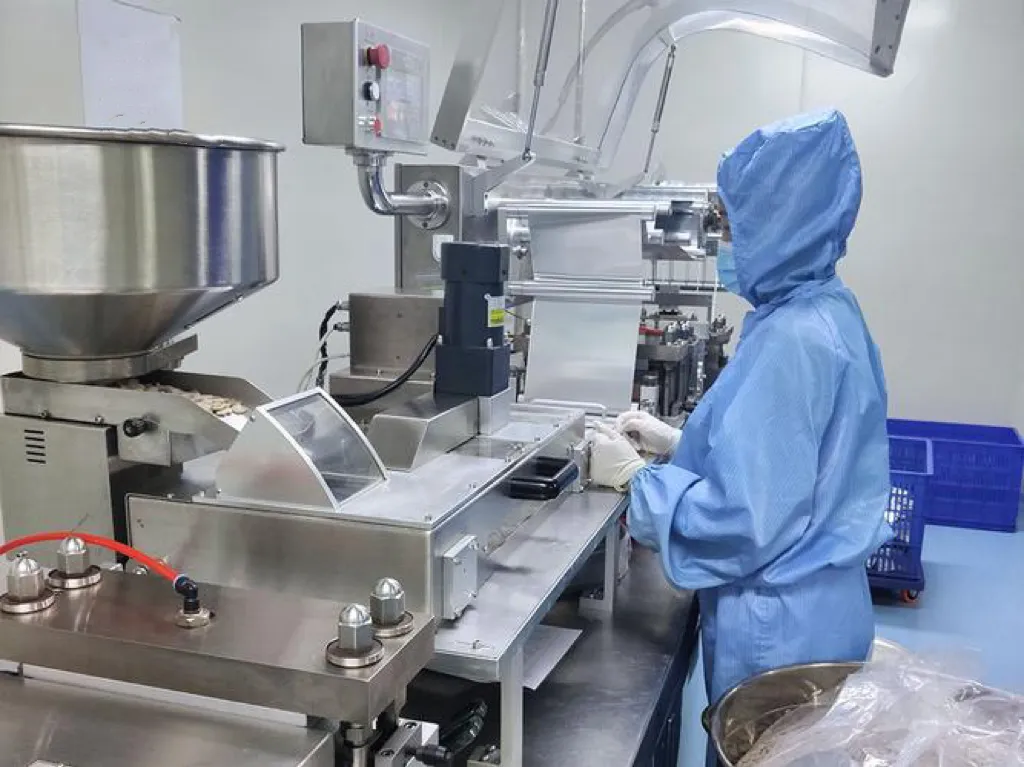
The primary raw material, amoxicillin trihydrate (C16H19N3O5S · 3H2O), exhibits polymorphic behavior, influencing its solubility and stability. Manufacturing commences with high-purity amoxicillin trihydrate sourced from fermentation processes. The injection solution is typically formulated with sterile water for injection (WFI), adjusted to a specific pH (typically between 8.0 and 9.0) using sodium hydroxide or hydrochloric acid. Manufacturing involves dissolution of amoxicillin trihydrate in WFI under controlled temperature (25-30°C) and mixing conditions. The solution then undergoes sterile filtration, typically using 0.22-micron filters, to remove all particulate matter and microorganisms. Aseptic filling into sterile vials or ampoules is performed within controlled environments (ISO Class 5 or equivalent). Critical parameters include maintaining a consistent pH to maximize amoxicillin solubility and minimize degradation, rigorous control of endotoxin levels (pyrogen testing), and confirmation of sterility using compendial methods. The selection of vial material (typically Type I borosilicate glass) is also critical to prevent leaching of ions and ensure compatibility with the formulation. The manufacturing process requires validated cleaning procedures for all equipment to prevent cross-contamination and ensure product purity. Key quality control testing includes assay for amoxicillin content (HPLC), sterility testing, endotoxin testing (LAL assay), particulate matter analysis, and pH measurement.

Performance & Engineering
The efficacy of amoxicillin 250 mg injection relies on achieving therapeutic drug concentrations at the site of infection. Pharmacokinetic parameters, including distribution volume, elimination half-life, and bioavailability, are critical engineering considerations. Force analysis during vial handling and administration must account for the fragility of glass vials and potential for breakage. Environmental resistance testing assesses the formulation’s stability under varying temperature (freeze-thaw cycles, accelerated aging studies) and light exposure conditions. Compliance requirements are dictated by regulatory bodies such as the FDA (US), EMA (Europe), and local health authorities. Specific requirements include adherence to GMP guidelines, validation of sterilization processes, and demonstration of bioequivalence if changes are made to the formulation or manufacturing process. Functional implementation necessitates a clear understanding of amoxicillin’s mechanism of action – inhibition of bacterial cell wall synthesis – and its susceptibility to bacterial resistance mechanisms (e.g., beta-lactamase production). The injection is typically administered intravenously or intramuscularly, requiring compatibility with common intravenous fluids and appropriate injection techniques. Engineering considerations also include the design of the vial closure system to maintain sterility throughout the product's shelf life and ensure proper reconstitution if the product is supplied as a lyophilized powder for reconstitution.
Technical Specifications
| Parameter | Specification | Test Method | Acceptance Criteria |
|---|---|---|---|
| Amoxicillin Content (Potency) | 250 mg per vial/ampoule | High-Performance Liquid Chromatography (HPLC) | 90-110% of labeled claim |
| pH | 8.0 – 9.0 | Potentiometric Titration | Within specified range |
| Sterility | No evidence of microbial growth | USP <71> / EP 2.6.1 | Complies |
| Endotoxins (Pyrogens) | < 0.5 EU/mL | Limulus Amebocyte Lysate (LAL) Test | Complies |
| Particulate Matter | < 25 particles ≥ 10 μm per mL | USP <788> / EP 2.9.19 | Complies |
| Water Content | N/A – Aqueous Solution | Karl Fischer Titration (if applicable to excipients) | Complies with relevant pharmacopeial limits |
Failure Mode & Maintenance
Potential failure modes for amoxicillin 250 mg injection include: Particulate Matter Formation: Degradation of amoxicillin leading to insoluble particles, causing embolism risk. Mitigation: Strict control of pH, temperature, and storage conditions. Sterility Compromise: Contamination during manufacturing or vial closure failure. Mitigation: Rigorous aseptic processing, validated sterilization, and regular container closure integrity testing. Degradation: Hydrolysis of the beta-lactam ring, reducing potency. Mitigation: Optimized formulation pH, protection from moisture, and appropriate packaging. Color Change: Development of discoloration indicating chemical degradation. Mitigation: Light protection during manufacturing and storage, antioxidant addition if necessary. Pyrogenicity: Presence of endotoxins causing fever and other adverse reactions. Mitigation: Use of WFI, validated depyrogenation processes, and rigorous endotoxin testing. Crystallization: Amoxicillin can crystallize out of solution leading to changes in bioavailability. Mitigation: Control of temperature and excipient selection. Maintenance involves proper storage at recommended temperatures (2-8°C), protection from light, and adherence to expiry dates. Regular inspection of vials for cracks or particulate matter is also crucial. Any vials exhibiting signs of damage or discoloration should be discarded. Detailed record-keeping of batch numbers and storage conditions is essential for traceability and investigation of any potential failures.
Industry FAQ
Q: What are the key considerations regarding endotoxin control in amoxicillin injection manufacturing?
A: Endotoxin control is paramount. It necessitates utilizing Water for Injection (WFI) complying with USP/EP standards, validated depyrogenation of all equipment contacting the solution (typically dry heat sterilization), and employing filters with a pore size of 0.22 μm. Regular Limulus Amebocyte Lysate (LAL) testing of both raw materials and finished product is critical, with acceptance limits typically below 0.5 EU/mL. The LAL testing method must be thoroughly validated according to pharmacopeial guidelines.
Q: How does the pH of the formulation impact amoxicillin stability?
A: Amoxicillin is susceptible to degradation via hydrolysis, particularly at acidic pH. Maintaining a pH between 8.0 and 9.0 optimizes stability by minimizing the rate of hydrolysis. This requires precise pH adjustment during formulation using appropriate buffering agents and continuous monitoring throughout the manufacturing process.
Q: What type of sterilization method is preferred for amoxicillin injection and why?
A: Terminal sterilization by autoclaving is the preferred method whenever possible. However, amoxicillin is heat-labile; therefore, aseptic processing and sterile filtration (0.22 μm) are frequently employed. If autoclaving is feasible, it requires careful validation to ensure minimal degradation of the active ingredient.
Q: What are the common particulate matter concerns in amoxicillin injection and how are they addressed?
A: Particulate matter can arise from amoxicillin degradation, incomplete dissolution, or introduction during manufacturing. Addressing this requires utilizing high-purity raw materials, optimizing dissolution parameters, employing filters during formulation and filling, and performing rigorous particulate matter testing according to USP <788> or EP 2.9.19.
Q: What are the recommended storage conditions for maintaining the potency of amoxicillin 250mg injection?
A: Amoxicillin 250mg injection should be stored at controlled room temperature (2-8°C), protected from light, and in the original packaging. Excursions outside the recommended temperature range should be documented and assessed for their impact on product quality. Adherence to the assigned expiry date is crucial.
Conclusion
Amoxicillin 250 mg injection, as a critical parenteral antibiotic, demands stringent manufacturing controls and a thorough understanding of its inherent chemical and physical properties. Maintaining sterility, controlling endotoxin levels, optimizing formulation pH, and minimizing particulate matter are fundamental requirements for ensuring product safety and efficacy. Adherence to GMP guidelines and compendial standards (USP, EP) is non-negotiable.
Future advancements may focus on developing more stable formulations, incorporating novel delivery systems, and employing continuous manufacturing processes to enhance efficiency and reduce variability. Continued investment in analytical methodologies for detecting and quantifying degradation products will be essential for ensuring long-term product quality and patient safety.
Latest news
Copyright © 2026
Dingzhou Kangquan Pharmaceutical Co., Ltd. All Rights Reserved. Sitemap | Privacy
Policy


