
Apr . 01, 2024 17:55 Back to list
amoxicillin 500mg injection Manufacturing Analysis

Introduction
Amoxicillin 500mg injection is a sterile, aqueous solution of amoxicillin trihydrate for intravenous or intramuscular administration. It represents a critical component of systemic antibiotic therapy, belonging to the penicillin family. Within the pharmaceutical supply chain, it occupies a key position post-API (Active Pharmaceutical Ingredient) synthesis, following formulation, sterilization, and aseptic filling processes. Its core performance characteristics center around delivering a precisely calibrated dose of amoxicillin to achieve therapeutic concentrations in vivo, combating bacterial infections across a spectrum of clinical applications. Maintaining sterility, stability, and accurate dosage are paramount concerns influencing its manufacturing and quality control procedures. This guide provides an in-depth technical analysis of amoxicillin 500mg injection, encompassing material science, manufacturing processes, performance engineering, potential failure modes, and relevant industry standards.
Material Science & Manufacturing
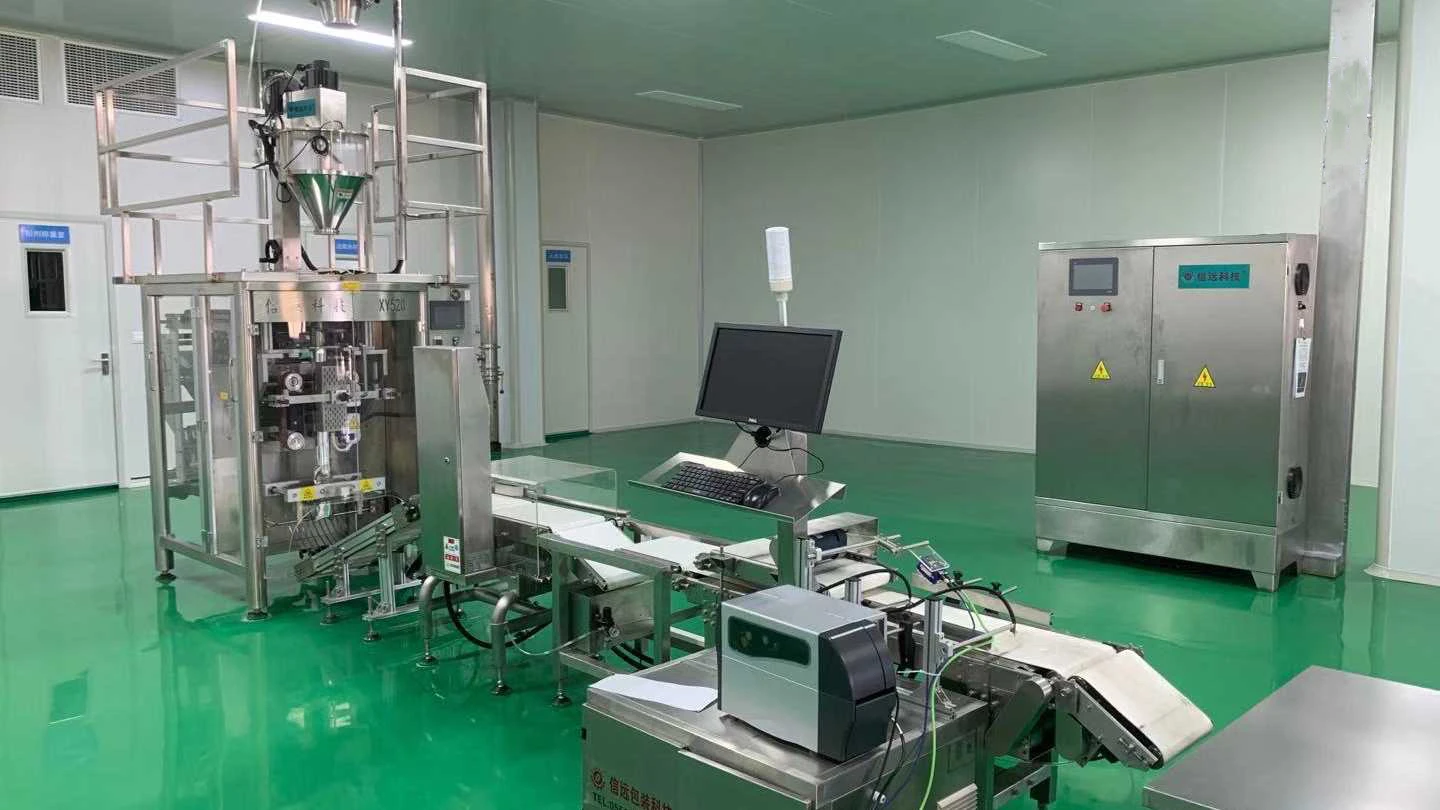
The primary raw material, amoxicillin trihydrate (C16H19N3O5S·3H2O), exhibits polymorphism, influencing its solubility and stability. The crystalline structure is crucial; variations can impact dissolution rates post-injection. Amoxicillin is susceptible to degradation in the presence of moisture and elevated temperatures. Manufacturing begins with the dissolution of amoxicillin trihydrate in Water for Injection (WFI), meeting USP standards for purity and endotoxin levels. The solution is typically filtered through a 0.22 μm sterile filter to remove particulate matter and microorganisms. Nitrogen purging is commonly employed to minimize oxidation during processing. Aseptic filling is carried out in a controlled environment (ISO Class 5 or better), using stainless steel filling needles and vials pre-sterilized through autoclaving (typically 121°C for 15-20 minutes). Lyophilization (freeze-drying) is sometimes used to enhance long-term stability, requiring careful control of freezing rate, vacuum pressure, and sublimation temperature. Post-filling, vials are stoppered with bromobutyl rubber closures, which must exhibit low levels of extractables and particulate matter. The entire process necessitates stringent adherence to cGMP (current Good Manufacturing Practice) guidelines, including validated cleaning procedures and in-process controls for pH, osmolality, and sterility. Key parameter control includes maintaining pH between 8.0 and 9.0 for optimal stability, controlling particulate matter to within USP limits (<25 μm particles), and ensuring endotoxin levels remain below 0.5 EU/mL. The glass vials themselves are typically Type I borosilicate glass, chosen for its low leachability and chemical inertness.
Performance & Engineering
The efficacy of amoxicillin 500mg injection is directly linked to its pharmacokinetic and pharmacodynamic properties. Upon administration, amoxicillin is rapidly distributed throughout body fluids, achieving therapeutic concentrations in most tissues. Absorption is not a factor with intravenous or intramuscular routes. The primary mechanism of action involves inhibiting bacterial cell wall synthesis by binding to penicillin-binding proteins (PBPs). Engineering considerations encompass maintaining drug stability during storage and transit. Environmental resistance, particularly thermal stress, is a critical factor. Stability studies, conducted per ICH guidelines, demonstrate degradation rates at various temperatures. The degradation pathway predominantly involves hydrolysis of the beta-lactam ring. Compatibility with common IV fluids (0.9% NaCl, D5W) is essential, assessed through physical and chemical compatibility studies to rule out precipitation or degradation. Compliance requirements include adherence to USP monograph requirements for amoxicillin injection, including assay, impurities, sterility, and bacterial endotoxins tests. Furthermore, the product must meet regulatory requirements set forth by governing bodies such as the FDA (US Food and Drug Administration) and EMA (European Medicines Agency). Force analysis, in terms of stopper penetration and vial closure integrity, is paramount to prevent contamination and maintain sterility. Container closure integrity testing (CCIT) is a vital quality control measure.
Technical Specifications
| Parameter | Specification | Test Method | Acceptance Criteria |
|---|---|---|---|
| Amoxicillin Content | 450 – 550 mg per 10 mL | HPLC | Within specified range |
| pH | 8.0 – 9.0 | Potentiometry | Within specified range |
| Sterility | Sterile | USP <71> | No microbial growth observed |
| Bacterial Endotoxins | < 0.5 EU/mL | LAL Test (USP <85>) | Below specified limit |
| Particulate Matter | < 25 particles ≥ 10 μm/mL | USP <788> | Within specified limits |
| Water Content | < 5.0% (if lyophilized) | Karl Fischer Titration | Within specified limits |
Failure Mode & Maintenance
Potential failure modes for amoxicillin 500mg injection include: 1) Sterility Loss: Compromised aseptic technique during manufacturing, flawed stopper integrity, or vial cracks can lead to microbial contamination. 2) Degradation: Hydrolysis of the beta-lactam ring, accelerated by heat, moisture, or improper pH, reduces drug potency. 3) Particulate Matter: Introduction of particles from rubber stoppers, glass vials, or during filtration can render the product non-compliant. 4) Precipitation: Incompatibility with IV fluids can result in visible precipitate formation, reducing efficacy and potentially causing embolism. 5) Loss of Potency: Incorrect amoxicillin concentration during formulation or degradation over shelf life can lead to sub-therapeutic dosing. Maintenance strategies include strict adherence to cGMP guidelines, rigorous environmental monitoring of manufacturing areas, routine validation of sterilization processes, and comprehensive stability testing programs. Proper storage conditions (refrigeration between 2°C and 8°C, protected from light) are critical. Regular visual inspection for particulate matter and discoloration is recommended before administration. Any vial exhibiting signs of contamination or degradation should be discarded. Implementing a robust change control system is vital for managing any modifications to the manufacturing process.
Industry FAQ
Q: What are the critical quality attributes (CQAs) for amoxicillin 500mg injection, and how are they monitored?
A: Critical quality attributes include amoxicillin content, pH, sterility, bacterial endotoxins, and particulate matter. These are monitored through validated analytical methods like HPLC, potentiometry, sterility testing (USP <71>), LAL testing (USP <85>), and particle counting (USP <788>), respectively. In-process controls and release testing ensure these CQAs are consistently met.
Q: How does lyophilization affect the stability of amoxicillin 500mg injection?
A: Lyophilization removes water, significantly reducing hydrolysis rates and extending the shelf life of the product. However, it introduces potential issues related to cake structure and reconstitution time. Optimizing the lyophilization cycle (freezing rate, primary drying, secondary drying) is crucial for maintaining product quality.
Q: What types of rubber stoppers are suitable for amoxicillin 500mg injection, and what are the key considerations?
A: Bromobutyl rubber stoppers are generally preferred due to their low extractable content and good resealability. Key considerations include stopper compatibility with amoxicillin, low levels of particulate matter shedding, and the ability to maintain a hermetic seal over the product's shelf life. Thorough stopper qualification studies are essential.
Q: What are the implications of exceeding the specified particulate matter limits?
A: Exceeding particulate matter limits poses a risk of phlebitis, embolism, or immune reactions. Strict control of particulate matter is crucial for patient safety and product compliance. Investigations are required to identify the source of the contamination and implement corrective actions.
Q: How often should stability studies be conducted on amoxicillin 500mg injection?
A: Stability studies should be conducted according to ICH guidelines. Initial studies are performed to determine shelf life and storage conditions. Ongoing stability studies (annual or biennial) are required to monitor product quality throughout its commercial lifecycle and to confirm the validity of the established expiration date.
Conclusion
Amoxicillin 500mg injection represents a foundational antibiotic therapy, but its effective and safe administration relies on a complex interplay of material science, meticulous manufacturing processes, and stringent quality control. The potential for degradation, sterility loss, and particulate contamination necessitates a proactive approach to risk management and adherence to cGMP standards. The technical specifications detailed herein provide a baseline for assessing product quality and ensuring patient safety.
Future developments may focus on novel formulation strategies to enhance stability and reduce the need for refrigeration, improving accessibility in resource-limited settings. Continuous improvement in aseptic processing technologies and advanced analytical methods will further refine the manufacturing process and bolster product quality, ultimately contributing to more effective treatment of bacterial infections. Maintaining a comprehensive understanding of these critical technical aspects is vital for manufacturers, regulators, and healthcare professionals alike.
Latest news
Copyright © 2026
Dingzhou Kangquan Pharmaceutical Co., Ltd. All Rights Reserved. Sitemap | Privacy
Policy


