
Apr . 01, 2024 17:55 Back to list
amoxicillin injection for dogs Manufacturing and Performance Analysis
Introduction
Amoxicillin injection for dogs is a veterinary pharmaceutical formulation utilized for the treatment of bacterial infections susceptible to amoxicillin. It occupies a critical position within the veterinary pharmaceutical supply chain, acting as a parenteral (injectable) route of administration for rapid drug delivery. This contrasts with oral formulations, which rely on gastrointestinal absorption. Amoxicillin is a beta-lactam antibiotic, specifically a penicillin, and its effectiveness stems from inhibiting bacterial cell wall synthesis. Core performance characteristics include a broad spectrum of activity against many Gram-positive and some Gram-negative bacteria, rapid onset of action when administered intravenously or intramuscularly, and relatively low toxicity when administered at recommended dosages. The increasing prevalence of antibiotic resistance, however, necessitates careful consideration of susceptibility testing and judicious use to maintain its efficacy. Understanding pharmacokinetic and pharmacodynamic properties is crucial for proper clinical application and mitigating the development of resistance.
Material Science & Manufacturing
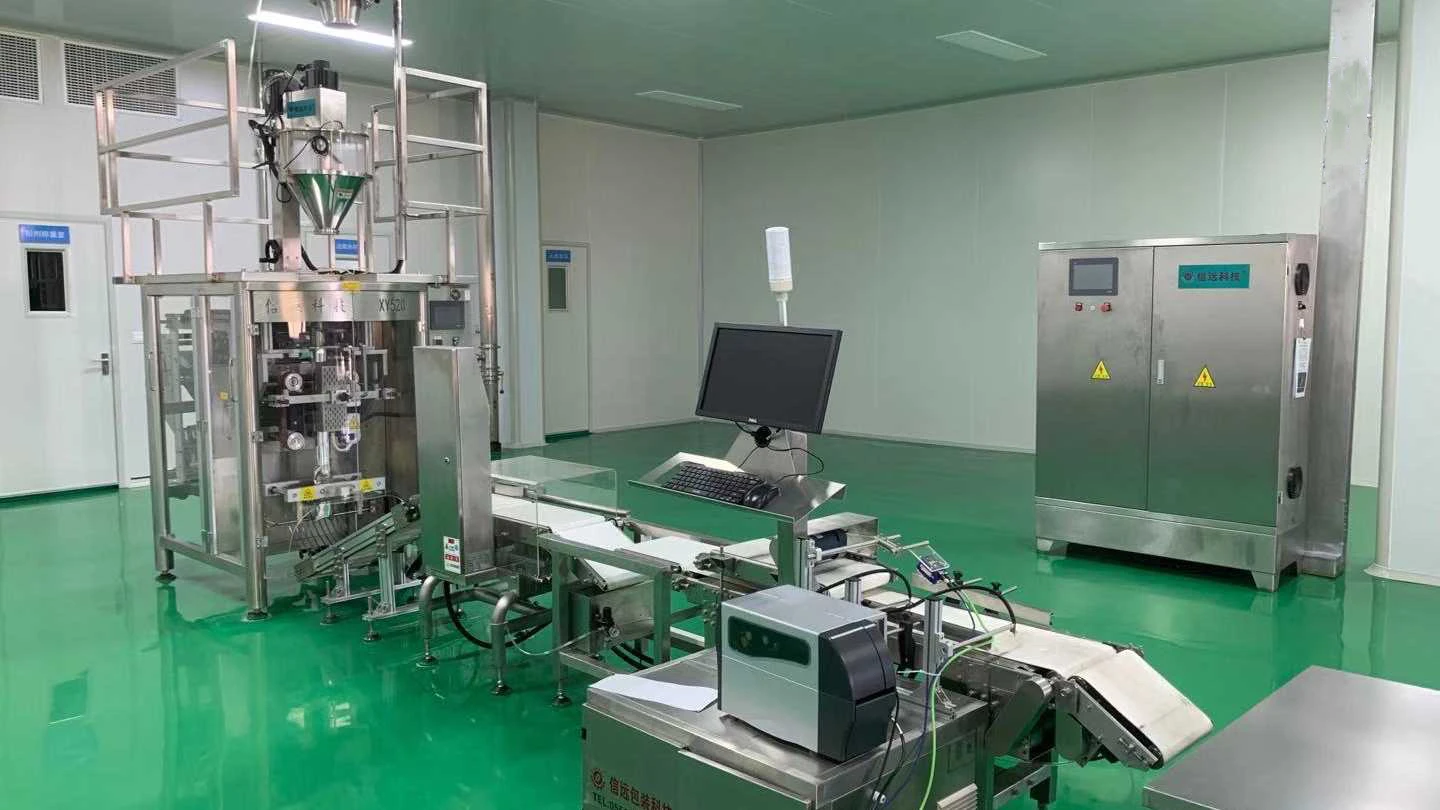
The primary active pharmaceutical ingredient (API), amoxicillin trihydrate, is a semi-synthetic penicillin derived from 6-aminopenicillanic acid. Its physical properties are characterized by a white to off-white crystalline powder, solubility in water, and sensitivity to heat, light, and moisture. Manufacturing begins with fermentation processes utilizing Penicillium chrysogenum to produce the precursor, 6-aminopenicillanic acid. This is then chemically modified to yield amoxicillin. The injectable formulation necessitates sterile manufacturing environments and stringent quality control. Excipients commonly include sodium chloride for isotonicity, water for injection (WFI) as the solvent, and potentially buffering agents like sodium phosphate to maintain pH stability (typically between 7.0 and 8.5). The manufacturing process involves dissolving the amoxicillin trihydrate and excipients in WFI, followed by sterile filtration (typically using 0.22-micron filters) to remove any particulate matter and microorganisms. Aseptic filling into sterile vials or ampoules is then performed under laminar flow hoods. The filled containers undergo lyophilization (freeze-drying) in many cases to enhance stability and shelf life. Parameter control during lyophilization – including freezing rate, primary drying temperature, and secondary drying vacuum – is critical to prevent cake collapse or residual moisture. Container closure integrity testing is paramount to ensure sterility maintenance throughout the product’s lifecycle. Materials used for vials (typically Type I borosilicate glass) and stoppers (typically bromobutyl rubber) must meet stringent biocompatibility standards as defined by USP <665> and relevant pharmacopeias.
Performance & Engineering
The performance of amoxicillin injection is heavily influenced by pharmacokinetic factors. Following intramuscular (IM) or intravenous (IV) administration, amoxicillin exhibits rapid distribution throughout body tissues and fluids. Bioavailability is nearly 100% for IV administration, while IM administration demonstrates slightly lower bioavailability due to absorption kinetics. The volume of distribution is approximately 0.14 L/kg, indicating moderate tissue penetration. Elimination primarily occurs via renal excretion, with a half-life ranging from 60-90 minutes in dogs. Force analysis during injection is minimal, primarily related to the pressure required to administer the solution through a needle. Needle gauge and injection site influence ease of administration and potential for discomfort. Environmental resistance considerations include protection from light and maintaining appropriate storage temperatures (typically 2-8°C) to prevent degradation. Compliance requirements are dictated by veterinary drug regulations established by governing bodies such as the FDA-CVM (in the United States) and EMA (in Europe). These regulations encompass Good Manufacturing Practices (GMP) adherence, rigorous quality control testing, and accurate labeling. Functional implementation relies on correct dosage calculations based on the animal's weight and severity of infection, and appropriate injection technique to ensure optimal drug delivery and minimize adverse reactions.
Technical Specifications
| Parameter | Specification | Test Method | Acceptance Criteria |
|---|---|---|---|
| Amoxicillin Content (Potency) | 90.0% – 110.0% of labeled amount | HPLC-UV | Within specified range |
| Sterility | No microbial growth | USP <71> | Sterile |
| pH | 7.0 – 8.5 | pH Meter | Within specified range |
| Particulate Matter | ≤ 25 particles ≥ 10 μm per mL | USP <788> | ≤ 25 particles ≥ 10 μm per mL |
| Water Content (Loss on Drying) | ≤ 5.0% | Karl Fischer Titration | ≤ 5.0% |
| Endotoxin Levels | ≤ 5.0 EU/mL | LAL Test | ≤ 5.0 EU/mL |
Failure Mode & Maintenance
Potential failure modes for amoxicillin injection include loss of sterility (contamination), degradation of the API, precipitation of amoxicillin, and container closure failures. Sterility loss can occur due to inadequate aseptic technique during manufacturing, compromised container closure integrity, or improper handling post-manufacture. Degradation can result from exposure to excessive heat, light, or moisture, leading to the formation of inactive degradation products. Precipitation can occur if the solution is improperly formulated or stored, particularly at low temperatures. Container closure failures, such as cracked vials or compromised stoppers, can lead to leakage and contamination. Fatigue cracking is not typically a failure mode for the glass vials themselves, but potential stress corrosion cracking could occur under specific, unusual circumstances. Maintenance focuses on proper storage conditions (refrigeration, protection from light) and adherence to recommended handling procedures. Regular visual inspection of vials for cracks or discoloration is crucial. Expiration dates must be strictly observed. In-use, the solution should be used immediately after reconstitution (if applicable) and any unused portion should be discarded. For lyophilized products, proper reconstitution technique (using the recommended diluent and volume) is essential to ensure complete dissolution and prevent particulate formation.
Industry FAQ
Q: What is the impact of varying pH on amoxicillin stability in solution?
A: Amoxicillin stability is highly pH-dependent. At low pH (acidic conditions), amoxicillin undergoes rapid degradation via hydrolysis. Conversely, at high pH (alkaline conditions), degradation is slower but can still occur. The optimal pH range for stability is between 7.0 and 8.5, hence the inclusion of buffering agents in most formulations. Maintaining this pH range minimizes hydrolysis and maximizes the shelf life of the injection.
Q: How do different injection routes (IM vs. IV) affect amoxicillin bioavailability and therapeutic efficacy?
A: Intravenous (IV) administration provides 100% bioavailability, delivering the entire dose directly into the bloodstream for immediate distribution. Intramuscular (IM) administration results in slightly lower bioavailability due to the absorption phase, although it is generally considered clinically equivalent for most indications. IV administration is preferred in critically ill patients or when rapid therapeutic effect is required. IM administration is suitable when IV access is difficult or not necessary.
Q: What analytical methods are used to ensure the purity and potency of amoxicillin injection?
A: High-Performance Liquid Chromatography with Ultraviolet detection (HPLC-UV) is the primary method for determining amoxicillin content (potency). Sterility testing (USP <71>) confirms the absence of viable microorganisms. Endotoxin testing (LAL assay) quantifies the level of bacterial endotoxins. Water content is determined by Karl Fischer titration. Particulate matter analysis (USP <788>) assesses the presence of subvisible particles. pH measurement ensures the formulation is within the specified range.
Q: What considerations are crucial when selecting the appropriate vial and stopper materials for amoxicillin injection?
A: Vial material should be Type I borosilicate glass to minimize leaching of ions and ensure chemical inertness. Stopper material is typically bromobutyl rubber, chosen for its low extractables and compatibility with amoxicillin. Both materials must meet USP <665> requirements for biocompatibility and extractables. Container closure integrity is paramount, and appropriate testing methods (e.g., dye ingress, helium leak testing) should be employed to verify seal integrity.
Q: How does antibiotic resistance impact the clinical effectiveness of amoxicillin, and what strategies can be employed to mitigate resistance development?
A: Increasing antibiotic resistance reduces amoxicillin’s effectiveness by allowing bacteria to survive and proliferate despite drug exposure. Resistance mechanisms include beta-lactamase production (enzymes that break down amoxicillin) and alterations in penicillin-binding proteins. Mitigating resistance requires judicious antibiotic use (using only when necessary), appropriate dosage selection based on susceptibility testing, and adherence to antimicrobial stewardship programs. Combination therapy with a beta-lactamase inhibitor (e.g., clavulanate) can restore activity against beta-lactamase-producing bacteria.
Conclusion
Amoxicillin injection for dogs remains a valuable tool in veterinary medicine for treating bacterial infections, but its effective use necessitates a comprehensive understanding of its material science, manufacturing processes, pharmacokinetic properties, and potential failure modes. Maintaining stringent quality control throughout the manufacturing process, adhering to proper storage and handling procedures, and employing responsible antimicrobial stewardship practices are crucial for ensuring product efficacy and minimizing the development of antibiotic resistance.
Future advancements may focus on developing novel formulations with enhanced stability and bioavailability, exploring alternative routes of administration, and investigating strategies to overcome existing resistance mechanisms. Continued research and development are essential to preserve the clinical utility of amoxicillin and address the evolving challenges posed by antimicrobial resistance in veterinary medicine.
Latest news
Copyright © 2026
Dingzhou Kangquan Pharmaceutical Co., Ltd. All Rights Reserved. Sitemap | Privacy
Policy


