
Apr . 01, 2024 17:55 Back to list
Amoxicillin Injection Use Pharmaceutical Manufacturing

Introduction
Amoxicillin injection is a sterile, injectable formulation of amoxicillin trihydrate, a broad-spectrum beta-lactam antibiotic. Its technical position within the pharmaceutical manufacturing chain lies in the final dosage form stage, requiring stringent quality control and adherence to pharmacopoeial standards. The core performance characteristic is the rapid and reliable delivery of amoxicillin into the systemic circulation, offering a crucial therapeutic intervention for a diverse range of bacterial infections. Unlike oral formulations, injectable amoxicillin bypasses the gastrointestinal tract, ensuring consistent bioavailability, particularly critical in patients unable to tolerate oral medication or experiencing severe infections. The demand for injectable amoxicillin stems from its utility in treating conditions like sepsis, meningitis, pneumonia, and complicated urinary tract infections where rapid therapeutic effect and high serum concentrations are paramount. Furthermore, it’s a pivotal option when oral administration is impractical due to patient status, such as post-operative scenarios or compromised immune function. Maintaining sterility and precise dosage are paramount concerns in its production and application, driving ongoing advancements in formulation and delivery systems.
Material Science & Manufacturing
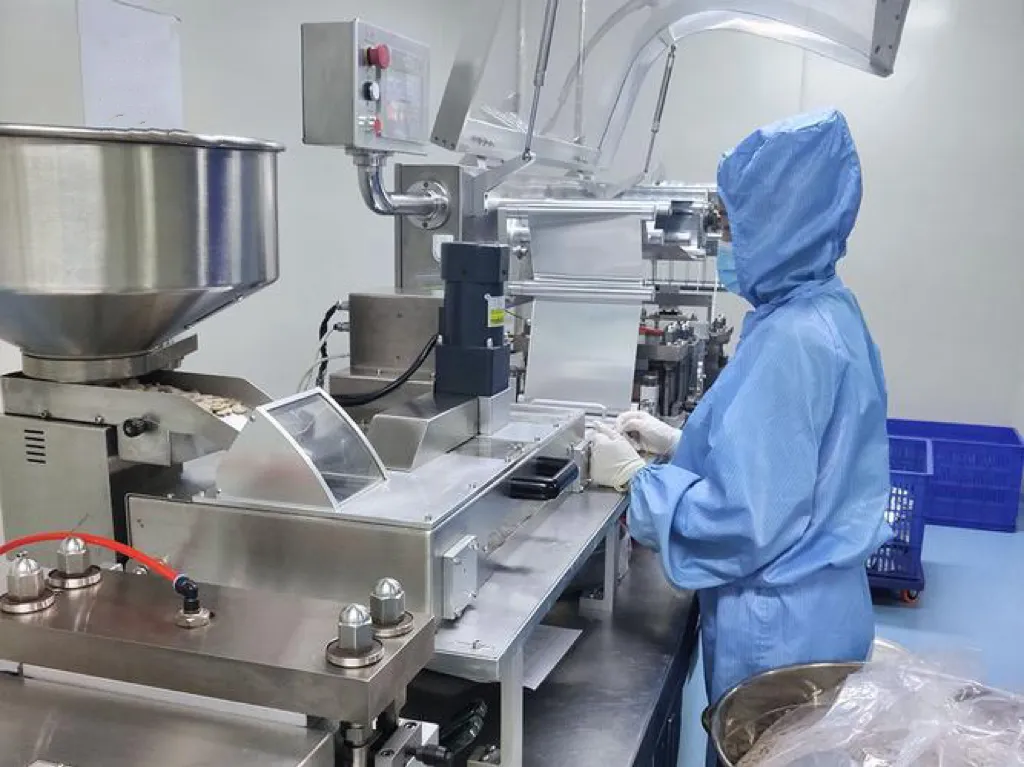
The primary raw material, amoxicillin trihydrate (C16H19N3O5S·3H2O), is a semi-synthetic penicillin derivative synthesized through chemical modification of 6-aminopenicillanic acid (6-APA). The manufacturing process begins with fermentation of Penicillium chrysogenum to produce 6-APA. This is followed by acylation with D-(-)-p-hydroxyphenylglycine, resulting in amoxicillin. Further processing yields amoxicillin trihydrate. Excipients, such as sodium chloride for isotonicity adjustment and buffering agents like sodium phosphate, are crucial for formulation stability and biocompatibility. The injection is manufactured under aseptic conditions in a cleanroom environment, utilizing validated sterilization methods – typically filtration through 0.22 μm filters followed by aseptic filling into pre-sterilized vials or ampoules. Key parameter control involves pH monitoring (typically between 7.0 and 8.0), ensuring complete dissolution of amoxicillin, and maintaining a particulate matter count within pharmacopoeial limits. Lyophilization (freeze-drying) is often employed to enhance long-term stability, requiring precise temperature and pressure control during the sublimation process. The glass composition of the vial is also critical; Type I borosilicate glass is preferred due to its low leachables and chemical inertness. Container closure integrity testing, utilizing techniques like dye ingress and helium leak testing, is mandatory to guarantee sterility preservation throughout the product’s shelf life. The manufacturing process must adhere to Good Manufacturing Practices (GMP) guidelines, ensuring traceability and reproducibility.
Performance & Engineering
The performance of amoxicillin injection hinges on its pharmacokinetic and pharmacodynamic properties. Following intravenous or intramuscular administration, amoxicillin exhibits rapid distribution into body tissues. Its peak plasma concentration (Cmax) and time to reach peak concentration (Tmax) are dependent on the dosage and route of administration. Renal excretion is the primary elimination pathway, with a half-life ranging from 60-75 minutes in individuals with normal renal function. Engineering considerations focus on optimizing drug delivery and maintaining sterility. Vial and stopper designs must prevent particulate matter generation and ensure effective sealing. The choice of needle gauge and injection rate impact patient comfort and minimize local tissue irritation. Furthermore, compatibility with intravenous fluids must be evaluated to prevent precipitation or degradation of amoxicillin. Environmental resistance is assessed through stability studies conducted under various temperature and humidity conditions, adhering to ICH guidelines. Compliance requirements are stringent, dictated by regulatory bodies like the FDA (US), EMA (Europe), and PMDA (Japan). These regulations mandate rigorous testing for sterility, pyrogenicity, potency, and impurity profiles. Formulation engineers address potential issues like drug degradation through the incorporation of stabilizers and pH adjusters, aiming to maximize shelf life while maintaining therapeutic efficacy. Force analysis, particularly in the context of the vial-stopper system, evaluates the mechanical strength required to withstand transportation and handling stresses.
Technical Specifications
| Parameter | Specification (Typical) | Test Method | Pharmacopoeial Compliance |
|---|---|---|---|
| Amoxicillin Potency (Dried Basis) | 90.0% - 110.0% | HPLC | USP, EP, BP |
| Sterility | No growth observed | USP <71> Sterility Tests | USP, EP, BP |
| Pyrogenicity | <0.5 EU/mL | LAL Test | USP, EP, BP |
| pH | 7.0 - 8.0 | Potentiometry | USP, EP, BP |
| Particulate Matter | <20 particles/mL ≥ 10 μm | Microscopic Particle Count | USP <788> |
| Water Content | <3.0% | Karl Fischer Titration | USP, EP, BP |
Failure Mode & Maintenance
Potential failure modes of amoxicillin injection include sterility loss, potency degradation, particulate matter contamination, and vial-stopper failure. Sterility loss can occur due to compromised aseptic technique during manufacturing, defective container closure integrity, or microbial contamination post-packaging. Potency degradation can result from hydrolysis, oxidation, or photolytic decomposition, accelerated by exposure to heat, moisture, or light. Particulate matter can originate from the drug substance, excipients, manufacturing process (e.g., filter breakage), or glass delamination. Vial-stopper failure, encompassing cracking, chipping, or loss of seal, compromises sterility and can lead to leakage. Maintenance primarily focuses on strict adherence to GMP guidelines, including rigorous environmental monitoring, personnel training, and equipment validation. Regular stability testing is critical to monitor drug potency and identify degradation products. Proper storage conditions – typically refrigerated at 2-8°C and protected from light – are essential to maximize shelf life. Visual inspection of vials prior to use is recommended to identify cracks, discoloration, or particulate matter. In cases of suspected contamination or degradation, the product should be quarantined and investigated thoroughly. Correct handling procedures, including appropriate aseptic technique during reconstitution and administration, are crucial to prevent inadvertent contamination. Traceability through batch numbering and record-keeping enables prompt recall in the event of a quality defect.
Industry FAQ
Q: What is the significance of endotoxin levels in amoxicillin injection, and how are they controlled?
A: Endotoxins, released from Gram-negative bacteria, are potent pyrogens that can cause fever and shock in patients. Stringent control of endotoxin levels is paramount. This is achieved through the use of depyrogenated water for injection, filtration through specialized endotoxin-removing filters (typically 0.22 μm with positively charged membranes), and routine testing using the Limulus Amebocyte Lysate (LAL) assay. Specifications typically require endotoxin levels to be below 0.5 EU/mL, aligning with pharmacopoeial requirements.
Q: How does the choice of vial material (glass type) impact the stability of amoxicillin injection?
A: The glass composition significantly influences stability. Type I borosilicate glass is preferred due to its low alkali content, minimizing leachables that can interact with amoxicillin and promote degradation. Type II and Type III glasses have higher alkali content and are less suitable. The glass surface is also treated to minimize particulate matter generation. Compatibility studies are performed to assess the potential for drug-glass interaction.
Q: What analytical methods are used to confirm the identity and purity of amoxicillin in the injectable formulation?
A: High-Performance Liquid Chromatography (HPLC) with UV detection is the primary method for determining amoxicillin potency and identifying degradation products. Infrared (IR) spectroscopy confirms the identity of the drug substance. Mass spectrometry (MS) provides structural confirmation and detects trace impurities. Thin-Layer Chromatography (TLC) can be used for qualitative assessment of purity. Residual solvent analysis is performed using Gas Chromatography (GC).
Q: What considerations are given to the reconstitution process of lyophilized amoxicillin injection?
A: Lyophilized amoxicillin requires reconstitution with a compatible diluent (typically sterile water for injection or 0.9% sodium chloride solution). The reconstitution process must be performed under aseptic conditions. The diluent volume and mixing technique are critical to ensure complete dissolution and achieve the correct final concentration. The reconstituted solution should be used immediately or within a specified timeframe to maintain potency and sterility.
Q: How are container closure integrity issues addressed during manufacturing and quality control?
A: Container closure integrity (CCI) is assessed through a combination of methods. Helium leak testing measures the rate of helium diffusion through the stopper, indicating potential leak pathways. Dye ingress testing uses a colored dye to detect breaches in the stopper seal. High-voltage leak testing detects microscopic cracks. Visual inspection for stopper defects (e.g., cracks, chips) is also performed. Statistical sampling plans are implemented to ensure representative testing of each batch.
Conclusion
Amoxicillin injection remains a cornerstone in the treatment of severe bacterial infections, requiring a multifaceted approach to manufacturing and quality control. Its efficacy is predicated on maintaining sterility, potency, and optimal pharmacokinetic properties. The manufacturing process demands adherence to stringent GMP guidelines, precise parameter control, and comprehensive analytical testing. Ongoing advancements in formulation technology, container-closure systems, and analytical techniques are crucial to address evolving regulatory requirements and enhance product stability.
Ultimately, successful implementation of amoxicillin injection relies on a holistic understanding of its material science, manufacturing intricacies, and potential failure modes. Continuous monitoring, rigorous quality assurance protocols, and proactive maintenance strategies are indispensable to ensure patient safety and therapeutic efficacy. Future developments may focus on novel delivery systems and combination therapies to overcome antibiotic resistance and improve clinical outcomes.
Latest news
Copyright © 2026
Dingzhou Kangquan Pharmaceutical Co., Ltd. All Rights Reserved. Sitemap | Privacy
Policy


