
Apr . 01, 2024 17:55 Back to list
Anti inflammatory for pigs Formulation Performance
Introduction
Anti-inflammatory agents for swine represent a critical component of modern veterinary medicine, addressing a broad spectrum of conditions from post-surgical recovery and musculoskeletal disorders to infectious diseases and systemic inflammatory response syndrome (SIRS). These agents function to mitigate the physiological processes that lead to inflammation – a protective, yet potentially damaging, response to tissue injury or infection. The primary classes employed in swine medicine include non-steroidal anti-inflammatory drugs (NSAIDs), corticosteroids, and more recently, targeted biologics. Their strategic application requires a thorough understanding of their pharmacological profiles, potential adverse effects, and regulatory considerations within the swine production system. This guide will detail the material science behind common formulations, manufacturing processes, performance characteristics, potential failure modes, and relevant industry standards pertaining to anti-inflammatory treatments for swine.
Material Science & Manufacturing
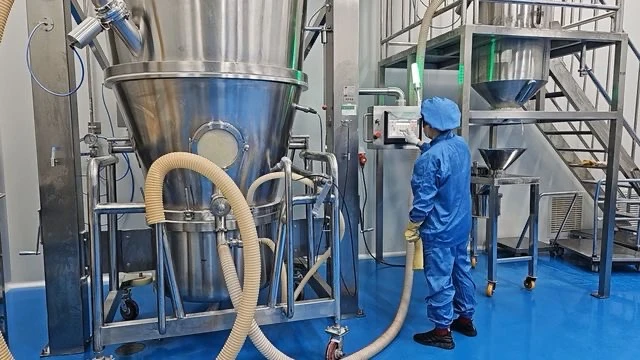
The formulation of anti-inflammatory drugs for pigs often involves a complex interplay of active pharmaceutical ingredients (APIs) and excipients. Common APIs include flunixin meglumine, meloxicam, and dexamethasone. Flunixin meglumine, a potent NSAID, is typically synthesized from 2-chlorobenzoic acid, requiring stringent control of reaction parameters like temperature, pH, and catalyst concentration to ensure high purity and yield. Meloxicam, another NSAID, is often produced through multi-step organic synthesis involving heterocyclic chemistry. Corticosteroids like dexamethasone rely on steroidal structures obtained through fermentation or semi-synthesis from plant sterols. Excipients play a critical role in drug delivery and stability. Microcrystalline cellulose (MCC), lactose monohydrate, and magnesium stearate are frequently used as fillers, binders, and lubricants, respectively. Manufacturing processes vary based on the desired dosage form. Oral pastes require precise mixing of API, excipient blend, and humectants to achieve desired viscosity and palatability. Injectable solutions necessitate sterile filtration and aseptic filling to maintain sterility. Lyophilization (freeze-drying) is employed to enhance the stability of certain formulations. Parameter control during manufacturing – particularly temperature, humidity, mixing speed, and particle size – is paramount to ensure product uniformity, bioavailability, and shelf-life. The raw materials must conform to United States Pharmacopeia (USP) or European Pharmacopoeia (EP) standards for purity and identification.

Performance & Engineering
The performance of anti-inflammatory drugs in swine is dictated by pharmacokinetic (PK) and pharmacodynamic (PD) principles. PK parameters, including absorption, distribution, metabolism, and excretion (ADME), determine the drug’s concentration in target tissues over time. Bioavailability is a crucial factor, particularly for oral formulations, and is influenced by factors like gastric pH, intestinal motility, and first-pass metabolism in the liver. Distribution is affected by protein binding and tissue perfusion. Metabolism primarily occurs in the liver via cytochrome P450 enzymes. Excretion occurs through both renal and biliary pathways. PD parameters relate the drug concentration to its effect. NSAIDs inhibit cyclooxygenase (COX) enzymes, reducing prostaglandin synthesis and thereby suppressing inflammation and pain. Corticosteroids modulate the immune response by suppressing the production of inflammatory cytokines. Engineering considerations focus on optimizing drug delivery. Injectable formulations require careful formulation to ensure appropriate viscosity and injection site tolerance. Sustained-release formulations are being developed to extend the duration of action and reduce the frequency of administration. Environmental resistance is important for storage and transport; maintaining temperature control is crucial to prevent degradation. Compliance requirements, as set forth by veterinary regulatory agencies, mandate rigorous quality control testing and adherence to Good Manufacturing Practices (GMP).
Technical Specifications
| API Purity (HPLC) | Formulation Viscosity (cP) | pH (1% Solution) | Water Content (% w/w) |
|---|---|---|---|
| >99.5% | 2000-6000 | 6.0-7.5 | <5.0 |
| >98.0% | 1500-4500 | 5.5-8.0 | <6.0 |
| >99.0% | 3000-7000 | 6.5-7.8 | <4.5 |
| >97.5% | 1800-5000 | 5.8-7.2 | <5.5 |
| >99.2% | 2200-6500 | 6.2-7.6 | <4.8 |
| >98.5% | 1700-4800 | 5.7-7.9 | <5.8 |
Failure Mode & Maintenance
Several failure modes can compromise the efficacy and safety of anti-inflammatory drugs for swine. Degradation of the API due to exposure to light, heat, or moisture is a common concern, leading to reduced potency. Physical instability, such as phase separation or sedimentation in liquid formulations, can affect dose uniformity. Microbial contamination is a significant risk for injectable products, potentially causing localized infections or systemic sepsis. Packaging failures, like cracked vials or compromised seals, can lead to product leakage and contamination. Incomplete drug delivery, resulting from improper administration technique (e.g., subcutaneous injection instead of intramuscular), can reduce efficacy. Pharmacoresistance, although less common with anti-inflammatory drugs than with antibiotics, can develop over time with prolonged use. Maintenance strategies include strict adherence to storage recommendations (temperature, humidity, light protection), regular quality control testing to monitor API potency and impurity levels, and implementation of robust aseptic processing techniques during manufacturing. Proper training of personnel in drug administration is crucial. Monitoring for adverse effects and reporting any suspected failures to regulatory authorities is essential for maintaining product safety and efficacy.
Industry FAQ
Q: What are the key considerations when selecting an NSAID versus a corticosteroid for treating inflammation in swine?
A: NSAIDs are generally preferred for short-term management of acute inflammation and pain, such as post-surgical discomfort or musculoskeletal injuries. They have a relatively rapid onset of action and a lower risk of immunosuppression compared to corticosteroids. Corticosteroids are more potent anti-inflammatory agents and are typically reserved for chronic inflammatory conditions or situations where a strong immunosuppressive effect is desired. However, their use is associated with a higher risk of adverse effects, including immunosuppression, hyperglycemia, and adrenal suppression. Careful consideration of the specific clinical scenario and potential risks and benefits is essential.
Q: How does formulation impact the bioavailability of orally administered anti-inflammatory drugs in pigs?
A: Formulation significantly impacts bioavailability. Particle size reduction can increase dissolution rate and absorption. The inclusion of excipients like surfactants can enhance drug solubility and permeability across the intestinal membrane. Coating the drug with a protective layer can prevent degradation in the stomach. Furthermore, the formulation must be palatable to ensure adequate consumption by the pigs.
Q: What are the withdrawal times associated with different anti-inflammatory drugs used in swine production?
A: Withdrawal times vary significantly depending on the drug, dosage, and regulatory jurisdiction. Flunixin meglumine typically has a withdrawal time of 7 days for muscle tissue, while meloxicam has a longer withdrawal time, often around 14-21 days. Corticosteroids often have extended withdrawal times due to their potential for tissue residue. Producers must strictly adhere to established withdrawal times to ensure that meat products are safe for human consumption. Always consult the product label and local regulatory guidelines.
Q: What quality control tests are essential to ensure the stability and potency of anti-inflammatory injectable solutions?
A: Essential quality control tests include sterility testing to confirm the absence of microbial contamination, potency assays (e.g., HPLC) to quantify the API concentration, pH measurements, particulate matter analysis, and visual inspection for clarity and color. Stability studies, conducted under various temperature and humidity conditions, are crucial to determine the shelf-life of the product.
Q: What are the potential adverse effects of long-term NSAID use in swine?
A: Long-term NSAID use can increase the risk of gastrointestinal ulceration, renal papillary necrosis, and decreased platelet function. Monitoring for clinical signs of these adverse effects, such as blood in the feces or decreased appetite, is essential. Prophylactic use of gastroprotectants may be considered in some cases.
Conclusion
The effective utilization of anti-inflammatory agents in swine requires a comprehensive understanding of their underlying material science, manufacturing nuances, performance characteristics, and potential failure modes. Precise control over raw material purity, manufacturing parameters, and formulation development are critical to ensure product efficacy, safety, and stability. Industry best practices, coupled with adherence to stringent regulatory standards, are vital for mitigating risks and optimizing animal health outcomes.
Future developments in this field will likely focus on novel drug delivery systems, such as nanoformulations and targeted therapies, designed to enhance bioavailability, reduce adverse effects, and improve treatment outcomes. Continued research into the pathophysiology of inflammation in swine will also be crucial for identifying new therapeutic targets and developing more effective anti-inflammatory strategies.
Latest news
Copyright © 2026
Dingzhou Kangquan Pharmaceutical Co., Ltd. All Rights Reserved. Sitemap | Privacy
Policy


