
Apr . 01, 2024 17:55 Back to list
Antibiotic Chicken Respiratory Infection Performance Engineering

Introduction
Antibiotic treatment of chicken respiratory disease (CRD), primarily caused by Mycoplasma gallisepticum and Mycoplasma synoviae, represents a critical component of modern poultry management. CRD manifests as sinusitis, airsacculitis, and pneumonia, significantly impacting broiler growth rates, feed conversion ratios, and layer egg production. While antibiotics offer effective control, increasing antimicrobial resistance (AMR) necessitates a nuanced understanding of antibiotic classes, application strategies, and alternative preventative measures. This guide provides an in-depth technical analysis of antibiotic usage in CRD management, covering bacterial pathogenesis, antibiotic mechanisms of action, resistance development, regulatory considerations, and emerging technologies for disease control. The core industry pain points surrounding antibiotic usage are threefold: maintaining efficacy in the face of AMR, meeting increasingly stringent consumer demand for antibiotic-free poultry products, and navigating complex regulatory landscapes governing antibiotic usage in food animals. Understanding the interplay of these factors is crucial for sustainable poultry production.
Material Science & Manufacturing
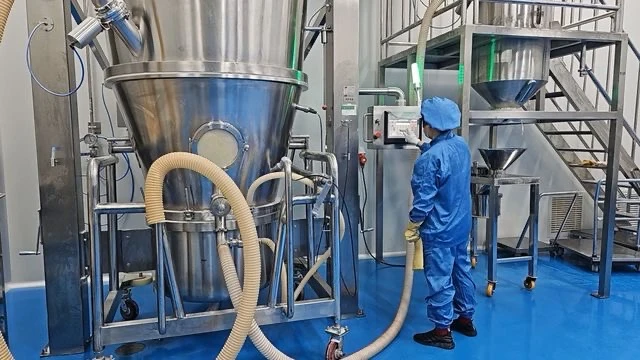
The 'manufacturing' aspect in this context pertains to the formulation and delivery of antibiotics to chickens, a field heavily reliant on pharmaceutical chemistry and formulation science. Antibiotics used for CRD are typically administered via drinking water, feed, or subcutaneous injection. Tetracyclines, macrolides (e.g., tylosin, erythromycin), and fluoroquinolones (restricted use) are commonly employed. The physical properties of these compounds – solubility, particle size, and stability – are critical for effective delivery. For water-soluble antibiotics like tetracyclines, maintaining consistent concentration in the water supply is paramount, requiring careful monitoring of water quality (pH, mineral content) to prevent precipitation or degradation. Feed-grade antibiotics are often microencapsulated to protect them from degradation during feed processing (pelleting) and storage, as well as to control their release in the chicken’s digestive tract. Microencapsulation utilizes polymers such as ethylcellulose or modified starches, with particle size influencing bioavailability. The chemical compatibility of antibiotics with other feed ingredients (vitamins, minerals) must be considered to avoid antagonistic interactions. Manufacturing quality control focuses on accurate dosage, uniform distribution within the carrier (water or feed), and the absence of contaminants. Raw material sourcing and adherence to Good Manufacturing Practices (GMP) are essential to ensure product efficacy and safety. Furthermore, the stability of the antibiotic under varying storage conditions (temperature, humidity) dictates shelf life and necessitates robust packaging solutions, often utilizing moisture-resistant materials.
Performance & Engineering
Antibiotic efficacy in CRD treatment is governed by pharmacokinetic (PK) and pharmacodynamic (PD) principles. PK describes the absorption, distribution, metabolism, and excretion of the antibiotic within the chicken’s body. PD relates the antibiotic concentration at the target site (lungs, air sacs) to its antimicrobial effect. Achieving optimal PK/PD parameters is crucial for maximizing treatment success and minimizing the development of resistance. Factors influencing PK include route of administration, dosage, age and weight of the chicken, and gut microbiome composition. For example, tetracyclines exhibit poor penetration into lung tissue compared to macrolides. Engineering considerations involve optimizing antibiotic formulations to enhance bioavailability and tissue distribution. This may involve nanoparticle-based delivery systems or prodrug strategies. Environmental resistance is another critical factor. Antibiotics excreted in chicken manure can persist in the environment, contributing to AMR gene spread. Manure management practices – composting, anaerobic digestion – can mitigate this risk by degrading antibiotics and reducing bacterial load. Compliance requirements, particularly regarding withdrawal times, are strictly enforced to prevent antibiotic residues in poultry meat and eggs. Regulatory agencies (FDA, EFSA) establish maximum residue limits (MRLs) and conduct residue monitoring programs. Force analysis, in the context of respiratory function, demonstrates how CRD impacts gas exchange efficiency, leading to reduced weight gain and increased mortality. Antibiotic treatment aims to restore normal respiratory function by reducing bacterial load and inflammation.
Technical Specifications
| Antibiotic Class | Primary Target Bacteria (CRD) | Route of Administration | Typical Dosage (mg/kg BW/day) |
|---|---|---|---|
| Tetracyclines (e.g., Chlortetracycline) | Mycoplasma gallisepticum, Mycoplasma synoviae | Drinking Water, Feed | 20-50 |
| Macrolides (e.g., Tylosin) | Mycoplasma gallisepticum, Mycoplasma synoviae, Pasteurella multocida | Drinking Water, Feed | 10-20 |
| Fluoroquinolones (e.g., Enrofloxacin) | Mycoplasma gallisepticum, Mycoplasma synoviae, Gram-negative bacteria | Drinking Water, Subcutaneous Injection | 5-10 (restricted use) |
| Lincomycin | Mycoplasma gallisepticum, Mycoplasma synoviae | Drinking Water, Feed | 10-15 |
| Tilmicosin | Mycoplasma gallisepticum, Mycoplasma synoviae, Pasteurella multocida | Drinking Water, Feed | 5-10 |
| Spectinomycin | Mycoplasma gallisepticum, Mycoplasma synoviae | Drinking Water, Subcutaneous Injection | 15-30 |
Failure Mode & Maintenance
Antibiotic failure in CRD management can manifest in several ways. Primary failure occurs when the antibiotic is ineffective from the outset, typically due to pre-existing resistance. Secondary failure arises when the antibiotic initially controls the infection but efficacy wanes over time, signaling the emergence of resistance. Common failure modes include: (1) Biofilm formation: Mycoplasma can form biofilms in the respiratory tract, shielding bacteria from antibiotic penetration. (2) Efflux pumps: Bacteria develop efflux pumps that actively expel antibiotics, reducing intracellular concentrations. (3) Target site modification: Mutations in bacterial genes encoding antibiotic targets alter the binding affinity, diminishing efficacy. (4) Beta-lactamase production (less common in Mycoplasma but relevant for secondary bacterial infections). Maintenance strategies to mitigate these failures include: (1) Antibiotic rotation: Cycling between different antibiotic classes can slow the development of resistance. (2) Combination therapy: Using multiple antibiotics with different mechanisms of action can broaden the spectrum of activity and reduce the likelihood of resistance emergence. (3) Improved biosecurity: Reducing infection pressure minimizes antibiotic usage and the selection for resistant strains. (4) Prophylactic measures: Vaccination and improved ventilation can enhance immune function and reduce susceptibility to CRD. (5) Regular susceptibility testing: Monitoring antibiotic resistance patterns allows for informed treatment decisions. (6) Proper withdrawal time adherence to prevent residue buildup and further resistance development.
Industry FAQ
Q: What is the role of antibiotic stewardship in CRD management?
A: Antibiotic stewardship encompasses a set of practices aimed at optimizing antibiotic use to improve patient health outcomes, reduce AMR, and minimize costs. In the context of CRD, this involves implementing diagnostic testing to confirm Mycoplasma infection before initiating antibiotic treatment, selecting the most appropriate antibiotic based on susceptibility testing, using the lowest effective dose for the shortest duration, and implementing preventative measures to reduce disease incidence. A robust stewardship program requires collaboration between veterinarians, poultry producers, and regulatory agencies.
Q: How do alternative therapies compare to antibiotics for CRD control?
A: Alternatives include vaccination, probiotics, prebiotics, phytogenic feed additives (PFAs), and improved biosecurity measures. Vaccination can provide long-term protection against Mycoplasma infection, but efficacy varies depending on the strain and vaccination protocol. Probiotics and prebiotics can modulate gut microbiome composition, enhancing immune function. PFAs, derived from plants, possess antimicrobial and anti-inflammatory properties. However, these alternatives often provide incomplete control of CRD and are best used as part of an integrated approach alongside antibiotics, with the goal of reducing antibiotic dependence.
Q: What are the regulatory considerations regarding antibiotic use in poultry production in the US and EU?
A: The US FDA and EU EMA have implemented stricter regulations on antibiotic use in food animals. In the US, medically important antibiotics require veterinary oversight and are prohibited for growth promotion. The EU has banned the prophylactic use of antibiotics and prioritizes preventative measures. Both regions emphasize responsible antibiotic usage and monitor AMR trends. Traceability of antibiotic usage is increasingly important for regulatory compliance.
Q: What is the impact of the gut microbiome on antibiotic efficacy in CRD?
A: The gut microbiome plays a crucial role in modulating immune function and influencing antibiotic metabolism. Dysbiosis (imbalance in the gut microbiome) can compromise immune defense and alter antibiotic bioavailability. Antibiotic treatment itself can disrupt the gut microbiome, creating a vicious cycle. Strategies to restore gut microbiome health, such as probiotic supplementation, can enhance antibiotic efficacy and reduce the risk of secondary infections.
Q: How can we effectively monitor antibiotic resistance in Mycoplasma strains causing CRD?
A: Regular susceptibility testing is essential. This involves collecting samples from infected chickens and determining the minimum inhibitory concentration (MIC) of various antibiotics against the isolated Mycoplasma strains. Whole-genome sequencing can identify specific resistance genes and track the evolution of resistance patterns. National surveillance programs, such as those conducted by the USDA and EFSA, provide valuable data on AMR trends.
Conclusion
Effective management of antibiotic chicken respiratory infection requires a multifaceted approach grounded in a deep understanding of bacterial pathogenesis, antibiotic pharmacology, and resistance mechanisms. The industry faces increasing pressure to reduce antibiotic reliance while maintaining poultry health and productivity. Optimizing antibiotic usage through stewardship programs, exploring alternative therapies, and implementing robust biosecurity measures are crucial steps towards achieving sustainable poultry production.
Future research should focus on developing novel vaccines, identifying alternative antimicrobial compounds, and harnessing the power of the gut microbiome to enhance immune function. Continued monitoring of antibiotic resistance trends and collaboration between stakeholders will be essential to navigate the evolving challenges of CRD management and safeguard the long-term health of poultry populations.
Latest news
Copyright © 2026
Dingzhou Kangquan Pharmaceutical Co., Ltd. All Rights Reserved. Sitemap | Privacy
Policy


