
Apr . 01, 2024 17:55 Back to list
Antibiotic for chicken respiratory illness Performance Analysis

Introduction
Antibiotics for chicken respiratory illness represent a critical component of modern poultry management, addressing a complex spectrum of bacterial infections affecting avian respiratory systems. These illnesses, encompassing conditions like infectious coryza, mycoplasmosis (CRD), and bacterial pneumonias, pose significant economic threats to the poultry industry due to decreased weight gain, reduced egg production, and increased mortality. The strategic application of antibiotics, however, is increasingly scrutinized due to the growing concern of antimicrobial resistance (AMR). This guide provides a comprehensive technical overview of antibiotics used in poultry, encompassing their mechanisms of action, formulation considerations, resistance profiles, and regulatory compliance requirements, aiming to equip industry professionals with the knowledge necessary for responsible and effective disease management.
Material Science & Manufacturing
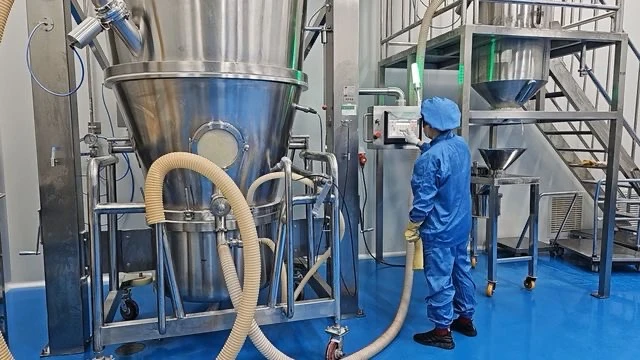
The production of antibiotics for poultry involves complex processes spanning fermentation, chemical synthesis, and formulation. Many commonly used antibiotics, such as tetracyclines and macrolides, are initially produced via large-scale fermentation using strains of Streptomyces or other microorganisms. This fermentation process demands stringent control of parameters like temperature (typically 26-30°C), pH (6.5-7.5), dissolved oxygen levels (above 30%), and nutrient availability (carbon sources, nitrogen sources, trace elements). Downstream processing involves solvent extraction, purification using chromatography, and crystallization to achieve pharmaceutical grade purity. Semi-synthetic antibiotics, like amoxicillin, are created by chemically modifying naturally produced molecules. Formulation is critical, impacting bioavailability and administration. Premixes, incorporating the antibiotic with carriers like cornstarch, soybean meal, or calcium carbonate, facilitate even distribution in feed. Soluble powders are designed for water administration, requiring excipients to ensure stability and palatability. Injectable formulations necessitate sterile manufacturing environments and biocompatible carriers. The physical properties of the final product – particle size, flowability, and dissolution rate – are rigorously controlled through techniques like milling, granulation, and coating. Chemical compatibility studies are essential to prevent degradation during storage and ensure the antibiotic remains effective throughout its shelf life. Impurities, arising from fermentation byproducts or synthetic processes, are meticulously monitored and must fall within pharmacopoeial limits (USP, EP, BP).
Performance & Engineering
The efficacy of antibiotics in treating chicken respiratory illness is contingent upon several pharmacokinetic and pharmacodynamic (PK/PD) factors. PK describes the absorption, distribution, metabolism, and excretion (ADME) of the drug within the chicken's body. Bioavailability, particularly via oral administration, is often limited due to factors like gut pH, feed interactions, and first-pass metabolism in the liver. Distribution is impacted by the antibiotic's lipophilicity and protein binding. Target tissue concentrations – lung, sinuses, air sacs – are paramount for effective pathogen eradication. PD concerns the drug’s effect on the pathogen. Minimum Inhibitory Concentration (MIC) testing determines the lowest antibiotic concentration that inhibits visible bacterial growth. The area under the concentration-time curve (AUC) to MIC ratio is a key PK/PD parameter predicting treatment success. Engineering considerations include optimizing dosage regimens to achieve supra-MIC concentrations for an adequate duration. Environmental resistance factors also play a role; high stocking densities, poor ventilation, and stress can compromise the immune system and reduce antibiotic efficacy. Furthermore, water quality when using water-soluble formulations must be assessed, as high mineral content or pH fluctuations can degrade the antibiotic. Resistance development requires careful monitoring through routine susceptibility testing of bacterial isolates, and adherence to responsible antibiotic stewardship programs is crucial to prolong the effectiveness of available drugs.
Technical Specifications
| Antibiotic Class | Common Drug (Example) | Spectrum of Activity | Administration Route | Typical Dosage (mg/kg BW) | Withdrawal Period (days) |
|---|---|---|---|---|---|
| Tetracyclines | Tetracycline | Broad spectrum (Mycoplasma, Pasteurella, E. coli) | Oral (Feed/Water) | 10-20 | 7-14 |
| Macrolides | Tylosin | Mycoplasma, Pasteurella, some Gram-positives | Oral (Feed/Water) | 5-10 | 7 |
| Penicillins | Amoxicillin | Pasteurella, E. coli, some Gram-positives | Oral (Water), Injectable | 10-20 (Oral), 5-10 (Injectable) | 3-7 |
| Fluoroquinolones | Enrofloxacin | Broad spectrum, including resistant strains | Oral (Water), Injectable | 5-10 (Oral), 1-5 (Injectable) | 7-14 |
| Sulfonamides | Sulfamethazine | Gram-positive and Gram-negative bacteria | Oral (Feed/Water) | 20-40 | 5-7 |
| Lincosamides | Lincomycin | Mycoplasma, Pasteurella, some Gram-positives | Oral (Feed/Water), Injectable | 10-20 (Oral), 2-5 (Injectable) | 7 |
Failure Mode & Maintenance
Antibiotic failure in poultry can manifest through several mechanisms. Development of antimicrobial resistance (AMR) is a primary concern. This arises from selective pressure, where susceptible bacteria are eliminated, allowing resistant strains to proliferate. Horizontal gene transfer facilitates the spread of resistance genes. Sub-therapeutic dosing or incomplete treatment courses exacerbate AMR. Another failure mode is reduced bioavailability, stemming from feed interactions (e.g., calcium binding to tetracyclines), degradation in water, or poor absorption due to gut health issues. Formulation instability, such as hydrolysis of beta-lactam antibiotics, can render the drug ineffective. Incorrect diagnosis of the causative agent – treating a viral infection with an antibiotic – leads to treatment failure and unnecessary antibiotic exposure. Poor compliance with withdrawal periods results in drug residues in meat and eggs, posing a food safety hazard. Maintenance involves implementing robust biosecurity measures to prevent infection, optimizing ventilation and litter management to reduce ammonia levels and improve air quality, and employing diagnostic tools (PCR, culture and sensitivity testing) to accurately identify pathogens. Regular monitoring of antibiotic susceptibility patterns is crucial. Rotation of antibiotic classes and combination therapies can help slow the development of resistance. Prophylactic antibiotic use should be minimized and replaced with preventative strategies like vaccination and improved hygiene.
Industry FAQ
Q: What is the primary driver of antibiotic resistance in poultry production?
A: The primary driver is the selective pressure exerted by antibiotic use. When antibiotics are used, susceptible bacteria are killed, leaving behind resistant strains that can then proliferate. The overuse and misuse of antibiotics, including sub-therapeutic doses and incomplete treatment courses, significantly accelerate this process. Horizontal gene transfer, where resistance genes are shared between bacteria, further amplifies the spread of resistance.
Q: How do feed composition and water quality impact antibiotic bioavailability?
A: Feed composition significantly influences bioavailability. Certain feed ingredients, like calcium, can bind to antibiotics (e.g., tetracyclines), reducing their absorption in the gut. High fiber content can also interfere with absorption. Water quality is critical for water-soluble formulations. High mineral content, pH fluctuations, and the presence of organic matter can degrade the antibiotic, rendering it less effective. Biofilms within water lines can also sequester antibiotics.
Q: What diagnostic tests are essential for guiding antibiotic therapy in respiratory disease outbreaks?
A: Essential diagnostic tests include bacterial culture and sensitivity testing to identify the causative pathogen and determine its antibiotic susceptibility profile. PCR (Polymerase Chain Reaction) can rapidly detect specific pathogens, even in mixed infections. Histopathology can assess lung lesions and inflammation. Serological tests can help determine if the outbreak is caused by a specific viral or bacterial agent, though they don’t assess antibiotic sensitivity.
Q: What are the key considerations regarding antibiotic withdrawal periods?
A: Antibiotic withdrawal periods are legally mandated to ensure that no harmful drug residues remain in meat, eggs, or other poultry products. These periods vary depending on the antibiotic, the species of poultry, and the regulatory jurisdiction. Failure to adhere to withdrawal periods can lead to food safety concerns, economic losses, and legal penalties. Accurate record-keeping is crucial to demonstrate compliance.
Q: Beyond antibiotics, what alternative strategies can be implemented to reduce respiratory disease incidence?
A: A comprehensive approach is required. This includes robust biosecurity measures (strict hygiene protocols, controlled access), optimized ventilation and litter management to minimize ammonia levels, vaccination programs to protect against key pathogens, nutritional support to bolster immune function, and improved housing conditions to reduce stress. Probiotic and prebiotic supplementation can also enhance gut health and immunity.
Conclusion
The effective and responsible use of antibiotics in poultry production necessitates a nuanced understanding of their pharmacology, resistance mechanisms, and practical application. While antibiotics remain a vital tool for managing chicken respiratory illnesses, their long-term efficacy is threatened by the escalating problem of antimicrobial resistance. A holistic approach, integrating robust diagnostic capabilities, optimized biosecurity protocols, preventative strategies like vaccination, and prudent antibiotic stewardship, is paramount. Ongoing monitoring of resistance patterns, coupled with research into alternative therapies, is crucial for safeguarding the health of poultry flocks and ensuring the sustainability of poultry production.
The future of poultry health relies on minimizing reliance on antibiotics through proactive disease prevention and a commitment to responsible antibiotic use. This demands collaboration between veterinarians, poultry producers, researchers, and regulatory agencies. Investing in improved diagnostic tools, developing novel therapeutic strategies, and fostering a culture of responsible antibiotic stewardship are essential steps towards mitigating the risks associated with antimicrobial resistance and ensuring a secure and sustainable food supply.
Latest news
Copyright © 2026
Dingzhou Kangquan Pharmaceutical Co., Ltd. All Rights Reserved. Sitemap | Privacy
Policy


