
Apr . 01, 2024 17:55 Back to list
ascites medicine in poultry Manufacturing Specifications

Introduction
Ascites syndrome, commonly known as water belly, represents a significant economic challenge in modern poultry production, particularly in broiler chickens. This condition is characterized by the accumulation of fluid in the abdominal cavity, resulting from right ventricular failure secondary to pulmonary hypertension. While multifactorial in origin, ascites is fundamentally a consequence of rapid growth rates coupled with insufficient pulmonary vascular development and inadequate oxygenation. Pharmacological interventions, collectively termed ascites medicine, aim to alleviate pulmonary hypertension, improve oxygen carrying capacity, and reduce fluid accumulation, thereby mitigating mortality and morbidity. The technical position of these medicines falls within the broader field of avian veterinary pharmacology and preventative medicine, addressing a critical physiological bottleneck in intensive poultry systems. Core performance metrics focus on demonstrable reductions in ascites-related mortality, improved weight gain despite fluid accumulation, and measurable improvements in blood gas parameters indicative of enhanced oxygenation.
Material Science & Manufacturing
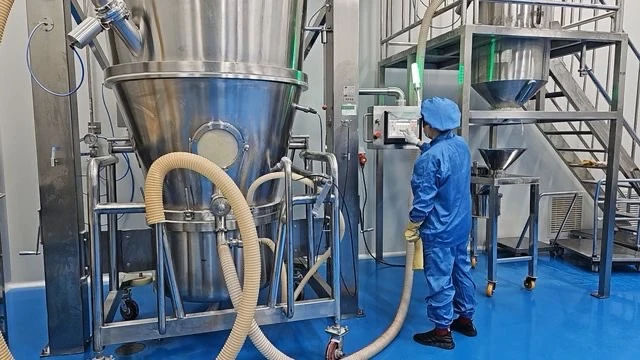
The composition of ascites medicines varies widely, but many formulations rely on diuretics, bronchodilators, and compounds designed to improve oxygen transport. Diuretics, such as furosemide, operate on the principle of renal excretion, altering sodium and water reabsorption within the nephron. Their manufacture involves complex organic synthesis, requiring precise control of reaction kinetics, pH, and temperature to ensure product purity and potency. Bronchodilators, like clenbuterol (use of which is highly regulated due to residue concerns), are typically beta-adrenergic agonists, synthesized through multi-step chemical processes involving chiral resolution to achieve the desired enantiomeric form. Oxygen-carrying enhancers often include modified hemoglobin products or compounds that stimulate erythropoiesis (red blood cell production). These may involve bioprocessing techniques, including fermentation and purification of biological molecules. The manufacturing process for injectable solutions demands stringent sterile filtration and aseptic filling to prevent contamination. Raw material purity is paramount, assessed via High-Performance Liquid Chromatography (HPLC) and Gas Chromatography-Mass Spectrometry (GC-MS). Formulation excipients, like propylene glycol and polyethylene glycol, are selected for their solubility, biocompatibility, and ability to maintain drug stability. Physical properties, such as viscosity and osmolality, are meticulously controlled to ensure proper injection and minimize local irritation. Chemical compatibility between the active pharmaceutical ingredient (API) and excipients is assessed through stability studies under accelerated conditions (elevated temperature and humidity).
Performance & Engineering
The efficacy of ascites medicine is intricately linked to its pharmacokinetic and pharmacodynamic properties. Pharmacokinetics – encompassing absorption, distribution, metabolism, and excretion – determines the drug's concentration at the target site (pulmonary vasculature and kidneys). Distribution is particularly crucial, given the need for the drug to effectively reach the pulmonary capillaries. Engineering considerations involve optimizing drug delivery routes (typically subcutaneous or intramuscular injection) to maximize bioavailability. Force analysis is relevant in the context of injection pressure; excessive force can cause tissue damage and reduce drug absorption. Environmental resistance, specifically temperature stability during storage and transport, is a critical performance parameter. Compliance requirements are extensive, governed by veterinary drug regulations in each country (e.g., FDA in the US, EMA in Europe). Functional implementation centers on the drug's ability to reduce pulmonary artery pressure (PAP) and improve arterial blood oxygen saturation (SaO2). PAP reduction is achieved through vasodilation and decreased pulmonary vascular resistance. The drug's effect on oxygen carrying capacity is assessed through hematocrit and hemoglobin concentration measurements. Furthermore, the medicine must not negatively impact cardiac function or induce electrolyte imbalances. Long-term use considerations involve monitoring for drug tolerance and the development of resistance.
Technical Specifications
| API Concentration | pH Range | Osmolality (mOsm/kg) | Viscosity (cP) | Sterility Assurance Level (SAL) | Endotoxin Level (EU/mL) |
|---|---|---|---|---|---|
| Furosemide: 10% w/v | 6.5 – 7.5 | 280 – 320 | 1.5 – 2.5 | 10-6 | < 0.5 |
| Clenbuterol: 50 μg/mL (Highly Regulated) | 4.0 – 5.0 | 260 – 290 | 1.0 – 2.0 | 10-6 | < 0.1 |
| Dextran Iron Complex: 2% w/v | 6.0 – 8.0 | 300 – 350 | 3.0 – 4.0 | 10-6 | < 1.0 |
| Propylene Glycol Concentration | N/A (Excipient) | N/A | 50 - 100 | N/A | N/A |
| Polyethylene Glycol Molecular Weight | N/A (Excipient) | N/A | N/A | N/A | N/A |
| Sodium Chloride Equivalent | N/A (For Osmolality Adjustment) | N/A | N/A | N/A | N/A |
Failure Mode & Maintenance
Failure modes in ascites medicine relate to both product degradation and therapeutic ineffectiveness. Degradation can manifest as precipitation of the API, changes in pH leading to hydrolysis, or microbial contamination if sterility is compromised. Fatigue cracking can occur in glass vials during repeated handling or temperature fluctuations. Delamination of rubber stoppers can introduce particulate matter into the solution. Oxidation of the API is another potential failure mode, particularly with compounds susceptible to air exposure. Therapeutic ineffectiveness can arise from incorrect dosage, improper administration technique (e.g., subcutaneous injection instead of intramuscular), or the development of drug resistance in the target tissues. Maintenance strategies include strict adherence to storage temperature guidelines (typically 2-8°C), protection from light, and regular quality control testing to verify API concentration and sterility. Visual inspection for particulate matter or discoloration is crucial. For in-use solutions, adherence to recommended withdrawal times and proper needle handling is essential. Furthermore, preventative measures focused on optimizing poultry management practices – including ventilation, litter quality, and feed formulation – are critical for minimizing the incidence of ascites and reducing reliance on pharmacological interventions.
Industry FAQ
Q: What is the optimal timing for initiating ascites medicine treatment in a broiler flock?
A: Proactive monitoring of birds is crucial. Early intervention is best, typically initiated when a significant proportion of the flock (e.g., >5%) exhibits clinical signs such as increased respiratory rate, dyspnea, or palpable fluid in the abdomen. Blood gas analysis can provide objective data to confirm pulmonary hypertension and guide treatment decisions. Relying solely on mortality rates is often too late, as irreversible damage may already have occurred.
Q: What are the primary concerns regarding drug residues in treated poultry?
A: Residues, particularly of beta-agonists like clenbuterol, are a major concern due to potential human health risks. Regulatory bodies set Maximum Residue Limits (MRLs) for each drug. Strict adherence to withdrawal times is essential to ensure that meat and eggs are safe for consumption. Regular monitoring programs are required to verify compliance with MRLs.
Q: How does altitude affect the efficacy of ascites medicine?
A: Higher altitudes result in lower atmospheric oxygen pressure, exacerbating pulmonary hypertension. Ascites medicine may need to be administered at higher doses or more frequently in flocks raised at high elevations. Monitoring blood gas parameters is particularly important in these environments to optimize treatment protocols.
Q: What is the role of nutritional management in preventing ascites, and how does this interact with pharmaceutical interventions?
A: Proper nutritional management is foundational. Limiting dietary sodium intake, ensuring adequate vitamin and mineral supplementation (particularly vitamins A, D, and E), and providing a balanced protein-to-energy ratio can help mitigate ascites risk. Pharmaceutical interventions should be viewed as a supplementary approach, not a replacement for good husbandry practices.
Q: What are the alternative or emerging therapies for ascites syndrome beyond traditional pharmacological treatments?
A: Research is ongoing into alternative therapies, including genetic selection for birds with improved pulmonary vascular development, the use of antioxidants to reduce oxidative stress, and the administration of pulmonary vasodilators. Probiotic supplementation to modulate gut health and reduce systemic inflammation is also being investigated. Furthermore, precision ventilation strategies aim to optimize air quality and minimize respiratory challenges.
Conclusion
Ascites medicine in poultry remains a critical component of modern broiler production, addressing a complex physiological challenge arising from intensive rearing conditions. The efficacy of these interventions is dependent not only on the chemical and physical properties of the formulations themselves, but also on a deep understanding of avian physiology, pharmacokinetic principles, and strict adherence to manufacturing and quality control standards.
Ultimately, a holistic approach encompassing preventative husbandry practices – including optimized ventilation, balanced nutrition, and genetic selection – coupled with judicious use of pharmaceutical interventions, offers the most sustainable strategy for mitigating the economic losses and welfare concerns associated with ascites syndrome. Continued research into novel therapeutic targets and preventative measures remains essential for improving poultry health and production efficiency.
Latest news
Copyright © 2026
Dingzhou Kangquan Pharmaceutical Co., Ltd. All Rights Reserved. Sitemap | Privacy
Policy


