
2695018275@qq.com
+86
13780513619
- Afrikaans
- Albanian
- Amharic
- Arabic
- Armenian
- Azerbaijani
- Basque
- Belarusian
- Bengali
- Bosnian
- Bulgarian
- Catalan
- Cebuano
- Corsican
- Croatian
- Czech
- Danish
- Dutch
- English
- Esperanto
- Estonian
- Finnish
- French
- Frisian
- Galician
- Georgian
- German
- Greek
- Gujarati
- Haitian Creole
- hausa
- hawaiian
- Hebrew
- Hindi
- Miao
- Hungarian
- Icelandic
- igbo
- Indonesian
- irish
- Italian
- Japanese
- Javanese
- Kannada
- kazakh
- Khmer
- Rwandese
- Korean
- Kurdish
- Kyrgyz
- Lao
- Latin
- Latvian
- Lithuanian
- Luxembourgish
- Macedonian
- Malgashi
- Malay
- Malayalam
- Maltese
- Maori
- Marathi
- Mongolian
- Myanmar
- Nepali
- Norwegian
- Norwegian
- Occitan
- Pashto
- Persian
- Polish
- Portuguese
- Punjabi
- Romanian
- Russian
- Samoan
- Scottish Gaelic
- Serbian
- Sesotho
- Shona
- Sindhi
- Sinhala
- Slovak
- Slovenian
- Somali
- Spanish
- Sundanese
- Swahili
- Swedish
- Tagalog
- Tajik
- Tamil
- Tatar
- Telugu
- Thai
- Turkish
- Turkmen
- Ukrainian
- Urdu
- Uighur
- Uzbek
- Vietnamese
- Welsh
- Bantu
- Yiddish
- Yoruba
- Zulu
Apr . 01, 2024 17:55 Back to list
budgie multivitamin Performance Analysis
Introduction
Budgie multivitamin supplements represent a critical component of modern avian husbandry, particularly within the companion bird sector. These formulations are not merely supplemental nutrition but are integral to mitigating deficiencies common in captive diets, and supporting optimal physiological function in budgerigars ( Melopsittacus undulatus). Positioned within the avian feed additive industry, these products address the inherent limitations of seed-based diets, which often lack sufficient levels of essential vitamins, minerals, and amino acids. Core performance attributes center around enhancing immune response, promoting plumage health, optimizing reproductive success, and safeguarding against metabolic bone disease (MBD). A primary industry pain point involves ensuring bioavailability of nutrients, consistent product quality due to variable sourcing of raw materials, and demonstrable efficacy through rigorous testing methodologies. This guide provides an in-depth technical examination of budgie multivitamin supplements, encompassing material science, manufacturing processes, performance characteristics, failure modes, and relevant industry standards.
Material Science & Manufacturing
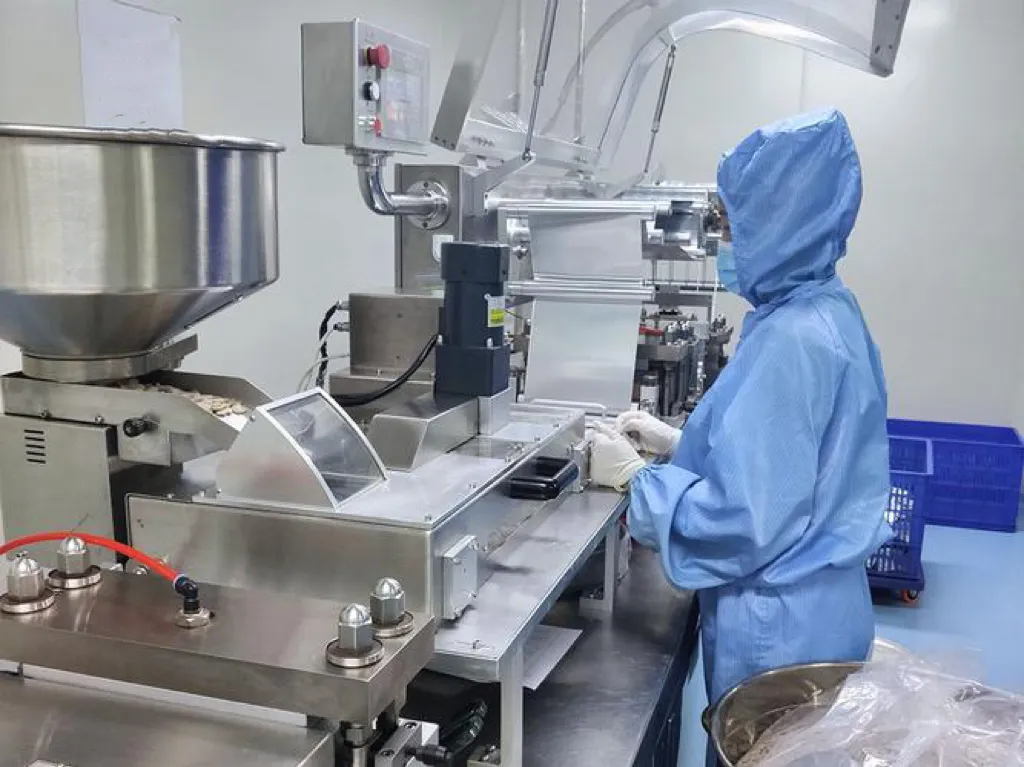
Budgie multivitamin formulations typically comprise a blend of water-soluble and fat-soluble vitamins, macrominerals, trace minerals, and occasionally, amino acids and antioxidants. Key raw materials include Vitamin A (retinol palmitate), Vitamin D3 (cholecalciferol), Vitamin E (alpha-tocopherol), Vitamin C (ascorbic acid), B-complex vitamins (thiamin, riboflavin, niacin, pantothenic acid, pyridoxine, biotin, folic acid, cobalamin), calcium carbonate, dicalcium phosphate, magnesium oxide, zinc sulfate, manganese sulfate, copper sulfate, and selenium yeast. The physical properties of these components vary significantly; vitamins are often crystalline solids, while minerals exist as powders. Manufacturing typically involves precision blending using ribbon blenders or V-blenders to ensure homogenous distribution of micronutrients. Granulation, using techniques like fluid-bed granulation or roller compaction, is often employed to improve flowability and reduce dust. Capsule filling (gelatin or vegetarian capsules) or tableting are common finishing processes. Critical parameters include mixing time, blending speed, granule size distribution, tablet hardness, and capsule fill weight. Chemical compatibility is a crucial consideration; ascorbic acid, for instance, can degrade in the presence of certain metal ions. Encapsulation with a lipid coating can protect sensitive vitamins from oxidation and environmental degradation. Raw material sourcing must adhere to strict quality control protocols to prevent contamination with mycotoxins or heavy metals.
Performance & Engineering
The performance of budgie multivitamin supplements is directly correlated to nutrient bioavailability and absorption. Bioavailability is influenced by factors such as particle size, chemical form, and the presence of enhancers. For example, chelated minerals (e.g., zinc methionine) exhibit superior bioavailability compared to inorganic salts. Engineering considerations involve optimizing the formulation to maximize absorption in the avian digestive tract. Budgies possess a relatively short digestive tract and a rapid gut transit time, necessitating formulations that release nutrients quickly and efficiently. Environmental resistance is also paramount; the supplement must maintain stability during storage and handling under varying temperature and humidity conditions. Compliance requirements are dictated by regulatory bodies such as the Association of American Feed Control Officials (AAFCO) and equivalent international organizations. Force analysis isn’t directly applicable to the supplement itself, but understanding the forces involved in feed handling (e.g., impact during mixing) is crucial for preventing granule breakage. Functional implementation relies on the accurate dosage delivered to the bird, often through inclusion in seed mixtures, provision in drinking water, or direct administration. Monitoring plasma vitamin levels and assessing physiological indicators (plumage quality, eggshell thickness, immune function) are essential for evaluating performance efficacy.
Technical Specifications
| Vitamin | Minimum Concentration (IU/kg or mg/kg) | Maximum Concentration (IU/kg or mg/kg) | Bioavailability (Relative to Standard) |
|---|---|---|---|
| Vitamin A (Retinol) | 10,000 IU/kg | 20,000 IU/kg | 90% |
| Vitamin D3 (Cholecalciferol) | 1,000 IU/kg | 2,000 IU/kg | 85% |
| Vitamin E (Alpha-Tocopherol) | 100 mg/kg | 200 mg/kg | 75% |
| Vitamin C (Ascorbic Acid) | 500 mg/kg | 1,000 mg/kg | 60% |
| Biotin | 0.5 mg/kg | 1.0 mg/kg | 95% |
| Calcium | 30 g/kg | 40 g/kg | 90% |
Failure Mode & Maintenance
Common failure modes for budgie multivitamin supplements include vitamin degradation due to oxidation, moisture absorption leading to clumping, and physical breakdown of granules or capsules. Oxidation is a significant concern for fat-soluble vitamins and can be mitigated through the addition of antioxidants (e.g., Vitamin E, BHT). Moisture ingress can occur due to inadequate packaging or improper storage. Delamination or cracking of tablets can result from excessive compression force during manufacturing or handling. Bioavailability can decrease over time due to chemical reactions between ingredients. Maintenance strategies involve storing the supplement in a cool, dry, and dark place, using airtight packaging, and adhering to the manufacturer’s recommended shelf life. Regular quality control testing, including assaying vitamin levels and assessing physical characteristics, is essential for detecting degradation. Visual inspection for changes in color, odor, or texture can provide early warning signs of product failure. Preventative maintenance of manufacturing equipment (blenders, granulators, tableting machines) is crucial for ensuring consistent product quality. In cases of suspected product failure, the batch should be quarantined and subjected to thorough analysis before further distribution.
Industry FAQ
Q: What is the optimal form of Vitamin D3 for budgie supplementation?
A: Vitamin D3 (cholecalciferol) is the preferred form due to its superior bioavailability compared to Vitamin D2 (ergocalciferol) in avian species. The D3 source should be tested for purity and potency, and ideally, microencapsulated to enhance stability and protect against degradation during storage and processing.
Q: How does mineral chelation affect bioavailability in budgies?
A: Mineral chelation, particularly with amino acids like methionine, significantly enhances bioavailability. Chelated minerals form more stable complexes, protecting them from precipitation in the gut and facilitating absorption across the intestinal lining. This is especially crucial for minerals like zinc and copper.
Q: What are the key indicators of Vitamin A deficiency in budgies and how can supplementation address them?
A: Key indicators include swollen facial sinuses, respiratory distress, reduced appetite, and feather abnormalities. Vitamin A deficiency disrupts epithelial cell function. Supplementation with retinol palmitate, the active form of Vitamin A, can restore epithelial integrity and alleviate these symptoms, provided the dosage is appropriate.
Q: What packaging materials are best suited for maintaining the stability of a multivitamin supplement?
A: High-barrier packaging materials, such as aluminum foil laminates or polyethylene terephthalate (PET) bottles with a desiccant, are recommended. These materials provide excellent protection against moisture, oxygen, and light, all of which can degrade vitamins. The packaging should also be airtight and tamper-evident.
Q: How often should the Vitamin C content in a multivitamin supplement be tested, and what analytical methods are considered reliable?
A: Vitamin C content should be tested at least every six months, and preferably at the time of production and before each new batch is released. Reliable analytical methods include High-Performance Liquid Chromatography (HPLC) with UV detection and iodometric titration. These methods accurately quantify ascorbic acid levels and ensure product potency.
Conclusion
Budgie multivitamin supplements are essential for maintaining the health and well-being of captive budgerigars, addressing inherent nutritional gaps in typical seed-based diets. Successful formulation relies on a thorough understanding of avian physiology, nutrient bioavailability, and manufacturing best practices. The selection of high-quality raw materials, optimized blending and granulation processes, and appropriate packaging are critical for ensuring product stability and efficacy.
Future developments in this field will likely focus on enhanced bioavailability through novel encapsulation technologies, personalized supplementation based on individual bird needs, and improved analytical methods for assessing nutrient status. Continued adherence to stringent quality control standards and regulatory compliance will remain paramount for ensuring the safety and effectiveness of these vital avian health products.
Latest news
Copyright © 2026
Dingzhou Kangquan Pharmaceutical Co., Ltd. All Rights Reserved. Sitemap | Privacy
Policy


