
2695018275@qq.com
+86
13780513619
- Afrikaans
- Albanian
- Amharic
- Arabic
- Armenian
- Azerbaijani
- Basque
- Belarusian
- Bengali
- Bosnian
- Bulgarian
- Catalan
- Cebuano
- Corsican
- Croatian
- Czech
- Danish
- Dutch
- English
- Esperanto
- Estonian
- Finnish
- French
- Frisian
- Galician
- Georgian
- German
- Greek
- Gujarati
- Haitian Creole
- hausa
- hawaiian
- Hebrew
- Hindi
- Miao
- Hungarian
- Icelandic
- igbo
- Indonesian
- irish
- Italian
- Japanese
- Javanese
- Kannada
- kazakh
- Khmer
- Rwandese
- Korean
- Kurdish
- Kyrgyz
- Lao
- Latin
- Latvian
- Lithuanian
- Luxembourgish
- Macedonian
- Malgashi
- Malay
- Malayalam
- Maltese
- Maori
- Marathi
- Mongolian
- Myanmar
- Nepali
- Norwegian
- Norwegian
- Occitan
- Pashto
- Persian
- Polish
- Portuguese
- Punjabi
- Romanian
- Russian
- Samoan
- Scottish Gaelic
- Serbian
- Sesotho
- Shona
- Sindhi
- Sinhala
- Slovak
- Slovenian
- Somali
- Spanish
- Sundanese
- Swahili
- Swedish
- Tagalog
- Tajik
- Tamil
- Tatar
- Telugu
- Thai
- Turkish
- Turkmen
- Ukrainian
- Urdu
- Uighur
- Uzbek
- Vietnamese
- Welsh
- Bantu
- Yiddish
- Yoruba
- Zulu
Apr . 01, 2024 17:55 Back to list
cat multivitamin paste Performance Analysis
Introduction
Cat multivitamin paste is a concentrated nutritional supplement designed to address potential deficiencies in feline diets. It functions as a palatable delivery system for essential vitamins, minerals, and often, supplemental nutrients like taurine, omega-3 fatty acids, and prebiotics. Positioned within the animal health and nutrition supply chain, it serves as a tertiary preventative measure, complementing complete and balanced cat food formulations. Its core performance characteristics revolve around bioavailability of nutrients, palatability to encourage consumption, and stability of the vitamin complex over its shelf life. The primary driver for its use stems from factors such as restricted diets due to illness, aging-related nutrient absorption decline, or perceived nutritional gaps in commercially available food, particularly in long-term feeding scenarios. Effective multivitamin pastes must maintain potency through processing and storage, and demonstrate demonstrable benefit in supporting feline health, rather than simply acting as a ‘filler’ product.
Material Science & Manufacturing
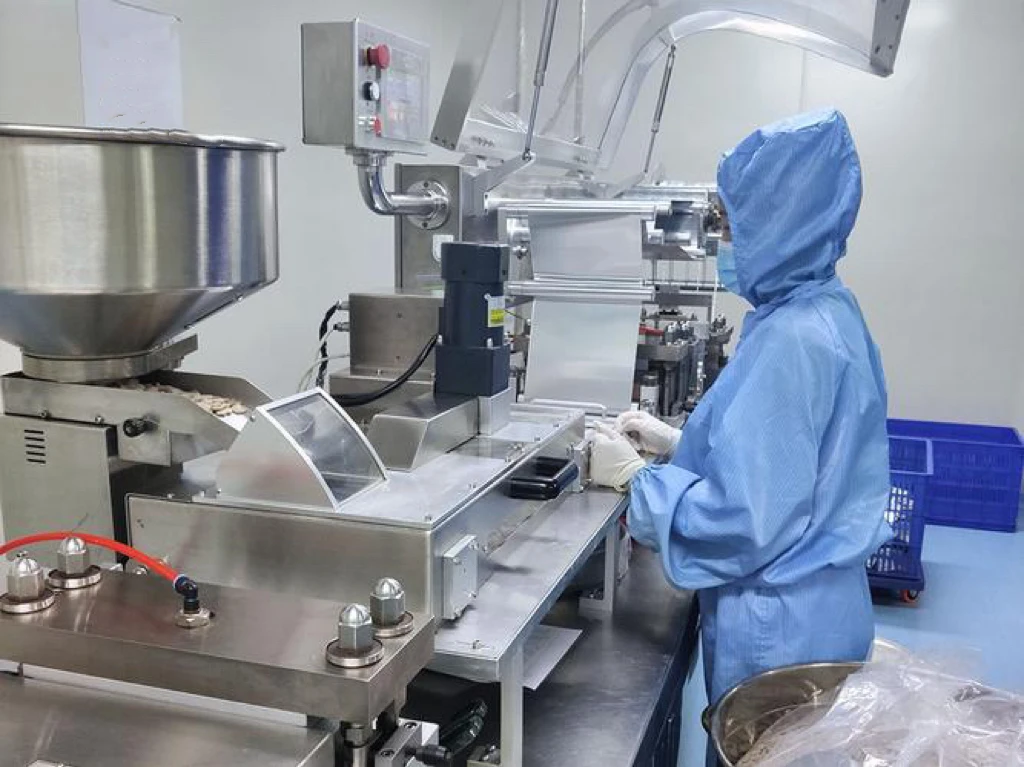
The formulation of cat multivitamin paste typically centers around a carrier matrix, a vitamin/mineral premix, and palatability enhancers. The carrier, often a blend of oils (such as sunflower, fish, or coconut oil), glycerol, and potentially maltodextrin, impacts viscosity, spreadability, and fat-soluble vitamin solubility. Oil selection is critical; unsaturated fatty acids provide essential omega-3s but are susceptible to oxidation, demanding antioxidant inclusion (Vitamin E, BHT, BHA at regulated levels). Glycerol functions as a humectant, preventing drying and aiding texture. Vitamin premixes are sourced from specialized manufacturers, requiring rigorous quality control (HPLC, mass spectrometry) to verify potency. Raw materials must comply with USP/NF standards where applicable. Manufacturing involves blending ingredients under controlled temperature conditions (typically below 40°C to preserve heat-sensitive vitamins). Homogenization is crucial for uniform dispersion and prevention of phase separation. Packaging utilizes airtight tubes or syringes, often with multi-layer construction (e.g., aluminum laminate) to minimize oxygen permeation and light exposure. Key parameter control includes particle size of the premix (influences dispersion), viscosity of the paste (affects dispensing), and water activity (controls microbial stability). Batch testing for vitamin potency, heavy metals, and microbial contamination is essential. Chemical compatibility of vitamins within the chosen carrier is paramount – certain combinations can lead to degradation. For example, Vitamin C can degrade in the presence of certain metal ions.
Performance & Engineering
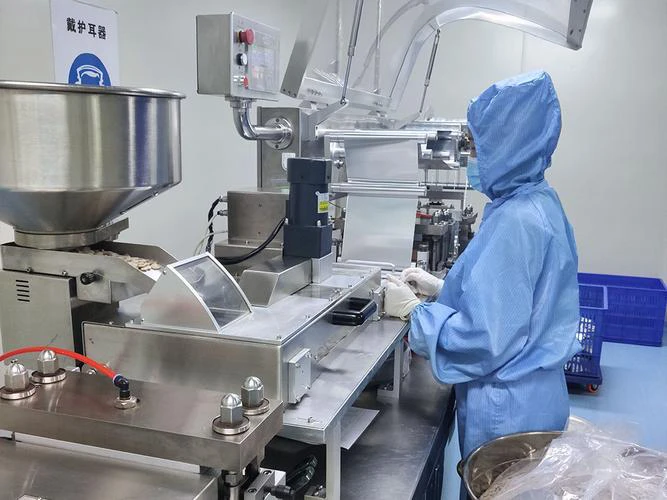
The performance of cat multivitamin paste is inherently tied to nutrient bioavailability and feline acceptance. Bioavailability is a function of the vitamin’s chemical form (e.g., retinol vs. beta-carotene), the carrier oil’s lipid profile (influencing absorption in the small intestine), and the presence of other dietary components that may enhance or inhibit absorption. Force analysis, while not directly applicable to the paste itself, is relevant to the packaging; tube materials must withstand dispensing forces without cracking or leaking. Environmental resistance focuses on maintaining vitamin stability under varying temperature and humidity conditions. Accelerated aging studies (exposure to elevated temperatures and humidity) are conducted to predict shelf life. Compliance requirements are dictated by veterinary regulatory bodies (e.g., FDA-CVM in the US, EMA in Europe). These agencies mandate adherence to Good Manufacturing Practices (GMP) and require substantiation of health claims. Functional implementation relies on the paste's rheological properties; it must exhibit sufficient thixotropy to allow easy extrusion from the tube, yet maintain shape upon dispensing. The paste’s texture must also be acceptable to cats – too thick or too thin can lead to rejection. Furthermore, the dose delivered per unit volume must be consistent, necessitating accurate filling equipment and quality control checks.
Technical Specifications
| Parameter | Unit | Typical Value | Test Method |
|---|---|---|---|
| Vitamin A Potency | IU/g | 10,000 – 20,000 | HPLC |
| Vitamin D3 Potency | IU/g | 1,000 – 2,000 | HPLC |
| Vitamin E Potency | IU/g | 50 – 100 | HPLC |
| Vitamin C Potency | mg/g | 20 – 50 | Titration |
| B-Complex Vitamins (Total) | mg/g | 5 – 10 | Microbiological Assay |
| Taurine Content | mg/g | 50 – 100 | HPLC |
Failure Mode & Maintenance
Failure modes of cat multivitamin paste predominantly center around product degradation, packaging failure, and palatability loss. Vitamin degradation can occur through oxidation (particularly of unsaturated fatty acids and Vitamin C), hydrolysis (especially in the presence of moisture), and photolysis (exposure to light). Fatigue cracking in the packaging tube, especially at the crimped end, can lead to leakage and product contamination. Delamination of multi-layer packaging can compromise barrier properties, accelerating oxidation. Palatability can decline due to changes in texture, off-flavors resulting from oxidation, or the development of rancidity. Maintenance focuses on proper storage conditions: cool, dry, and dark. Refrigeration after opening is recommended to slow down degradation. Packaging integrity should be regularly inspected. Consumers should be advised to discard product if signs of degradation (discoloration, off-odor, separation) are observed. From a manufacturing perspective, rigorous quality control of raw materials and adherence to GMP are paramount in preventing failures. Antioxidant levels should be optimized and regularly monitored. Packaging materials should be selected for their barrier properties and compatibility with the paste formulation. A robust stability testing program (real-time and accelerated aging) is crucial for establishing an accurate shelf life and identifying potential failure modes.
Industry FAQ
Q: What is the optimal fat content in the paste to ensure Vitamin A absorption?
A: Optimal fat content typically falls between 5-10%. Vitamin A is a fat-soluble vitamin, meaning its absorption is directly dependent on the presence of dietary fats. However, excessive fat can lead to digestive upset in cats. The type of fat is also important; medium-chain triglycerides (MCTs) are more readily absorbed than long-chain triglycerides (LCTs). A balanced approach considering both quantity and quality of fats is crucial.
Q: How do you prevent oxidation of the Omega-3 fatty acids during manufacturing and storage?
A: We employ a multi-faceted strategy. Nitrogen flushing during manufacturing minimizes oxygen exposure. High concentrations of Vitamin E (alpha-tocopherol) act as a primary antioxidant. We also include EDTA to chelate trace metal ions that can catalyze oxidation. Packaging utilizes oxygen-impermeable materials, such as aluminum laminate tubes. Storage recommendations emphasize cool, dark conditions to further slow down oxidation rates.
Q: What are the implications of using BHA/BHT as preservatives, considering potential toxicity concerns?
A: BHA and BHT are approved preservatives by regulatory bodies like the FDA at specified levels. While there have been some concerns regarding potential toxicity at very high doses, the levels used in cat multivitamin paste are well within established safety limits. We continuously monitor regulatory updates and alternative preservation methods, but currently, BHA/BHT provide effective and cost-efficient stabilization.
Q: How do you ensure the accuracy of vitamin potency claims on the label?
A: Vitamin potency is verified through rigorous testing of each batch using validated analytical methods, primarily High-Performance Liquid Chromatography (HPLC). Samples are analyzed by an independent, accredited laboratory. Potency levels must fall within a specified range (typically 90-110% of the labeled claim) to meet quality control standards. We maintain detailed records of all testing results for traceability.
Q: What is the recommended storage temperature to maximize shelf life, and what are the visual indicators of product degradation?
A: The recommended storage temperature is between 15-25°C (59-77°F). Avoid direct sunlight and high humidity. Visual indicators of degradation include changes in color (e.g., yellowing), development of an off-odor (rancidity), separation of the paste into layers, and a noticeable change in texture (becoming excessively hard or dry). Any of these signs indicate the product should be discarded.
Conclusion
Cat multivitamin paste represents a valuable supplemental tool for maintaining feline health, particularly in situations where dietary deficiencies are suspected. Its efficacy hinges upon a complex interplay of material science, meticulous manufacturing processes, and stringent quality control. Understanding the critical parameters influencing nutrient bioavailability, ensuring packaging integrity, and mitigating degradation pathways are paramount to delivering a stable and effective product.
Future development efforts should focus on exploring novel delivery systems (e.g., microencapsulation to enhance vitamin stability) and incorporating prebiotics or probiotics to support gut health and improve nutrient absorption. Furthermore, continued research into the specific nutritional needs of different feline life stages and breeds will enable the formulation of more targeted and personalized multivitamin pastes.
Latest news
Copyright © 2026
Dingzhou Kangquan Pharmaceutical Co., Ltd. All Rights Reserved. Sitemap | Privacy
Policy


