
2695018275@qq.com
+86
13780513619
- Afrikaans
- Albanian
- Amharic
- Arabic
- Armenian
- Azerbaijani
- Basque
- Belarusian
- Bengali
- Bosnian
- Bulgarian
- Catalan
- Cebuano
- Corsican
- Croatian
- Czech
- Danish
- Dutch
- English
- Esperanto
- Estonian
- Finnish
- French
- Frisian
- Galician
- Georgian
- German
- Greek
- Gujarati
- Haitian Creole
- hausa
- hawaiian
- Hebrew
- Hindi
- Miao
- Hungarian
- Icelandic
- igbo
- Indonesian
- irish
- Italian
- Japanese
- Javanese
- Kannada
- kazakh
- Khmer
- Rwandese
- Korean
- Kurdish
- Kyrgyz
- Lao
- Latin
- Latvian
- Lithuanian
- Luxembourgish
- Macedonian
- Malgashi
- Malay
- Malayalam
- Maltese
- Maori
- Marathi
- Mongolian
- Myanmar
- Nepali
- Norwegian
- Norwegian
- Occitan
- Pashto
- Persian
- Polish
- Portuguese
- Punjabi
- Romanian
- Russian
- Samoan
- Scottish Gaelic
- Serbian
- Sesotho
- Shona
- Sindhi
- Sinhala
- Slovak
- Slovenian
- Somali
- Spanish
- Sundanese
- Swahili
- Swedish
- Tagalog
- Tajik
- Tamil
- Tatar
- Telugu
- Thai
- Turkish
- Turkmen
- Ukrainian
- Urdu
- Uighur
- Uzbek
- Vietnamese
- Welsh
- Bantu
- Yiddish
- Yoruba
- Zulu
Apr . 01, 2024 17:55 Back to list
cat vitamins for senior cats Formulation and Performance Analysis
Introduction
Senior feline health necessitates tailored nutritional support, and vitamin supplementation plays a critical role in mitigating age-related physiological decline. This guide details the formulation, manufacturing, performance characteristics, potential failure modes, and maintenance considerations for cat vitamins specifically designed for senior cats (typically defined as cats aged 7 years and older). These formulations address declining organ function, reduced nutrient absorption, and increased susceptibility to age-related diseases. The efficacy of these vitamins hinges on bioavailability, accurate dosing, and ingredient stability, all of which are discussed herein. Within the pet supplement industry, the provision of scientifically-backed, quality-controlled vitamin formulations is a significant challenge, particularly given the lack of stringent regulatory oversight comparable to pharmaceutical manufacturing. This document provides a comprehensive technical overview for procurement professionals, formulation chemists, and veterinary technicians.
Material Science & Manufacturing
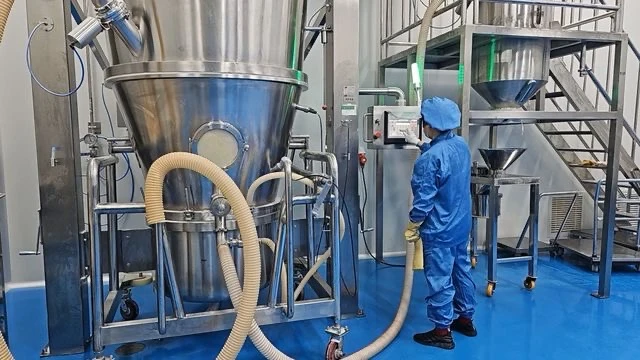
The core components of senior cat vitamins typically include fat-soluble vitamins (A, D, E, K), B vitamins, antioxidants (Vitamin C, Vitamin E, Selenium), essential fatty acids (Omega-3 and Omega-6), and potentially chondroprotective agents (Glucosamine, Chondroitin). Raw material sourcing is paramount; Vitamin A is often derived from retinyl acetate or beta-carotene, Vitamin D from cholecalciferol, and Vitamin E from tocopherols. These compounds are sensitive to oxidation and require stabilization. Manufacturing processes commonly involve powder blending, granulation, and encapsulation. Gelatin or vegetable-based capsules are frequently used. Bioavailability is critically influenced by particle size; micronization improves absorption. Excipients, such as microcrystalline cellulose and magnesium stearate, are used as binders and lubricants. Parameter control during blending is crucial to ensure homogeneity of the vitamin mix. Moisture content must be strictly controlled (<2%) to prevent degradation and capsule softening. Quality control involves High-Performance Liquid Chromatography (HPLC) for vitamin quantification and microbial testing to ensure sterility. The chemical compatibility of vitamins with excipients must be verified to prevent interactions that reduce efficacy. Antioxidant packaging (e.g., nitrogen flushing, opaque containers) is employed to protect against oxidation during storage.
Performance & Engineering
The performance of senior cat vitamins is primarily assessed through bioavailability studies, measuring plasma vitamin levels after administration. Engineering considerations include capsule disintegration time (optimally within 20-30 minutes in simulated gastric fluid) and palatability. Palatability is enhanced through coating the capsules with fish oil or utilizing flavored formulations. Environmental resistance is important, particularly regarding temperature and humidity. Vitamins are susceptible to degradation at elevated temperatures (>30°C) and in high-humidity environments (>70% RH). The formulation must be designed to maintain stability under anticipated storage conditions. Compliance requirements include adherence to Good Manufacturing Practices (GMP) and potential certification by organizations like the National Animal Supplement Council (NASC). Force analysis applies to capsule handling during manufacturing; capsules must withstand packaging and transportation forces without cracking or deformation. Dosage accuracy is critical; deviations from the recommended dosage can lead to either vitamin deficiencies or toxicities. The formulation’s impact on gut microbiota should be considered, as some vitamins can influence microbial populations.
Technical Specifications
| Vitamin | Minimum Potency (per serving) | Maximum Potency (per serving) | Bioavailability (estimated) |
|---|---|---|---|
| Vitamin A (Retinyl Acetate) | 500 IU | 1000 IU | 60-80% |
| Vitamin D (Cholecalciferol) | 100 IU | 200 IU | 70-90% |
| Vitamin E (Alpha-Tocopherol) | 20 IU | 40 IU | 40-60% |
| Vitamin C (Ascorbic Acid) | 50 mg | 100 mg | 30-50% |
| B1 (Thiamine) | 1 mg | 2 mg | 75-85% |
| Omega-3 Fatty Acids (EPA+DHA) | 100 mg | 200 mg | 60-80% |
Failure Mode & Maintenance
Common failure modes include vitamin degradation due to oxidation or hydrolysis, capsule shell cracking leading to vitamin loss, and reduced palatability resulting in non-compliance. Oxidation is accelerated by exposure to air, light, and heat. Hydrolysis occurs in the presence of moisture. Capsule cracking can result from improper handling during manufacturing or transportation. Maintenance strategies involve storing vitamins in a cool, dry, dark place, using airtight containers, and ensuring proper handling procedures. Regularly inspecting capsules for damage is crucial. Monitoring vitamin potency through periodic HPLC analysis is recommended to detect degradation. For liquid formulations, maintaining a stable pH and adding preservatives can prevent microbial growth and degradation. Owner education regarding proper storage and administration is also critical. Failure analysis should involve assessing environmental factors, packaging integrity, and manufacturing processes to identify the root cause of failures.
Industry FAQ
Q: What is the significance of chelated minerals in senior cat vitamin formulations?
A: Chelated minerals, where the mineral is bound to an amino acid, exhibit significantly improved bioavailability compared to inorganic mineral salts. Senior cats often experience reduced stomach acid production, hindering mineral absorption. Chelation bypasses this limitation, ensuring optimal mineral uptake. The stability of the chelate bond is also a critical factor; EDTA chelates are less stable than amino acid chelates.
Q: How does the formulation address potential drug interactions?
A: Vitamin formulations must be carefully evaluated for potential interactions with commonly prescribed medications for senior cats, such as NSAIDs or corticosteroids. For instance, Vitamin K can interfere with anticoagulant medications. Formulations should avoid excessive levels of vitamins that could exacerbate existing conditions or interact negatively with pharmaceuticals. Veterinary consultation is always recommended.
Q: What quality control measures are used to ensure vitamin potency claims are accurate?
A: Potency is primarily verified through High-Performance Liquid Chromatography (HPLC), a quantitative analytical technique. Regular batch testing is performed to confirm that vitamin concentrations meet label claims. Additionally, stability studies are conducted to monitor vitamin degradation over time under various storage conditions. Independent third-party testing provides an additional layer of verification.
Q: What are the considerations regarding the inclusion of probiotics in senior cat vitamin formulations?
A: Probiotics can improve gut health and nutrient absorption, which are often compromised in senior cats. However, the strain specificity of probiotics is critical. Not all strains are equally effective, and some may not survive gastric transit. The formulation must ensure probiotic viability and protect them from degradation. The quantity of CFUs (Colony Forming Units) must also be sufficient to exert a beneficial effect.
Q: How does the formulation account for varying levels of renal function in senior cats?
A: Senior cats frequently experience declining renal function. High levels of Vitamin D and phosphorus can exacerbate kidney disease. Formulations designed for senior cats with renal insufficiency should have restricted levels of these nutrients. Potassium supplementation may be beneficial to counter potassium loss associated with kidney disease, but should be carefully monitored.
Conclusion
The design and manufacture of effective cat vitamins for senior cats requires a nuanced understanding of feline physiology, nutrient bioavailability, and potential degradation pathways. Maintaining product stability, ensuring accurate dosing, and selecting appropriate excipients are paramount. A holistic approach, considering factors such as palatability, potential drug interactions, and renal function, is essential to maximize therapeutic benefit.
Future developments will likely focus on personalized nutrition, tailoring vitamin formulations to the individual cat’s health status and genetic predispositions. Advances in encapsulation technology and the incorporation of novel delivery systems will further enhance bioavailability and efficacy. Ongoing research into the role of specific nutrients in mitigating age-related diseases will drive the development of even more targeted and effective senior cat vitamin formulations.
Latest news
Copyright © 2026
Dingzhou Kangquan Pharmaceutical Co., Ltd. All Rights Reserved. Sitemap | Privacy
Policy


