
2695018275@qq.com
+86
13780513619
- Afrikaans
- Albanian
- Amharic
- Arabic
- Armenian
- Azerbaijani
- Basque
- Belarusian
- Bengali
- Bosnian
- Bulgarian
- Catalan
- Cebuano
- Corsican
- Croatian
- Czech
- Danish
- Dutch
- English
- Esperanto
- Estonian
- Finnish
- French
- Frisian
- Galician
- Georgian
- German
- Greek
- Gujarati
- Haitian Creole
- hausa
- hawaiian
- Hebrew
- Hindi
- Miao
- Hungarian
- Icelandic
- igbo
- Indonesian
- irish
- Italian
- Japanese
- Javanese
- Kannada
- kazakh
- Khmer
- Rwandese
- Korean
- Kurdish
- Kyrgyz
- Lao
- Latin
- Latvian
- Lithuanian
- Luxembourgish
- Macedonian
- Malgashi
- Malay
- Malayalam
- Maltese
- Maori
- Marathi
- Mongolian
- Myanmar
- Nepali
- Norwegian
- Norwegian
- Occitan
- Pashto
- Persian
- Polish
- Portuguese
- Punjabi
- Romanian
- Russian
- Samoan
- Scottish Gaelic
- Serbian
- Sesotho
- Shona
- Sindhi
- Sinhala
- Slovak
- Slovenian
- Somali
- Spanish
- Sundanese
- Swahili
- Swedish
- Tagalog
- Tajik
- Tamil
- Tatar
- Telugu
- Thai
- Turkish
- Turkmen
- Ukrainian
- Urdu
- Uighur
- Uzbek
- Vietnamese
- Welsh
- Bantu
- Yiddish
- Yoruba
- Zulu
Apr . 01, 2024 17:55 Back to list
cheap dog vitamins Technical Analysis
Introduction
Cheap dog vitamins represent a significant segment within the companion animal nutrition market, positioned as cost-effective supplements intended to support canine health. These products typically consist of blends of essential vitamins, minerals, and sometimes amino acids, formulated to address potential nutritional deficiencies in commercially available dog foods or to support specific physiological needs. Their position in the industry chain falls between raw material sourcing (vitamin and mineral manufacturers) and retail distribution (pet stores, online retailers, veterinary clinics). Core performance attributes revolve around bioavailability – the degree to which nutrients are absorbed and utilized by the dog’s body – palatability, and stability of the vitamin composition over the product's shelf life. A key industry pain point is maintaining efficacy at a low cost point, often leading to compromises in ingredient quality or formulation complexity. Another challenge lies in consumer perception, where ‘cheap’ can imply substandard quality, necessitating transparency regarding sourcing and manufacturing processes.
Material Science & Manufacturing
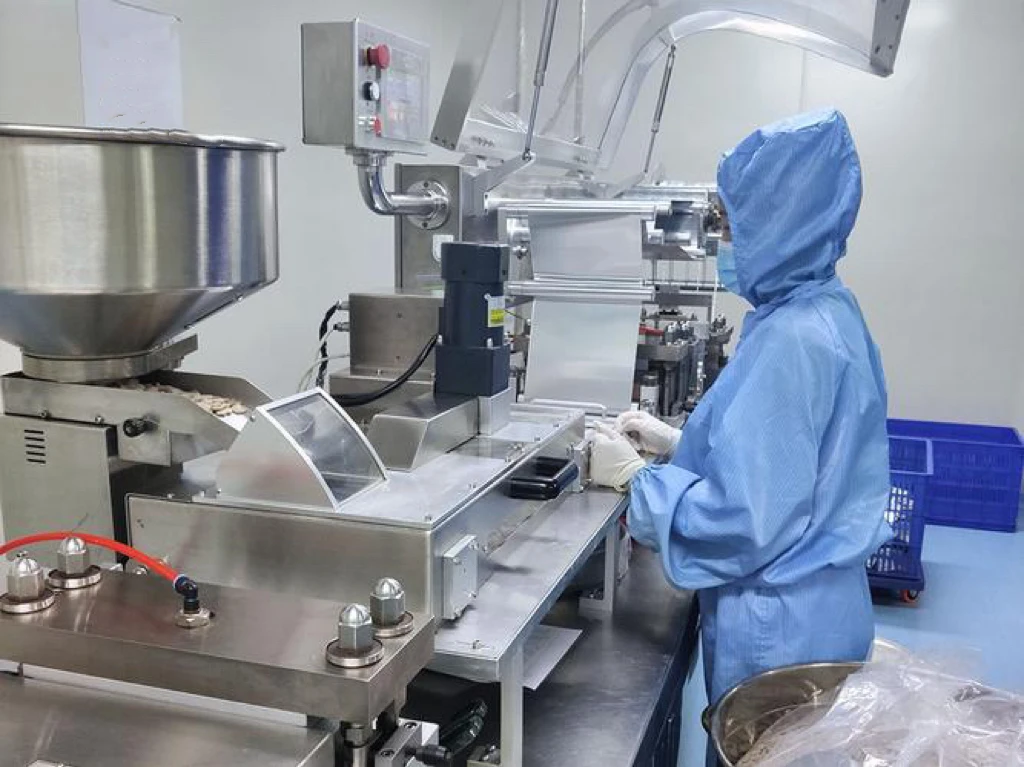
The primary raw materials for cheap dog vitamins are synthesized vitamins (A, D, E, C, B-complex) and inorganic mineral salts (calcium carbonate, dicalcium phosphate, ferrous sulfate, zinc oxide). Vitamin synthesis involves complex organic chemistry processes, often starting from petrochemical feedstocks. Mineral salts are typically produced via chemical reactions between acids and metal oxides/carbonates. The physical properties are critical: vitamin powders must exhibit good flowability for accurate dosing, while mineral salts must be finely milled for improved bioavailability. Manufacturing typically involves blending of these powdered ingredients, followed by encapsulation (softgels, tablets) or coating (chewable tablets). Encapsulation materials (gelatin, starch) influence stability and release rates. Tablet compression requires precise control of pressure and binder content to achieve sufficient hardness and friability. Key parameters include blend uniformity (ensuring even distribution of vitamins/minerals), moisture content (affecting stability), and particle size distribution (influencing bioavailability). Excipients like cellulose, magnesium stearate, and flavoring agents are also incorporated. Quality control relies heavily on HPLC (High-Performance Liquid Chromatography) and atomic absorption spectroscopy to verify vitamin and mineral concentrations.

Performance & Engineering
The performance of cheap dog vitamins is largely dictated by their bioavailability and stability. Bioavailability is affected by several factors, including the chemical form of the vitamin/mineral (e.g., ferrous sulfate vs. chelated iron), particle size, and the presence of other nutrients that may enhance or inhibit absorption. For example, Vitamin D absorption is enhanced by dietary fat. Engineering considerations involve optimizing the formulation for palatability, as dogs are sensitive to taste and smell. Coatings and flavorings are crucial here. Environmental resistance is also important; vitamins are susceptible to degradation from heat, light, and oxygen. Packaging materials must provide adequate barrier protection. Compliance requirements are governed by regulations set forth by organizations like the Association of American Feed Control Officials (AAFCO) which dictates minimum and maximum nutrient levels. Force analysis is less relevant here, as the product form (tablet, capsule) doesn’t typically involve significant structural stress. However, crush resistance of tablets is an important parameter. Functional implementation focuses on ensuring the vitamin/mineral blend effectively addresses the targeted nutritional deficiencies or supports the intended physiological function (e.g., joint health, immune system support).
Technical Specifications
| Vitamin A (IU/kg) | Vitamin D3 (IU/kg) | Vitamin E (IU/kg) | Crude Protein (%) |
|---|---|---|---|
| 5,000 | 500 | 100 | 2.0 |
| 10,000 | 1,000 | 200 | 4.0 |
| 15,000 | 1,500 | 300 | 6.0 |
| 20,000 | 2,000 | 400 | 8.0 |
| 25,000 | 2,500 | 500 | 10.0 |
| 30,000 | 3,000 | 600 | 12.0 |
Failure Mode & Maintenance
Failure modes for cheap dog vitamins typically relate to degradation of active ingredients, physical instability of the dosage form, and palatability issues. Vitamin degradation can occur due to exposure to heat, light, oxygen, or moisture, leading to reduced potency. Softgels may become brittle or leak, compromising the vitamin content. Tablets can crumble or chip, affecting dosing accuracy. Palatability issues lead to refusal by the dog, rendering the supplement ineffective. Failure analysis often involves HPLC testing to quantify vitamin levels and visual inspection for physical defects. Oxidation of fat-soluble vitamins (A, D, E) is a common failure mechanism. Maintenance to prevent these failures involves proper storage (cool, dry, dark place), use of appropriate packaging materials (e.g., airtight containers, blister packs), and inclusion of antioxidants (e.g., Vitamin C, Vitamin E) in the formulation. Regular quality control testing is crucial to monitor vitamin potency and physical stability throughout the product's shelf life. Consumer education regarding proper storage and handling is also important.
Industry FAQ
Q: What is the difference between synthetic and naturally sourced vitamins in dog vitamin formulations, and does it significantly impact bioavailability in cheaper products?
A: Synthetic vitamins are chemically identical to their natural counterparts but are produced through industrial processes. While generally equally bioavailable, some argue that natural vitamins may be accompanied by co-factors that enhance absorption. In cheaper products, synthetic vitamins are almost exclusively used to maintain cost-effectiveness. The bioavailability difference is typically minimal, provided the synthetic vitamin is formulated correctly (e.g., using appropriate salt forms). However, lower-quality cheap products might use less bioavailable forms of synthetic vitamins.
Q: How do manufacturers of cheaper dog vitamins ensure adequate quality control given the cost constraints?
A: Quality control in cheaper products relies heavily on statistical process control and targeted testing. Instead of testing every batch for every vitamin, manufacturers focus on key parameters and conduct testing on a representative sample. They prioritize HPLC and atomic absorption spectroscopy for vitamin/mineral quantification. Maintaining robust supplier qualification programs is also critical – ensuring raw material suppliers adhere to quality standards. However, the frequency and scope of testing are typically lower compared to premium brands.
Q: What role do excipients (fillers, binders, coatings) play in the performance and cost of cheap dog vitamins?
A: Excipients significantly influence both performance and cost. Cheaper products often utilize less expensive fillers like cellulose or wheat flour, which can impact palatability and digestibility. Binders are essential for tablet formation but can also affect disintegration rate. Coatings are used for taste masking and moisture protection, but cheaper coatings may be less effective. The choice of excipients is a key cost-optimization strategy, but it can also compromise product quality if not carefully selected.
Q: How does shelf life impact the efficacy of cheap dog vitamins, and what steps are taken to maximize stability?
A: Shelf life is a critical consideration, as vitamins degrade over time. Fat-soluble vitamins (A, D, E) are particularly susceptible to oxidation. Cheap vitamins typically have a shorter shelf life (12-18 months) compared to premium brands. Stability is maximized through the use of antioxidants (Vitamin C, Vitamin E), moisture-resistant packaging (airtight containers), and controlled storage conditions (cool, dry, dark). Manufacturers conduct accelerated stability studies to predict shelf life under various conditions.
Q: Are there specific AAFCO regulations that apply to the minimum or maximum levels of vitamins and minerals in dog vitamin supplements?
A: Yes, AAFCO establishes nutrient profiles for complete and balanced dog foods. While vitamin supplements aren’t directly regulated as “complete and balanced,” they must adhere to AAFCO’s guidelines regarding maximum tolerable levels for vitamins and minerals. Exceeding these limits can be toxic. AAFCO also dictates labeling requirements, ensuring that vitamin and mineral content is accurately declared on the product label.
Conclusion
Cheap dog vitamins represent a pragmatic solution for pet owners seeking to supplement their canine companions' diets without substantial financial investment. However, the inherent cost constraints necessitate compromises in ingredient sourcing, formulation complexity, and quality control procedures. Understanding the material science behind vitamin synthesis and the manufacturing processes involved is crucial for evaluating product quality. Bioavailability, stability, and palatability remain the core performance parameters, and consumers must be aware of potential degradation pathways and the importance of proper storage.
Ultimately, the selection of a cheap dog vitamin should be informed by a thorough assessment of the product's label, ingredient list, and manufacturer reputation. While these products can provide nutritional support, it's vital to acknowledge the potential trade-offs between cost and quality, and to prioritize products that demonstrate a commitment to basic safety and efficacy standards. Further research into emerging encapsulation technologies and alternative antioxidant systems may offer pathways to enhance the stability and bioavailability of cheaper vitamin formulations.
Latest news
Copyright © 2026
Dingzhou Kangquan Pharmaceutical Co., Ltd. All Rights Reserved. Sitemap | Privacy
Policy


