
2695018275@qq.com
+86
13780513619
- Afrikaans
- Albanian
- Amharic
- Arabic
- Armenian
- Azerbaijani
- Basque
- Belarusian
- Bengali
- Bosnian
- Bulgarian
- Catalan
- Cebuano
- Corsican
- Croatian
- Czech
- Danish
- Dutch
- English
- Esperanto
- Estonian
- Finnish
- French
- Frisian
- Galician
- Georgian
- German
- Greek
- Gujarati
- Haitian Creole
- hausa
- hawaiian
- Hebrew
- Hindi
- Miao
- Hungarian
- Icelandic
- igbo
- Indonesian
- irish
- Italian
- Japanese
- Javanese
- Kannada
- kazakh
- Khmer
- Rwandese
- Korean
- Kurdish
- Kyrgyz
- Lao
- Latin
- Latvian
- Lithuanian
- Luxembourgish
- Macedonian
- Malgashi
- Malay
- Malayalam
- Maltese
- Maori
- Marathi
- Mongolian
- Myanmar
- Nepali
- Norwegian
- Norwegian
- Occitan
- Pashto
- Persian
- Polish
- Portuguese
- Punjabi
- Romanian
- Russian
- Samoan
- Scottish Gaelic
- Serbian
- Sesotho
- Shona
- Sindhi
- Sinhala
- Slovak
- Slovenian
- Somali
- Spanish
- Sundanese
- Swahili
- Swedish
- Tagalog
- Tajik
- Tamil
- Tatar
- Telugu
- Thai
- Turkish
- Turkmen
- Ukrainian
- Urdu
- Uighur
- Uzbek
- Vietnamese
- Welsh
- Bantu
- Yiddish
- Yoruba
- Zulu
Apr . 01, 2024 17:55 Back to list
Chewable Dog Vitamins Manufacturing Analysis

Introduction
Chewable dog vitamins represent a significant segment within the companion animal health market, formulated to supplement canine diets and address specific nutritional deficiencies or health concerns. Positioned between basic dry kibble and prescription veterinary diets, these vitamins function as preventative healthcare, supporting optimal physiological function. The core performance characteristics – palatability, bioavailability of active ingredients, stability during storage, and adherence to regulatory standards – are paramount to product efficacy and consumer acceptance. This guide provides a comprehensive technical overview of chewable dog vitamins, encompassing material science, manufacturing processes, performance engineering, potential failure modes, and relevant industry standards. The proliferation of various formulations necessitates a detailed understanding of the interplay between ingredients, manufacturing techniques, and quality control to ensure a safe and effective product.
Material Science & Manufacturing
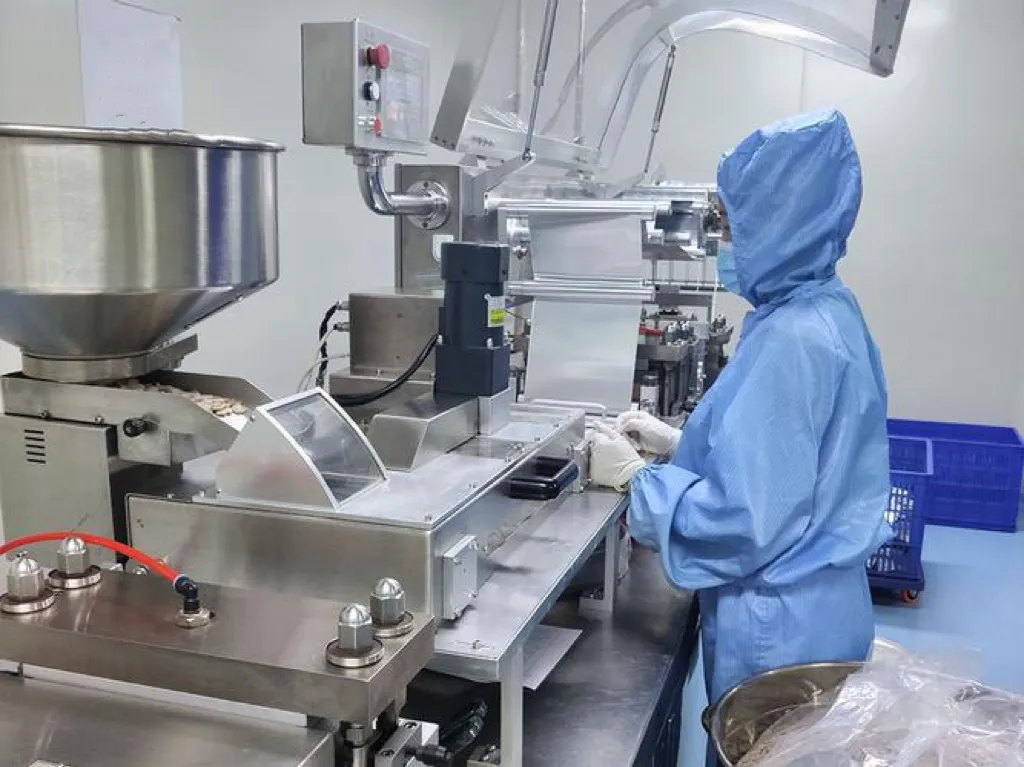
The composition of chewable dog vitamins involves a complex interplay of materials. The primary active ingredients consist of vitamins (A, D, E, C, B-complex), minerals (calcium, phosphorus, zinc, iron), and potentially other functional compounds like omega-3 fatty acids, probiotics, or glucosamine. These are dispersed within a palatable matrix. The matrix commonly utilizes gelatin, starch (corn, tapioca, potato), glycerin, cellulose, and various binding agents like polyvinylpyrrolidone (PVP) or hydroxypropyl methylcellulose (HPMC). Gelatin contributes to chewiness and binding, but its source (bovine, porcine, fish) impacts consumer preference and potential allergenicity. Starch provides structure and acts as a diluent. Glycerin functions as a plasticizer, enhancing flexibility and reducing brittleness. Cellulose aids in tablet formation and fiber content. Manufacturing typically employs a wet granulation process. Active ingredients and excipients are initially dry blended. A liquid binder (glycerin and water) is then added, forming a cohesive mass. This mass is extruded, shaped, and subsequently dried to reduce moisture content to a specified level (typically <10%). Key parameter control during drying is critical; insufficient drying leads to microbial growth, while excessive drying results in brittleness and crumbling. Coating with a film (e.g., HPMC) is often applied to improve palatability, mask odor, and provide moisture protection. Particle size distribution of ingredients influences blend uniformity and bioavailability. Mixing time and speed are optimized to ensure homogeneous distribution of active compounds. Compression force during tableting affects hardness and disintegration rate. Ensuring consistent batch-to-batch variation requires stringent control of raw material quality, process parameters, and analytical testing.
Performance & Engineering
Performance of chewable dog vitamins centers on bioavailability, palatability, and stability. Bioavailability – the extent to which nutrients are absorbed and utilized by the dog’s body – is influenced by ingredient form, particle size, and the presence of absorption enhancers. Fat-soluble vitamins (A, D, E, K) require dietary fat for optimal absorption, necessitating the inclusion of lipid sources in the formulation. Palatability is paramount, as a rejected vitamin offers no benefit. This is achieved through flavor coatings (beef, chicken, peanut butter) and optimizing texture. Force analysis during chewability testing (using a texture analyzer) quantifies the force required to break down the vitamin, ensuring it is readily consumed by a range of dog breeds and ages. Environmental resistance is crucial for maintaining product integrity during storage and transit. Moisture uptake can lead to softening, microbial growth, and degradation of vitamins. Packaging materials (e.g., high-density polyethylene (HDPE) bottles with desiccant inserts) provide a moisture barrier. Temperature fluctuations can also affect stability. Accelerated stability testing (exposing products to elevated temperatures and humidity) is conducted to predict shelf life. Compliance with regulatory requirements – specifically, AAFCO (Association of American Feed Control Officials) guidelines – is essential. AAFCO establishes standards for vitamin and mineral content, labeling accuracy, and manufacturing practices. The formulation must demonstrate adherence to these standards through rigorous analytical testing and documentation.
Technical Specifications
| Parameter | Unit | Typical Value | Test Method |
|---|---|---|---|
| Vitamin A Content | IU/tablet | 5,000 | HPLC |
| Vitamin D3 Content | IU/tablet | 500 | HPLC |
| Vitamin E Content | IU/tablet | 30 | HPLC |
| Moisture Content | % w/w | <10 | Karl Fischer Titration |
| Hardness | N | 20-50 | Tablet Hardness Tester |
| Disintegration Time | minutes | <30 | USP <701> |
Failure Mode & Maintenance
Common failure modes in chewable dog vitamins include: 1) Softening/Stickiness: High moisture absorption leading to a loss of shape and adherence to packaging or teeth. Contributing factors: insufficient drying during manufacturing, inadequate packaging moisture barrier. Mitigation: improved drying protocols, use of desiccant inserts, optimized packaging materials. 2) Cracking/Crumbling: Resulting from excessive drying, low glycerin content, or impact during handling. Mitigation: optimize drying parameters, increase glycerin concentration, implement gentle handling procedures. 3) Vitamin Degradation: Loss of potency due to exposure to light, oxygen, or heat. Mitigation: use of opaque packaging, addition of antioxidants (e.g., Vitamin C, Vitamin E), controlled storage temperature. 4) Flavor Loss: Volatilization of flavor compounds over time, reducing palatability. Mitigation: encapsulation of flavor compounds, use of airtight packaging. 5) Microbial Contamination: Growth of bacteria or mold due to inadequate preservation or water activity. Mitigation: strict adherence to GMP (Good Manufacturing Practices), effective preservative systems, and proper sanitation. Maintenance involves proper storage – cool, dry place away from direct sunlight. Regular inspection of packaging for damage is critical. Discard any product exhibiting signs of degradation (discoloration, off-odor, softening). Maintaining a first-in, first-out (FIFO) inventory system minimizes storage duration and ensures product freshness.
Industry FAQ
Q: What is the optimal moisture content for chewable dog vitamins and how is it controlled?
A: The optimal moisture content is generally below 10% w/w. Higher moisture levels promote microbial growth and can lead to softening. Control is achieved through precise drying parameters during manufacturing – temperature, humidity, and air velocity are carefully monitored and adjusted. Karl Fischer titration is the standard method for determining moisture content.
Q: How does the source of gelatin affect the product, and what are the alternatives?
A: Gelatin source (bovine, porcine, fish) impacts consumer preference due to religious or dietary restrictions, as well as potential allergenicity. Bovine and porcine are most common but can trigger allergic reactions in sensitive dogs. Fish gelatin is hypoallergenic, but can impart a fishy odor. Alternatives include starch-based matrices, cellulose derivatives, and PVP/HPMC blends, though these may affect texture and palatability.
Q: What is AAFCO’s role in regulating chewable dog vitamin production?
A: AAFCO doesn't directly regulate production, but establishes standards for nutrient content, labeling, and ingredient definitions. Manufacturers must adhere to AAFCO guidelines to ensure product safety and efficacy. AAFCO also provides a framework for substantiating health claims made on product labels.
Q: How are accelerated stability tests used to determine shelf life?
A: Accelerated stability tests expose products to elevated temperatures and humidity levels to simulate long-term storage conditions in a shorter timeframe. The rate of degradation is measured (e.g., vitamin potency loss, moisture uptake) and extrapolated to predict shelf life under normal storage conditions. This data is essential for establishing expiration dates.
Q: What are the key considerations for packaging to ensure product stability?
A: Packaging must provide a moisture barrier (HDPE bottles with desiccant), protect against light (opaque materials), and maintain airtightness to prevent oxidation and flavor loss. The packaging material must also be compatible with the vitamin formulation and not leach any harmful substances.
Conclusion
Chewable dog vitamins represent a technically complex product category, requiring careful consideration of material science, manufacturing processes, and performance parameters. Maintaining bioavailability, palatability, and stability are critical for ensuring product efficacy and consumer satisfaction. Stringent quality control measures, adherence to regulatory standards (AAFCO), and a thorough understanding of potential failure modes are essential for producing a safe and effective supplement.
Future trends will likely focus on enhanced bioavailability through novel encapsulation techniques, personalized vitamin formulations based on breed and individual dog needs, and sustainable packaging materials. Continued research into nutrient interactions and the optimization of manufacturing processes will be crucial for advancing the field of canine nutritional supplementation.
Latest news
Copyright © 2026
Dingzhou Kangquan Pharmaceutical Co., Ltd. All Rights Reserved. Sitemap | Privacy
Policy


