
Apr . 01, 2024 17:55 Back to list
chicken antifungal medicine Performance Analysis
Introduction
Antifungal medications for poultry, specifically chickens, represent a critical component of modern avian healthcare. These pharmaceuticals are utilized to combat a diverse range of fungal infections impacting poultry production, including aspergillosis, candidiasis, and favus. The technical position of these medicines falls within the veterinary pharmaceutical industry, directly linked to poultry feed additive manufacturing and biosecurity protocols. Core performance indicators revolve around efficacy against targeted fungal pathogens, minimal residue levels in avian products (meat and eggs), and the prevention of the development of antifungal resistance. The increasing prevalence of immunocompromised flocks, driven by intensive farming practices and environmental stressors, necessitates the continuous development and application of effective antifungal strategies. This guide provides a comprehensive technical overview of chicken antifungal medicine, covering material science, manufacturing, performance, failure modes, and industry best practices.
Material Science & Manufacturing
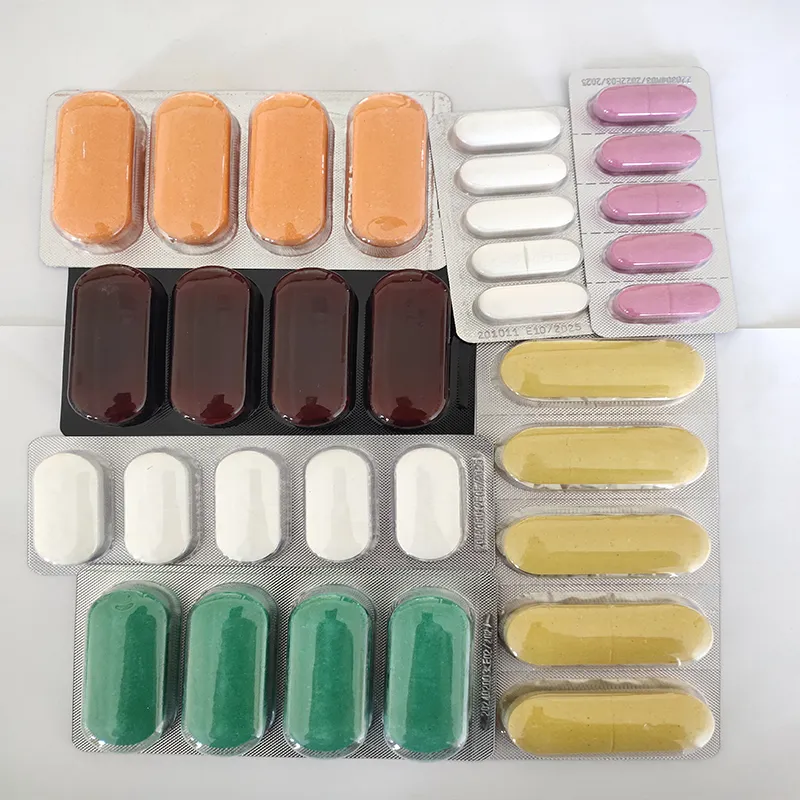
The active pharmaceutical ingredients (APIs) in chicken antifungal medicine vary, but commonly include polyenes (nystatin, amphotericin B), azoles (ketoconazole, fluconazole), and allylamines (terbinafine). Nystatin, a polyene, is produced via fermentation of Streptomyces noursei, requiring precise control of media composition (glucose, nitrogen sources, trace elements), pH, temperature, and aeration. Amphotericin B is similarly derived from Streptomyces nodosus fermentation. Azole and allylamine APIs are typically synthesized through multi-step organic chemical processes, demanding stringent quality control at each stage. Excipients, crucial for formulation, include carriers (e.g., microcrystalline cellulose, lactose), binders (e.g., polyvinylpyrrolidone), disintegrants (e.g., croscarmellose sodium), and stabilizers (e.g., antioxidants). Manufacturing processes involve blending API and excipients, granulation (wet or dry), tableting or encapsulation, and coating (for sustained release or palatability). Key parameter control focuses on particle size distribution of API and excipients, blending uniformity, tablet hardness, disintegration time, and coating thickness. Solubility and bioavailability of the API are critical parameters influenced by particle size and formulation components. Water activity control is essential to prevent microbial growth during storage. Manufacturing must adhere to Good Manufacturing Practices (GMP) as defined by regulatory bodies.
Performance & Engineering
The performance of chicken antifungal medicine is evaluated based on in vitro and in vivo efficacy studies. In vitro assays determine the minimum inhibitory concentration (MIC) and minimum fungicidal concentration (MFC) against target fungal species. In vivo studies assess therapeutic efficacy in infected chickens, monitoring clinical signs (e.g., respiratory distress, reduced feed intake), fungal load in affected tissues (e.g., lungs, air sacs), and mortality rates. Pharmacokinetic studies are vital, determining absorption, distribution, metabolism, and excretion (ADME) of the API. Bioavailability, often limited by poor solubility or first-pass metabolism, influences dosage requirements. Engineering considerations include formulation design to optimize drug delivery. Sustained-release formulations can reduce dosing frequency and improve compliance. Palatability is crucial for ensuring adequate drug intake, especially in flock settings. Environmental resistance is less of a concern for the API itself, but formulation stability under varying temperature and humidity conditions is paramount. Compliance requirements include adherence to veterinary drug regulations, setting maximum residue limits (MRLs) for the API in poultry products to ensure food safety. Force analysis during tableting (compression force) is crucial to achieve desired tablet hardness and disintegration properties.
Technical Specifications
| API Name | Molecular Weight (g/mol) | Solubility in Water (mg/mL) | MIC against Aspergillus fumigatus (µg/mL) |
|---|---|---|---|
| Nystatin | 914.18 | Slightly soluble (approx. 0.1) | 0.25 – 1.0 |
| Amphotericin B | 971.04 | Slightly soluble (approx. 0.05) | 0.5 – 2.0 |
| Ketoconazole | 368.85 | Practically insoluble | 0.1 – 0.5 |
| Fluconazole | 304.32 | Slightly soluble (approx. 0.3) | 0.5 – 2.0 |
| Terbinafine | 291.43 | Practically insoluble | 0.05 – 0.2 |
| Formulation Type (Tablet) | - | - | Disintegration Time (min) : <30 |
Failure Mode & Maintenance
Failure modes in chicken antifungal medicine can be categorized as formulation-related, efficacy-related, and resistance-related. Formulation failures include tablet capping/laminating due to insufficient binder, friability due to over-granulation, and poor disintegration due to excessive binder. Efficacy failures can arise from sub-therapeutic drug concentrations, incorrect diagnosis of the fungal infection, or co-infections masking the antifungal effect. The most concerning failure mode is the development of antifungal resistance. Prolonged or inappropriate use of antifungals selects for resistant fungal strains. Resistance mechanisms include altered target site affinity, increased efflux pump expression, and enhanced cell wall integrity. Maintenance strategies involve proper storage conditions (cool, dry place, protected from light), adherence to recommended dosage regimens, and implementing biosecurity measures to minimize fungal exposure. Regular monitoring of fungal susceptibility patterns is crucial to detect emerging resistance. Rotation of antifungal classes can slow the development of resistance. Prophylactic use of antifungals should be minimized to preserve efficacy. Periodic assessment of manufacturing processes and quality control procedures is essential to prevent formulation failures.
Industry FAQ
Q: What is the impact of feed composition on the bioavailability of orally administered antifungal medications?
A: Feed composition significantly influences bioavailability. High fiber content can reduce drug absorption by increasing gut transit time and binding to the API. Certain feed ingredients, like calcium carbonate, can alter gastric pH, impacting the solubility of some azole antifungals. Lipid content can affect absorption for lipophilic drugs. Formulating the medication with coated granules can mitigate some of these feed interactions.
Q: How do you determine the appropriate withdrawal period for an antifungal medication to ensure MRLs are not exceeded?
A: Withdrawal periods are established through rigorous residue depletion studies. These studies involve administering the medication at the therapeutic dose and monitoring tissue (muscle, liver, eggs) and fluid (blood) samples at various time points post-treatment. Residue levels are quantified using sensitive analytical techniques (e.g., HPLC-MS/MS). The withdrawal period is set to ensure residue levels are below the established MRLs.
Q: What analytical methods are commonly used for quality control of antifungal APIs and finished products?
A: High-Performance Liquid Chromatography (HPLC) with UV or mass spectrometry (MS) detection is the most common method for quantifying APIs. Titration is used for assaying some polyene antifungals. Thin-Layer Chromatography (TLC) is used for identifying APIs and detecting impurities. Karl Fischer titration is used to determine water content. Dissolution testing is used to assess drug release from solid dosage forms.
Q: What are the primary challenges in formulating a palatable antifungal medication for poultry?
A: Many antifungal APIs have a bitter taste, making palatability a significant challenge. Coating the medication with a palatable coating agent (e.g., sugar, polymer) is a common approach. Incorporating flavoring agents (e.g., fruit extracts) can also improve acceptance. The formulation must be stable and not degrade the API. Particle size distribution also influences palatability; fine particles are generally more readily consumed.
Q: What role does biosecurity play in reducing the need for antifungal medications?
A: Robust biosecurity measures are paramount in preventing fungal infections. This includes controlling dust, maintaining proper ventilation, minimizing moisture, implementing strict hygiene protocols (disinfection of housing, equipment, and personnel), and sourcing disease-free chicks. Effective biosecurity reduces fungal spore load in the environment, decreasing the risk of infection and lessening the reliance on antifungal treatments.
Conclusion
Chicken antifungal medicine is a critical component of modern poultry health management, demanding a rigorous understanding of its material science, manufacturing processes, and performance characteristics. Maintaining efficacy and preventing the emergence of antifungal resistance require a multi-faceted approach, encompassing appropriate drug selection, adherence to dosage guidelines, and proactive biosecurity measures. The ongoing development of novel antifungal formulations and diagnostic tools will be crucial for addressing the evolving challenges in avian fungal disease management.
Future research should focus on identifying novel antifungal targets, developing more potent and selective APIs, and engineering advanced drug delivery systems to improve bioavailability and reduce the risk of resistance. Furthermore, implementing comprehensive surveillance programs to monitor antifungal susceptibility patterns will be essential for guiding therapeutic decisions and preserving the effectiveness of these vital medications. Continuous improvement in manufacturing quality control and adherence to international standards are paramount.
Latest news
Copyright © 2026
Dingzhou Kangquan Pharmaceutical Co., Ltd. All Rights Reserved. Sitemap | Privacy
Policy


