
Apr . 01, 2024 17:55 Back to list
chicken booster medicine Performance Analysis

Introduction
Chicken booster medicine, encompassing a range of formulations designed to enhance avian immune response, metabolic function, and overall health, represents a critical component of modern poultry production. These supplements, typically administered via drinking water, are positioned within the animal health industry as preventative and restorative agents, bridging the gap between prophylactic vaccination and therapeutic intervention. Core performance indicators include improvements in feed conversion ratio (FCR), increased weight gain, reduced mortality rates, and enhanced resistance to common poultry diseases like infectious bronchitis and coccidiosis. The market is driven by increasing demand for poultry meat, heightened awareness of biosecurity risks, and a continuous push for improved production efficiency. Understanding the precise composition, manufacturing processes, and performance characteristics of these boosters is essential for optimal flock health management and economic viability.
Material Science & Manufacturing
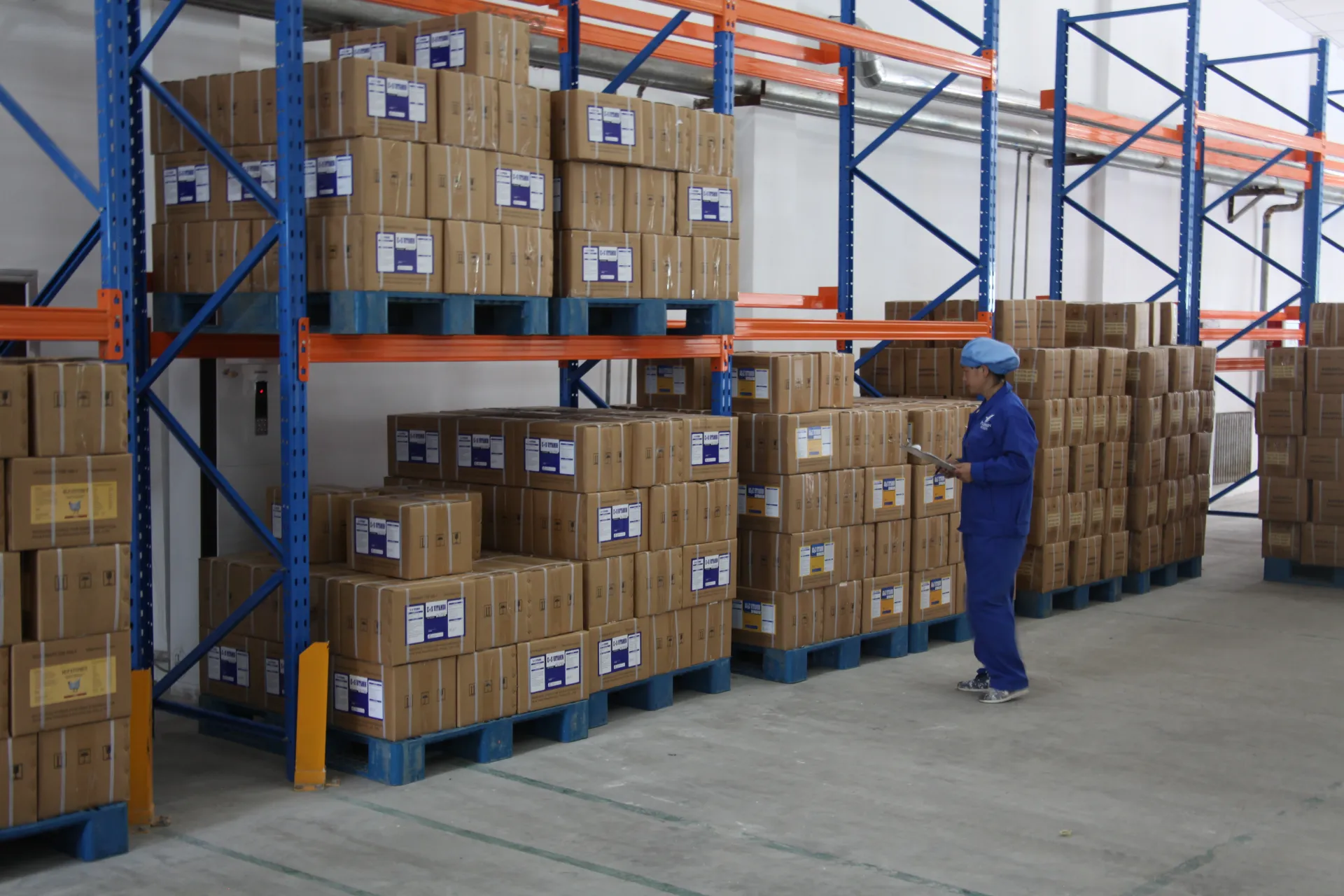
The composition of chicken booster medicine varies widely depending on the intended function, but generally includes vitamins (A, D3, E, B-complex), minerals (trace minerals like selenium, zinc, manganese), amino acids (lysine, methionine), probiotics, prebiotics, herbal extracts, and immunomodulators. Raw material sourcing is paramount, with strict quality control measures required to ensure purity and potency. Vitamins and amino acids are commonly synthesized via fermentation processes or chemical synthesis, followed by microencapsulation to protect against degradation during storage and administration. Mineral sources are often inorganic salts (e.g., zinc sulfate, manganese oxide) or organic chelates, the latter offering improved bioavailability. Probiotics typically consist of Bacillus, Lactobacillus, or Saccharomyces strains, cultivated in controlled bioreactors and lyophilized (freeze-dried) to maintain viability. Manufacturing processes primarily involve blending of powdered ingredients, granulation to improve flowability, and formulation into soluble powders or liquid concentrates. Key parameter control includes maintaining precise ingredient ratios, controlling particle size distribution, ensuring complete solubility, and adhering to Good Manufacturing Practices (GMP) standards to prevent contamination. The excipients used, such as carriers and stabilizers, must be pharmacologically inert and compatible with the active ingredients. Stability testing is critical to determine shelf life and storage conditions.
Performance & Engineering
The efficacy of chicken booster medicine hinges on several performance factors. Bioavailability, the extent to which the active ingredients are absorbed and utilized by the bird, is a critical engineering consideration. Factors influencing bioavailability include particle size, solubility, gut health, and interactions with feed components. Formulation strategies like microencapsulation and the use of chelated minerals aim to enhance absorption. Environmental resistance, particularly thermal stability and susceptibility to oxidation, impacts product shelf life and potency. Packaging materials must provide adequate barrier protection against moisture, light, and oxygen. Compliance requirements, dictated by regulatory agencies like the FDA (in the US) and EFSA (in Europe), necessitate rigorous testing for safety, efficacy, and residue levels. The engineering of delivery systems, often involving water-soluble powders, requires careful attention to dissolution rates and compatibility with water quality (pH, mineral content). Force analysis isn’t directly applicable, but understanding the shear stress during mixing and blending is important for maintaining ingredient integrity. Dosage rates are carefully calculated based on bird age, weight, and health status, ensuring optimal therapeutic concentrations without causing adverse effects. Furthermore, the synergistic effects of different ingredients are often engineered to maximize the overall booster effect.
Technical Specifications
| Parameter | Unit | Specification Range | Test Method |
|---|---|---|---|
| Vitamin A Potency | IU/kg | 500,000 – 1,000,000 | HPLC |
| Vitamin D3 Potency | IU/kg | 100,000 – 200,000 | HPLC |
| Lysine Content | % | 15 – 25 | Amino Acid Analysis |
| Methionine Content | % | 8 – 12 | Amino Acid Analysis |
| Zinc Content (as Zn) | mg/kg | 500 – 1000 | Atomic Absorption Spectroscopy |
| Probiotic Viability (CFU/g) | CFU/g | > 1 x 10^8 | Plate Count |
Failure Mode & Maintenance
Failure modes in chicken booster medicine typically manifest as reduced efficacy rather than catastrophic product failure. Degradation of vitamins due to oxidation or UV exposure is a common issue, leading to a loss of potency. Hygroscopic nature of certain ingredients can cause caking and reduced solubility, hindering proper administration. Microbial contamination during manufacturing or storage can compromise product safety and efficacy. Improper storage conditions, such as high temperatures or humidity, accelerate degradation processes. Delamination of microencapsulated ingredients can occur if the coating is compromised, reducing bioavailability. Oxidation of amino acids and fats can lead to rancidity and reduced nutritional value. Maintenance protocols include strict adherence to GMP standards during manufacturing, proper packaging to protect against environmental factors, controlled storage conditions (cool, dry place), and regular quality control testing to verify potency and purity. Batch traceability is crucial for identifying and addressing potential issues. Shelf-life monitoring and expiry date adherence are essential to ensure product integrity. Furthermore, proper handling by poultry farmers, including appropriate mixing ratios and water sanitation, is vital for maximizing effectiveness.
Industry FAQ
Q: What is the impact of water quality on the efficacy of water-soluble booster medicines?
A: Water quality significantly impacts efficacy. High mineral content or extreme pH levels can reduce the solubility of certain ingredients and promote precipitation, decreasing bioavailability. Chlorine or other disinfectants can also degrade vitamins and probiotics. It's recommended to use clean, potable water with a pH between 6 and 7, and to neutralize chlorine before adding the booster.
Q: How do you ensure the stability of probiotics in a powdered booster formulation?
A: Probiotic stability is maintained primarily through lyophilization (freeze-drying), which removes moisture and preserves viability. Microencapsulation can provide an additional layer of protection against environmental stresses. Packaging in airtight, moisture-resistant containers and storing in a cool, dry place are also critical.
Q: What are the implications of using organic versus inorganic trace minerals in booster medicines?
A: Organic trace minerals (chelates) generally exhibit higher bioavailability than inorganic salts, leading to improved absorption and utilization by the bird. However, they are typically more expensive. The choice depends on cost-benefit analysis and the specific mineral requirements of the flock.
Q: How do you validate the claims made regarding the performance benefits of a booster medicine?
A: Validation involves conducting controlled feeding trials with statistically significant sample sizes. Key performance indicators (FCR, weight gain, mortality) are measured and compared between treatment groups (with and without the booster) and a control group. Data analysis employs statistical methods to determine the significance of observed differences.
Q: What regulatory considerations are paramount when formulating and marketing chicken booster medicine?
A: Regulatory compliance is critical. In the US, the FDA regulates animal drugs and food additives. In Europe, EFSA plays a key role. Requirements include demonstrating safety and efficacy, adhering to GMP standards, proper labeling, and residue monitoring. Registration and approval processes vary depending on the jurisdiction and the specific ingredients used.
Conclusion
Chicken booster medicine represents a complex interplay of material science, formulation engineering, and biological efficacy. Successful implementation relies on stringent quality control throughout the entire production process, from raw material sourcing to finished product delivery. Understanding the potential failure modes – primarily degradation and bioavailability issues – is essential for developing effective preventative maintenance strategies, including optimized storage and handling protocols.
The future of chicken booster medicine will likely focus on personalized nutrition strategies, leveraging advancements in genomics and microbiome analysis to tailor formulations to specific flock needs. Furthermore, the development of novel delivery systems, such as nanoencapsulation, promises to further enhance bioavailability and efficacy. Continued adherence to rigorous regulatory standards and a commitment to sustainable manufacturing practices will be crucial for ensuring the long-term viability of this critical sector within the poultry industry.
Latest news
Copyright © 2026
Dingzhou Kangquan Pharmaceutical Co., Ltd. All Rights Reserved. Sitemap | Privacy
Policy


