
Apr . 01, 2024 17:55 Back to list
Chicken Cough Treatment Pharmaceutical Manufacturing

Introduction
Avian infectious bronchitis (IB) and Mycoplasma gallisepticum (MG) are primary etiological agents responsible for respiratory disease, manifesting as cough, in commercial poultry. This technical guide details the comprehensive approach to the treatment of cough in chickens, encompassing causative agents, diagnostic methods, pharmaceutical interventions, supportive care, biosecurity protocols, and preventative strategies. The global poultry industry suffers significant economic losses due to respiratory illnesses; effective treatment strategies are crucial for maintaining flock health, optimizing production efficiency, and minimizing antimicrobial resistance. This guide specifically addresses the complexities of managing respiratory disease, moving beyond symptomatic relief to address underlying pathological mechanisms and preventative measures. A key challenge lies in differentiating viral from bacterial etiologies, guiding targeted antimicrobial use. Understanding the pharmacokinetic and pharmacodynamic properties of treatment options is also paramount.
Material Science & Manufacturing
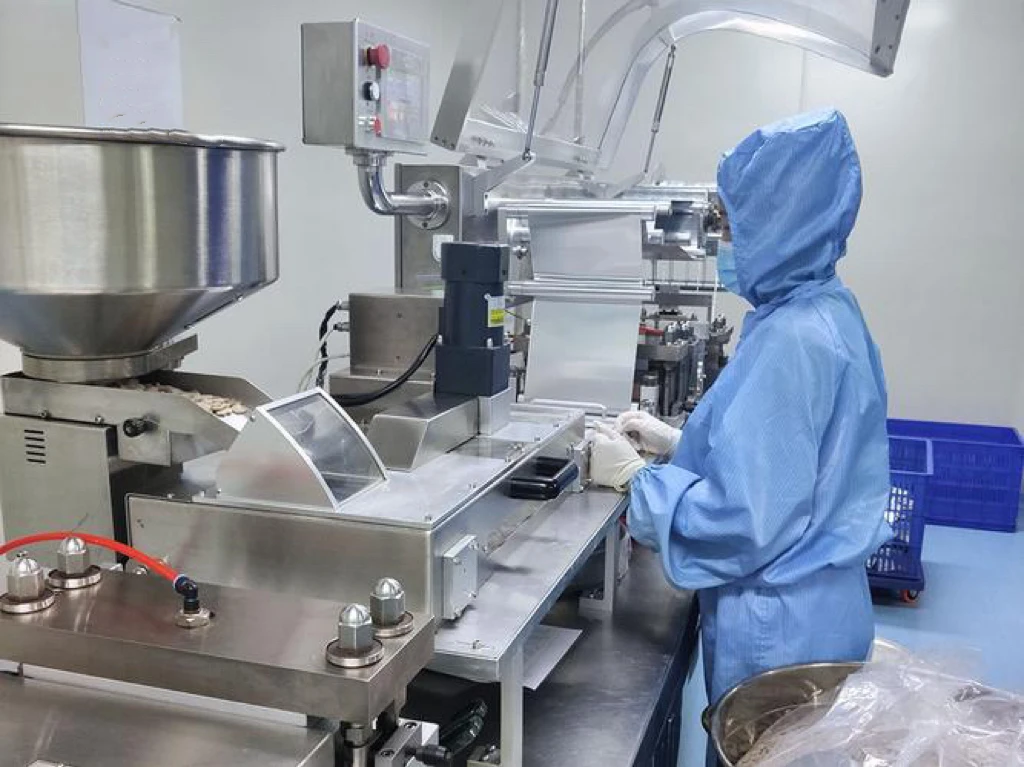
The manufacture of pharmaceuticals used in the treatment of chicken cough relies heavily on precise chemical synthesis and formulation science. Antibiotics, like tylosin and enrofloxacin, are produced via fermentation processes utilizing specialized bacterial strains. Raw materials undergo stringent quality control, including High-Performance Liquid Chromatography (HPLC) analysis for purity and identification of key components. Formulation involves combining the active pharmaceutical ingredient (API) with excipients: carriers (e.g., lactose, starch), binders (e.g., polyvinylpyrrolidone), disintegrants (e.g., croscarmellose sodium), and lubricants (e.g., magnesium stearate). These excipients influence drug dissolution rate, bioavailability, and palatability. Water-soluble formulations for mass medication require careful pH adjustment and osmolality control to ensure compatibility with drinking water and minimize precipitation. Vaccines are manufactured through viral propagation in embryonated eggs, followed by inactivation (for killed vaccines) or attenuation (for live vaccines). The inactivation process, typically using formaldehyde or beta-propiolactone, requires precise control of temperature, pH, and reaction time to ensure complete inactivation without damaging viral antigens. Lyophilization (freeze-drying) is employed to enhance vaccine stability and shelf life. The manufacturing process adheres to Good Manufacturing Practices (GMP) outlined by veterinary regulatory agencies.
Performance & Engineering
The efficacy of cough treatment hinges on pharmacokinetics (PK) and pharmacodynamics (PD). PK dictates how the body affects the drug – absorption, distribution, metabolism, and excretion. For oral antibiotics, bioavailability is critical, often limited by gut pH and first-pass metabolism. Formulations utilizing enteric coatings can improve drug delivery to the lower gastrointestinal tract. Distribution is influenced by blood flow, protein binding, and tissue permeability. PD describes how the drug affects the body. Antibiotic PD focuses on minimum inhibitory concentration (MIC) – the lowest concentration preventing bacterial growth – and the time the drug concentration remains above the MIC. Time-dependent antibiotics (e.g., beta-lactams) require prolonged exposure above the MIC, whereas concentration-dependent antibiotics (e.g., aminoglycosides) benefit from achieving high peak concentrations. Vaccine efficacy is evaluated by challenge studies, assessing the protection conferred against homologous and heterologous strains. Engineering considerations involve optimizing droplet size in spray vaccination to ensure adequate respiratory deposition and minimizing vaccine wastage. Ventilation systems in poultry houses must be designed to ensure uniform distribution of medicated water or aerosolized vaccines.
Technical Specifications
| Active Pharmaceutical Ingredient (API) | Concentration | Administration Route | Withdrawal Period (Days) |
|---|---|---|---|
| Tylosin | 100mg/mL | Oral (Drinking Water) | 7 |
| Enrofloxacin | 10% | Oral (Drinking Water) | 8 |
| Amoxicillin Trihydrate | 250mg/mL | Oral (Drinking Water) | 5 |
| Doxycycline Hyclate | 100mg/kg | Oral (Feed) | 7 |
| Live IB Vaccine (Massachusetts Type) | 105 EID50/dose | Ophthalmic/Intra-nasal | 0 |
| MG Vaccine (F Strain) | 106 EID50/dose | Subcutaneous Injection | 0 |
Failure Mode & Maintenance
Treatment failure in chicken cough can arise from several sources. Antimicrobial resistance is a major concern, driven by overuse and improper application of antibiotics. Biofilm formation by bacteria like MG can protect them from antibiotic penetration. Viral reassortment can lead to antigenically drifted strains, reducing vaccine efficacy. Incorrect diagnosis (misidentifying the causative agent) results in inappropriate treatment. Poor biosecurity practices facilitate secondary infections. Pharmacokinetic issues, such as inadequate drug absorption or rapid metabolism, can lead to sub-therapeutic concentrations. Maintenance strategies include: regular monitoring of antimicrobial susceptibility patterns; implementation of robust biosecurity protocols (disinfection, hygiene, restricted access); optimizing ventilation and litter management to reduce ammonia levels; providing adequate nutrition to support immune function; and employing vaccination programs tailored to local disease challenges. Post-treatment monitoring (e.g., PCR for MG, serological testing for IB) is essential to confirm eradication and prevent recurrence. Regular facility sanitation and equipment maintenance (e.g., nebulizers, sprayers) are also vital.
Industry FAQ
Q: What is the best approach to differentiate between viral and bacterial etiologies of cough in a flock?
A: Accurate differentiation requires a combination of diagnostic techniques. PCR assays are highly specific for detecting viral nucleic acids (IBV, Newcastle disease virus) and bacterial DNA (Mycoplasma gallisepticum). Serological testing (ELISA) can detect antibody responses, indicating previous or current infection. Tracheal or choanal swabs for culture and sensitivity testing can identify bacterial pathogens and determine their antibiotic susceptibility. Histopathology of lung tissue can reveal characteristic lesions associated with viral or bacterial infections. A comprehensive diagnostic panel is crucial for informed treatment decisions.
Q: What are the key considerations when selecting an antibiotic for Mycoplasma gallisepticum treatment?
A: MG is often resistant to beta-lactam antibiotics. Tylosin, enrofloxacin, and doxycycline are commonly used, but local resistance patterns should be considered. MIC testing is essential to guide antibiotic selection. Prolonged treatment courses (typically 7-10 days) are often necessary to eradicate the infection. Concurrent administration of anti-inflammatory agents may alleviate respiratory distress. The withdrawal period must be strictly observed to avoid residues in meat and eggs.
Q: How can we minimize the development of antimicrobial resistance in poultry flocks?
A: Implementing a comprehensive antimicrobial stewardship program is paramount. This includes restricting antibiotic use to confirmed bacterial infections, using the narrowest-spectrum antibiotic effective against the identified pathogen, optimizing dosage and duration of treatment, improving biosecurity to prevent infections, and promoting vaccination programs. Regular monitoring of antimicrobial susceptibility is also crucial.
Q: What role does ventilation play in managing respiratory disease outbreaks?
A: Adequate ventilation is critical for removing ammonia, dust, and pathogens from the poultry house. Poor ventilation exacerbates respiratory irritation and increases the risk of secondary infections. Ventilation rates should be adjusted based on bird age, density, and environmental conditions. Air filtration can remove airborne pathogens. Proper maintenance of ventilation equipment is essential to ensure optimal performance.
Q: Beyond antibiotics and vaccines, what supportive care measures can be implemented during a cough outbreak?
A: Supportive care includes providing clean, palatable water, ensuring adequate nutrition (especially vitamins A, C, and E), reducing stress (avoiding overcrowding, minimizing handling), and maintaining optimal temperature and humidity. Electrolyte supplementation can help maintain hydration. Anti-inflammatory agents can alleviate respiratory distress. Controlling dust levels through litter management is also beneficial.
Conclusion
Effective treatment of cough in chickens requires a multi-faceted approach encompassing accurate diagnosis, appropriate pharmaceutical intervention, robust biosecurity protocols, and comprehensive preventative strategies. Antimicrobial resistance poses a significant challenge, necessitating judicious antibiotic use and implementation of antimicrobial stewardship programs. Understanding the pharmacokinetic and pharmacodynamic principles governing drug efficacy is crucial for optimizing treatment outcomes. The integration of vaccination, biosecurity, and supportive care is essential for minimizing the economic impact of respiratory disease on the poultry industry.
Continued research into novel vaccines, diagnostic tools, and alternative treatment modalities is vital to combat emerging pathogens and mitigate the risks associated with antimicrobial resistance. Proactive monitoring of disease trends and antimicrobial susceptibility patterns is essential for adapting treatment strategies and maintaining flock health. Collaboration between veterinarians, poultry producers, and regulatory agencies is crucial for safeguarding the sustainability of the poultry industry.
Latest news
Copyright © 2026
Dingzhou Kangquan Pharmaceutical Co., Ltd. All Rights Reserved. Sitemap | Privacy
Policy


