
Apr . 01, 2024 17:55 Back to list
chicken diarrhea medicine Manufacturing Analysis
Introduction
Avian anti-diarrheal medications, commonly referred to as chicken diarrhea medicine, represent a critical component of poultry health management. These formulations are designed to address a diverse range of etiological agents causing gastrointestinal distress in chickens, encompassing bacterial infections ( Salmonella, Clostridium perfringens), parasitic infestations (Coccidia), nutritional imbalances, and mycotoxin exposure. Their technical position within the poultry production chain is preventative and curative, directly impacting feed conversion ratios, growth rates, and mortality. Core performance metrics center on the restoration of intestinal homeostasis, reduction of fecal shedding, and improvement of hydration status. Effective medications target the underlying cause of the diarrhea while simultaneously mitigating dehydration and electrolyte imbalance, vital for sustained avian health. The challenge facing producers is selecting the correct formulation based on accurate diagnosis and understanding of antimicrobial resistance patterns, alongside proper administration techniques.
Material Science & Manufacturing
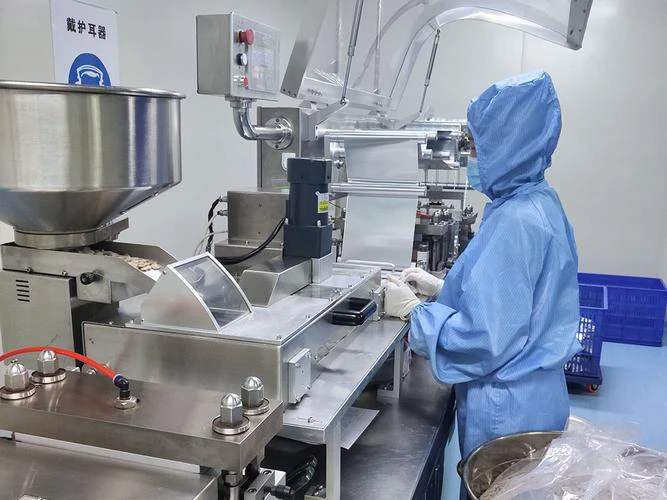
The formulation of chicken diarrhea medicine relies heavily on both the physical and chemical properties of its constituent components. Active pharmaceutical ingredients (APIs) commonly include antibiotics (e.g., neomycin sulfate, bacitracin methylene disalicylate), anti-protozoal drugs (e.g., amprolium, coccidiostats), electrolytes (sodium chloride, potassium chloride), and binding agents (kaolin, pectin). Raw material sourcing impacts the purity and bioavailability of these components. Manufacturing processes vary based on formulation type – powders, soluble liquids, gels, or pre-mixes. For powdered formulations, milling and micronization are critical to achieving consistent particle size, influencing dissolution rate and absorption. Liquid formulations require precise blending and sterilization to ensure stability and prevent microbial contamination. Electrolyte solutions demand accurate concentration control, utilizing conductivity measurements and titration. Kaolin, a common binder, undergoes purification processes to remove impurities and enhance its adsorptive capacity. The manufacturing of pre-mixes involves homogenous dispersion of the API into a carrier (e.g., wheat bran, rice hulls), requiring controlled mixing times and particle size analysis. Chemical compatibility between APIs and excipients is paramount to avoid degradation or formation of toxic byproducts; stability studies, utilizing HPLC and spectroscopic techniques, are crucial for determining shelf life. Parameter control during granulation (for powders) and homogenization (for liquids) is essential for batch-to-batch consistency. Container closure integrity testing ensures product sterility and prevents oxidation or moisture ingress.
Performance & Engineering
The efficacy of chicken diarrhea medicine is fundamentally linked to pharmacokinetic and pharmacodynamic principles. Bioavailability – the fraction of the administered dose reaching systemic circulation – dictates the therapeutic concentration achieved in the intestinal tract. This is heavily influenced by formulation (particle size, solubility), route of administration (oral, drinking water), and gut physiology. Force analysis during manufacturing assesses compression forces in tablet/bolus production, ensuring adequate hardness and friability. Environmental resistance is critical; APIs must remain stable under varying temperature and humidity conditions encountered during storage and transport. Compliance requirements are stringent, governed by veterinary drug regulations (e.g., FDA-CVM in the US, EMA in Europe). Functional implementation hinges on proper dosage calculations, considering chicken age, weight, and severity of infection. The impact of gut microbiota on drug metabolism is increasingly recognized; certain bacteria can degrade or modify APIs, reducing their effectiveness. Engineering considerations extend to packaging materials – selection of barrier films to protect against moisture and UV light is crucial. Analysis of fecal consistency (using a scoring system) and monitoring of weight gain are key indicators of treatment response. Electrolyte balance is maintained through the addition of salts like sodium and potassium, preventing hypokalemia and dehydration – key physiological consequences of diarrhea. Water solubility is engineered to maximize drug absorption and distribution within the intestinal lumen.
Technical Specifications
| API Concentration | pH Range (Solution) | Particle Size (Powder, µm) | Water Solubility (g/L) |
|---|---|---|---|
| Neomycin Sulfate: 50,000 IU/g | 6.0 – 7.5 | 10 – 50 | >100 |
| Amprolium: 50% | Not Applicable (Pre-mix) | N/A | Slightly Soluble |
| Bacitracin Methylene Disalicylate: 10 g/kg | 5.5 – 6.5 | 20 – 80 | Limited Solubility |
| Electrolyte Blend (NaCl, KCl): 200 g/L | 6.5 – 7.5 | N/A | Highly Soluble |
| Kaolin: 80% | Not Applicable (Powder) | 30 – 100 | Insoluble |
| Pectin: 10% | 4.0 – 5.0 | 50 -150 | Soluble |
Failure Mode & Maintenance
Failure modes in chicken diarrhea medicine can arise from several sources. API degradation due to improper storage (high temperature, humidity) leads to reduced potency. Premature crystallization in liquid formulations renders the medication ineffective. Bacterial contamination during manufacturing or reconstitution compromises sterility and introduces secondary infections. Poor palatability can result in reduced consumption by chickens, especially in drinking water administration. Antimicrobial resistance is a major concern; prolonged or inappropriate use of antibiotics can select for resistant bacterial strains. Failure of packaging materials (e.g., cracked containers, compromised seals) allows moisture ingress and degradation. Maintenance and preventative measures include rigorous quality control throughout the manufacturing process, adherence to cold chain logistics during transport, and proper storage according to manufacturer’s instructions. Regular monitoring of API potency through analytical testing (HPLC, bioassays) is essential. Implementing antimicrobial stewardship programs minimizes the development of resistance. Educating poultry producers on proper dosage, administration techniques, and sanitation protocols is critical. Regular inspection of storage facilities for temperature and humidity control helps prevent API degradation. Disposal of expired or contaminated medication according to regulatory guidelines prevents environmental contamination. Automated mixing systems with validated cleaning procedures minimize microbial contamination risk.
Industry FAQ
Q: What is the primary mechanism of action of neomycin sulfate in treating chicken diarrhea?
A: Neomycin sulfate is an aminoglycoside antibiotic that primarily acts by inhibiting protein synthesis in susceptible bacteria, particularly E. coli and Salmonella. This disruption of bacterial metabolism limits their growth and proliferation in the intestinal tract, reducing the inflammatory response and associated diarrhea.
Q: How does the particle size of a powdered formulation affect its effectiveness?
A: Smaller particle sizes generally lead to increased surface area, enhancing dissolution rate and absorption in the intestinal tract. However, excessively small particles can aggregate or be cleared more rapidly, potentially reducing bioavailability. Optimal particle size distribution (typically 10-50 µm) maximizes absorption and therapeutic effect.
Q: What are the potential drawbacks of using coccidiostats preventatively in poultry?
A: Prolonged and widespread prophylactic use of coccidiostats can lead to the development of drug resistance in Coccidia populations, rendering these medications ineffective over time. It can also disrupt the natural development of immunity in chicks, making them more susceptible to coccidiosis if the medication is withdrawn. Rotation of different classes of coccidiostats is a best practice to manage resistance.
Q: How should chicken diarrhea medicine be administered via drinking water to ensure accurate dosage?
A: Accurate dosage via drinking water requires careful calculation based on the number of birds and their average weight. The medication must be thoroughly mixed to ensure homogenous distribution, and water consumption should be monitored closely. Birds should have access to clean, fresh water at all times. The water line should be flushed before and after medication administration to prevent residue buildup.
Q: What are the key indicators that suggest a chicken diarrhea medicine is no longer effective?
A: Indicators include persistent diarrhea despite appropriate dosage and duration of treatment, increasing mortality rates, worsening fecal consistency scores, and the isolation of antibiotic-resistant bacteria from fecal samples. These findings warrant a re-evaluation of the diagnosis and consideration of alternative treatment strategies.
Conclusion
The effective management of chicken diarrhea necessitates a comprehensive understanding of both the causative agents and the technical aspects of pharmaceutical intervention. Avian anti-diarrheal medications, while essential tools, must be employed strategically, considering API properties, manufacturing processes, pharmacokinetic principles, and the growing threat of antimicrobial resistance. Optimizing formulation parameters, adhering to stringent quality control measures, and implementing responsible antimicrobial stewardship programs are crucial for maximizing treatment efficacy and minimizing adverse consequences.
Future advancements in poultry health management will likely focus on developing novel, targeted therapies that minimize disruption to the gut microbiome and promote natural immune responses. Research into alternative delivery systems, such as microencapsulation and probiotics, holds promise for enhancing drug bioavailability and reducing reliance on conventional antibiotics. Continued monitoring of antimicrobial resistance patterns and investment in diagnostic tools will be essential for ensuring the long-term sustainability of poultry production.
Latest news
Copyright © 2026
Dingzhou Kangquan Pharmaceutical Co., Ltd. All Rights Reserved. Sitemap | Privacy
Policy


