
Apr . 01, 2024 17:55 Back to list
chicken disease medicine Performance Analysis
Introduction
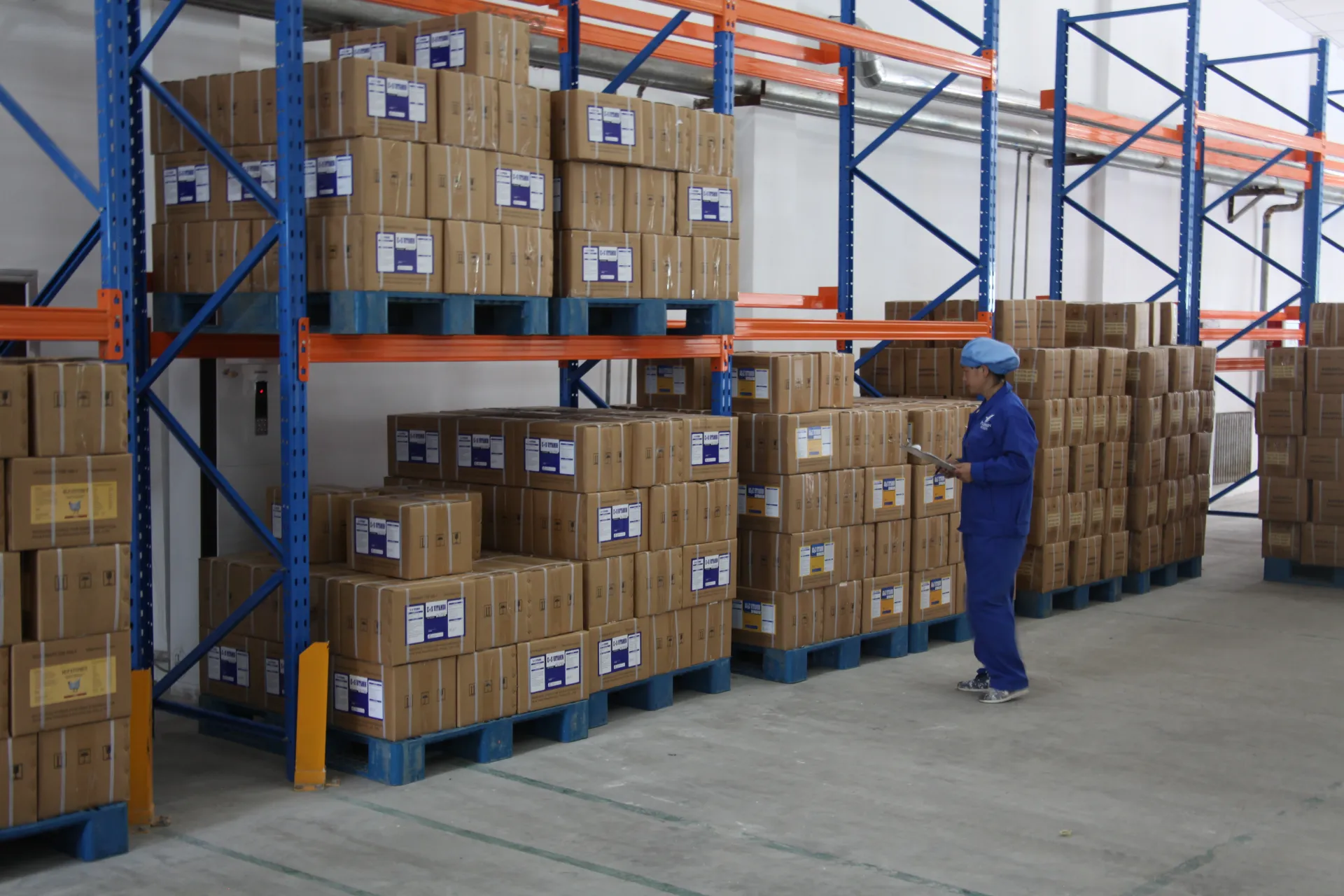
Avian therapeutics, commonly referred to as chicken disease medicine, represents a critical component of modern poultry production. These pharmaceuticals encompass a wide range of formulations – including antibiotics, anticoccidials, vitamins, and vaccines – designed to prevent, control, and treat diseases impacting domestic fowl. Positioned within the agricultural supply chain, avian therapeutics bridge the gap between pharmaceutical research & development and the practical demands of poultry farming. Core performance characteristics center around efficacy against targeted pathogens, pharmacokinetic properties (absorption, distribution, metabolism, and excretion), safety profiles minimizing residue accumulation in poultry products, and formulation stability ensuring prolonged shelf life under typical storage conditions. The industry faces persistent challenges including antimicrobial resistance, evolving viral strains, and stringent regulatory scrutiny concerning drug residue limits and animal welfare. Effective deployment of these medicines is crucial for maintaining poultry health, optimizing production efficiency, and safeguarding the human food supply.
Material Science & Manufacturing
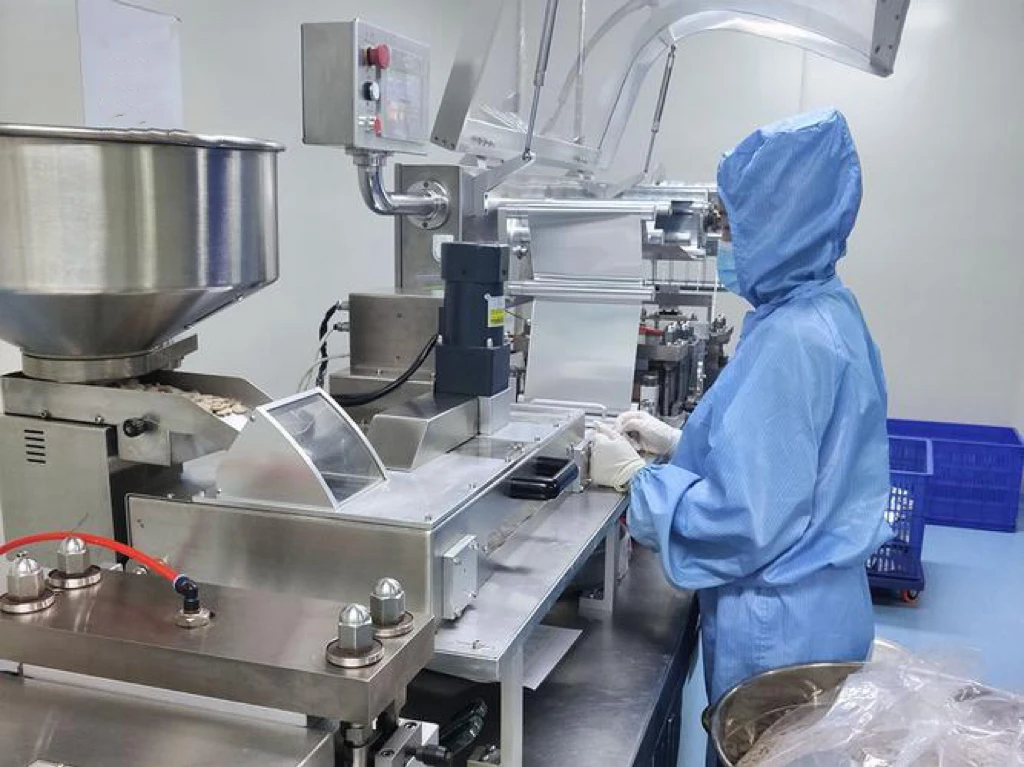
The production of avian therapeutics relies on diverse material science principles and precise manufacturing processes. Active Pharmaceutical Ingredients (APIs) are synthesized through complex organic chemistry, often involving multi-step reactions. Raw material purity, verified via High-Performance Liquid Chromatography (HPLC) and Mass Spectrometry (MS), is paramount. Excipients – inert substances formulating the drug for administration – dictate physical properties. These can include diluents (lactose, microcrystalline cellulose), binders (polyvinylpyrrolidone), disintegrants (croscarmellose sodium), and lubricants (magnesium stearate). Manufacturing varies by dosage form. Powdered medications require milling and blending to achieve homogenous particle size distribution. Oral solutions utilize solvent systems with controlled pH and viscosity. Injectable solutions demand stringent sterilization techniques (autoclaving, filtration) and pyrogen testing. Granulation processes (wet granulation, dry granulation) improve flowability and compressibility for tablet formation. Coating technologies (film coating, sugar coating) modulate drug release kinetics. Critical parameters during manufacturing include temperature control, mixing speed, compression force, and drying time, all monitored using Process Analytical Technology (PAT) to ensure consistent product quality. Chemical compatibility between APIs and excipients is rigorously assessed to prevent degradation or unwanted reactions. Packaging materials (glass vials, plastic bottles, blister packs) must be compatible with the formulation and provide adequate barrier protection against moisture and oxygen.
Performance & Engineering
The performance of avian therapeutics is fundamentally governed by pharmacokinetic and pharmacodynamic principles. Pharmacokinetics dictates the drug's journey within the chicken – absorption from the administration site (oral, intramuscular, subcutaneous), distribution to target tissues, metabolism by hepatic enzymes (primarily cytochrome P450), and excretion via urine, feces, or breath. Bioavailability – the fraction of the administered dose reaching systemic circulation – is a critical performance indicator. Pharmacodynamics describes the drug’s effect on the target pathogen or physiological system. Minimum Inhibitory Concentration (MIC) tests determine the lowest drug concentration that inhibits bacterial growth. Vaccine efficacy is measured by antibody titers and protection rates following challenge exposure. Engineering considerations include formulation design for sustained release, improved palatability to enhance compliance, and delivery system optimization (e.g., spray vaccination for respiratory diseases). Environmental resistance assessment evaluates drug stability under varying temperature, humidity, and light conditions. Compliance requirements, mandated by regulatory bodies (FDA-CVM, EMA), necessitate rigorous testing for drug residue levels in poultry meat and eggs to ensure consumer safety. Force analysis during tablet compression optimizes hardness and friability, ensuring mechanical integrity during handling and administration.
Technical Specifications
| API Concentration | Formulation Type | Withdrawal Period (Days) | pH Range |
|---|---|---|---|
| 500 mg/mL | Oral Solution | 7 | 6.0 – 7.5 |
| 100 mg/kg | Premix (Feed Additive) | 5 | N/A |
| 200 IU/mL | Injectable Suspension | 0 | 7.0 – 8.0 |
| 1 g/kg | Powder for Oral Administration | 3 | N/A |
| 10^8 CFU/dose | Live Vaccine (Spray) | 0 | N/A |
| 20% w/v | Topical Solution | 3 | 5.5 – 6.5 |
Failure Mode & Maintenance
Failure modes in avian therapeutics are diverse. Degradation of APIs due to hydrolysis, oxidation, or photolysis is common, impacting potency. Microbial contamination during manufacturing or storage renders products ineffective and potentially harmful. Loss of sterility in injectable formulations poses a significant safety risk. Tablet capping and lamination occur due to insufficient binder strength or excessive compression force. Premixes can exhibit segregation of ingredients, leading to uneven drug distribution in feed. Biofilm formation within dispensing equipment compromises dosage accuracy. Antimicrobial resistance development is a systemic failure mode, diminishing drug efficacy over time. Maintenance protocols include strict adherence to Good Manufacturing Practices (GMP), routine quality control testing (potency assays, sterility tests, impurity profiling), proper storage conditions (temperature, humidity control), and regular equipment calibration. Preventive maintenance on manufacturing equipment minimizes contamination risks. Implementation of antimicrobial stewardship programs mitigates the emergence of resistance. Monitoring of drug residue levels in poultry products ensures compliance with regulatory limits. Periodic validation of analytical methods guarantees reliable testing results.
Industry FAQ
Q: What are the primary challenges associated with ensuring the stability of heat-sensitive APIs in liquid avian formulations?
A: Maintaining the stability of heat-sensitive APIs in liquid formulations requires careful consideration of several factors. Formulation optimization is crucial, employing excipients that provide a protective microenvironment. Lyophilization (freeze-drying) is often employed to remove water, enhancing stability during storage, although reconstitution adds complexity. Packaging selection is critical, utilizing amber glass bottles to minimize light exposure and airtight seals to prevent oxidation. Cold chain management – maintaining strict temperature control throughout the supply chain – is essential. Addition of stabilizers, such as antioxidants and chelating agents, can mitigate degradation processes.
Q: How does the particle size distribution of a powdered antibiotic impact its bioavailability in poultry?
A: Particle size distribution significantly impacts bioavailability. Smaller particle sizes generally exhibit increased dissolution rates, leading to faster absorption in the gastrointestinal tract. However, excessively small particles can aggregate, reducing surface area and hindering dissolution. Optimal particle size distribution balances dissolution rate with aggregation potential. Milling and micronization techniques are employed to control particle size, and excipients can be incorporated to prevent aggregation.
Q: What analytical techniques are used to quantify drug residues in poultry tissues and eggs?
A: Quantification of drug residues typically employs Liquid Chromatography-Mass Spectrometry (LC-MS/MS). This technique provides high sensitivity and selectivity, enabling detection of trace levels of residues. Solid Phase Extraction (SPE) is used to pre-concentrate and purify samples prior to analysis. Gas Chromatography-Mass Spectrometry (GC-MS) is used for volatile compounds. Enzyme-Linked Immunosorbent Assay (ELISA) provides a rapid screening method, although it is less specific than LC-MS/MS.
Q: What are the key regulatory considerations for developing a new avian vaccine?
A: Developing a new avian vaccine involves rigorous regulatory scrutiny. Proof of efficacy is paramount, demonstrating protection against challenge exposure. Safety testing assesses potential adverse reactions in poultry. Vaccine purity and sterility must be confirmed. Potency assays establish consistent vaccine strength. Documentation of manufacturing processes (GMP compliance) is essential. Regulatory submissions to agencies like the FDA-CVM or EMA require comprehensive data packages detailing all aspects of vaccine development and production.
Q: How do variations in gut microbiome composition affect the efficacy of orally administered antibiotics in chickens?
A: The gut microbiome plays a crucial role in antibiotic efficacy. A diverse and balanced microbiome can enhance antibiotic activity by promoting drug metabolism or competing with pathogenic bacteria. Disruptions to the microbiome (dysbiosis) can reduce antibiotic efficacy by altering drug absorption, increasing resistance gene transfer, or compromising intestinal barrier function. Probiotic and prebiotic supplementation can help maintain microbiome health and improve antibiotic response.
Conclusion
Avian therapeutics represent a complex interplay of pharmaceutical science, veterinary medicine, and agricultural engineering. Ensuring the efficacy, safety, and quality of these medicines is critical for maintaining poultry health and ensuring food security. The industry faces ongoing challenges related to antimicrobial resistance, regulatory compliance, and evolving disease threats. Continuous innovation in formulation technology, delivery systems, and diagnostic tools is essential for addressing these challenges and improving poultry production practices.
Future developments will likely focus on personalized medicine approaches, tailoring therapeutic interventions based on individual flock health status and microbiome profiles. Advanced monitoring technologies, such as remote sensors and data analytics, will enable early disease detection and more targeted treatment strategies. Novel vaccine platforms and alternative antimicrobial agents are under development to combat resistance and minimize reliance on traditional antibiotics. Collaboration between researchers, manufacturers, and regulatory agencies is crucial for driving innovation and ensuring a sustainable future for poultry production.
Latest news
Copyright © 2026
Dingzhou Kangquan Pharmaceutical Co., Ltd. All Rights Reserved. Sitemap | Privacy
Policy


