
Apr . 01, 2024 17:55 Back to list
chicken farm medicine Performance Analysis
Introduction
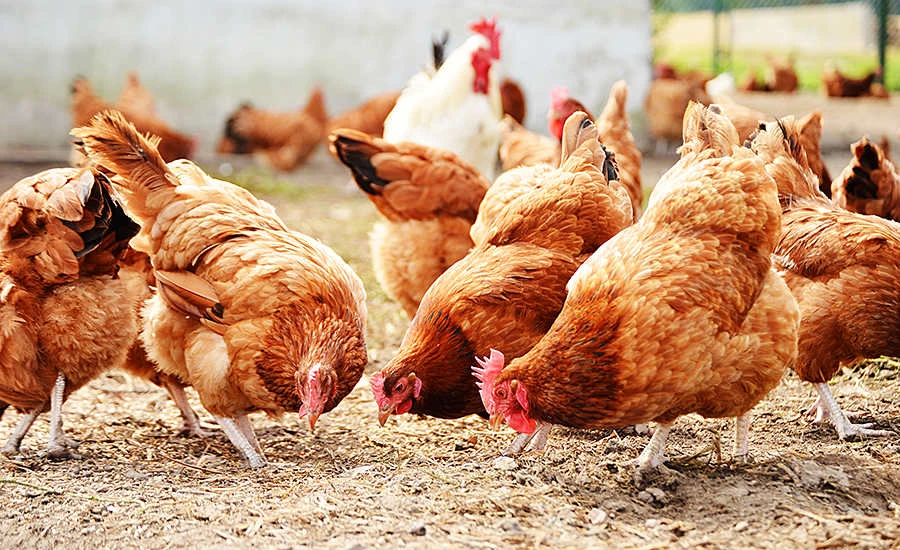
Chicken farm medicine, encompassing a diverse range of therapeutic agents and preventative compounds, represents a critical component of modern poultry production. Positioned within the agricultural supply chain, these medicaments directly influence flock health, growth rates, feed conversion ratios, and ultimately, the economic viability of poultry operations. Core performance characteristics center around efficacy against targeted pathogens, bioavailability within the avian system, residue profiles within edible tissues, and adherence to stringent regulatory guidelines. The industry currently faces challenges related to antimicrobial resistance, consumer demand for residue-free poultry products, and the need for cost-effective disease management strategies. This guide provides an in-depth technical overview of chicken farm medicine, covering material science, manufacturing processes, performance parameters, failure modes, and industry best practices.
Material Science & Manufacturing
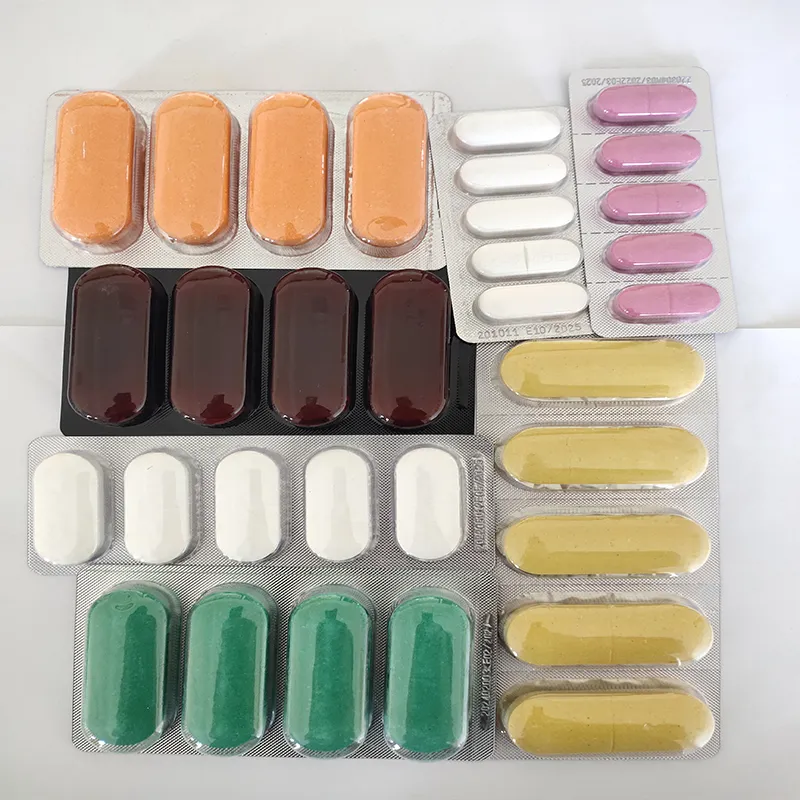
The composition of chicken farm medicine varies significantly depending on the therapeutic application. Active Pharmaceutical Ingredients (APIs) are synthesized through complex organic chemistry pathways, often involving multi-step reactions requiring precise temperature and pressure control. Common API classes include antibiotics (tetracyclines, macrolides, ionophores), coccidiostats (amprolium, monensin), anthelmintics (fenbendazole, albendazole), and vitamins/minerals. Excipients – inert substances that aid in formulation – comprise a substantial portion of the final product. These include diluents (lactose, starch), binders (polyvinylpyrrolidone – PVP), disintegrants (croscarmellose sodium), lubricants (magnesium stearate), and stabilizers (antioxidants, chelating agents). Manufacturing processes differ based on the dosage form. Powders are produced through milling, micronization, and blending. Premixes involve homogeneous distribution of APIs and excipients in a carrier substance (corn, wheat bran). Soluble powders require specific particle size distribution for rapid dissolution in water. Liquid medications utilize solvent systems (water, propylene glycol, polyethylene glycol) and require pH adjustment and sterilization (filtration or autoclaving). Granulation techniques (wet granulation, dry granulation) are used to improve flowability and compressibility for tablet or capsule formulations. Quality control throughout the manufacturing process relies heavily on High-Performance Liquid Chromatography (HPLC), Gas Chromatography-Mass Spectrometry (GC-MS), and microbial assays to ensure API purity, excipient identity, and product sterility.
Performance & Engineering
The efficacy of chicken farm medicine is fundamentally linked to pharmacokinetic (PK) and pharmacodynamic (PD) properties. PK describes the absorption, distribution, metabolism, and excretion (ADME) of the API within the avian body. Factors influencing absorption include particle size, gastrointestinal pH, and gut motility. Distribution is governed by blood flow, tissue permeability, and protein binding. Metabolism primarily occurs in the liver, mediated by cytochrome P450 enzymes. Excretion occurs via feces, urine, and egg components. PD relates to the drug’s effect on the target pathogen or physiological process. Minimum Inhibitory Concentration (MIC) defines the lowest concentration of an antibiotic required to inhibit bacterial growth in vitro. Therapeutic index, representing the ratio of toxic dose to therapeutic dose, is a critical safety parameter. Engineering considerations involve formulation design to optimize drug delivery. Controlled-release formulations, utilizing polymer matrices or microencapsulation techniques, can provide sustained therapeutic levels and reduce dosing frequency. Water solubility is crucial for oral administration, often enhanced through salt formation or complexation. Bioavailability – the fraction of administered drug reaching systemic circulation – is a key performance indicator. Environmental resistance, particularly to degradation by UV light or humidity, must be addressed through appropriate packaging and storage conditions. Compliance with Maximum Residue Limits (MRLs) established by regulatory agencies (e.g., FDA, EFSA) is paramount to ensure food safety.
Technical Specifications
| API Concentration (mg/kg) | Particle Size (μm) | Water Solubility (g/L) | Bioavailability (%) |
|---|---|---|---|
| Amoxicillin Trihydrate | 5-10 | 15 | 60-75 |
| Tylosin Phosphate | 2-5 | 20 | 40-50 |
| Sulfamethoxazole | 10-20 | 1 | 30-40 |
| Doxycycline Hyclate | 3-7 | 12 | 55-65 |
| Albendazole | 15-25 | 0.01 | 10-20 |
| Enramycin | 1-3 | 0.5 | 25-35 |
Failure Mode & Maintenance
Failure modes in chicken farm medicine can originate from various sources. API degradation due to improper storage (temperature, humidity, light exposure) is a common issue, reducing potency and potentially forming toxic byproducts. Formulation instability, such as phase separation in liquid medications or caking in powders, can hinder drug delivery. Microbial contamination during manufacturing or storage can render the product ineffective or harmful. Development of antimicrobial resistance in target pathogens diminishes therapeutic efficacy. Incorrect dosage or administration techniques by farm personnel can lead to sub-therapeutic levels or toxicity. Counterfeit products pose a significant threat, often containing incorrect APIs or substandard ingredients. Maintenance protocols involve strict adherence to Good Manufacturing Practices (GMP) during production, rigorous quality control testing throughout the supply chain, proper storage conditions (cool, dry, dark), and regular monitoring of product stability. Equipment calibration and validation are essential. Implementation of robust traceability systems can help identify and recall defective batches. Employee training on proper handling and administration procedures is crucial. Furthermore, ongoing surveillance of antimicrobial resistance patterns and proactive adjustments to treatment strategies are necessary to maintain therapeutic effectiveness.
Industry FAQ
Q: What are the key considerations when selecting an antibiotic for a flock experiencing a respiratory infection?
A: Antibiotic selection should be guided by bacterial culture and sensitivity testing to determine the causative agent and its susceptibility profile. Factors to consider include the spectrum of activity, bioavailability in avian tissues, potential for residue accumulation, cost-effectiveness, and the prevalence of resistance in the local environment. Narrow-spectrum antibiotics are generally preferred to minimize disruption of the gut microbiome.
Q: How do you ensure the stability of a liquid medication during prolonged storage?
A: Stability is ensured through careful formulation design, including the use of appropriate stabilizers (antioxidants, chelating agents), pH adjustment to optimize solubility and minimize degradation, and packaging in light-resistant containers. Accelerated stability studies under controlled temperature and humidity conditions are conducted to predict shelf life.
Q: What steps are taken to prevent microbial contamination during the manufacturing of sterile injectable solutions?
A: Sterilization is achieved through filtration (0.22 μm filters) or autoclaving. Manufacturing is conducted in controlled environments (cleanrooms) with strict adherence to aseptic techniques. Regular monitoring of air and surface microbial counts is performed. Batch testing for sterility is mandatory before release.
Q: How are Maximum Residue Limits (MRLs) determined and enforced?
A: MRLs are established by regulatory agencies based on toxicological studies and residue depletion data. Regulatory authorities conduct periodic sampling and analysis of poultry products to verify compliance with MRLs. Exceeding MRLs can result in product recalls and penalties.
Q: What is the role of pharmacokinetics in optimizing drug dosage regimens?
A: Pharmacokinetic parameters (ADME) determine the concentration of the drug at the target site over time. Dosage regimens are designed to maintain therapeutic drug concentrations above the MIC for the duration of treatment, while minimizing toxicity. Factors such as age, weight, and physiological status of the birds are considered when determining appropriate dosages.
Conclusion
Chicken farm medicine represents a complex intersection of pharmaceutical science, veterinary medicine, and agricultural engineering. Effective disease management in poultry production relies on a thorough understanding of API properties, formulation principles, pharmacokinetic/pharmacodynamic relationships, and regulatory requirements. The ongoing challenge of antimicrobial resistance necessitates a proactive approach to treatment strategies, emphasizing preventative measures, responsible antibiotic use, and the development of alternative therapies.
Future advancements will likely focus on precision medicine approaches, utilizing diagnostic tools to tailor treatment regimens to individual flocks or even individual birds. Nanotechnology-based drug delivery systems hold promise for enhancing bioavailability and targeted drug release. Continuous monitoring of antimicrobial resistance patterns and improved surveillance systems are crucial for safeguarding the long-term efficacy of chicken farm medicine and ensuring sustainable poultry production.
Latest news
Copyright © 2026
Dingzhou Kangquan Pharmaceutical Co., Ltd. All Rights Reserved. Sitemap | Privacy
Policy


