
Apr . 01, 2024 17:55 Back to list
Chicken Medication Performance Analysis

Introduction
Avian medicaments, commonly referred to as chicken medication, encompass a diverse range of pharmaceutical and therapeutic agents utilized in the prevention, treatment, and control of diseases affecting domestic fowl, primarily chickens. Their technical position within the agricultural supply chain is crucial, bridging veterinary medicine and food production. These medications range from antibiotics and antiparasitics to vitamins, minerals, and vaccines. Core performance metrics center around bioavailability – the degree and rate at which the active pharmaceutical ingredient (API) is absorbed into the systemic circulation – efficacy against targeted pathogens, and minimization of residue levels within edible tissues. The industry faces significant challenges concerning antimicrobial resistance, regulatory compliance with increasingly stringent withdrawal periods, and maintaining flock health in intensive farming systems. This guide provides an in-depth analysis of the material science, manufacturing processes, performance characteristics, failure modes, and relevant standards governing chicken medication.
Material Science & Manufacturing
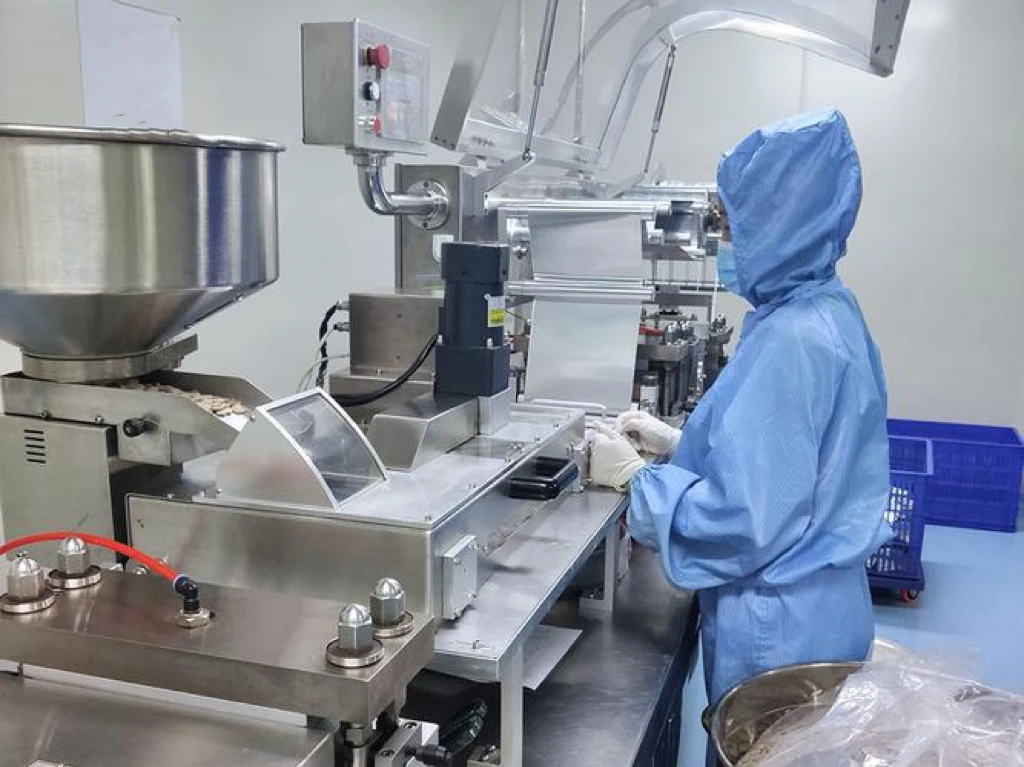
The foundation of chicken medication lies in the careful selection and processing of raw materials. APIs, derived from chemical synthesis, fermentation, or natural sources, dictate therapeutic effect. Excipients – inactive ingredients – play a vital role in formulation, enhancing drug delivery, stability, and palatability. Common excipients include diluents (lactose, starch), binders (polyvinylpyrrolidone – PVP), disintegrants (croscarmellose sodium), lubricants (magnesium stearate), and coatings (hydroxypropyl methylcellulose – HPMC). Manufacturing processes vary based on dosage form. Powders are often produced via milling, granulation (wet or dry), and blending. Premixes, combining APIs and carriers for feed incorporation, require precise mixing to ensure homogeneity. Liquid medications necessitate solvent selection, API dissolution, and sterilization (filtration or autoclaving). Injectable formulations demand sterile manufacturing environments and stringent quality control to prevent pyrogen contamination. Key parameter control during manufacturing includes particle size distribution (influencing bioavailability), moisture content (affecting stability), API purity (ensuring efficacy), and uniformity of dosage. Microencapsulation is increasingly employed to protect APIs from degradation within the digestive tract and enable targeted release. The physical state of APIs (crystalline vs. amorphous) also significantly influences dissolution rates and subsequent absorption. Control of polymorphism during crystallization is therefore paramount.
Performance & Engineering
Performance evaluation of chicken medication centers on pharmacokinetic (PK) and pharmacodynamic (PD) properties. PK describes what the body does to the drug – absorption, distribution, metabolism, and excretion (ADME). PD details what the drug does to the body – its mechanism of action and resulting effect. Bioavailability is a critical PK parameter, influenced by factors such as feed composition, gut motility, and drug formulation. Resistance development in pathogens necessitates rigorous monitoring of minimum inhibitory concentrations (MICs) and continual formulation adjustments. Environmental resistance is also a key engineering consideration. Packaging materials must protect the medication from humidity, temperature fluctuations, and UV degradation. Compliance requirements are dictated by veterinary regulatory bodies, including specified withdrawal periods to prevent residues in meat and eggs. Force analysis is relevant in tablet compression, ensuring sufficient mechanical strength to withstand handling and prevent breakage. Drug delivery systems, such as sustained-release formulations, require precise engineering to control the rate of API release and maintain therapeutic concentrations over extended periods. Understanding the physiological differences between various chicken breeds (e.g., broiler vs. layer) is crucial for optimizing dosage regimens. Furthermore, understanding the interaction of medications with commonly used feed additives is critical to prevent antagonistic effects.
Technical Specifications
| API Purity (%) | Moisture Content (%) | Particle Size (µm) | Dissolution Rate (mg/min) |
|---|---|---|---|
| ≥ 99.0 | ≤ 5.0 | 10-50 | ≥ 80 |
| ≥ 98.5 | ≤ 7.0 | 50-100 | ≥ 70 |
| ≥ 97.0 | ≤ 10.0 | 100-200 | ≥ 60 |
| ≥ 95.0 | ≤ 12.0 | 200-300 | ≥ 50 |
| ≥ 90.0 | ≤ 15.0 | 300-500 | ≥ 40 |
| ≥ 85.0 | ≤ 20.0 | 500-700 | ≥ 30 |
Failure Mode & Maintenance
Failure modes in chicken medication can be categorized as chemical, physical, and biological. Chemical degradation includes oxidation, hydrolysis, and photolysis, leading to API decomposition and reduced efficacy. Physical instability manifests as changes in particle size, crystallinity, or solubility, affecting bioavailability. Biological failure involves microbial contamination, rendering the medication ineffective or potentially harmful. Fatigue cracking can occur in packaging materials, compromising product integrity. Delamination of coatings can alter drug release profiles. Oxidation of APIs is accelerated by exposure to oxygen and light, requiring the use of antioxidants and opaque packaging. Moisture ingress promotes hydrolysis and microbial growth. Proper storage conditions – controlled temperature and humidity – are essential for maintaining product stability. Regular quality control testing, including API assay, moisture content analysis, and microbial limit tests, is crucial for detecting degradation. Preventative maintenance includes proper equipment calibration, adherence to standard operating procedures (SOPs), and rigorous cleaning and sanitation protocols in manufacturing facilities. For liquid formulations, filtration through 0.22µm filters eliminates bacteria and fungi. For injectable formulations, terminal sterilization via autoclaving ensures sterility. Furthermore, monitoring for the development of antimicrobial resistance through regular susceptibility testing is a critical maintenance step in ensuring long-term effectiveness.
Industry FAQ
Q: What is the significance of API particle size in oral formulations?
A: API particle size directly impacts dissolution rate and bioavailability. Smaller particles offer a larger surface area for dissolution, leading to faster absorption. However, extremely small particles may exhibit poor flowability and compressibility. Optimal particle size distribution is crucial for achieving desired drug release profiles.
Q: How do you ensure the sterility of injectable medications?
A: Sterility is achieved through a combination of aseptic processing techniques and terminal sterilization. Aseptic processing involves manufacturing in a controlled environment with stringent cleaning and sanitation protocols. Terminal sterilization, typically via autoclaving, eliminates any remaining microorganisms. Rigorous quality control testing, including sterility tests, confirms the absence of viable microorganisms.
Q: What is the role of excipients in stabilizing API?
A: Excipients play a vital role in protecting APIs from degradation. Antioxidants prevent oxidation, chelating agents bind metal ions that catalyze degradation, and buffering agents maintain optimal pH. Coatings protect APIs from moisture and light. Proper excipient selection is crucial for ensuring long-term product stability.
Q: How are withdrawal periods determined for medications used in chickens intended for human consumption?
A: Withdrawal periods are established based on pharmacokinetic studies that determine the rate of drug elimination from tissues (muscle, liver, eggs). Regulatory agencies set withdrawal periods to ensure that residue levels in edible tissues remain below established maximum residue limits (MRLs), safeguarding human health.
Q: What are the challenges associated with formulating medications for poultry due to their unique digestive physiology?
A: Poultry have a rapid gastrointestinal transit time and a unique digestive system including a gizzard and ceca. This impacts drug absorption and degradation. Formulations must be designed to withstand the acidic environment of the proventriculus, resist degradation in the gizzard, and be efficiently absorbed in the small intestine. Encapsulation techniques can protect APIs and enhance bioavailability.
Conclusion
Chicken medication represents a complex intersection of pharmaceutical science, veterinary medicine, and agricultural engineering. Effective formulation and manufacturing require meticulous control over material properties, process parameters, and quality control procedures. Understanding the pharmacokinetic and pharmacodynamic principles governing drug action, coupled with diligent monitoring for antimicrobial resistance, is paramount for maintaining flock health and ensuring food safety. The evolution of drug delivery systems, particularly targeted release formulations, holds promise for improving efficacy and minimizing environmental impact.
Future advancements in this field will likely focus on personalized medicine approaches, tailoring medication regimens to individual bird needs and genetic predispositions. Further research is also needed to develop novel APIs that circumvent existing resistance mechanisms. Continued adherence to stringent regulatory standards and the implementation of robust quality assurance systems will remain critical for ensuring the safety and efficacy of chicken medication, thereby safeguarding both animal welfare and public health.
Latest news
Copyright © 2026
Dingzhou Kangquan Pharmaceutical Co., Ltd. All Rights Reserved. Sitemap | Privacy
Policy


