
Apr . 01, 2024 17:55 Back to list
chicken medicine Performance Analysis
Introduction
Avian therapeutics, commonly referred to as "chicken medicine," encompasses a diverse range of pharmaceutical and veterinary interventions designed to maintain and improve the health of domestic fowl, specifically chickens. This field is a critical component of modern poultry production, impacting food security, economic viability, and animal welfare. The technical position of chicken medicine lies at the intersection of pharmacology, avian pathology, microbiology, and preventative veterinary medicine. Core performance criteria include efficacy against target pathogens, pharmacokinetic properties within the avian physiology, minimal withdrawal periods to ensure food safety, and consistent formulation stability for shelf-life requirements. A key pain point within the industry is the rising prevalence of antimicrobial resistance, necessitating a shift towards preventative strategies and alternative therapies. Furthermore, accurately diagnosing ailments in poultry, which often present with non-specific symptoms, remains a significant challenge for practitioners. This guide provides a comprehensive overview of the science and engineering behind avian therapeutics, addressing these critical issues and outlining best practices for application and management.
Material Science & Manufacturing
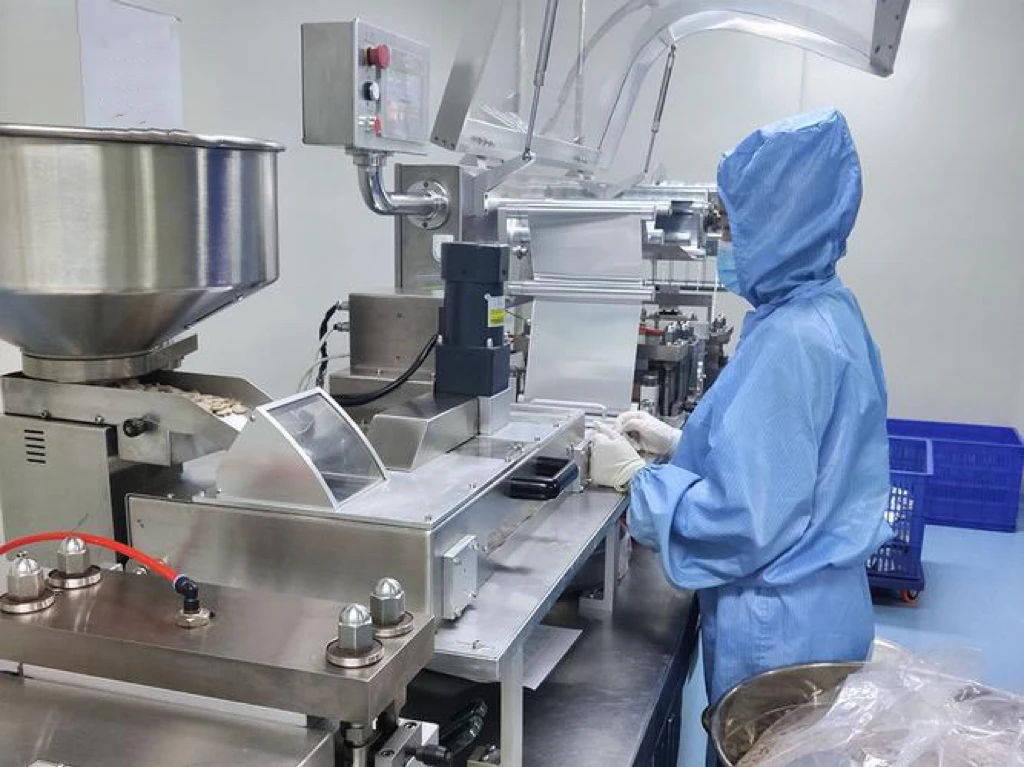
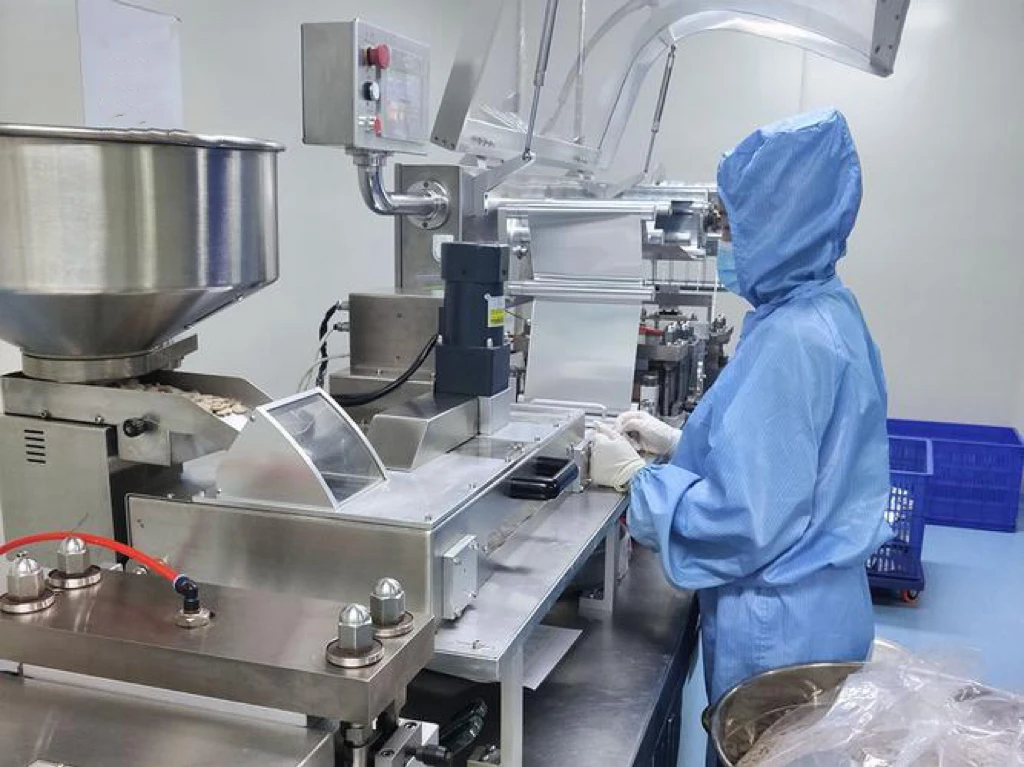
The composition of chicken medicine varies dramatically depending on the therapeutic application. Active Pharmaceutical Ingredients (APIs) can range from broad-spectrum antibiotics like tetracycline and amoxicillin to specialized antiviral compounds, antiparasitics (ivermectin, albendazole), vitamins, and mineral supplements. Excipients play a crucial role in formulation, impacting bioavailability, stability, and administration. Common excipients include microcrystalline cellulose (MCC) – a diluent affecting tablet compressibility, polyvinylpyrrolidone (PVP) – a binder enhancing granule cohesion, and magnesium stearate – a lubricant preventing die sticking during tablet compression. Manufacturing processes depend on the dosage form. Powdered medications are produced through milling, micronization to control particle size for optimal respiratory delivery, and blending to ensure homogenous distribution of APIs and excipients. Liquid formulations involve dissolution of APIs in appropriate solvents (often water-based), pH adjustment for stability, and sterilization via filtration or autoclaving. Injectable solutions require stringent particulate matter control and sterile filtration through 0.22µm membranes. Granulation techniques (wet or dry) are frequently employed for solid dosage forms to improve flowability and compressibility. Critical process parameters include mixing time and speed (ensuring API homogeneity), drying temperature (preventing API degradation), and compression force (achieving desired tablet hardness and disintegration time). Chemical compatibility studies are essential to prevent drug-excipient interactions that could reduce efficacy or generate toxic byproducts. Raw material sourcing is heavily regulated, requiring Certificates of Analysis (CoA) demonstrating purity and adherence to pharmacopoeial standards (USP, EP).
Performance & Engineering
The performance of chicken medicine is critically linked to pharmacokinetic (PK) and pharmacodynamic (PD) principles within avian physiology. Poultry possess unique metabolic rates and digestive systems compared to mammals, significantly influencing drug absorption, distribution, metabolism, and excretion (ADME). For example, chickens lack a diaphragm, resulting in differing respiratory mechanics that impact the delivery and deposition of aerosolized medications. Bioavailability, the fraction of the administered dose reaching systemic circulation, is a key performance indicator. Factors affecting bioavailability include drug solubility, gut motility, and first-pass metabolism in the liver. Force analysis in injectable formulations considers needle gauge, injection volume, and tissue elasticity to minimize pain and ensure accurate drug delivery. Environmental resistance, particularly thermal stability, is vital for maintaining potency during storage and transport. Packaging materials must provide adequate barrier properties against moisture, oxygen, and UV light to prevent degradation of the API. Compliance requirements are stringent, dictated by regulatory bodies such as the FDA (USA), EMA (Europe), and equivalent national authorities. These regulations govern manufacturing practices (GMP), quality control testing, and residue limits in poultry products. The engineering of sustained-release formulations (microencapsulation, liposomes) aims to prolong drug action, reduce dosing frequency, and minimize fluctuations in plasma drug concentration, improving therapeutic efficacy and reducing the development of resistance. Understanding fluid dynamics related to spray applications for disinfection and aerosol delivery is paramount to ensuring uniform coverage and effective pathogen control.
Technical Specifications
| API Concentration (%) | Particle Size (µm) | Withdrawal Period (Days) | pH Range |
|---|---|---|---|
| 50 (Amoxicillin) | 10-20 | 7 | 6.0-7.5 |
| 10 (Ivermectin) | <5 | 14 | N/A (Injectable) |
| 25 (Tetracycline) | 5-15 | 5 | 5.5-7.0 |
| 1 (Vitamin A) | N/A (Solution) | 0 | 6.5-8.0 |
| 20 (Albendazole) | 20-30 | 10 | N/A (Oral Paste) |
| 5 (Doxycycline) | 8-18 | 3 | 6.0-7.0 |
Failure Mode & Maintenance
Failure modes in chicken medicine encompass a spectrum of issues, ranging from product degradation to therapeutic ineffectiveness. A common failure mode is API degradation due to exposure to heat, light, or moisture, resulting in reduced potency. Hydrolytic degradation of beta-lactam antibiotics (e.g., amoxicillin) is a prime example. Physical instability, such as sedimentation or phase separation in liquid formulations, can also compromise efficacy. Microbial contamination during manufacturing or storage represents a critical failure, potentially leading to systemic infections in treated birds. Another significant failure mode is the development of antimicrobial resistance, driven by sub-therapeutic dosing or inappropriate drug usage. This renders previously effective medications ineffective. Fatigue cracking in packaging materials (e.g., plastic bottles) can compromise barrier properties, leading to product contamination. Regarding maintenance, proper storage conditions are paramount. Chicken medicine should be stored in a cool, dry place, protected from direct sunlight. Strict adherence to First-Expired-First-Out (FEFO) inventory management is crucial to minimize the risk of using expired products. Regular inspection of packaging for signs of damage or leakage is essential. Calibration and maintenance of dispensing equipment (e.g., automated injectors, sprayers) are necessary to ensure accurate dosing. Preventative maintenance programs for manufacturing equipment, including filter replacements and sterilization cycle verification, are vital for maintaining product quality and preventing contamination. A robust quality control system, encompassing raw material testing, in-process controls, and finished product analysis, is the cornerstone of failure prevention.
Industry FAQ
Q: What are the key considerations when selecting an antibiotic for a poultry outbreak?
A: Selecting an appropriate antibiotic requires careful consideration of several factors. First, accurate diagnosis of the causative agent (bacteria, virus, or fungus) is crucial through laboratory testing (culture and sensitivity). Second, the antibiotic’s spectrum of activity must cover the identified pathogen. Third, withdrawal periods must be compliant with regulatory standards to avoid residue concerns. Fourth, resistance patterns within the local poultry population should be assessed to avoid using ineffective antibiotics. Finally, cost-effectiveness and ease of administration should be considered.
Q: How do I ensure the stability of a liquid vitamin supplement?
A: Maintaining the stability of liquid vitamin supplements requires careful formulation and storage. The pH should be optimized to minimize degradation of the vitamins. Antioxidants (e.g., Vitamin E, BHT) can be added to prevent oxidative degradation. Chelating agents (e.g., EDTA) can sequester metal ions that catalyze degradation reactions. Packaging materials should provide a strong barrier against light and oxygen. Storage at refrigerated temperatures is generally recommended. Regular monitoring of vitamin content during storage is essential to confirm potency.
Q: What are the challenges associated with delivering medications via drinking water?
A: Delivering medication via drinking water presents several challenges. Uneven consumption among birds can lead to inconsistent dosing. The solubility of the drug in water may be limited. Water quality (pH, mineral content) can affect drug stability. The medication can be degraded by oxidation or microbial growth in the water system. Corrosion of water pipes can also impact drug potency. Thorough cleaning of water lines before medication administration is essential. Monitoring water consumption and drug concentration is crucial for ensuring accurate dosing.
Q: How can I minimize the risk of antimicrobial resistance on my farm?
A: Minimizing antimicrobial resistance requires a multi-faceted approach. Implement strict biosecurity measures to prevent disease introduction. Improve hygiene and sanitation practices to reduce pathogen load. Optimize vaccination programs to enhance immunity. Use antibiotics responsibly, only when necessary and based on accurate diagnosis. Avoid prophylactic use of antibiotics. Implement antibiotic stewardship programs to monitor antibiotic usage and track resistance patterns. Explore alternative therapies, such as probiotics and prebiotics, to support gut health and reduce reliance on antibiotics.
Q: What is the role of pharmacovigilance in chicken medicine?
A: Pharmacovigilance is the science and activities relating to the detection, assessment, understanding, and prevention of adverse effects or any other drug-related problem. In chicken medicine, pharmacovigilance involves monitoring and reporting adverse drug reactions (ADRs) in poultry. This includes identifying unexpected or serious effects, such as treatment failures, allergic reactions, or residue violations. A robust pharmacovigilance system allows for early detection of potential safety issues, enabling timely corrective actions and preventing widespread harm. Reporting ADRs to regulatory authorities is crucial for maintaining the safety and efficacy of chicken medicine.
Conclusion
Avian therapeutics, or "chicken medicine," is a highly specialized field demanding a thorough understanding of poultry physiology, pharmacology, and regulatory compliance. The effectiveness of any therapeutic intervention hinges on careful consideration of pharmacokinetic and pharmacodynamic properties within the avian system, alongside stringent quality control during manufacturing and storage. Addressing the growing threat of antimicrobial resistance necessitates a shift towards preventative strategies and responsible antibiotic stewardship.
Future advancements in chicken medicine will likely focus on developing novel delivery systems (nanoparticles, targeted drug release), exploring alternative therapies (phage therapy, immunomodulators), and leveraging data analytics for precision medicine approaches. Continuous monitoring of resistance patterns and adherence to rigorous pharmacovigilance practices will remain critical for safeguarding the health and welfare of poultry populations and ensuring the safety of the food supply.
Latest news
Copyright © 2026
Dingzhou Kangquan Pharmaceutical Co., Ltd. All Rights Reserved. Sitemap | Privacy
Policy


