
Apr . 01, 2024 17:55 Back to list
Chicken Respiratory Disease Antibiotics Performance Analysis
Introduction
Chicken respiratory disease (CRD) represents a significant economic burden for poultry producers globally. The complex etiology, often involving multiple pathogens including Mycoplasma gallisepticum, Mycoplasma synoviae, Infectious Bronchitis Virus (IBV), and Newcastle Disease Virus (NDV), necessitates a nuanced therapeutic approach. Antibiotics play a crucial role in managing secondary bacterial infections that exacerbate CRD symptoms and reduce productivity. This guide provides a comprehensive technical overview of antibiotics utilized in the treatment of CRD, encompassing their mechanisms of action, manufacturing considerations, performance characteristics, failure modes, and relevant industry standards. The current trend towards antimicrobial stewardship and the emergence of antibiotic resistance in poultry pathogens further emphasize the need for informed antibiotic selection and judicious use within integrated disease management programs. Effective treatment aims to alleviate clinical signs—such as nasal discharge, coughing, sneezing, and reduced egg production—and minimize the long-term impact on flock health and profitability. Understanding pharmacokinetics, dosage regimens, and withdrawal periods is paramount to ensuring food safety and minimizing the development of resistant strains.
Material Science & Manufacturing
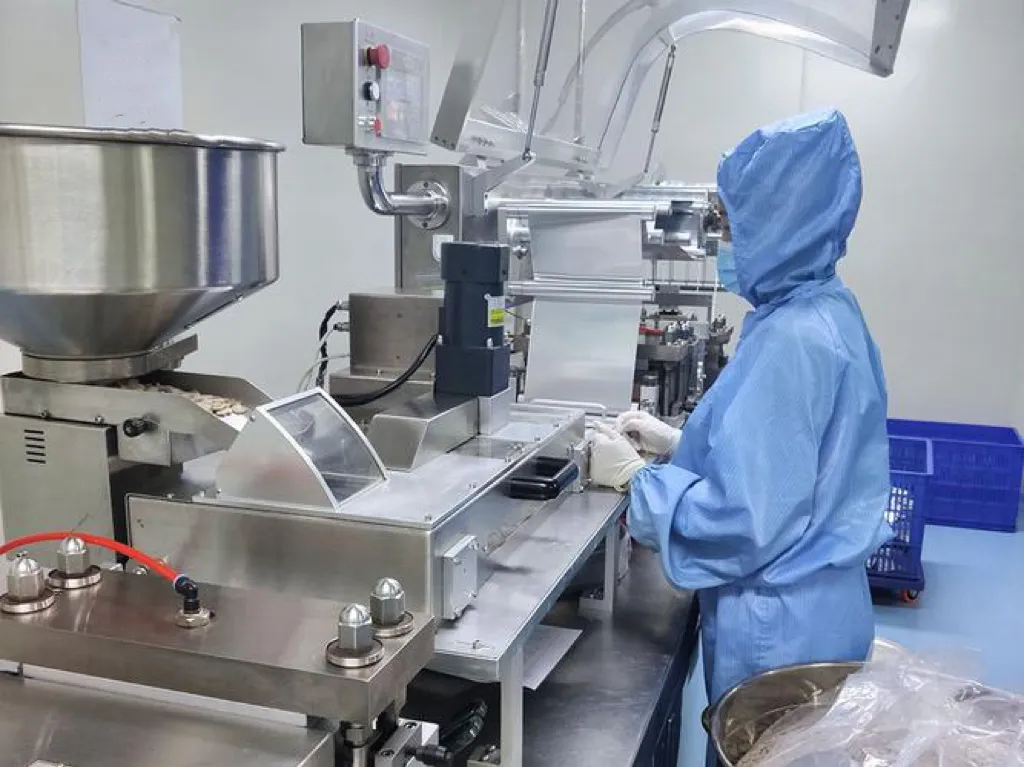
The production of antibiotics used in CRD treatment involves complex fermentation processes and stringent quality control measures. Commonly employed antibiotics include tetracyclines (e.g., chlortetracycline, oxytetracycline), macrolides (e.g., tylosin, erythromycin), fluoroquinolones (e.g., enrofloxacin, ciprofloxacin), and aminoglycosides (e.g., gentamicin, streptomycin). Tetracyclines are typically produced via the fermentation of Streptomyces species, followed by extraction, purification, and chemical modification to enhance stability and solubility. Macrolides also originate from Streptomyces fermentation, requiring meticulous control of pH, temperature, and nutrient levels to optimize antibiotic yield. Fluoroquinolones involve multi-step organic synthesis, demanding precise control of reaction kinetics and purification techniques. Aminoglycosides are derived from Micromonospora species fermentation, necessitating specialized downstream processing to remove impurities and ensure consistent potency. Formulation involves blending the active pharmaceutical ingredient (API) with excipients—such as diluents (lactose, starch), binders (polyvinylpyrrolidone), disintegrants (croscarmellose sodium), and lubricants (magnesium stearate)—to create stable and bioavailable dosage forms (e.g., premixes, soluble powders, oral solutions). Critical manufacturing parameters include particle size distribution, moisture content, and API purity, all of which impact drug efficacy and bioavailability. Sterility assurance is paramount for injectable formulations, achieved through terminal sterilization or aseptic processing techniques.

Performance & Engineering
The efficacy of antibiotics in CRD treatment is governed by their pharmacokinetic (PK) and pharmacodynamic (PD) properties. PK describes how the body affects the drug – absorption, distribution, metabolism, and excretion (ADME). For orally administered antibiotics, bioavailability – the fraction of the administered dose reaching systemic circulation – is a critical parameter, influenced by factors like gut motility, feed composition, and drug formulation. Distribution refers to the extent to which the antibiotic reaches target tissues – the lungs and sinuses in the case of CRD – and is influenced by factors like blood flow, tissue binding, and lipid solubility. Metabolism, primarily in the liver, can alter the antibiotic's activity and excretion rate. PD, conversely, describes how the drug affects the body. Minimum Inhibitory Concentration (MIC) – the lowest concentration of an antibiotic that inhibits visible growth of a pathogen – is a key PD parameter. Achieving therapeutic concentrations at the site of infection, exceeding the MIC for a sufficient duration, is crucial for bacterial eradication. Force analysis, particularly relating to aerosolized delivery methods for some antibiotics, is important to ensure adequate respiratory deposition. Environmental resistance, including pH and temperature stability during storage and administration, also affects performance. Compliance requirements, dictated by veterinary regulatory bodies, define permissible residue levels in poultry products, necessitating accurate dosage calculations and adherence to specified withdrawal periods.
Technical Specifications
| Antibiotic | Chemical Class | Primary Spectrum of Activity | Typical Dosage (mg/kg BW/day) | Withdrawal Period (days) | MIC Range (M. gallisepticum) (µg/mL) |
|---|---|---|---|---|---|
| Chlortetracycline | Tetracycline | Broad-spectrum, Gram-positive & Gram-negative bacteria | 100-200 | 7-14 | 0.25 - 2 |
| Tylosin | Macrolide | Mycoplasmas, Pasteurella, Gram-positive bacteria | 50-100 | 7-14 | 0.03 - 0.5 |
| Enrofloxacin | Fluoroquinolone | Broad-spectrum, Gram-positive & Gram-negative bacteria | 5-10 | 3-7 | 0.125 - 1 |
| Gentamicin | Aminoglycoside | Gram-negative bacteria | 8-12 | 3-7 | 1-4 |
| Erythromycin | Macrolide | Mycoplasmas, Gram-positive bacteria | 75-150 | 7-14 | 0.5 - 2 |
| Ciprofloxacin | Fluoroquinolone | Broad-spectrum, Gram-positive & Gram-negative bacteria | 7-14 | 3-7 | 0.06 - 0.5 |
Failure Mode & Maintenance
Antibiotic failure in CRD treatment can arise from several factors. Development of antibiotic resistance is a primary concern, driven by selective pressure from repeated antibiotic use. Resistance mechanisms include target site modification, enzymatic inactivation of the antibiotic, decreased drug permeability, and increased efflux pump activity. Biofilm formation by Mycoplasma and other bacteria can protect them from antibiotic penetration and immune clearance. Inadequate drug delivery to the respiratory tract, due to poor formulation or improper administration, can result in sub-therapeutic concentrations. Concurrent infections with antibiotic-resistant pathogens can complicate treatment. Failure can also result from incorrect diagnosis, utilizing antibiotics against viral components of CRD without addressing secondary bacterial infections. Maintenance strategies involve implementing robust biosecurity measures to prevent pathogen introduction and spread. Regular monitoring of antibiotic susceptibility patterns is crucial for guiding treatment decisions. Employing antibiotic rotation strategies can help minimize the development of resistance. Optimizing flock management practices – including ventilation, stocking density, and nutritional support – enhances immune function and reduces susceptibility to infection. Prophylactic antibiotic use should be minimized, favoring preventative strategies like vaccination and improved hygiene.
Industry FAQ
Q: What is the impact of antibiotic residues in poultry products on human health?
A: The presence of antibiotic residues in poultry meat and eggs poses a potential risk to human health. Residues can contribute to the development of antibiotic resistance in human gut microbiota, compromising the effectiveness of antibiotics for treating human infections. Furthermore, some individuals may experience allergic reactions or other adverse effects from antibiotic residues. Stringent withdrawal periods are therefore enforced to minimize residue levels and protect public health.
Q: How do I interpret antibiotic susceptibility testing results (antibiogram)?
A: Antibiograms provide information on the sensitivity of bacterial isolates to various antibiotics. Results are typically reported as susceptible (S), intermediate (I), or resistant (R). 'Susceptible' indicates the antibiotic is likely to be effective at standard dosages. 'Intermediate' suggests the antibiotic may be effective at higher dosages or with altered administration routes. 'Resistant' indicates the antibiotic is unlikely to be effective. Treatment decisions should be based on the susceptibility profile of the specific pathogen isolated from the infected flock.
Q: What are the alternatives to antibiotics for controlling CRD?
A: Alternatives to antibiotics include vaccination against key pathogens like IBV and NDV, improved biosecurity measures to prevent disease introduction, optimization of ventilation and housing conditions to reduce stress and pathogen load, nutritional supplementation to enhance immune function, and the use of probiotics and prebiotics to modulate gut microbiota. Phytogenic feed additives and essential oils are also being explored as potential alternatives.
Q: How does water quality affect antibiotic efficacy when administering via drinking water?
A: Water quality significantly impacts antibiotic efficacy when administered via drinking water. High levels of mineral content, organic matter, or pH imbalances can reduce antibiotic solubility and stability, decreasing bioavailability. Biofilm formation in water lines can also bind antibiotics, reducing their effective concentration. Regular cleaning and disinfection of water lines, and the use of water acidification agents, are crucial for maximizing antibiotic efficacy.
Q: What is the role of antibiotic stewardship programs in poultry production?
A: Antibiotic stewardship programs aim to optimize antibiotic use in poultry production, reducing the risk of antibiotic resistance and ensuring responsible antimicrobial usage. These programs typically involve establishing protocols for antibiotic selection, dosage, and duration of treatment, implementing monitoring systems to track antibiotic usage and resistance patterns, and providing education to producers and veterinarians on best practices for antibiotic management.
Conclusion
The effective management of chicken respiratory disease demands a comprehensive understanding of antibiotic pharmacology, manufacturing nuances, and the evolving landscape of antimicrobial resistance. Judicious antibiotic selection, based on accurate diagnosis, susceptibility testing, and adherence to prescribed withdrawal periods, is paramount. Furthermore, embracing integrated disease management strategies – encompassing robust biosecurity, vaccination programs, optimized flock management, and exploration of antibiotic alternatives – is crucial for minimizing reliance on antibiotics and safeguarding the long-term health and productivity of poultry flocks.
Continued research and development in novel antibiotic formulations, diagnostic tools, and alternative therapeutic approaches are essential to address the challenges posed by antibiotic resistance and ensure sustainable poultry production. Collaboration between veterinarians, researchers, and industry stakeholders is vital for fostering responsible antibiotic stewardship and maintaining the efficacy of these critical medications.
Latest news
Copyright © 2026
Dingzhou Kangquan Pharmaceutical Co., Ltd. All Rights Reserved. Sitemap | Privacy
Policy


