
Apr . 01, 2024 17:55 Back to list
Chicken Respiratory Infection Antibiotics Performance Analysis

Introduction
Chicken respiratory disease (CRD) represents a significant economic burden on the poultry industry worldwide. Characterized by a complex etiology involving multiple pathogens including Mycoplasma gallisepticum, Mycoplasma synoviae, Infectious Bronchitis Virus (IBV), and Infectious Laryngotracheitis Virus (ILTV), CRD manifests clinically as sinusitis, rhinitis, and airsacculitis. Antibiotics are a cornerstone of CRD management, serving to control secondary bacterial infections and mitigate the severity of disease outbreaks. This technical guide provides a comprehensive overview of antibiotics employed in the treatment and prevention of CRD, focusing on their mechanism of action, pharmacokinetic properties, resistance patterns, and proper application within a biosecurity framework. The objective is to furnish poultry veterinarians and producers with the detailed technical information necessary for informed antibiotic stewardship and optimized flock health. The increasing prevalence of antimicrobial resistance necessitates a nuanced understanding of these agents and responsible utilization protocols. This analysis will delineate not only the therapeutic application but also address the regulatory landscape governing antibiotic use in poultry production.
Material Science & Manufacturing
The manufacturing of antibiotics utilized in poultry, while complex, fundamentally hinges on fermentation processes and subsequent chemical modifications. For tetracyclines (e.g., chlortetracycline, oxytetracycline), the initial production involves the cultivation of Streptomyces bacteria strains in large-scale fermenters. Media composition – including carbon sources (glucose, starch), nitrogen sources (soybean meal, corn steep liquor), and trace elements – is precisely controlled to optimize bacterial growth and antibiotic production. Downstream processing involves filtration, solvent extraction, and crystallization to isolate and purify the tetracycline molecule. Macrolides (e.g., tylosin) are also produced via fermentation, utilizing Streptomyces fradiae strains. The manufacturing of fluoroquinolones (e.g., enrofloxacin, ciprofloxacin) diverges, relying heavily on synthetic organic chemistry. These compounds are synthesized through multi-step chemical reactions, requiring stringent quality control measures at each stage to ensure purity and desired isomeric form. The final formulation – involving the addition of excipients (e.g., diluents, binders, disintegrants) – is critical for drug stability, bioavailability, and ease of administration (e.g., premix, soluble powder, injectable solution). Raw material purity is paramount; contaminants can impact antibiotic efficacy and potentially introduce toxicity. Quality control relies on High-Performance Liquid Chromatography (HPLC) and microbiological assays to confirm antibiotic concentration and potency. Particle size distribution in powder formulations impacts dustiness and respiratory exposure during administration. Chemical compatibility of the antibiotic with excipients is thoroughly evaluated to prevent degradation during storage.
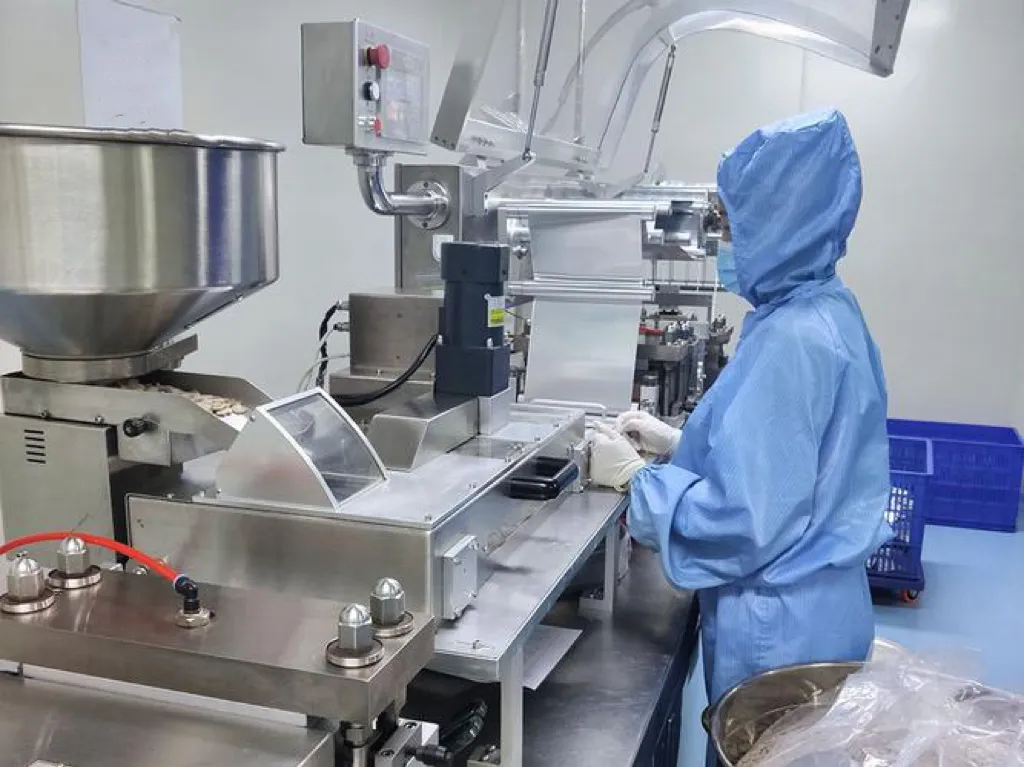
Performance & Engineering
The efficacy of antibiotics in treating CRD is directly correlated to achieving adequate drug concentrations within the respiratory tract. Pharmacokinetic (PK) parameters – absorption, distribution, metabolism, and excretion (ADME) – are thus crucial determinants of therapeutic success. Tetracyclines exhibit relatively poor oral bioavailability in chickens due to binding with divalent cations (Ca2+, Mg2+) in the gut. Formulation strategies, such as using soluble forms or complexing agents, can improve absorption. Macrolides generally demonstrate better bioavailability, but are susceptible to first-pass metabolism in the liver. Fluoroquinolones possess high bioavailability, but their use is often restricted due to concerns about resistance development. Distribution within the respiratory tissues is influenced by blood flow and drug lipophilicity. Antibiotics must penetrate the air sacs to effectively target Mycoplasma organisms. Metabolic pathways vary; some antibiotics are extensively metabolized, while others are primarily excreted unchanged in the urine or feces. Excretion rates influence the duration of therapeutic effect and the potential for environmental contamination. Engineering considerations encompass delivery systems; in ovo injection, spray vaccination, and medicated feed or water are common methods. Each method presents unique challenges regarding dose uniformity, stress on birds, and compliance. Biosecurity measures – including strict hygiene protocols and all-in/all-out flock management – are critical to prevent re-introduction of pathogens and minimize antibiotic usage. Force analysis of spray vaccination systems ensures adequate droplet size and distribution for effective respiratory tract deposition. Environmental resistance, specifically the impact of UV light and temperature on antibiotic stability in water medications, must be considered.
Technical Specifications
| Antibiotic Class | Specific Drug | Mechanism of Action | Spectrum of Activity (CRD Pathogens) |
|---|---|---|---|
| Tetracycline | Chlortetracycline | Inhibits bacterial protein synthesis by binding to the 30S ribosomal subunit. | Mycoplasma gallisepticum, Mycoplasma synoviae, secondary bacterial infections. Limited activity against viruses. |
| Macrolide | Tylosin | Inhibits bacterial protein synthesis by binding to the 50S ribosomal subunit. | Mycoplasma gallisepticum, Mycoplasma synoviae, Pasteurella spp. |
| Fluoroquinolone | Enrofloxacin | Inhibits DNA gyrase and topoisomerase IV, disrupting DNA replication. | Wide spectrum, including Mycoplasma, Pasteurella, E. coli. |
| Penicillin | Amoxicillin | Inhibits bacterial cell wall synthesis. | Primarily effective against Gram-positive bacteria; limited efficacy against Mycoplasma. |
| Sulfonamide | Sulfamethoxazole | Inhibits folic acid synthesis, essential for bacterial growth. | Broad spectrum, but resistance is common. |
| Lincosamide | Lincomycin | Inhibits bacterial protein synthesis by binding to the 50S ribosomal subunit. | Mycoplasma gallisepticum, Mycoplasma synoviae. |
Failure Mode & Maintenance
Antibiotic failure in CRD treatment typically arises from several interconnected mechanisms. The most prevalent is the development of antimicrobial resistance. Mycoplasma species exhibit a remarkable propensity for acquiring resistance mutations, particularly through ribosomal protection proteins or alterations in drug uptake. Sub-therapeutic antibiotic concentrations, resulting from inaccurate dosing or poor bioavailability, accelerate resistance development. Biofilm formation by bacteria within the respiratory tract provides a protective barrier against antibiotic penetration and immune clearance. Furthermore, inadequate biosecurity practices lead to continuous pathogen challenge, increasing the selective pressure for resistant strains. Degradation of the antibiotic during storage or administration (e.g., due to heat, light, or pH changes) can reduce its potency. Treatment failure can also stem from misdiagnosis – confusing CRD with other respiratory diseases (e.g., infectious bronchitis) requiring different therapeutic interventions. Maintenance strategies involve implementing robust antibiotic stewardship programs, including regular susceptibility testing to monitor resistance patterns. Rotation of antibiotic classes can delay the emergence of resistance. Improved biosecurity measures are paramount – including disinfection protocols, restricted access, and vaccination programs. Regular monitoring of flock health and early detection of CRD outbreaks enable prompt and targeted antibiotic treatment, minimizing the duration of exposure and reducing the risk of resistance development. Implementing proper water sanitation in medicated water systems is essential to prevent antibiotic degradation. Preventative measures like improving ventilation can reduce pathogen load and reliance on antibiotic therapy.
Industry FAQ
Q: What are the primary indicators suggesting antibiotic resistance in a CRD outbreak?
A: Several indicators suggest antibiotic resistance. Firstly, a lack of clinical improvement despite appropriate antibiotic therapy is a key sign. Secondly, a prolonged duration of illness and increased mortality rates within the flock are indicative. Thirdly, laboratory confirmation through antimicrobial susceptibility testing (AST) is crucial. AST identifies the Minimum Inhibitory Concentration (MIC) of the antibiotic against the isolated pathogen, revealing decreased susceptibility. Finally, an increasing prevalence of resistance patterns observed over time, tracked through routine monitoring, signals a growing resistance problem.
Q: How does the formulation of an antibiotic (e.g., soluble powder vs. injectable) affect its efficacy in treating CRD?
A: Formulation significantly impacts efficacy. Soluble powders, while convenient, can have variable bioavailability depending on water quality and consumption rates. Injectable formulations generally provide more predictable and consistent drug levels, ensuring therapeutic concentrations are reached. However, they require skilled administration and can cause injection site reactions. Premix formulations, incorporated into feed, offer uniform distribution but are subject to degradation during feed storage and reduced consumption by sick birds. The particle size of powders affects respiratory deposition.
Q: What role does biosecurity play in minimizing antibiotic use for CRD?
A: Biosecurity is paramount. Strict hygiene protocols – including disinfection of housing, equipment, and personnel – minimize pathogen transmission. Controlling access to the farm prevents the introduction of new pathogens. All-in/all-out flock management eliminates continuous pathogen shedding. Effective ventilation reduces airborn pathogen concentrations. Vaccination programs bolster immunity, reducing susceptibility to infection. Robust biosecurity minimizes the need for prophylactic antibiotic use and reduces the selective pressure for resistance.
Q: What are the regulatory considerations regarding antibiotic use in poultry production in different regions?
A: Regulatory landscapes vary significantly. The European Union has implemented stringent restrictions on prophylactic antibiotic use, prioritizing preventative measures like vaccination. The United States is moving towards similar restrictions, with increased veterinary oversight required for medically important antibiotics. Many countries now require withdrawal periods for antibiotics to ensure food safety. Reporting antibiotic usage data is becoming increasingly common, enabling monitoring of consumption trends and informing stewardship initiatives. Regulations also govern the permissible levels of antibiotic residues in poultry meat and eggs.
Q: What alternative strategies can be employed to reduce reliance on antibiotics for CRD control?
A: Several alternatives exist. Vaccination programs targeting key CRD pathogens are crucial. Improved nutrition, including supplementation with vitamins and trace minerals, enhances immune function. Probiotics and prebiotics can modulate gut microbiota, improving overall health and resistance to infection. Essential oils and herbal extracts exhibit antimicrobial properties and can be used as feed additives. Phage therapy, utilizing viruses that infect bacteria, is an emerging alternative. Optimizing ventilation and housing conditions reduces pathogen load and stress on birds.
Conclusion
The effective management of chicken respiratory disease necessitates a comprehensive understanding of antibiotic properties, resistance mechanisms, and responsible utilization practices. Antibiotics remain a critical tool in controlling secondary bacterial infections associated with CRD, but their efficacy is increasingly threatened by antimicrobial resistance. A multi-faceted approach, integrating robust biosecurity measures, strategic vaccination programs, and judicious antibiotic stewardship, is essential to preserve antibiotic effectiveness and ensure sustainable poultry production.
Future research should focus on developing novel antibiotics with unique mechanisms of action, enhancing diagnostic capabilities for rapid pathogen identification and resistance profiling, and exploring alternative therapeutic strategies that minimize reliance on traditional antibiotics. Continuous monitoring of resistance patterns, coupled with data-driven decision-making, is crucial to adapt antibiotic stewardship programs and mitigate the spread of antimicrobial resistance in the poultry industry. Collaboration between veterinarians, researchers, and regulatory agencies is paramount to address this ongoing challenge.
Latest news
Copyright © 2026
Dingzhou Kangquan Pharmaceutical Co., Ltd. All Rights Reserved. Sitemap | Privacy
Policy


