
Apr . 01, 2024 17:55 Back to list
chicken veterinary medicine Formulation Analysis
Introduction
Chicken veterinary medicine encompasses the preventative and therapeutic practices dedicated to maintaining the health and welfare of domestic fowl, primarily Gallus gallus domesticus. Positioned within the broader agricultural biotechnology and animal health industries, its technical focus centers on the diagnosis, treatment, and prevention of diseases affecting chickens, impacting both commercial poultry production and small-scale avian husbandry. Core performance indicators revolve around efficacy in disease control (mortality rate, morbidity rate), withdrawal times for pharmaceutical residues, impact on poultry productivity (egg production, weight gain), and biosecurity effectiveness. The industry faces persistent challenges related to emerging infectious diseases (avian influenza, Newcastle disease), antimicrobial resistance, and maintaining consumer confidence in poultry product safety. This guide will provide an in-depth technical overview of materials, manufacturing, performance, potential failures, and maintenance protocols related to poultry pharmaceutical formulations and delivery systems.
Material Science & Manufacturing
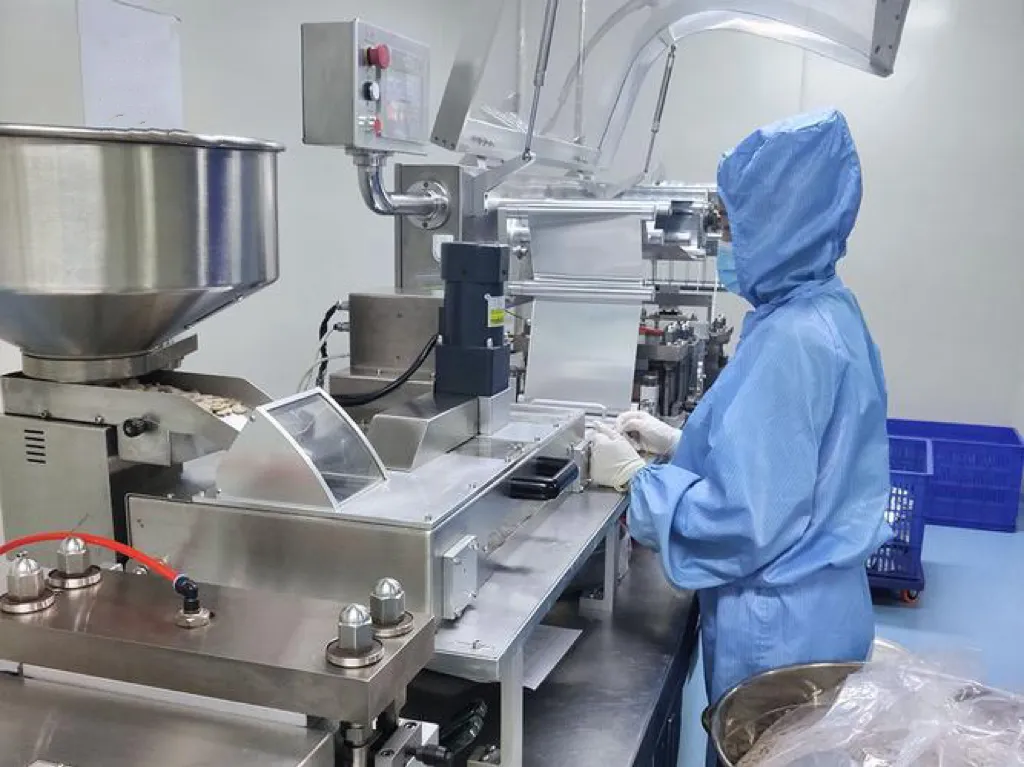
The foundation of chicken veterinary medicine relies heavily on material science, spanning active pharmaceutical ingredients (APIs) to excipients and delivery systems. APIs commonly include antibiotics (tetracyclines, macrolides), antiviral agents (amantadine), antiparasitics (ivermectin), and vaccines (live attenuated, inactivated, subunit). Manufacturing processes vary significantly depending on the formulation type. For injectable solutions, APIs require high purity (>99%) and are dissolved in sterile water for injection (WFI) or biocompatible solvents (propylene glycol). Particle size control is crucial to prevent embolism; micronization and filtration are employed. Sterilization – typically autoclaving or sterile filtration – ensures absence of pyrogens and microorganisms. Oral formulations (tablets, premixes) involve blending APIs with excipients like diluents (lactose, starch), binders (polyvinylpyrrolidone), disintegrants (croscarmellose sodium), and lubricants (magnesium stearate). Tablets are manufactured via granulation (wet or dry) and compression. Premixes require homogenous distribution of API within a carrier (wheat bran, limestone). Vaccine manufacturing is a complex bioprocess involving cell culture (embryonated eggs, cell lines) followed by virus propagation, purification, inactivation (for inactivated vaccines), or attenuation. Lyophilization (freeze-drying) extends shelf life. Key parameter control encompasses pH, osmolality, viscosity (for injectables), hardness, friability (for tablets), and viral titer (for vaccines). Excipient compatibility with the API, ensuring stability and bioavailability, is paramount. Material traceability and adherence to Good Manufacturing Practices (GMP) are non-negotiable.
Performance & Engineering
Performance of chicken veterinary medicines is evaluated through rigorous pharmacokinetic (PK) and pharmacodynamic (PD) studies. PK assesses absorption, distribution, metabolism, and excretion (ADME) of the API, determining bioavailability and half-life. PD examines the drug's effect on the target pathogen or physiological process. Engineering considerations are crucial for optimizing drug delivery. Injectable solutions require accurate dosage and minimal injection site reactions. Needle gauge and length influence pain and tissue damage. Oral formulations must withstand the acidic environment of the proventriculus and achieve sufficient absorption in the small intestine. Microencapsulation can protect APIs from degradation and enhance bioavailability. Vaccines require appropriate adjuvant selection to stimulate a robust immune response (humoral and cell-mediated). Storage temperature and humidity are critical parameters for maintaining vaccine potency. Environmental resistance – resistance to degradation by UV light, oxidation, and hydrolysis – is vital for ensuring product shelf life. Compliance requirements, mandated by veterinary regulatory agencies (e.g., FDA-CVM in the US, EMA in Europe), dictate acceptable residue levels in poultry products and adherence to withdrawal times. Force analysis on packaging materials (blister packs, vials) ensures containment during transport and handling. Biosecurity protocols dictate sterilization and disposal procedures to prevent disease spread.
Technical Specifications
| API Concentration | pH Range (Injectable) | Particle Size (Injectable) | Withdrawal Period (Days) |
|---|---|---|---|
| 50mg/mL Amoxicillin | 6.0 – 7.5 | < 5 μm | 7 |
| 100mg/mL Doxycycline | 4.5 – 6.0 | < 10 μm | 5 |
| 200mg/mL Ivermectin | N/A (Oral) | N/A | 28 |
| 108 EID50 Newcastle Disease Virus (Vaccine) | 7.0 – 8.0 (Reconstitution) | N/A | 0 (Live Attenuated) |
| 100mg/kg Tylosin Premix | N/A (Feed Additive) | < 50 μm | 3 |
| 500 IU/mL Vitamin A | N/A (Water Soluble) | N/A | 0 |
Failure Mode & Maintenance
Failure modes in chicken veterinary medicines are diverse. Injectable solutions can experience precipitation, microbial contamination (due to inadequate sterilization), and leakage from vials. Oral formulations may exhibit poor compressibility (leading to tablet capping/laminating), inadequate disintegration (reducing bioavailability), and clumping in premixes (causing uneven drug distribution). Vaccines can lose potency due to improper storage (temperature excursions), inadequate lyophilization (residual moisture), and accidental contamination. Failure analysis often reveals root causes such as incorrect excipient selection, inadequate process control, or compromised packaging integrity. Fatigue cracking in glass vials can occur during handling and transportation. Delamination of coating on tablets can affect drug release. Degradation of APIs due to oxidation or hydrolysis reduces efficacy. Maintenance protocols include stringent temperature monitoring and control, regular sterility testing, validation of cleaning procedures, and periodic inspection of equipment. Preventative maintenance on lyophilizers and granulation equipment is critical. Robust quality control systems, including HPLC, GC-MS, and bioassays, are essential for detecting degradation products and ensuring product quality. Proper training of personnel in GMP principles is paramount. A detailed recall procedure must be in place to address any product defects or safety concerns.
Industry FAQ
Q: What are the key considerations when selecting an antibiotic for a poultry respiratory infection?
A: Antibiotic selection depends on the causative agent (bacteria, Mycoplasma), its antibiotic susceptibility profile, the severity of the infection, and withdrawal times. Fluoroquinolones are generally reserved for severe cases due to the risk of resistance development. Tetracyclines and macrolides offer broader spectrum activity but resistance is increasingly prevalent. Culture and sensitivity testing are crucial for guiding antibiotic therapy. Furthermore, consider the potential impact on gut microbiota and the development of antimicrobial resistance.
Q: How does lyophilization impact vaccine stability?
A: Lyophilization (freeze-drying) removes water, significantly slowing down degradation reactions and extending vaccine shelf life. However, the process can also induce stress on the viral particles or antigens. Properly optimized lyophilization cycles (freezing rate, primary drying, secondary drying) are critical for maintaining vaccine potency. Residual moisture content must be carefully controlled. Storage temperature also plays a critical role; even lyophilized vaccines typically require refrigerated storage.
Q: What are the challenges associated with delivering medications through drinking water?
A: Medications delivered via drinking water can be affected by water quality (pH, mineral content), palatability, and bird consumption patterns. Some drugs may degrade rapidly in water. Metal ions in the water can complex with certain antibiotics, reducing their efficacy. Accurate dosage control can be difficult, especially with varying water intake. Regular monitoring of water pH and medication concentration is essential.
Q: What are the regulatory requirements for validating a new disinfectant for poultry houses?
A: Regulatory requirements vary by jurisdiction. Generally, disinfectants must demonstrate efficacy against relevant poultry pathogens (e.g., avian influenza virus, Salmonella) through standardized testing methods. Data on toxicity, material compatibility, and environmental fate must be submitted for review. Efficacy testing often involves challenging the disinfectant with biofilms and measuring pathogen reduction.
Q: How do you ensure the homogeneity of a premix formulation?
A: Achieving homogeneity in a premix requires careful mixing equipment selection (ribbon blender, paddle mixer) and optimized mixing parameters (speed, time). Particle size reduction of both the API and the carrier improves dispersion. Statistical sampling and analysis are essential to verify homogeneity. Regular calibration of mixing equipment is also vital.
Conclusion
Chicken veterinary medicine relies on a complex interplay of material science, pharmaceutical engineering, and regulatory compliance. Effective disease control and poultry production depend on the careful selection, formulation, and delivery of pharmaceuticals and biologicals. Understanding the physical and chemical properties of APIs, excipients, and delivery systems is paramount for optimizing product performance and ensuring stability. Addressing the challenges of antimicrobial resistance, maintaining biosecurity, and adhering to stringent regulatory standards are crucial for the long-term sustainability of the poultry industry.
Future advancements in chicken veterinary medicine will likely focus on novel drug delivery systems (nanoparticles, microencapsulation), development of new vaccines against emerging pathogens, and personalized medicine approaches based on genomic and immunological profiling of poultry flocks. Continuous improvement in manufacturing processes and quality control systems will also be essential for ensuring the safety and efficacy of veterinary medicines.
Latest news
Copyright © 2026
Dingzhou Kangquan Pharmaceutical Co., Ltd. All Rights Reserved. Sitemap | Privacy
Policy


