
Apr . 01, 2024 17:55 Back to list
cold medicine for chickens Performance and Engineering
Introduction
Poultry respiratory disease therapeutics, commonly referred to as “cold medicine for chickens,” represent a critical component of modern poultry farming practices. These formulations are primarily designed to alleviate the symptoms of upper respiratory tract infections (URTI) caused by a variety of pathogens, including Mycoplasma gallisepticum, Infectious Bronchitis Virus (IBV), and Newcastle Disease Virus (NDV). The technical position within the industry chain is as a secondary preventative and therapeutic intervention, utilized after biosecurity measures and vaccination protocols are established. Core performance metrics center around symptom relief – reduction in nasal discharge, ocular congestion, and coughing – along with minimizing secondary bacterial infections and maintaining flock production rates. The efficacy of these medications hinges on accurate diagnosis of the causative agent and appropriate formulation of the therapeutic intervention. Addressing avian influenza and other Highly Pathogenic Avian Influenza (HPAI) threats significantly influences the formulation and regulatory oversight of these products. The industry faces challenges related to antimicrobial resistance, necessitating a shift towards alternatives and judicious use of existing medications.
Material Science & Manufacturing
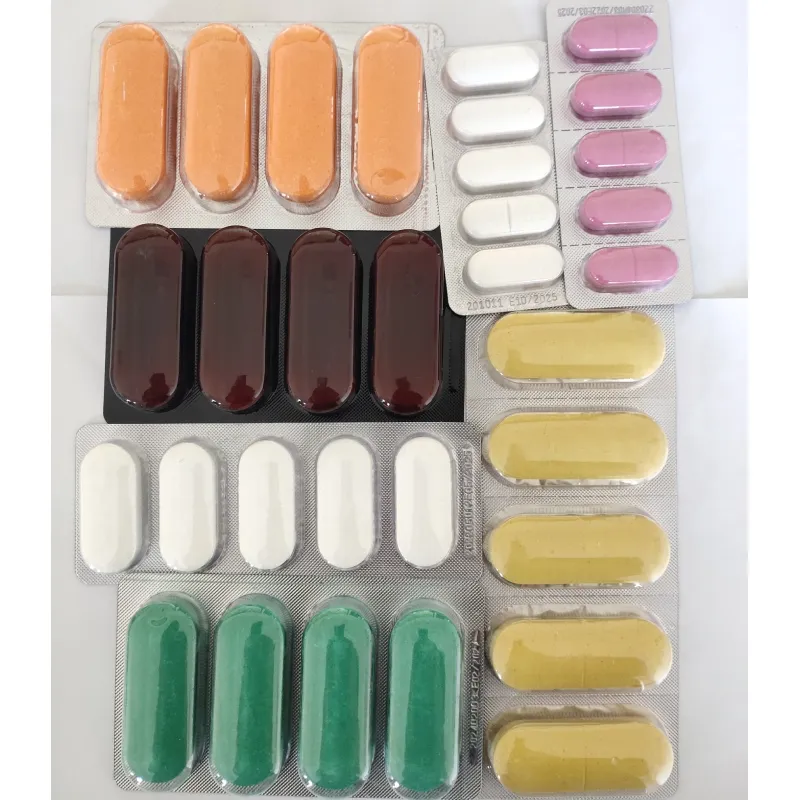
The majority of commercially available cold medicines for chickens are formulated as soluble powders intended for administration via drinking water. The active pharmaceutical ingredients (APIs) are typically a combination of antibiotics (e.g., tetracyclines, macrolides), anti-inflammatory agents (e.g., NSAIDs), and mucolytics/expectorants. Raw material sourcing requires strict quality control, ensuring APIs meet pharmacopeial standards (USP, EP, BP). The manufacturing process involves precise blending of the APIs with excipients, including carriers (e.g., lactose, dextrose), solubility enhancers (e.g., sodium bicarbonate), and palatability agents (e.g., flavoring compounds). Particle size distribution of the API is critical for ensuring uniform dispersion in water and consistent dosage delivery. Manufacturing commonly employs dry blending techniques followed by milling to achieve desired particle size. Quality control throughout the process utilizes techniques such as High-Performance Liquid Chromatography (HPLC) for API quantification, Karl Fischer titration for moisture content determination, and microbial limit testing to ensure sterility. Stability testing, conducted under accelerated conditions (elevated temperature and humidity), assesses the shelf life and degradation pathways of the formulation. Chemical compatibility between APIs and excipients must be established to prevent degradation or formation of toxic byproducts. Water quality used for reconstitution significantly impacts the stability and efficacy of the medication. The choice of packaging materials (typically polyethylene or polypropylene containers) must ensure protection from light, moisture, and oxygen.
Performance & Engineering
The performance of cold medicine for chickens is evaluated based on pharmacokinetic (PK) and pharmacodynamic (PD) properties. PK studies determine the absorption, distribution, metabolism, and excretion (ADME) of the API within the avian system. Bioavailability – the fraction of the administered dose that reaches systemic circulation – is a key parameter. PD studies assess the drug's effect on the target pathogen or physiological process. Minimum Inhibitory Concentration (MIC) testing determines the lowest concentration of an antibiotic required to inhibit the growth of a specific bacterial strain. Formulation engineering focuses on optimizing drug delivery to the respiratory tract. Particle size significantly impacts deposition patterns within the lungs; smaller particles (<5 μm) penetrate deeper into the alveoli. Mucociliary clearance – the natural defense mechanism that removes foreign particles from the respiratory tract – influences drug residence time. Environmental resistance considerations include the impact of temperature and humidity on API stability and efficacy. Compliance requirements stipulated by veterinary regulatory agencies (e.g., FDA-CVM in the US, EMA in Europe) govern formulation, manufacturing, and labeling. Withdrawal times – the period between the last drug administration and slaughter or egg production – are critical to prevent drug residues in food products. The engineering of dispensing systems – automated dosing pumps and mixing devices – ensures accurate and consistent medication delivery to the entire flock.
Technical Specifications
| API Concentration | Solubility (g/L Water) | pH Range (1% Solution) | Withdrawal Period (Days) |
|---|---|---|---|
| Tetracycline HCl: 50 g/kg | >500 g/L | 6.0 – 8.0 | 8 |
| Enrofloxacin: 10 g/kg | >100 g/L | 5.5 – 7.5 | 7 |
| Amprolium: 100 g/kg | >200 g/L | 6.5 – 8.5 | 5 |
| Sulfadimidine Sodium: 200 g/kg | >300 g/L | 7.0 – 9.0 | 7 |
| Ibuprofen (as anti-inflammatory): 5 g/kg | <1 g/L | 6.0 - 7.0 (requires solubilizers) | 0 (typically not applicable for anti-inflammatories) |
| Guaifenesin (expectorant): 10 g/kg | >400 g/L | 5.0 – 7.0 | 0 |
Failure Mode & Maintenance
Failure modes of cold medicine for chickens often stem from improper storage, administration, or microbial contamination. Degradation of APIs due to exposure to heat, light, or moisture is a common failure mechanism. This can result in reduced efficacy or formation of toxic byproducts. Insufficient mixing of the powder in drinking water can lead to uneven dosage distribution, resulting in under-treatment of some birds and over-treatment of others. Bacterial contamination of the medicated water can lead to secondary infections and reduced treatment effectiveness. Development of antimicrobial resistance is a significant long-term failure mode, driven by sub-therapeutic dosing and indiscriminate use. Formulation-related failures include poor solubility, leading to precipitation of the API in the water line, and incompatibility between APIs and excipients. Maintenance strategies focus on proper storage conditions (cool, dry, dark place), adherence to recommended mixing instructions, and frequent cleaning and disinfection of water lines. Regular monitoring of water quality (pH, temperature, bacterial load) is crucial. Implementing robust biosecurity measures minimizes the risk of introducing new pathogens and exacerbating existing infections. Veterinary oversight and diagnostic testing are essential to guide appropriate treatment selection and minimize the development of antimicrobial resistance. Routine flock health assessments can detect early signs of respiratory disease, allowing for prompt intervention.
Industry FAQ
Q: What is the impact of water quality on the efficacy of water-soluble antibiotics?
A: Water quality is paramount. High mineral content (e.g., iron, calcium) can bind to certain antibiotics, reducing their bioavailability. High pH can accelerate the degradation of some APIs. The presence of organic matter can promote bacterial growth, reducing drug stability and potentially leading to secondary infections. Biofilm formation in water lines can also harbor bacteria and reduce drug efficacy. Filtration and disinfection of water are essential pre-treatment steps.
Q: How do I determine the appropriate dosage for a specific flock size?
A: Dosage is determined by the manufacturer’s recommendations, typically expressed as mg API per liter of drinking water. Accurate assessment of flock size and daily water consumption is crucial. Use calibrated weighing scales and measuring devices. Ensure uniform mixing of the medication in the water supply. Monitor water intake to confirm birds are consuming adequate amounts of the medicated water.
Q: What are the key considerations when rotating antibiotics to prevent resistance?
A: Antibiotic rotation should be based on susceptibility testing of the prevalent pathogens. Avoid prolonged or continuous use of a single antibiotic class. Rotate between different classes of antibiotics with distinct mechanisms of action. Consider using combination therapies to broaden the spectrum of activity and reduce the selective pressure for resistance. Implement biosecurity measures to minimize the introduction of new pathogens.
Q: What are the potential consequences of under-dosing antibiotics?
A: Under-dosing can lead to sub-therapeutic antibiotic concentrations, which selectively pressure the development of antibiotic-resistant bacteria. It can also prolong the duration of illness, increase mortality rates, and result in chronic infection. Under-dosing can also compromise the bird's immune system, making it more susceptible to secondary infections.
Q: How should I properly dispose of unused medication?
A: Unused medication should be disposed of in accordance with local and national regulations. Never flush medications down the drain or discard them in general waste. Contact your local veterinary authority or waste management facility for guidance on proper disposal methods. Many areas have designated collection programs for unused pharmaceuticals.
Conclusion
Effective management of respiratory disease in poultry relies on a comprehensive approach that integrates biosecurity, vaccination, and judicious use of therapeutics. Cold medicine for chickens, while a valuable tool, must be employed strategically, considering the complexities of API pharmacokinetics, formulation stability, and the growing threat of antimicrobial resistance. Accurate diagnosis, appropriate dosage, and proper administration are paramount to maximizing treatment efficacy and minimizing adverse effects.
Future research should focus on developing novel therapeutic strategies, including alternatives to traditional antibiotics, such as phage therapy and immunostimulants. Improved diagnostic tools will enable more targeted treatment interventions, reducing the reliance on broad-spectrum antibiotics. Continuous monitoring of antimicrobial resistance patterns and implementation of responsible antibiotic stewardship programs are essential for preserving the long-term effectiveness of these critical medications.
Latest news
Copyright © 2026
Dingzhou Kangquan Pharmaceutical Co., Ltd. All Rights Reserved. Sitemap | Privacy
Policy


