
2695018275@qq.com
+86
13780513619
- Afrikaans
- Albanian
- Amharic
- Arabic
- Armenian
- Azerbaijani
- Basque
- Belarusian
- Bengali
- Bosnian
- Bulgarian
- Catalan
- Cebuano
- Corsican
- Croatian
- Czech
- Danish
- Dutch
- English
- Esperanto
- Estonian
- Finnish
- French
- Frisian
- Galician
- Georgian
- German
- Greek
- Gujarati
- Haitian Creole
- hausa
- hawaiian
- Hebrew
- Hindi
- Miao
- Hungarian
- Icelandic
- igbo
- Indonesian
- irish
- Italian
- Japanese
- Javanese
- Kannada
- kazakh
- Khmer
- Rwandese
- Korean
- Kurdish
- Kyrgyz
- Lao
- Latin
- Latvian
- Lithuanian
- Luxembourgish
- Macedonian
- Malgashi
- Malay
- Malayalam
- Maltese
- Maori
- Marathi
- Mongolian
- Myanmar
- Nepali
- Norwegian
- Norwegian
- Occitan
- Pashto
- Persian
- Polish
- Portuguese
- Punjabi
- Romanian
- Russian
- Samoan
- Scottish Gaelic
- Serbian
- Sesotho
- Shona
- Sindhi
- Sinhala
- Slovak
- Slovenian
- Somali
- Spanish
- Sundanese
- Swahili
- Swedish
- Tagalog
- Tajik
- Tamil
- Tatar
- Telugu
- Thai
- Turkish
- Turkmen
- Ukrainian
- Urdu
- Uighur
- Uzbek
- Vietnamese
- Welsh
- Bantu
- Yiddish
- Yoruba
- Zulu
Apr . 01, 2024 17:55 Back to list
complete dog vitamins Manufacturing Analysis
Introduction
Complete dog vitamins represent a crucial component of canine preventative healthcare, positioned within the pet nutrition industry as a supplement to commercially available dog foods. These formulations are engineered to address potential nutritional deficiencies arising from dietary limitations, age-related metabolic changes, or specific health conditions. Unlike prescription dietary formulations addressing diagnosed illnesses, complete vitamins aim for optimal wellness by providing essential micronutrients – vitamins, minerals, and trace elements – often lacking in sufficient quantities in standard kibble or wet food. Core performance metrics include bioavailability of nutrients, palatability to ensure consumption, stability during storage, and demonstrable impact on key health indicators like coat condition, energy levels, and immune function. A significant industry pain point revolves around inconsistent quality control, varying ingredient sourcing, and unsubstantiated health claims, leading to consumer distrust and the need for rigorous third-party testing and transparent labeling.
Material Science & Manufacturing
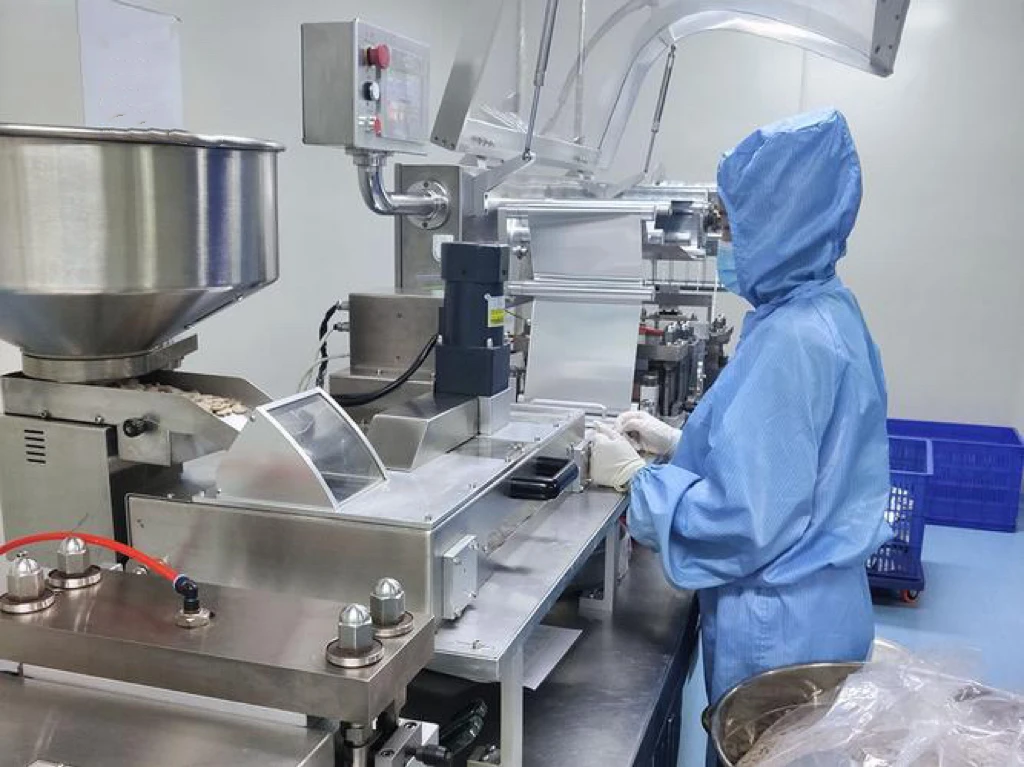
The manufacturing of complete dog vitamins involves a complex interplay of material science and precision processing. Raw materials typically include Vitamin A (retinyl acetate or beta-carotene), Vitamin D3 (cholecalciferol), Vitamin E (tocopherols), B-complex vitamins (thiamin, riboflavin, niacin, pantothenic acid, pyridoxine, biotin, folic acid, cobalamin), Vitamin C (ascorbic acid), and essential minerals like calcium, phosphorus, iron, zinc, copper, manganese, and selenium. These are frequently sourced via chemical synthesis, extraction from natural sources (e.g., algae for Vitamin E, fish liver oil for Vitamin D3), or fermentation processes. Manufacturing often proceeds through several key stages. First, micronutrient premixes are formulated, requiring precise weighing and blending to ensure accurate concentrations. Second, these premixes are typically incorporated into a carrier material – often a starch-based binder, vegetable cellulose, or a proprietary blend designed for palatability and stability. This blending is critical; particle size distribution of the micronutrients must be uniform to prevent segregation during encapsulation. Encapsulation, using either softgel or tablet compression techniques, is common to protect sensitive vitamins (like Vitamin C) from oxidation and moisture degradation. Softgels utilize gelatin or cellulose-based capsules filled with a liquid or paste formulation, while tablet compression involves binding the premix with excipients under high pressure. Parameter control is paramount, including temperature and humidity during blending, compression force during tableting, and encapsulation material integrity. Chemical compatibility between ingredients is also crucial to avoid reactions that degrade efficacy or create harmful compounds. Quality control employs techniques like High-Performance Liquid Chromatography (HPLC) to verify vitamin potency and Atomic Absorption Spectroscopy (AAS) to quantify mineral content.
Performance & Engineering
The performance of complete dog vitamins hinges on bioavailability – the degree to which the nutrients are absorbed and utilized by the canine physiology. This is governed by several factors, including the chemical form of the vitamin (e.g., retinyl acetate vs. beta-carotene for Vitamin A, with beta-carotene requiring conversion by the body), the presence of absorption enhancers (like fats for fat-soluble vitamins), and the dog’s individual digestive health. Environmental resistance is another critical aspect. Exposure to heat, light, oxygen, and moisture can degrade vitamin potency. Therefore, packaging plays a vital role, with opaque, airtight containers preferred. Compliance requirements are substantial. The Association of American Feed Control Officials (AAFCO) sets standards for vitamin and mineral content in dog food and supplements, mandating minimum and maximum levels for various nutrients. Furthermore, manufacturers must adhere to Good Manufacturing Practices (GMP) to ensure product safety and consistency. Functional implementation considerations extend to dosage form. Tablets are convenient but may be rejected by some dogs. Softgels offer enhanced palatability, while powders allow for flexible dosing adjusted to individual needs. Force analysis isn't directly applicable to the vitamin itself, but the structural integrity of tablets is assessed through crushing force tests, ensuring they withstand handling and transportation without crumbling. Long-term stability studies are essential, monitoring vitamin potency over the product’s shelf life under various storage conditions.
Technical Specifications
| Vitamin | Minimum Potency (IU/kg or mg/kg) | Maximum Potency (IU/kg or mg/kg) | Bioavailability Enhancer |
|---|---|---|---|
| Vitamin A | 5,000 IU/kg | 20,000 IU/kg | Fat-soluble carrier |
| Vitamin D3 | 500 IU/kg | 2,000 IU/kg | Fat-soluble carrier |
| Vitamin E | 50 mg/kg | 200 mg/kg | Sunflower Oil |
| Vitamin C | 100 mg/kg | 500 mg/kg | Bioflavonoids |
| B1 (Thiamin) | 2 mg/kg | 10 mg/kg | None |
| Zinc | 50 mg/kg | 200 mg/kg | Chelated Zinc |
Failure Mode & Maintenance
Complete dog vitamins, while beneficial, are susceptible to several failure modes. Oxidation of fat-soluble vitamins (A, D, E, K) is a primary concern, leading to reduced potency. This is accelerated by exposure to air, light, and heat. Degradation of Vitamin C is also common, particularly in aqueous environments. Tablet disintegration failure—where tablets don’t break down properly in the digestive tract—can hinder nutrient absorption. This stems from insufficient binding agent during manufacturing or excessive moisture absorption during storage. Softgel capsule leakage can occur due to pinholes or compromised capsule integrity, resulting in loss of potency and potential rancidity of the liquid contents. Physical degradation, such as crumbling or chipping of tablets, can occur due to handling or transportation stresses. Maintenance strategies center on proper storage. Vitamins should be stored in a cool, dry, dark place, preferably in their original, airtight containers. Regular inspection of capsules for leaks or damage is recommended. Discarding expired products is crucial, as vitamin potency declines over time. Monitoring the dog's response to supplementation – looking for improvements in coat condition, energy levels, and overall health – can also indicate product efficacy. If no discernible benefit is observed, or if adverse reactions (e.g., digestive upset) occur, consult with a veterinarian. Preventative measures during manufacturing, such as nitrogen flushing to minimize oxidation and rigorous quality control checks for encapsulation integrity, significantly extend product shelf life and efficacy.
Industry FAQ
Q: What differentiates a high-quality complete vitamin from a low-quality one?
A: The primary differentiators lie in ingredient sourcing, bioavailability, and quality control. High-quality vitamins utilize readily absorbable forms of nutrients (e.g., chelated minerals, bioflavonoid-enhanced Vitamin C), undergo rigorous third-party testing for potency and purity, and are manufactured in facilities adhering to strict GMP standards. Low-quality products often contain cheaper, less bioavailable forms of vitamins, lack independent verification of potency, and may contain fillers or contaminants.
Q: How important is the carrier material in a vitamin formulation?
A: Extremely important. The carrier material impacts palatability, stability, and bioavailability. A palatable carrier encourages consumption, while a stable carrier protects sensitive nutrients from degradation. Furthermore, certain carriers (like fats) can enhance the absorption of fat-soluble vitamins.
Q: Can a dog overdose on vitamins?
A: Yes, particularly with fat-soluble vitamins (A, D, E, K) which are stored in the body. Excessive Vitamin A can cause hypervitaminosis A, leading to bone abnormalities and organ damage. Excessive Vitamin D can cause hypercalcemia, affecting the kidneys and heart. Therefore, adhering to recommended dosages is crucial.
Q: What is the role of AAFCO in regulating these products?
A: AAFCO establishes guidelines for nutrient content in dog food and supplements. While AAFCO doesn't directly approve individual products, it sets minimum and maximum levels for vitamins and minerals, ensuring basic nutritional adequacy. Manufacturers must demonstrate compliance with AAFCO standards.
Q: How should I store complete dog vitamins to maximize their shelf life?
A: Store them in a cool, dry, dark place, away from direct sunlight and moisture. Keep the container tightly sealed to prevent oxidation. Refrigeration is generally not necessary but can be considered for extended storage. Always check the expiration date and discard expired products.
Conclusion
Complete dog vitamins, when formulated and manufactured to stringent standards, provide a valuable means of supporting canine health and addressing potential nutritional gaps. Understanding the material science underpinning their creation – from nutrient sourcing to encapsulation techniques – is critical for ensuring product efficacy and safety. A thorough assessment of technical specifications, coupled with awareness of potential failure modes and appropriate storage practices, empowers both manufacturers and consumers to make informed decisions.
Moving forward, the industry is likely to see increased demand for personalized vitamin formulations tailored to individual dogs’ breed, age, activity level, and health status. Advancements in bioavailability enhancement technologies and sustainable packaging solutions will further enhance the value proposition of complete dog vitamins. Transparency in ingredient sourcing and rigorous third-party testing will remain paramount to building consumer trust and solidifying the role of these supplements in comprehensive canine healthcare.
Latest news
Copyright © 2026
Dingzhou Kangquan Pharmaceutical Co., Ltd. All Rights Reserved. Sitemap | Privacy
Policy


