
Apr . 01, 2024 17:55 Back to list
coryza chicken medicine Performance Analysis

Introduction
Coryza, or infectious bronchitis, in poultry – particularly chickens – represents a significant economic burden for the industry globally. Coryza chicken medicine, broadly defined, encompasses a range of pharmaceutical interventions designed to mitigate the symptoms and secondary complications associated with Avibacterium gallinarum, the causative agent of infectious coryza. This guide provides an in-depth technical overview of these medicines, spanning their composition, manufacturing processes, performance characteristics, potential failure modes, and relevant industry standards. Unlike broad-spectrum antibiotics, modern coryza treatments increasingly leverage targeted therapies, often combinations of antibiotics specifically effective against A. gallinarum, alongside supportive care agents to address the resultant respiratory distress and secondary bacterial infections. The industry’s core pain point centers on antibiotic resistance and the need for effective, sustainable treatment strategies that minimize the development of resistant strains while maintaining poultry health and productivity. The position within the industry chain is post-diagnosis, forming part of a wider biosecurity and disease management protocol.
Material Science & Manufacturing
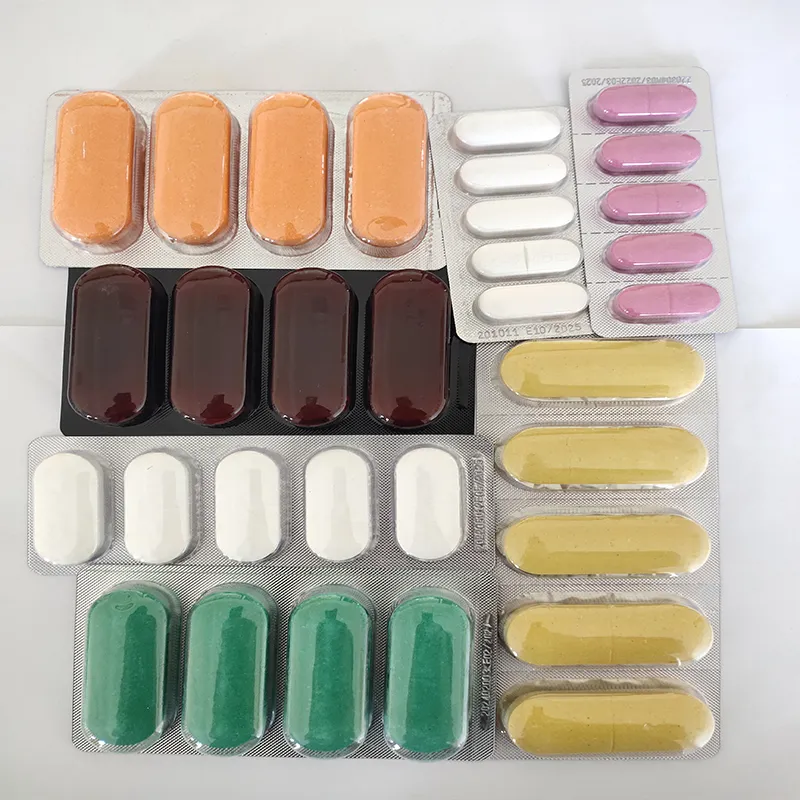
Coryza chicken medicines are primarily formulated as water-soluble powders or injectable solutions. The core active pharmaceutical ingredients (APIs) – commonly sulfonamides, tetracyclines, or more recently, fluoroquinolones – dictate the initial material sourcing. Sulfonamides, for instance, are synthesized from toluene via chlorosulfonation and amination processes, requiring precise control of temperature and reagent ratios to achieve high purity. Tetracyclines are typically produced through fermentation processes utilizing Streptomyces species, necessitating stringent control of nutrient media composition, pH, and oxygen levels. Fluoroquinolones involve complex multi-step organic syntheses. Excipients, critical for formulation stability and bioavailability, include diluents (lactose, starch), binders (polyvinylpyrrolidone), and solubilizers (sodium lauryl sulfate). Manufacturing processes involve micronization of APIs to enhance dissolution rates, blending with excipients using high-shear mixers, granulation (wet or dry), tablet compression (where applicable), and sterile filtration/aseptic filling for injectable formulations. Critical parameters include particle size distribution (PSD) – influencing drug absorption – moisture content (affecting stability), and sterility assurance level (SAL) for injectables, adhering to pharmacopeial standards. Chemical compatibility between APIs and excipients is paramount to prevent degradation or formation of undesirable byproducts; HPLC and mass spectrometry are routinely used for quality control.
Performance & Engineering
The performance of coryza chicken medicine is evaluated through in vitro susceptibility testing of A. gallinarum isolates against various APIs, determining minimum inhibitory concentrations (MICs) and minimum bactericidal concentrations (MBCs). In vivo efficacy studies, typically conducted in experimentally infected chickens, assess clinical signs (nasal discharge, facial edema, sneezing), bacterial load in the nasal cavity, and histopathological changes in the respiratory tract. Pharmacokinetic (PK) studies are crucial, examining drug absorption, distribution, metabolism, and excretion (ADME) profiles in chickens, particularly for injectable formulations. Engineering considerations focus on optimizing drug delivery. Water-soluble formulations require assessment of solubility and stability in different water qualities (pH, mineral content) commonly found on poultry farms. Injectable formulations demand careful consideration of injection volume, viscosity, and potential injection site reactions. Environmental resistance assessment involves evaluating the drug’s stability under varying temperature and humidity conditions, simulating storage and transport scenarios. Compliance requirements, particularly regarding antibiotic residues in poultry meat and eggs, necessitate adherence to withdrawal periods specified by regulatory authorities to prevent human health risks. Force analysis isn't directly applicable to the drug itself but applies to the equipment used in its manufacture (mixing, compression, filling) to ensure consistent dosage.
Technical Specifications
| API (Active Pharmaceutical Ingredient) | Concentration (mg/mL or g/kg) | Solubility (mg/mL in Water) | pH Range (Optimal Stability) |
|---|---|---|---|
| Sulfamethoxazole | 100 mg/mL | >100 mg/mL | 6.0 - 8.0 |
| Trimethoprim | 50 mg/mL | >50 mg/mL | 6.5 - 7.5 |
| Tetracycline Hydrochloride | 50 g/kg | >20 g/kg | 4.0 - 7.0 |
| Enrofloxacin | 10% w/v | >10% w/v | 5.0 - 8.5 |
| Ciprofloxacin | 5% w/v | >5% w/v | 4.5 - 7.5 |
| Amprolium (as a coccidiostat, often combined) | 100 g/kg | >50 g/kg | 5.0 - 7.0 |
Failure Mode & Maintenance
Failure modes of coryza chicken medicine encompass several categories. API degradation, primarily through hydrolysis or oxidation, is a common issue, accelerated by improper storage (high temperature, humidity, light exposure). This manifests as reduced potency and potential formation of toxic degradation products. Formulation instability, such as precipitation or phase separation, can occur due to excipient incompatibility or changes in pH. Bacterial contamination of injectable formulations, despite sterilization procedures, remains a risk, leading to systemic infections. Antibiotic resistance development in A. gallinarum populations is a significant long-term failure mode, rendering the medicine ineffective. Maintenance strategies involve strict adherence to recommended storage conditions (cool, dry, dark place), regular quality control testing (HPLC, microbial assays), and implementation of robust biosecurity measures on poultry farms to minimize disease transmission and slow the emergence of resistance. Proper reconstitution procedures for water-soluble powders are critical to ensure accurate dosage and prevent precipitation. Monitoring for changes in efficacy through regular susceptibility testing of field isolates is crucial for adapting treatment protocols.
Industry FAQ
Q: What is the impact of prolonged sulfonamide use on the development of antibiotic resistance in Avibacterium gallinarum?
A: Prolonged and indiscriminate sulfonamide use exerts selective pressure on A. gallinarum populations, favoring the survival and proliferation of resistant strains. Resistance mechanisms include alterations in the dihydropteroate synthase enzyme, the target of sulfonamides. Cross-resistance to other sulfonamides and even some trimethoprim combinations can develop. Regular monitoring of susceptibility patterns is crucial for informed treatment decisions.
Q: How does the particle size of the API affect the bioavailability of water-soluble coryza medications?
A: Smaller particle sizes increase the surface area available for dissolution, enhancing the rate and extent of drug absorption in the chicken’s digestive tract. Micronization is therefore a critical manufacturing step. Agglomeration of particles during storage can reduce bioavailability, necessitating the use of appropriate excipients to maintain particle dispersion.
Q: What are the key considerations when selecting an excipient for a coryza medicine formulation?
A: Excipient selection must consider chemical compatibility with the API, influence on drug solubility and stability, and potential impact on bioavailability. The excipient must be non-toxic to chickens and not interfere with the therapeutic effect. Regulatory compliance (approved excipient lists) is also essential.
Q: What sterilization methods are suitable for injectable coryza medications, and what are the associated risks?
A: Terminal sterilization (autoclaving) is ideal but may not be suitable for all APIs due to heat lability. Sterile filtration (0.22 μm filters) is commonly used for heat-sensitive drugs, but requires meticulous process control to ensure filter integrity and prevent contamination. Aseptic filling techniques are essential to maintain sterility during packaging.
Q: What withdrawal periods are typically enforced for different antibiotic classes used in coryza treatment, and why are they crucial?
A: Withdrawal periods vary depending on the specific antibiotic and regulatory requirements of the country. Typical periods range from several days to several weeks. These periods are crucial to allow sufficient time for the drug to be metabolized and excreted from the chicken’s system, preventing residues from entering the human food chain.
Conclusion
Coryza chicken medicine represents a complex interplay of pharmaceutical science, veterinary medicine, and regulatory compliance. Effective treatment necessitates a thorough understanding of Avibacterium gallinarum's susceptibility profiles, pharmacokinetic properties of the chosen API, and formulation considerations that optimize bioavailability and stability. Addressing the growing challenge of antibiotic resistance requires a multifaceted approach, incorporating judicious antibiotic use, improved biosecurity protocols, and exploration of alternative therapies such as bacteriophages or immunostimulants.
Future development should focus on novel drug delivery systems that enhance drug targeting to the respiratory tract, minimizing systemic exposure and reducing the selection pressure for resistance. Continuous monitoring of resistance patterns and investment in research to identify new APIs and treatment strategies are essential for ensuring the long-term sustainability of coryza control in the poultry industry.
Latest news
Copyright © 2026
Dingzhou Kangquan Pharmaceutical Co., Ltd. All Rights Reserved. Sitemap | Privacy
Policy


