
Apr . 01, 2024 17:55 Back to list
digestion medicine for poultry Performance Analysis

Introduction
Poultry digestion medicine, encompassing enzymatic supplements, probiotics, prebiotics, and acidifiers, represents a critical component of modern poultry production. This guide provides a comprehensive technical overview of these formulations, addressing their role in optimizing feed efficiency, mitigating digestive disorders, and enhancing overall poultry health and performance. The industry currently faces challenges with antibiotic resistance, driving a demand for preventative and supportive digestive health solutions. These medicines are positioned within the poultry production chain as a feed additive, functioning primarily to enhance nutrient absorption and maintain gut microbiome balance. Core performance indicators include improvements in feed conversion ratio (FCR), weight gain, and reduction in incidences of necrotic enteritis, dysbiosis, and other common digestive ailments. Effectiveness hinges on formulation stability, bioavailability of active ingredients, and compatibility with varying poultry diets.
Material Science & Manufacturing
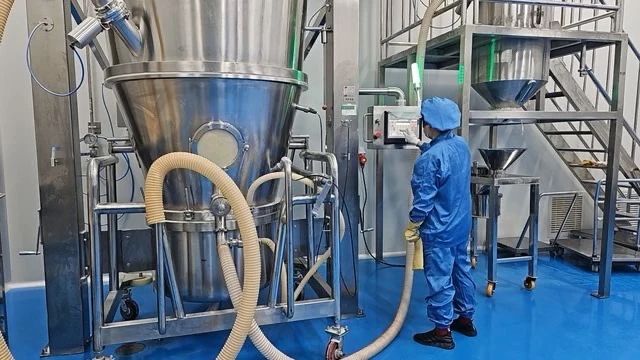
The foundational materials for poultry digestion medicine vary significantly depending on the active ingredient. Enzymatic preparations typically utilize fungal or bacterial sources (e.g., Aspergillus niger, Bacillus subtilis) for producing amylases, proteases, lipases, and cellulases. These enzymes are often immobilized onto inert carriers like silica or clay to enhance stability and controlled release. Probiotic formulations rely on viable bacterial strains (e.g., Lactobacillus, Bifidobacterium) cultured in specialized fermentation media. The manufacturing process involves stringent quality control to ensure strain purity and cell viability, usually measured in colony-forming units (CFU). Prebiotics, such as fructo-oligosaccharides (FOS) and mannan-oligosaccharides (MOS), are extracted from plant sources like chicory root and yeast cell walls, respectively, employing solvent extraction and purification techniques. Acidifiers, typically organic acids (e.g., formic, lactic, propionic), are produced through fermentation or chemical synthesis and require precise pH control during formulation. A common manufacturing process includes blending of active ingredients with carriers (e.g., rice hulls, wheat bran), followed by granulation or pelleting to improve flowability and reduce dust. Key parameter control involves maintaining optimal temperature, humidity, and pH throughout the entire process to preserve ingredient activity and prevent degradation. Microencapsulation techniques are increasingly employed to protect sensitive ingredients from stomach acid and enhance delivery to the intestinal tract. Chemical compatibility is paramount; ensuring ingredients do not react adversely or neutralize each other is vital for efficacy.
Performance & Engineering
The efficacy of poultry digestion medicine is directly correlated to its ability to modulate the gut microbiome and enhance nutrient digestion. Force analysis centers on the mechanical integrity of granulated or pelleted formulations – ensuring they withstand handling and mixing during feed production. Environmental resistance is critical, particularly concerning temperature and humidity. Enzymes, probiotics, and prebiotics are susceptible to denaturation and inactivation under harsh conditions. Storage stability studies are essential to determine shelf life and recommended storage conditions. Compliance requirements vary by region but generally involve adherence to feed additive regulations (e.g., EU Feed Additives Regulation, FDA regulations in the US). Functional implementation necessitates careful consideration of dosage rates, feed mixing protocols, and potential interactions with other feed ingredients. The optimal dose is determined by factors such as bird age, breed, diet composition, and disease challenge. Bioavailability assessments are vital, utilizing techniques such as in vitro digestion models and in vivo absorption studies to quantify the amount of active ingredient reaching the target site in the gut. Acidifier performance is evaluated by measuring its impact on gut pH and microbial populations. Understanding the shear forces during feed mixing and the abrasive wear on dispensing equipment is crucial for maintaining product uniformity and delivery accuracy.
Technical Specifications
| Parameter | Unit | Typical Range (Enzyme Blend) | Typical Range (Probiotic) |
|---|---|---|---|
| Amylase Activity | U/g | 10,000 – 30,000 | N/A |
| Protease Activity | U/g | 5,000 – 15,000 | N/A |
| Lipase Activity | U/g | 1,000 – 5,000 | N/A |
| CFU Count (Lactobacillus) | CFU/g | N/A | 1 x 10⁹ – 5 x 10¹⁰ |
| Moisture Content | % | < 10 | < 8 |
| Particle Size (Average) | µm | 150 – 500 | 100 - 400 |
Failure Mode & Maintenance
Failure modes for poultry digestion medicine can be categorized as loss of potency, physical degradation, and application errors. Loss of potency arises from enzyme denaturation due to heat, moisture, or pH fluctuations during storage or feed processing. Probiotic viability can decline with age or improper storage conditions (temperature exceeding 25°C, humidity above 70%). Physical degradation includes caking, clumping, and segregation of ingredients in the feed, leading to uneven distribution and reduced efficacy. This can be exacerbated by poor granulation or pelleting processes. Application errors involve incorrect dosage rates, inadequate mixing, or contamination of the feed. Failure analysis requires identifying the root cause, which may involve laboratory testing of ingredient activity, CFU counts, and physical characteristics of the final product. Maintenance solutions involve stringent quality control throughout the manufacturing process, proper storage recommendations (cool, dry place), and clear instructions for feed mixing and application. Regular monitoring of product quality and performance is crucial. Preventative measures include utilizing microencapsulation technology to protect sensitive ingredients, incorporating antioxidants to enhance stability, and implementing robust quality assurance programs to minimize contamination risks. Addressing dust control during handling and mixing is vital for maintaining worker safety and preventing ingredient loss.
Industry FAQ
Q: What is the impact of mycotoxins on the effectiveness of enzyme-based digestion aids?
A: Mycotoxins can significantly inhibit enzyme activity, reducing the effectiveness of digestion aids. Mycotoxins damage the intestinal lining, impairing nutrient absorption and exacerbating digestive disorders. Incorporating mycotoxin binders into the feed alongside enzymatic supplements is recommended to mitigate this impact.
Q: How does the form of probiotic (lyophilized vs. liquid) affect its stability and efficacy?
A: Lyophilized (freeze-dried) probiotics generally exhibit superior stability and longer shelf life compared to liquid formulations. The freeze-drying process removes water, preserving cell viability. Liquid probiotics require refrigerated storage and have a shorter usable life. However, some liquid formulations utilize encapsulation to protect the probiotic cells.
Q: What is the role of prebiotics in synergy with probiotics?
A: Prebiotics serve as a selective substrate for beneficial bacteria, promoting their growth and activity in the gut. This synergistic effect enhances the colonization of probiotics and improves their efficacy in modulating the gut microbiome. The ideal prebiotic-to-probiotic ratio needs to be optimized for the specific poultry species and age.
Q: Are there any interactions between acidifiers and commonly used antibiotics in poultry?
A: While acidifiers can reduce the need for antibiotics, caution is advised when used concurrently. Some acidifiers may potentiate the effects of certain antibiotics, potentially leading to toxicity. Consult with a veterinarian to determine appropriate usage guidelines.
Q: How do I ensure uniform distribution of digestion medicine in a complete feed ration?
A: Proper mixing is crucial. Ensure the mixer is functioning correctly and that the addition rate of the digestion medicine is carefully controlled. Post-mixing analysis of feed samples should be conducted to verify uniform distribution. Pelletizing the feed can further improve ingredient uniformity.
Conclusion
Poultry digestion medicine represents a multifaceted approach to optimizing gut health and enhancing performance in poultry production. The selection and application of appropriate formulations – whether enzymatic, probiotic, prebiotic, or acidifier-based – requires a thorough understanding of their respective mechanisms of action, material science properties, and potential failure modes. Ongoing research and technological advancements are continuously refining these solutions, driving improvements in feed efficiency and reducing reliance on prophylactic antibiotic use.
Moving forward, advancements in microencapsulation, precision feeding, and microbiome analysis will play a key role in maximizing the efficacy of poultry digestion medicine. The integration of data-driven insights and personalized nutrition strategies promises to further optimize gut health and enhance sustainable poultry production. Prioritizing quality control, proper storage, and accurate application protocols remains paramount for ensuring optimal performance and return on investment.
Latest news
Copyright © 2026
Dingzhou Kangquan Pharmaceutical Co., Ltd. All Rights Reserved. Sitemap | Privacy
Policy


