
2695018275@qq.com
+86
13780513619
- Afrikaans
- Albanian
- Amharic
- Arabic
- Armenian
- Azerbaijani
- Basque
- Belarusian
- Bengali
- Bosnian
- Bulgarian
- Catalan
- Cebuano
- Corsican
- Croatian
- Czech
- Danish
- Dutch
- English
- Esperanto
- Estonian
- Finnish
- French
- Frisian
- Galician
- Georgian
- German
- Greek
- Gujarati
- Haitian Creole
- hausa
- hawaiian
- Hebrew
- Hindi
- Miao
- Hungarian
- Icelandic
- igbo
- Indonesian
- irish
- Italian
- Japanese
- Javanese
- Kannada
- kazakh
- Khmer
- Rwandese
- Korean
- Kurdish
- Kyrgyz
- Lao
- Latin
- Latvian
- Lithuanian
- Luxembourgish
- Macedonian
- Malgashi
- Malay
- Malayalam
- Maltese
- Maori
- Marathi
- Mongolian
- Myanmar
- Nepali
- Norwegian
- Norwegian
- Occitan
- Pashto
- Persian
- Polish
- Portuguese
- Punjabi
- Romanian
- Russian
- Samoan
- Scottish Gaelic
- Serbian
- Sesotho
- Shona
- Sindhi
- Sinhala
- Slovak
- Slovenian
- Somali
- Spanish
- Sundanese
- Swahili
- Swedish
- Tagalog
- Tajik
- Tamil
- Tatar
- Telugu
- Thai
- Turkish
- Turkmen
- Ukrainian
- Urdu
- Uighur
- Uzbek
- Vietnamese
- Welsh
- Bantu
- Yiddish
- Yoruba
- Zulu
Apr . 01, 2024 17:55 Back to list
dog b vitamins Performance Analysis

Introduction
Dog B vitamins represent a critical supplement in canine nutrition, encompassing a complex of eight essential water-soluble vitamins: thiamine (B1), riboflavin (B2), niacin (B3), pantothenic acid (B5), pyridoxine (B6), biotin (B7), folic acid (B9), and cobalamin (B12). These compounds are not synthesized sufficiently by dogs, necessitating dietary inclusion or supplementation. Their technical position within the pet food and veterinary supply chain is significant, functioning as preventative and therapeutic agents addressing a wide range of physiological deficiencies. Core performance indicators center on metabolic support, neurological function, dermatological health, and red blood cell formation. Deficiencies can manifest as a spectrum of clinical signs, ranging from lethargy and anorexia to neurological dysfunction and skin lesions, highlighting their indispensable role in canine well-being. Understanding the specific roles of each B vitamin, their interdependencies, and bioavailability is crucial for optimal canine health management. The formulation and stability of these vitamins in commercial products represent a continuing area of development and quality control.
Material Science & Manufacturing
The production of dog B vitamins involves both synthetic chemical processes and, increasingly, fermentation-based biotechnology. Raw materials for synthetic production commonly include acrylonitrile (for B12 precursors), pyridine derivatives (for B3 and B6), and various organic acids. Fermentation utilizes microorganisms like Propionibacterium freudenreichii and Pseudomonas denitrificans to produce specific B vitamins, offering a "natural" source claim. Manufacturing processes vary by vitamin. Thiamine (B1) typically involves multi-step organic synthesis requiring precise temperature and pH control. Riboflavin (B2) manufacturing often utilizes fermentation followed by crystallization and purification. Niacin (B3) can be synthesized from 3-picoline or obtained through the fermentation of carbohydrates. Pantothenic acid (B5) relies on condensation reactions involving beta-alanine and pantoic acid. Pyridoxine (B6) synthesis is complex, involving multiple reaction stages. Biotin (B7) production relies heavily on fermentation. Folic acid (B9) involves complex organic synthesis. Cobalamin (B12) production, especially pharmaceutical grade, is primarily fermentation-based. Stability during manufacturing is a significant concern. B vitamins are sensitive to light, heat, and oxidation. Microencapsulation techniques are often employed to protect vitamins during processing and storage, utilizing materials like vegetable oils, fats, and carbohydrates to create a protective barrier. Quality control relies on High-Performance Liquid Chromatography (HPLC) and spectrophotometry to verify purity and potency.
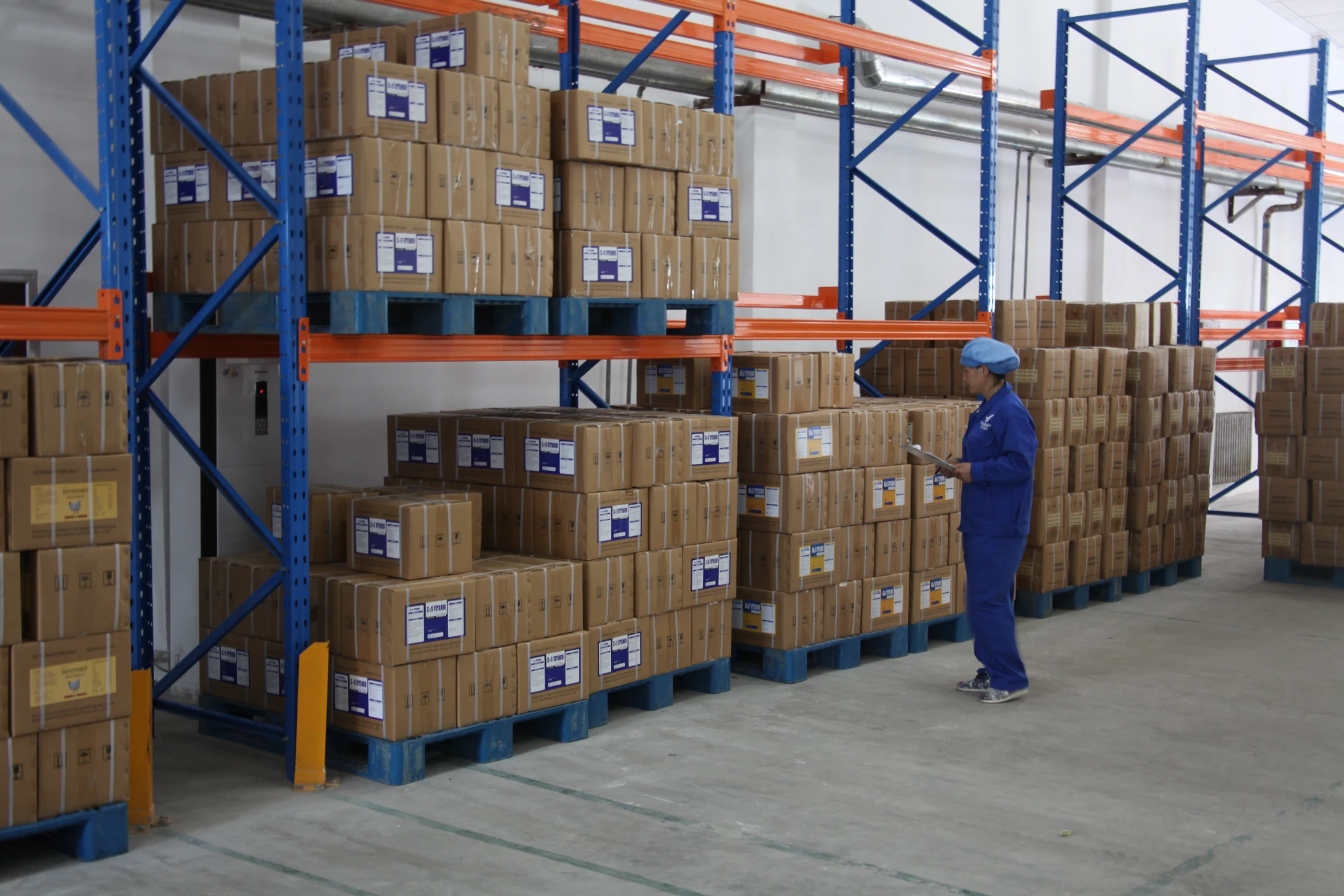
Performance & Engineering
The efficacy of dog B vitamins is directly tied to their bioavailability – the degree to which they are absorbed and utilized by the canine body. Bioavailability is influenced by factors like chemical form, particle size, the presence of other nutrients, and the dog’s digestive health. Water solubility facilitates absorption in the small intestine, but excessive amounts are excreted in urine. Formulation engineering focuses on enhancing absorption. For example, esterifying niacin (creating nicotinic acid esters) can reduce flushing and improve absorption. The inclusion of chelating agents, such as amino acid complexes, can improve mineral absorption which often synergistically interacts with B vitamin function. Environmental resistance focuses on maintaining vitamin potency during storage and shelf life. Packaging materials with low oxygen permeability and UV protection are critical. Regulatory compliance dictates specific minimum and maximum inclusion rates for each B vitamin in canine diets, as established by organizations like the Association of American Feed Control Officials (AAFCO). Dosage calculations consider the dog’s weight, age, physiological state (e.g., pregnancy, lactation), and underlying health conditions. Force analysis is relevant in tablet compression; ensuring sufficient mechanical strength to prevent crumbling during handling and administration. The interaction between B vitamins and other nutrients – for instance, the dependence of folate metabolism on vitamin B12 – must be considered in formulating balanced supplements.
Technical Specifications
| Vitamin | Chemical Formula | Molecular Weight (g/mol) | Typical Potency (mg/kg Supplement) |
|---|---|---|---|
| Thiamine (B1) | C₁₂H₁₇N₄OS⁺ | 337.37 | 500 – 2000 |
| Riboflavin (B2) | C₁₇H₂₀N₄O₆ | 335.34 | 200 – 800 |
| Niacin (B3) | C₆H₅NO₂ | 123.11 | 1000 – 4000 |
| Pantothenic Acid (B5) | C₉H₁₇NO₅ | 219.23 | 500 – 2000 |
| Pyridoxine (B6) | C₈H₁₁NO₃ | 169.18 | 100 – 400 |
| Biotin (B7) | C₁₀H₁₆N₂O₃S | 244.31 | 0.1 – 1.0 |
| Folic Acid (B9) | C₁₉H₁₉N₇O₆ | 441.40 | 20 – 100 |
| Cobalamin (B12) | C₆₃H₈₈CoN₁₄O₁₄P | 1346.38 | 1 – 10 |
Failure Mode & Maintenance
Failure modes of dog B vitamin supplements can be broadly categorized into degradation, bioavailability loss, and formulation defects. Degradation occurs due to exposure to light, heat, oxygen, and moisture, leading to a reduction in vitamin potency. Oxidation is a particular concern for riboflavin and thiamine. Bioavailability loss arises from poor formulation – large particle size, inadequate encapsulation, or incompatibility with other ingredients. Formulation defects include tablet crumbling, capsule leakage, and uneven distribution of vitamins within the supplement. Maintenance strategies focus on preventative measures. Proper storage is paramount: cool, dry, and dark environments. Packaging should utilize airtight, light-resistant containers. Regular quality control testing – HPLC analysis – is essential to monitor vitamin potency over time. Microencapsulation provides a protective barrier, extending shelf life. Antioxidants, like vitamin E and ascorbic acid, can be added to formulations to mitigate oxidative degradation. Monitoring for changes in physical appearance – discoloration, odor, texture – can indicate degradation. For liquid formulations, ensuring proper pH control is vital to prevent vitamin decomposition. Addressing consumer concerns regarding palatability can prevent dogs from refusing the supplement, indirectly improving efficacy.
Industry FAQ
Q: What is the impact of chelation on the bioavailability of B vitamins in canine supplements?
A: Chelation, specifically complexing B vitamins with amino acids, can significantly enhance bioavailability. The amino acid acts as a carrier, facilitating absorption across the intestinal epithelium. This is particularly beneficial for minerals that synergistically interact with B vitamins, like magnesium with B6, improving overall metabolic function. However, the type of chelating agent matters; some are more effectively absorbed than others.
Q: How does the manufacturing process influence the stability of heat-sensitive B vitamins like thiamine?
A: Heat exposure during manufacturing, particularly during drying or granulation stages, can degrade thiamine. Employing low-temperature processing techniques, like fluid bed drying, minimizes heat exposure. Microencapsulation offers a protective barrier. Formulating with antioxidants can further stabilize thiamine. Monitoring thiamine levels throughout the manufacturing process via HPLC is crucial.
Q: What are the key differences between synthetic and fermentation-derived B vitamins in terms of canine absorption?
A: While both synthetic and fermentation-derived B vitamins are chemically identical, some argue that fermentation-derived vitamins are associated with naturally occurring cofactors that enhance absorption. However, rigorous scientific evidence supporting this claim is limited. Bioavailability primarily depends on the chemical form of the vitamin and formulation, not necessarily its origin.
Q: What packaging materials are most effective in protecting B vitamins from degradation during long-term storage?
A: Packaging materials with low oxygen permeability and high UV protection are crucial. Amber-colored glass bottles or opaque plastic containers are preferred. The use of desiccants within the packaging can absorb moisture, further enhancing stability. Airtight seals are essential to prevent oxygen ingress. The material should also be chemically inert, not reacting with the vitamin formulation.
Q: How does AAFCO regulate the minimum and maximum inclusion rates of B vitamins in dog food and supplements?
A: AAFCO establishes minimum nutritional adequacy profiles for dog food, specifying minimum levels of essential nutrients, including B vitamins. These levels are based on life stage and physiological state (growth, reproduction, maintenance). AAFCO does not generally set maximum limits, but excessive supplementation can lead to adverse effects and is discouraged. Manufacturers are responsible for ensuring their products meet AAFCO guidelines.
Conclusion
Dog B vitamins are essential micronutrients critical for maintaining optimal canine health. Their complex interplay within metabolic pathways necessitates a comprehensive understanding of each vitamin’s function, bioavailability, and potential degradation pathways. Manufacturing processes must prioritize stability and potency preservation, utilizing techniques like microencapsulation and antioxidant inclusion.
Future development will likely focus on novel delivery systems – such as liposomal encapsulation – to further enhance bioavailability and targeted delivery. Continued research into the optimal B vitamin ratios for specific canine breeds and health conditions is also warranted. The importance of rigorous quality control and adherence to regulatory standards like AAFCO remains paramount to ensure product efficacy and safety.
Latest news
Copyright © 2026
Dingzhou Kangquan Pharmaceutical Co., Ltd. All Rights Reserved. Sitemap | Privacy
Policy


