
2695018275@qq.com
+86
13780513619
- Afrikaans
- Albanian
- Amharic
- Arabic
- Armenian
- Azerbaijani
- Basque
- Belarusian
- Bengali
- Bosnian
- Bulgarian
- Catalan
- Cebuano
- Corsican
- Croatian
- Czech
- Danish
- Dutch
- English
- Esperanto
- Estonian
- Finnish
- French
- Frisian
- Galician
- Georgian
- German
- Greek
- Gujarati
- Haitian Creole
- hausa
- hawaiian
- Hebrew
- Hindi
- Miao
- Hungarian
- Icelandic
- igbo
- Indonesian
- irish
- Italian
- Japanese
- Javanese
- Kannada
- kazakh
- Khmer
- Rwandese
- Korean
- Kurdish
- Kyrgyz
- Lao
- Latin
- Latvian
- Lithuanian
- Luxembourgish
- Macedonian
- Malgashi
- Malay
- Malayalam
- Maltese
- Maori
- Marathi
- Mongolian
- Myanmar
- Nepali
- Norwegian
- Norwegian
- Occitan
- Pashto
- Persian
- Polish
- Portuguese
- Punjabi
- Romanian
- Russian
- Samoan
- Scottish Gaelic
- Serbian
- Sesotho
- Shona
- Sindhi
- Sinhala
- Slovak
- Slovenian
- Somali
- Spanish
- Sundanese
- Swahili
- Swedish
- Tagalog
- Tajik
- Tamil
- Tatar
- Telugu
- Thai
- Turkish
- Turkmen
- Ukrainian
- Urdu
- Uighur
- Uzbek
- Vietnamese
- Welsh
- Bantu
- Yiddish
- Yoruba
- Zulu
Apr . 01, 2024 17:55 Back to list
Dog energy vitamins Performance Analysis
Introduction
Dog energy vitamins represent a specialized segment within the broader canine nutritional supplement industry. Positioned as a solution to combat lethargy, support increased activity levels, and mitigate age-related declines in energy, these formulations address a significant pain point for pet owners. While standard canine vitamin supplements focus on overall health and maintenance, energy vitamins target specific metabolic pathways involved in energy production and utilization. Their technical composition typically includes B-vitamins, L-carnitine, taurine, and various adaptogens, often in proprietary blends. Understanding their efficacy requires a deep dive into canine physiology, bioavailability of ingredients, and potential interactions with pre-existing health conditions. This guide provides a comprehensive technical overview of dog energy vitamins, from raw material sourcing and manufacturing processes to performance evaluation, failure modes, and relevant industry standards. The increasing demand for these products is driven by a growing pet humanization trend and a greater awareness of proactive health management for dogs.
Material Science & Manufacturing
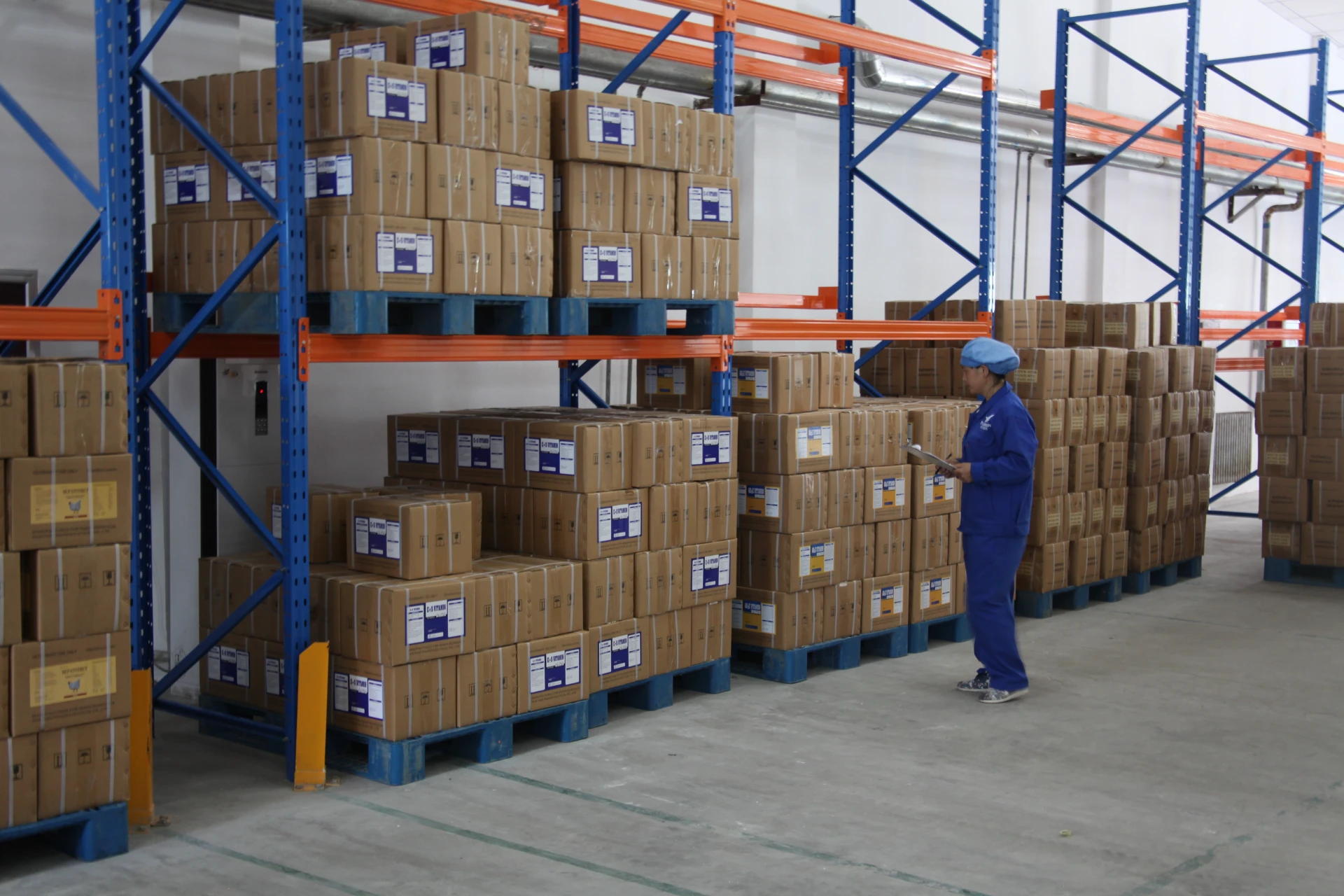
The core materials in dog energy vitamins fall into several categories. B-vitamins (B1, B2, B3, B5, B6, B12) are generally synthesized chemically or derived from fermentation processes. Their stability is crucial; many are light-sensitive and require encapsulation or coating with protective polymers like hypromellose (HPMC) or ethylcellulose. L-Carnitine is commonly produced via chemical synthesis, although biotechnological routes using microbial fermentation are gaining traction. Purity is a key concern, with potential for residual solvents or byproducts from the synthesis process. Taurine is often produced through chemical synthesis, although extraction from animal sources is possible. Ensuring its bioavailability is critical, necessitating careful consideration of particle size and formulation. Adaptogens, such as Rhodiola rosea or Panax ginseng, undergo extraction and purification processes. Standardized extracts, quantified by active compound concentrations (e.g., rosavins in Rhodiola), are preferred. Manufacturing typically involves blending powdered ingredients, granulation (wet or dry), and encapsulation – either hard gelatin capsules or softgel formulations. Tableting is also common, requiring binders like microcrystalline cellulose (MCC) and lubricants like magnesium stearate. Parameter control during granulation is paramount to ensure uniform tablet density and disintegration rate. Coating processes, using polymers and plasticizers, are employed to mask taste, improve swallowability, and control release profiles. Quality control involves HPLC analysis for vitamin quantification, microbial testing for safety, and dissolution testing to verify bioavailability.
Performance & Engineering
The efficacy of dog energy vitamins hinges on the bioavailability of their constituent compounds. Bioavailability is influenced by several factors: solubility, permeability across the intestinal lining, and resistance to degradation in the gastrointestinal tract. Encapsulation technologies aim to protect sensitive vitamins from stomach acid and enzymatic breakdown. Formulation strategies, such as lipid-based delivery systems, can enhance absorption. Force analysis isn't directly applicable to the vitamins themselves, but is critical in assessing the robustness of the capsule or tablet during manufacturing, packaging, and handling. Environmental resistance – particularly to humidity and temperature fluctuations – is essential for maintaining product stability and potency over its shelf life. Accelerated stability testing, conducted at elevated temperatures and humidity levels, predicts long-term degradation rates. Compliance requirements are dictated by regulations governing veterinary supplements. These typically involve Good Manufacturing Practices (GMP) certification, adherence to label claim accuracy, and absence of prohibited substances. Functional implementation involves understanding canine metabolic pathways. B-vitamins act as coenzymes in energy metabolism, facilitating the conversion of carbohydrates, fats, and proteins into usable energy (ATP). L-Carnitine transports fatty acids into the mitochondria for beta-oxidation, a key energy-generating process. Taurine supports cardiac function and neurological health, indirectly impacting energy levels. Adaptogens modulate the hypothalamic-pituitary-adrenal (HPA) axis, helping dogs cope with stress and maintain energy reserves.
Technical Specifications
| Component | Typical Concentration (per dose) | Bioavailability (%) | Stability (Shelf Life at 25°C) |
|---|---|---|---|
| Vitamin B1 (Thiamine) | 1-5 mg | 70-80% | 24 months |
| Vitamin B2 (Riboflavin) | 1-3 mg | 60-70% | 18 months |
| Vitamin B3 (Niacin) | 10-20 mg | 80-90% | 24 months |
| Vitamin B5 (Pantothenic Acid) | 5-10 mg | 50-60% | 12 months |
| Vitamin B6 (Pyridoxine) | 1-3 mg | 75-85% | 24 months |
| Vitamin B12 (Cobalamin) | 10-20 mcg | 40-50% | 18 months |
| L-Carnitine | 100-300 mg | 50-70% | 24 months |
| Taurine | 50-150 mg | 80-90% | 24 months |
| Rhodiola Rosea Extract | 50-100mg | 30-40% | 12 months |
Failure Mode & Maintenance
Failure modes in dog energy vitamins predominantly relate to degradation of active ingredients, resulting in reduced potency. Oxidation of B-vitamins is a common degradation pathway, accelerated by exposure to air, light, and heat. Hydrolysis of encapsulation polymers can release vitamins prematurely, leading to instability. Moisture absorption can cause caking, reduced dissolution rate, and microbial growth. Delamination of coated tablets can occur due to improper coating formulation or processing parameters. Physical failures, such as capsule cracking or tablet chipping, can result from handling during manufacturing, packaging, or shipping. Maintenance protocols involve proper storage conditions: cool, dry place, protected from light. Packaging materials with low oxygen permeability and moisture barrier properties are crucial. Regular stability testing, monitoring active ingredient concentrations over time, is essential for confirming product integrity. Implementing robust quality control procedures throughout the manufacturing process minimizes physical defects. Pet owners should be instructed to store the product according to label directions and to discard any visibly damaged or discolored supplements. Batch traceability is vital for identifying and addressing potential quality issues.
Industry FAQ
Q: What is the significance of the bioavailability percentage listed for each vitamin?
A: Bioavailability represents the fraction of the administered vitamin that reaches systemic circulation and is available to exert its intended physiological effect. A lower bioavailability percentage indicates a larger proportion of the vitamin is lost due to poor absorption, metabolism, or excretion. Formulations with higher bioavailability require lower doses to achieve the same therapeutic outcome.
Q: How do you ensure the absence of prohibited substances, such as banned performance-enhancing drugs, in these vitamins?
A: We employ a rigorous third-party testing program conducted by ISO 17025 accredited laboratories. This testing utilizes highly sensitive analytical methods, such as LC-MS/MS and GC-MS, to screen for a comprehensive list of prohibited substances as defined by veterinary regulatory bodies. Raw material suppliers are also required to provide certificates of analysis confirming the absence of contaminants.
Q: What is the role of encapsulation in maintaining the stability of the vitamins?
A: Encapsulation provides a protective barrier against environmental factors like oxygen, moisture, and light, which can degrade vitamins. It also masks unpleasant tastes and odors, improves swallowability, and can control the release rate of the vitamins in the digestive tract. The choice of encapsulation material is critical, depending on the vitamin's properties and desired release profile.
Q: How do you validate the label claim accuracy of the vitamin content?
A: Label claim accuracy is validated through meticulous analytical testing using High-Performance Liquid Chromatography (HPLC) and other validated analytical methods. Each batch of vitamins undergoes testing to confirm that the actual vitamin content matches the amount stated on the label, within a specified tolerance range. This testing is performed in accordance with GMP guidelines.
Q: What are the implications of differing stability profiles for various vitamins within the same formulation?
A: Differing stability profiles necessitate careful formulation design. The most labile vitamins dictate the overall shelf life of the product. Strategies to mitigate degradation, such as overage (adding a slight excess of the vitamin to compensate for anticipated losses), protective excipients, and appropriate packaging, are employed to ensure all vitamins remain potent throughout the product's shelf life.
Conclusion
Dog energy vitamins are a complex formulation requiring a nuanced understanding of canine physiology, material science, and manufacturing processes. Achieving optimal efficacy necessitates prioritizing bioavailability, stability, and label claim accuracy. The use of high-quality raw materials, robust quality control procedures, and appropriate packaging are crucial for delivering a potent and safe product.
Future trends in this sector will likely focus on personalized nutrition, leveraging genetic testing and individual dog characteristics to tailor vitamin formulations. Furthermore, advancements in delivery systems, such as nanoencapsulation, may enhance bioavailability and targeted delivery of active ingredients. Continued research is needed to further elucidate the optimal dosages and combinations of vitamins and adaptogens for maximizing energy levels and overall health in dogs.
Latest news
Copyright © 2026
Dingzhou Kangquan Pharmaceutical Co., Ltd. All Rights Reserved. Sitemap | Privacy
Policy


