
2695018275@qq.com
+86
13780513619
- Afrikaans
- Albanian
- Amharic
- Arabic
- Armenian
- Azerbaijani
- Basque
- Belarusian
- Bengali
- Bosnian
- Bulgarian
- Catalan
- Cebuano
- Corsican
- Croatian
- Czech
- Danish
- Dutch
- English
- Esperanto
- Estonian
- Finnish
- French
- Frisian
- Galician
- Georgian
- German
- Greek
- Gujarati
- Haitian Creole
- hausa
- hawaiian
- Hebrew
- Hindi
- Miao
- Hungarian
- Icelandic
- igbo
- Indonesian
- irish
- Italian
- Japanese
- Javanese
- Kannada
- kazakh
- Khmer
- Rwandese
- Korean
- Kurdish
- Kyrgyz
- Lao
- Latin
- Latvian
- Lithuanian
- Luxembourgish
- Macedonian
- Malgashi
- Malay
- Malayalam
- Maltese
- Maori
- Marathi
- Mongolian
- Myanmar
- Nepali
- Norwegian
- Norwegian
- Occitan
- Pashto
- Persian
- Polish
- Portuguese
- Punjabi
- Romanian
- Russian
- Samoan
- Scottish Gaelic
- Serbian
- Sesotho
- Shona
- Sindhi
- Sinhala
- Slovak
- Slovenian
- Somali
- Spanish
- Sundanese
- Swahili
- Swedish
- Tagalog
- Tajik
- Tamil
- Tatar
- Telugu
- Thai
- Turkish
- Turkmen
- Ukrainian
- Urdu
- Uighur
- Uzbek
- Vietnamese
- Welsh
- Bantu
- Yiddish
- Yoruba
- Zulu
Apr . 01, 2024 17:55 Back to list
Dog Food Vitamins to add to Dog Food Performance Analysis
Introduction
Vitamin supplementation in canine diets is a complex field, moving beyond simply meeting minimum requirements to optimizing health outcomes based on breed, age, activity level, and pre-existing conditions. This guide details the technical considerations surrounding the addition of vitamins to dog food formulations, addressing the industry’s core challenges of bioavailability, stability, and regulatory compliance. Vitamins aren’t merely additives; they are integral components of metabolic pathways, influencing everything from immune function and bone density to coat quality and cognitive performance. This document will explore the chemical properties, manufacturing processes, performance characteristics, failure modes, and relevant standards pertaining to vitamin incorporation into commercial dog food products. The increasing consumer demand for premium, health-focused pet nutrition has driven a significant need for precise and reliable vitamin supplementation strategies. The central pain point within the industry revolves around ensuring vitamin potency is maintained throughout the shelf life of the product while maintaining palatability and digestibility for the animal.
Material Science & Manufacturing
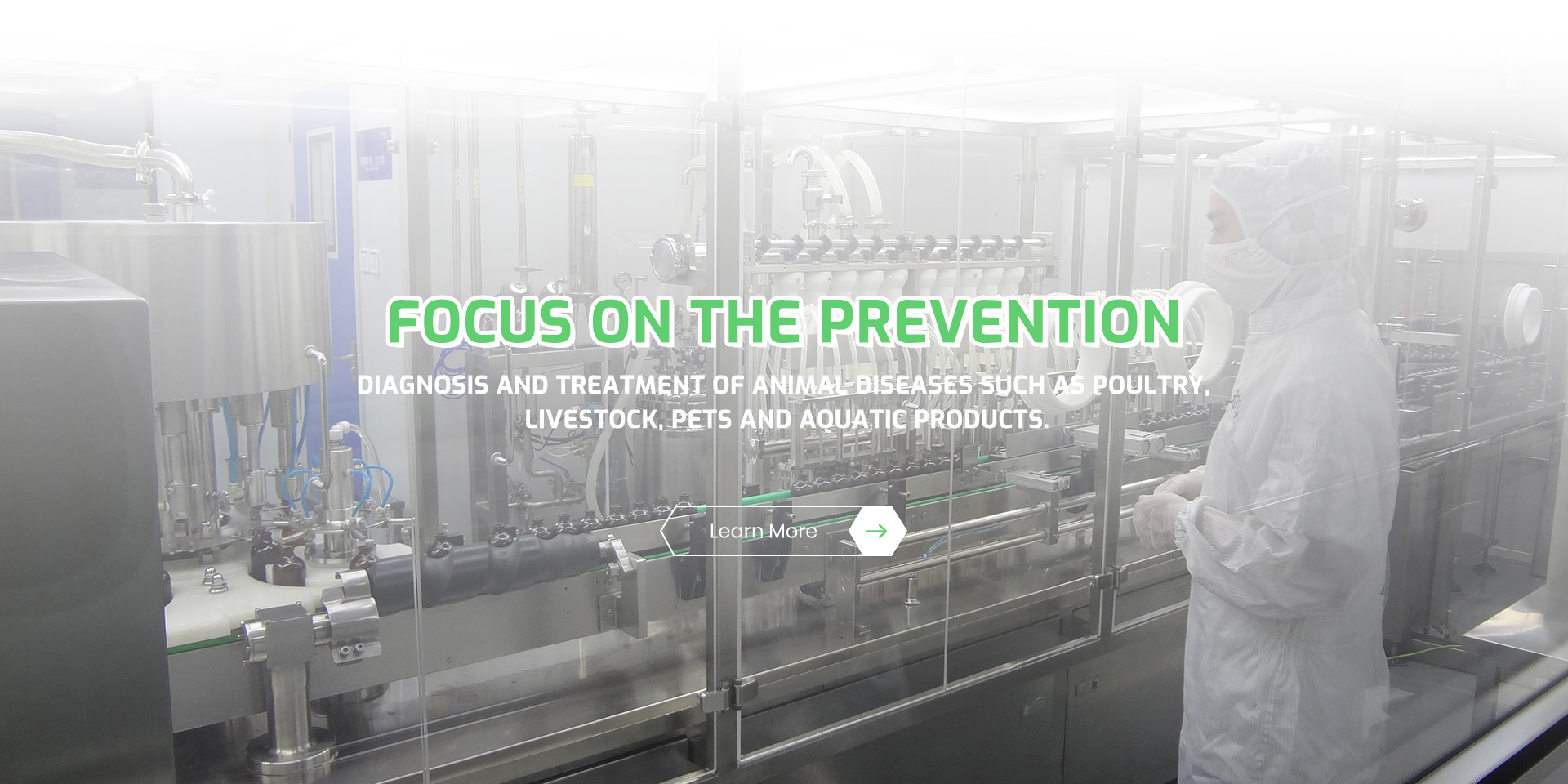
The production of vitamins for dog food involves both synthetic manufacturing and extraction from natural sources. Synthetic vitamins are often produced through complex chemical synthesis routes, requiring strict quality control to ensure purity and eliminate potentially harmful byproducts. Common synthetic vitamins include ascorbic acid (Vitamin C) and tocopherols (Vitamin E). Natural vitamins, sourced from plant or animal tissues, necessitate purification processes like solvent extraction and chromatography. Raw materials undergo rigorous testing for heavy metals, microbial contamination, and vitamin potency using methods like High-Performance Liquid Chromatography (HPLC) and Mass Spectrometry (MS). Microencapsulation is a critical manufacturing step to protect vitamins from degradation during processing (extrusion, pelleting) and storage. This involves coating the vitamin particles with a protective layer, typically a lipid or carbohydrate-based material, using techniques such as spray drying or fluid bed coating. The choice of coating material impacts vitamin release rate and bioavailability. Formulation parameters, such as particle size, coating thickness, and polymer composition, are carefully controlled. Furthermore, the manufacturing process must adhere to Good Manufacturing Practices (GMP) to ensure traceability and prevent cross-contamination. Vitamin pre-mixes are frequently utilized, combining multiple vitamins and trace minerals into a homogenous blend, minimizing segregation during incorporation into the final dog food product. The stability of the vitamin pre-mix is critical, influenced by factors like moisture content, temperature, and exposure to light and oxygen. Antioxidants are often included to mitigate oxidation and preserve vitamin potency.
Performance & Engineering
The efficacy of vitamin supplementation is heavily influenced by bioavailability - the proportion of the administered vitamin that is absorbed and utilized by the dog. Factors affecting bioavailability include the chemical form of the vitamin (e.g., retinol vs. beta-carotene for Vitamin A), the presence of other nutrients (e.g., fat for fat-soluble vitamins), and the digestive health of the animal. The impact of the dog food matrix itself is significant. High-fiber diets, for instance, can reduce the absorption of some vitamins. Environmental factors, particularly temperature and humidity, can compromise vitamin stability during storage, leading to a reduction in potency. Packaging materials play a crucial role in mitigating these effects; airtight, opaque containers are preferred. The force analysis involved in handling and processing vitamin-containing ingredients considers particle flowability and minimization of dust generation, particularly important for powdered vitamin forms. Compliance requirements dictate minimum and maximum levels of vitamin supplementation, guided by organizations like the Association of American Feed Control Officials (AAFCO). Exceeding maximum levels can lead to vitamin toxicity, while insufficient levels can result in deficiencies. Bioengineering approaches, such as enzyme-assisted vitamin release from microcapsules, are emerging to enhance bioavailability and targeted delivery within the gastrointestinal tract. Considerations also include the potential for vitamin-nutrient interactions. For example, high levels of Vitamin E can interfere with Vitamin K metabolism.
Technical Specifications
| Vitamin | Chemical Form | Typical Inclusion Rate (Dry Matter Basis) | Stability (Shelf Life at 25°C, % Retention after 12 months) |
|---|---|---|---|
| Vitamin A | Retinyl Acetate | 500-1500 IU/kg | 85-95% |
| Vitamin D3 | Cholecalciferol | 200-500 IU/kg | 70-80% |
| Vitamin E | Alpha-Tocopherol Acetate | 50-200 IU/kg | 60-75% |
| Vitamin C | Ascorbic Acid | 50-150 mg/kg | 40-60% |
| B Vitamins (Thiamine, Riboflavin, Niacin, B6, B12) | Various Salts/Forms | Variable, based on AAFCO recommendations | 75-90% |
| Folic Acid | Pteroylmonoglutamic Acid | 0.2-0.6 mg/kg | 80-95% |
Failure Mode & Maintenance
Vitamin degradation is the primary failure mode in dog food. Oxidation, induced by exposure to oxygen, light, and heat, is a common cause of Vitamin E and Vitamin C loss. Hydrolysis, the breakdown of vitamins through reaction with water, affects water-soluble vitamins like Vitamin C and B vitamins. Photodegradation, caused by ultraviolet (UV) light, can rapidly degrade riboflavin and other vitamins. Another failure mode is nutrient interaction; for example, high levels of iron can promote Vitamin E oxidation. Physical degradation can occur during processing (extrusion) due to shear stress and high temperatures. Microbial contamination, while less common with proper GMP, can lead to vitamin consumption by microorganisms. Maintenance strategies include implementing antioxidant formulations to inhibit oxidation, utilizing opaque and airtight packaging to minimize light and oxygen exposure, controlling temperature and humidity during storage, and regularly monitoring vitamin potency throughout the shelf life using analytical testing. Proper handling of vitamin pre-mixes and avoiding prolonged exposure to air are also crucial. Regular audits of manufacturing processes and storage conditions are essential to identify and correct potential failure points. Establishing robust quality control procedures including retention samples throughout the production process is also imperative for failure analysis.
Industry FAQ
Q: What is the impact of extrusion temperature on Vitamin C retention in dry dog food?
A: Extrusion temperature significantly impacts Vitamin C retention. Vitamin C is highly heat-labile. Temperatures exceeding 120°C for even brief periods can result in substantial degradation. Microencapsulation with a heat-resistant coating is crucial to protect Vitamin C during extrusion. Optimizing extrusion parameters (barrel temperature, screw speed, residence time) to minimize heat exposure is also critical. Post-extrusion coating with an antioxidant solution can further enhance Vitamin C stability.
Q: How does the source of Vitamin E (natural vs. synthetic) affect its bioavailability in dogs?
A: Natural Vitamin E (d-alpha-tocopherol) is generally considered to be more bioavailable than synthetic Vitamin E (dl-alpha-tocopherol). This is because dogs preferentially absorb and utilize the d-alpha form. Studies have shown that higher doses of synthetic Vitamin E may be required to achieve comparable physiological effects to natural Vitamin E.
Q: What are the regulatory requirements for Vitamin D levels in dog food?
A: Regulatory requirements for Vitamin D vary depending on the country and the life stage of the dog. AAFCO guidelines provide recommendations for minimum and maximum Vitamin D levels in dog food. Excessive Vitamin D can lead to hypercalcemia, causing serious health problems. Compliance with these regulations is essential to ensure product safety and legality.
Q: How can we accurately assess the Vitamin A potency in a finished dog food product?
A: Accurate assessment of Vitamin A potency requires validated analytical methods, typically HPLC with UV detection. Samples must be properly prepared to extract the Vitamin A from the food matrix. Regular proficiency testing and participation in interlaboratory comparisons are essential to ensure the accuracy and reliability of analytical results.
Q: What role do antioxidants play in preserving Vitamin stability during storage?
A: Antioxidants, such as ethoxyquin, BHT, and Vitamin E itself, play a critical role in preserving Vitamin stability during storage by inhibiting oxidation. They scavenge free radicals, preventing chain reactions that lead to vitamin degradation. The choice and concentration of antioxidant depend on the specific vitamins being protected and the storage conditions.
Conclusion
Effective vitamin supplementation in dog food demands a comprehensive understanding of material science, manufacturing processes, and the intricate interplay of chemical and biological factors. Maintaining vitamin potency throughout the product lifecycle—from raw material sourcing to consumption—requires stringent quality control measures, optimized formulation strategies, and adherence to regulatory guidelines. The industry’s persistent challenge lies in maximizing bioavailability while mitigating degradation, ultimately ensuring that canine companions receive the full nutritional benefits of these essential micronutrients.
Future advancements in microencapsulation technologies, novel antioxidant systems, and personalized nutrition approaches hold the potential to further refine vitamin supplementation strategies. Ongoing research into the specific vitamin requirements of different breeds and life stages will drive innovation in dog food formulations, contributing to improved canine health and well-being. Furthermore, expanding analytical capabilities to accurately monitor vitamin levels and identify degradation products will be crucial for ensuring product quality and safety.
Latest news
Copyright © 2026
Dingzhou Kangquan Pharmaceutical Co., Ltd. All Rights Reserved. Sitemap | Privacy
Policy


