
2695018275@qq.com
+86
13780513619
- Afrikaans
- Albanian
- Amharic
- Arabic
- Armenian
- Azerbaijani
- Basque
- Belarusian
- Bengali
- Bosnian
- Bulgarian
- Catalan
- Cebuano
- Corsican
- Croatian
- Czech
- Danish
- Dutch
- English
- Esperanto
- Estonian
- Finnish
- French
- Frisian
- Galician
- Georgian
- German
- Greek
- Gujarati
- Haitian Creole
- hausa
- hawaiian
- Hebrew
- Hindi
- Miao
- Hungarian
- Icelandic
- igbo
- Indonesian
- irish
- Italian
- Japanese
- Javanese
- Kannada
- kazakh
- Khmer
- Rwandese
- Korean
- Kurdish
- Kyrgyz
- Lao
- Latin
- Latvian
- Lithuanian
- Luxembourgish
- Macedonian
- Malgashi
- Malay
- Malayalam
- Maltese
- Maori
- Marathi
- Mongolian
- Myanmar
- Nepali
- Norwegian
- Norwegian
- Occitan
- Pashto
- Persian
- Polish
- Portuguese
- Punjabi
- Romanian
- Russian
- Samoan
- Scottish Gaelic
- Serbian
- Sesotho
- Shona
- Sindhi
- Sinhala
- Slovak
- Slovenian
- Somali
- Spanish
- Sundanese
- Swahili
- Swedish
- Tagalog
- Tajik
- Tamil
- Tatar
- Telugu
- Thai
- Turkish
- Turkmen
- Ukrainian
- Urdu
- Uighur
- Uzbek
- Vietnamese
- Welsh
- Bantu
- Yiddish
- Yoruba
- Zulu
Apr . 01, 2024 17:55 Back to list
dog multivitamin chews Performance Engineering

Introduction
Dog multivitamin chews represent a significant segment within the companion animal nutrition industry, positioned as a preventative healthcare product rather than a therapeutic treatment. These chews are formulated to supplement the dietary intake of essential vitamins, minerals, and often, other bioactive compounds intended to support overall canine health and well-being. Their formulation deviates from standard dry kibble or canned food by delivering nutrients in a palatable, easily consumed form. The industry chain encompasses raw material sourcing (vitamin/mineral premixes, palatability enhancers, binding agents), manufacturing (extrusion, compression, coating), quality control (assay, stability testing), packaging, and distribution through veterinary clinics, pet stores, and online retailers. Core performance metrics center around bioavailability of nutrients, palatability to a broad range of canine breeds and ages, shelf-life stability, and demonstrable impact on key health indicators such as coat condition, energy levels, and immune function. The increasing pet humanization trend drives the demand for sophisticated nutritional supplements, pushing manufacturers to continually refine formulations and delivery systems.
Material Science & Manufacturing
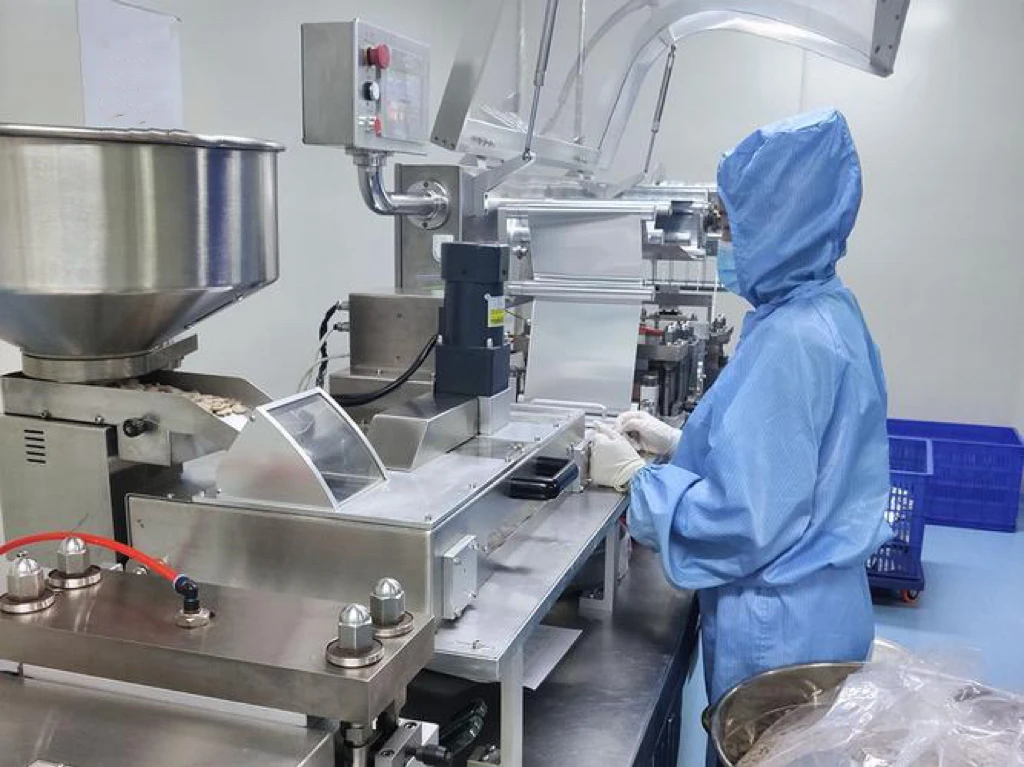
The material science underpinning dog multivitamin chews is complex, focusing on the compatibility of various ingredients and their impact on chew texture, stability, and bioavailability. Key raw materials include Vitamin A (retinol palmitate), Vitamin D3 (cholecalciferol), Vitamin E (alpha-tocopherol acetate), B-complex vitamins (thiamin, riboflavin, niacin, pyridoxine, cyanocobalamin), Vitamin C (ascorbic acid), essential minerals (calcium, phosphorus, magnesium, potassium, zinc, iron, copper, manganese, selenium), and omega-3/omega-6 fatty acids. Palatability enhancers, often derived from animal digest or yeast extracts, significantly influence acceptance. Binding agents like gelatin, glycerin, or starch derivatives provide structural integrity. The manufacturing process typically involves high-shear mixing of dry and liquid ingredients, followed by extrusion or compression molding. Extrusion offers greater control over chew texture and shape, while compression is more cost-effective. Critical parameters during extrusion include barrel temperature (120-180°C), screw speed (80-150 RPM), and die pressure (5-10 MPa). Controlling moisture content (10-15%) post-extrusion is crucial for preventing microbial growth and maintaining chew integrity. Coatings, applied via spraying or panning, may contain additional nutrients, flavorings, or preservatives. Material degradation analysis considers oxidation of unsaturated fatty acids, hydrolysis of vitamins, and microbial contamination, necessitating the inclusion of antioxidants (ethoxyquin, BHA/BHT) and preservatives (potassium sorbate, citric acid).
Performance & Engineering
The performance of dog multivitamin chews hinges on nutrient bioavailability, which is influenced by several factors, including the chemical form of the vitamin/mineral, the chew matrix, and the dog's digestive physiology. Force analysis is critical in assessing chewability – the chew must provide sufficient resistance to simulate a natural chewing behavior, promoting dental health through abrasive action, but not be so hard as to risk tooth fracture. Environmental resistance considerations include moisture absorption (affecting texture and stability) and temperature fluctuations (impacting vitamin degradation). Compliance requirements are dictated by regulatory bodies such as the FDA (in the US) and EFSA (in Europe), which mandate ingredient safety, accurate labeling, and adherence to Good Manufacturing Practices (GMP). Functional implementation necessitates optimizing the chew’s size and shape for ease of consumption by different breeds and age groups. A key engineering challenge lies in encapsulating oil-based nutrients (e.g., omega-3 fatty acids) within the chew matrix to prevent oxidation and maintain their potency. Microencapsulation techniques, employing materials like alginate or modified starch, are commonly employed. The chew's structural integrity must withstand handling, shipping, and storage without crumbling or becoming excessively brittle. Accelerated shelf-life testing, involving elevated temperature and humidity, is used to predict long-term stability and establish expiration dates.
Technical Specifications
| Parameter | Units | Typical Value | Testing Method |
|---|---|---|---|
| Vitamin A (Retinol) | IU/chew | 1,000 - 5,000 | HPLC |
| Vitamin D3 (Cholecalciferol) | IU/chew | 400 - 1,000 | HPLC |
| Vitamin E (Alpha-Tocopherol) | IU/chew | 50 - 200 | HPLC |
| Moisture Content | % w/w | 10 - 15 | Karl Fischer Titration |
| Water Activity (Aw) | - | < 0.6 | Water Activity Meter |
| Palatability Score (Dog Panel) | 1-5 (5=Highest) | 4.0 - 4.8 | Sensory Evaluation |
Failure Mode & Maintenance
Dog multivitamin chews are susceptible to several failure modes. Oxidative degradation of unsaturated fatty acids (omega-3/omega-6) leads to rancidity and loss of nutritional value. This manifests as an off-odor and decreased palatability. Hydrolytic degradation of vitamins (particularly Vitamin C and B vitamins) occurs due to moisture exposure, reducing potency. Physical failures include cracking or crumbling due to excessive drying or impact damage during handling. Microbial contamination, if moisture content is too high or packaging is compromised, can render the product unsafe. Fatigue cracking can occur in chews subjected to repeated bending or compression during shipping. Delamination, the separation of coating layers, can lead to uneven nutrient distribution. Maintenance strategies involve proper storage in a cool, dry place, away from direct sunlight and heat. Packaging should utilize moisture-barrier materials (e.g., foil laminate pouches) and be hermetically sealed. Implementing a robust quality control program, including regular assay of nutrient content and microbial testing, is essential. Rotating stock and adhering to expiration dates minimizes the risk of degradation. Consideration should be given to adding antioxidants to the formulation and optimizing the chew matrix to protect sensitive nutrients.
Industry FAQ
Q: What is the optimal bioavailabilty of Vitamin C in a chewable form compared to a powdered supplement?
A: Bioavailability of Vitamin C in chewable formulations is generally lower than in powdered supplements, primarily due to degradation during the manufacturing process (extrusion heat, prolonged mixing) and potential interactions with other chew components. Encapsulation techniques and the inclusion of antioxidants (e.g., bioflavonoids) can help mitigate this loss. Typical bioavailability ranges from 50-70% in chews, compared to 80-90% in powdered forms, assuming equivalent dosages.
Q: How do you ensure consistent nutrient levels throughout the entire production batch?
A: Consistent nutrient levels are ensured through a rigorous quality control program. This includes pre-mixing analysis of raw material premixes to verify concentrations, in-process monitoring during mixing and extrusion to ensure homogeneity, and post-production assay of finished product samples using validated analytical methods (HPLC, AOAC-approved methods). Statistical process control (SPC) is implemented to identify and correct deviations from target specifications in real-time.
Q: What are the implications of using animal digest as a palatability enhancer, considering potential allergenicity concerns?
A: Animal digest, while highly palatable, poses a potential allergenicity risk for dogs with sensitivities to specific protein sources (e.g., chicken, beef). Manufacturers must clearly label the source of animal digest and conduct allergen testing to minimize the risk. Alternative palatability enhancers, such as yeast extracts or hydrolyzed proteins, are available, though they may be less potent. Hypoallergenic formulations utilize limited-ingredient diets and avoid common allergens.
Q: How does chew texture impact dental health benefits? What texture is optimal?
A: Chew texture significantly impacts dental health benefits. A moderately firm texture promotes abrasive action, helping to remove plaque and tartar buildup. However, the chew must not be excessively hard, which could lead to tooth fracture. An optimal chew texture provides noticeable resistance without being brittle. Engineering parameters like extrusion screw speed and die geometry are adjusted to achieve the desired texture profile, measured using texture analyzers.
Q: What are the key considerations for packaging to maintain product stability and prevent degradation?
A: Packaging is critical for maintaining product stability. Key considerations include moisture barrier properties (using foil laminate or metallized films), oxygen barrier properties (to prevent oxidation), light protection (opaque packaging), and hermetic sealing to prevent ingress of moisture and contaminants. Packaging materials must also be non-reactive with the chew ingredients. Modified atmosphere packaging (MAP), using nitrogen flushing, can further extend shelf-life by displacing oxygen.
Conclusion
Dog multivitamin chews represent a sophisticated formulation and manufacturing challenge, balancing nutritional efficacy, palatability, and stability. Successful development requires a deep understanding of material science, process engineering, and regulatory requirements. The optimization of chew texture is paramount for promoting dental health and ensuring consumer acceptance. Continuous monitoring of nutrient levels and proactive implementation of preservation techniques are essential to maintaining product quality throughout its shelf-life.
The future of dog multivitamin chews will likely focus on personalized nutrition, tailored to the specific needs of individual dogs based on breed, age, activity level, and health status. Advancements in microencapsulation and delivery systems will further enhance nutrient bioavailability and protect sensitive ingredients. Sustainable sourcing of raw materials and environmentally friendly packaging will become increasingly important considerations. Furthermore, a move towards data-driven formulation, using analytical insights to predict optimal nutrient combinations and refine manufacturing processes, will drive innovation in this rapidly evolving market.
Latest news
Copyright © 2026
Dingzhou Kangquan Pharmaceutical Co., Ltd. All Rights Reserved. Sitemap | Privacy
Policy


