
2695018275@qq.com
+86
13780513619
- Afrikaans
- Albanian
- Amharic
- Arabic
- Armenian
- Azerbaijani
- Basque
- Belarusian
- Bengali
- Bosnian
- Bulgarian
- Catalan
- Cebuano
- Corsican
- Croatian
- Czech
- Danish
- Dutch
- English
- Esperanto
- Estonian
- Finnish
- French
- Frisian
- Galician
- Georgian
- German
- Greek
- Gujarati
- Haitian Creole
- hausa
- hawaiian
- Hebrew
- Hindi
- Miao
- Hungarian
- Icelandic
- igbo
- Indonesian
- irish
- Italian
- Japanese
- Javanese
- Kannada
- kazakh
- Khmer
- Rwandese
- Korean
- Kurdish
- Kyrgyz
- Lao
- Latin
- Latvian
- Lithuanian
- Luxembourgish
- Macedonian
- Malgashi
- Malay
- Malayalam
- Maltese
- Maori
- Marathi
- Mongolian
- Myanmar
- Nepali
- Norwegian
- Norwegian
- Occitan
- Pashto
- Persian
- Polish
- Portuguese
- Punjabi
- Romanian
- Russian
- Samoan
- Scottish Gaelic
- Serbian
- Sesotho
- Shona
- Sindhi
- Sinhala
- Slovak
- Slovenian
- Somali
- Spanish
- Sundanese
- Swahili
- Swedish
- Tagalog
- Tajik
- Tamil
- Tatar
- Telugu
- Thai
- Turkish
- Turkmen
- Ukrainian
- Urdu
- Uighur
- Uzbek
- Vietnamese
- Welsh
- Bantu
- Yiddish
- Yoruba
- Zulu
Apr . 01, 2024 17:55 Back to list
dog multivitamin paste Performance Characteristics

Introduction
Dog multivitamin paste is a semi-solid veterinary supplement formulated to provide essential vitamins, minerals, and often other nutritional components to canine diets. Its primary function is to address potential dietary deficiencies or increased nutritional needs due to factors such as age, activity level, pregnancy, lactation, or underlying health conditions. Positioned within the broader pet supplement industry, multivitamin pastes differ from dry formulations (tablets, capsules) through their palatability and ease of administration, particularly valuable for animals resistant to oral medications. Core performance indicators include bio-availability of nutrients, stability during storage, palatability acceptance rates by canines, and absence of adverse reactions. The efficacy of these pastes hinges on the accurate dosage of each constituent and its subsequent absorption within the canine digestive system. This guide provides an in-depth exploration of the material science, manufacturing processes, performance characteristics, potential failure modes, and industry standards surrounding dog multivitamin paste.
Material Science & Manufacturing
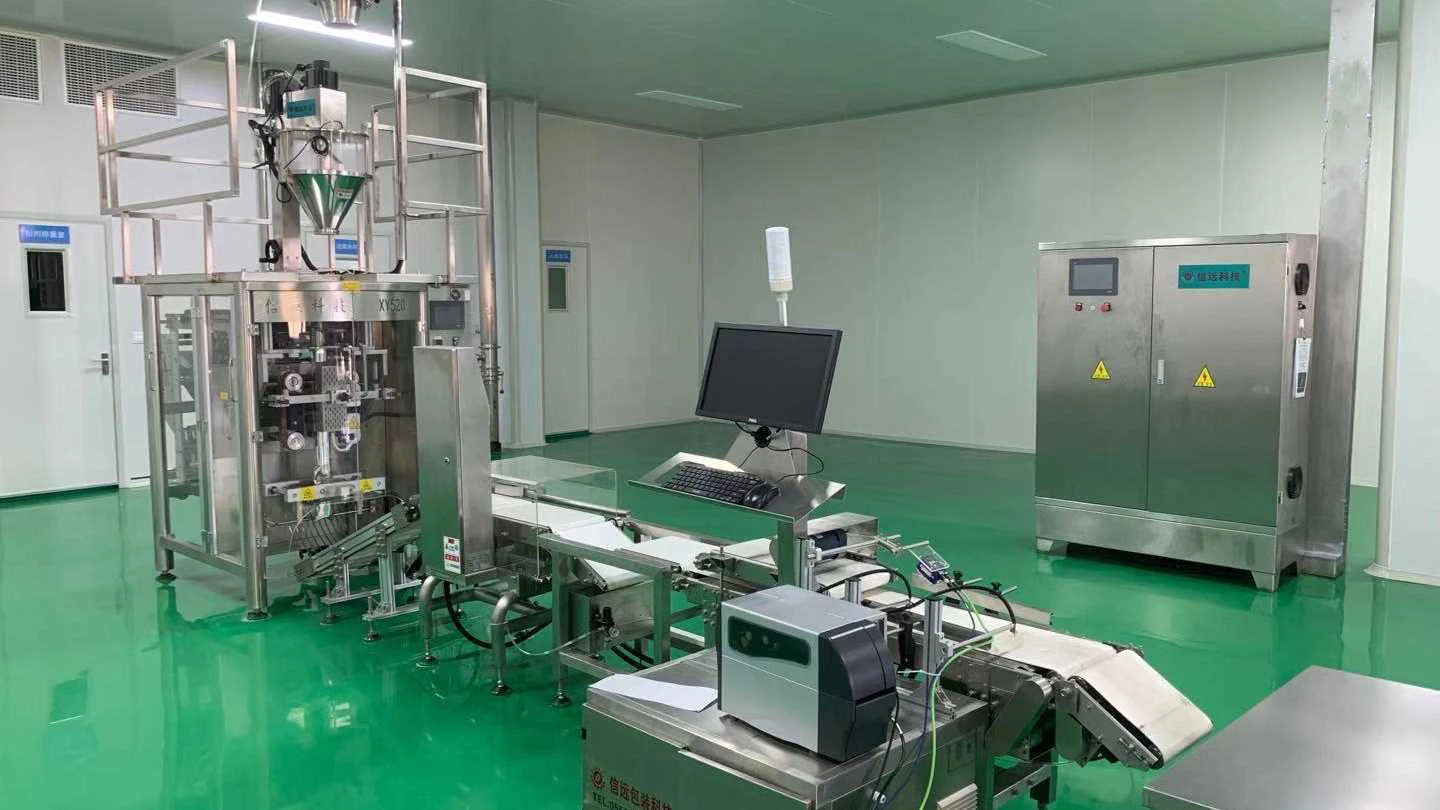
The manufacturing of dog multivitamin paste relies on a complex interplay of material science principles. The primary components include a carrier medium (typically petrolatum, vegetable oil, or a blend thereof), vitamins (A, D, E, B-complex, C), minerals (calcium, phosphorus, zinc, iron), and flavoring agents to enhance palatability. The carrier medium's viscosity and inertness are critical; petrolatum offers stability but can have limited bioavailability, while vegetable oils improve absorption but are prone to oxidation. Vitamins are sourced both synthetically and from natural sources, each with varying degrees of stability and bioavailability. Encapsulation techniques, such as microencapsulation with lipid coatings, are increasingly employed to protect vitamins from degradation during processing and storage. Manufacturing involves several key steps: raw material sourcing and quality control (verification of vitamin potency via HPLC), precise weighing and mixing of components under controlled temperature and humidity, homogenization to ensure uniform distribution of nutrients, viscosity adjustment to achieve desired consistency, and finally, filling into appropriate packaging (typically syringes or tubes). Critical parameters during production include mixing speed (influences emulsion stability), temperature control (prevents vitamin degradation), and sterilization procedures (ensures product safety). Quality control includes assays for vitamin content, heavy metal contamination, microbial load, and texture analysis. The selection of packaging material is crucial, demanding chemical compatibility with the paste ingredients and providing a barrier to oxygen, light, and moisture to maintain product stability.
Performance & Engineering
Performance assessment of dog multivitamin paste centers on bioavailability, stability, and palatability. Bioavailability—the extent to which nutrients are absorbed and utilized by the dog—is influenced by the formulation's matrix, the chemical form of the vitamins and minerals, and the dog’s individual digestive physiology. Lipid-soluble vitamins (A, D, E, K) require dietary fat for absorption, while water-soluble vitamins (B-complex, C) are absorbed more readily. Stability testing involves accelerated aging studies, exposing the paste to elevated temperatures and humidity levels to predict shelf life and degradation rates of key nutrients. Engineering considerations encompass the rheological properties of the paste – its flow behavior and spreadability – impacting ease of dispensing and consumption. Formulations must exhibit sufficient shear-thinning behavior for smooth extrusion from syringes but maintain cohesive integrity to prevent separation during storage. Palatability is a critical performance indicator; acceptance rates are assessed through feeding trials, measuring the percentage of dogs willingly consuming the paste. The inclusion of flavoring agents like liver, cheese, or malt extracts is strategically employed to maximize palatability. Compliance requirements necessitate adherence to veterinary drug regulations (depending on the specific ingredients and claimed benefits), Good Manufacturing Practices (GMP), and labeling standards, clearly specifying ingredient lists, guaranteed analysis, and dosage instructions. Forced degradation studies are employed to determine degradation pathways and potential toxic metabolites.
Technical Specifications
| Parameter | Unit | Specification | Test Method |
|---|---|---|---|
| Vitamin A Potency | IU/g | 10,000 - 15,000 | HPLC |
| Vitamin D3 Potency | IU/g | 1,000 - 2,000 | HPLC |
| Vitamin E Potency | IU/g | 50 - 100 | HPLC |
| B-Complex Vitamins (Total) | mg/g | 5 – 10 | Microbiological Assay |
| Zinc Potency | mg/g | 2 – 5 | Atomic Absorption Spectroscopy |
| Moisture Content | % w/w | < 5 | Karl Fischer Titration |
Failure Mode & Maintenance
Dog multivitamin paste, while generally stable, is susceptible to several failure modes. Oxidation of fat-soluble vitamins (A, D, E) and unsaturated fatty acids within the carrier medium is a common degradation pathway, leading to reduced potency. This is accelerated by exposure to oxygen, light, and elevated temperatures. Separation of the emulsion (phase separation) can occur due to insufficient homogenization or changes in temperature, resulting in uneven nutrient distribution. Microbial contamination is a significant concern, particularly if proper sterilization and packaging procedures are not followed; this can lead to product spoilage and potential health risks. Degradation of flavoring agents can reduce palatability, rendering the paste less appealing to dogs. Physical changes, such as hardening or softening of the paste, can occur due to temperature fluctuations or changes in carrier medium composition. Maintenance involves proper storage conditions: refrigeration (2-8°C) is often recommended to minimize oxidation and microbial growth. Packaging integrity must be maintained – damaged or compromised packaging exposes the paste to environmental factors. Regular quality control testing (vitamin potency, microbial load) is crucial to ensure product stability and efficacy. A robust recall procedure should be in place to address any potential contamination or degradation issues. End-user education on proper dosage and storage is also critical for preventing product misuse and maximizing shelf life.
Industry FAQ
Q: What is the impact of different carrier oils on vitamin absorption?
A: The choice of carrier oil significantly impacts vitamin absorption. Petrolatum, while stable, offers limited bioavailability for lipid-soluble vitamins. Vegetable oils (sunflower, flaxseed, olive oil) enhance absorption due to their inherent fat content, aiding in the solubilization and transport of these vitamins. However, vegetable oils are susceptible to oxidation, requiring the addition of antioxidants (e.g., Vitamin E, BHT) to maintain stability. Medium-chain triglycerides (MCTs) offer a balance of good bioavailability and reasonable stability.
Q: How does microencapsulation improve vitamin stability?
A: Microencapsulation involves coating vitamins with a protective layer (typically a lipid or polymeric material), shielding them from environmental factors like oxygen, light, and moisture. This significantly reduces degradation rates and extends shelf life. It also minimizes interactions between vitamins, preventing antagonistic effects (e.g., Vitamin C degrading Vitamin A). The release of the vitamin is controlled by the properties of the encapsulating material.
Q: What are the critical considerations for palatability testing?
A: Palatability testing requires a standardized protocol involving a sufficient number of dogs representing diverse breeds and ages. The test should employ a blind design, where testers are unaware of the formulation being evaluated. Acceptance rates are quantified by measuring the percentage of dogs that consume a specified amount of the paste within a defined timeframe. Sensory evaluation (flavor, texture, aroma) can provide insights into the factors driving palatability.
Q: What regulatory requirements apply to the manufacturing of dog multivitamin pastes?
A: Regulatory requirements vary by country. In the US, dog multivitamin pastes are generally regulated as dietary supplements by the FDA’s Center for Veterinary Medicine (CVM). Manufacturers must adhere to Good Manufacturing Practices (GMP) to ensure product quality and safety. Labeling requirements include a detailed ingredient list, guaranteed analysis, and dosage instructions. Certain ingredients may be subject to specific regulations or restrictions.
Q: What methods are used to detect vitamin degradation in the paste?
A: High-Performance Liquid Chromatography (HPLC) is the primary method for quantifying vitamin content and detecting degradation products. Spectrophotometry can be used for certain vitamins (e.g., Vitamin C). Accelerated aging studies, coupled with periodic HPLC analysis, are employed to predict shelf life. Gas Chromatography-Mass Spectrometry (GC-MS) can identify oxidation products and assess the extent of lipid degradation.
Conclusion
Dog multivitamin paste represents a sophisticated formulation challenging the precise balance of material science, manufacturing control, and biological efficacy. The success of these products hinges on selecting appropriate carrier systems to maximize nutrient bioavailability, employing robust encapsulation techniques to mitigate degradation, and rigorously controlling production parameters to ensure consistency and safety. Understanding the potential failure modes – oxidation, phase separation, microbial contamination – is crucial for developing effective storage and maintenance protocols.
Future development will likely focus on utilizing novel delivery systems (e.g., liposomes, nanoparticles) to further enhance vitamin absorption and stability. Personalized formulations, tailored to individual canine needs based on genetic predisposition and lifestyle factors, represent a promising avenue for innovation. Continued investment in analytical techniques and quality control measures is essential for maintaining consumer trust and ensuring the efficacy of these vital supplements.
Latest news
Copyright © 2026
Dingzhou Kangquan Pharmaceutical Co., Ltd. All Rights Reserved. Sitemap | Privacy
Policy


