
2695018275@qq.com
+86
13780513619
- Afrikaans
- Albanian
- Amharic
- Arabic
- Armenian
- Azerbaijani
- Basque
- Belarusian
- Bengali
- Bosnian
- Bulgarian
- Catalan
- Cebuano
- Corsican
- Croatian
- Czech
- Danish
- Dutch
- English
- Esperanto
- Estonian
- Finnish
- French
- Frisian
- Galician
- Georgian
- German
- Greek
- Gujarati
- Haitian Creole
- hausa
- hawaiian
- Hebrew
- Hindi
- Miao
- Hungarian
- Icelandic
- igbo
- Indonesian
- irish
- Italian
- Japanese
- Javanese
- Kannada
- kazakh
- Khmer
- Rwandese
- Korean
- Kurdish
- Kyrgyz
- Lao
- Latin
- Latvian
- Lithuanian
- Luxembourgish
- Macedonian
- Malgashi
- Malay
- Malayalam
- Maltese
- Maori
- Marathi
- Mongolian
- Myanmar
- Nepali
- Norwegian
- Norwegian
- Occitan
- Pashto
- Persian
- Polish
- Portuguese
- Punjabi
- Romanian
- Russian
- Samoan
- Scottish Gaelic
- Serbian
- Sesotho
- Shona
- Sindhi
- Sinhala
- Slovak
- Slovenian
- Somali
- Spanish
- Sundanese
- Swahili
- Swedish
- Tagalog
- Tajik
- Tamil
- Tatar
- Telugu
- Thai
- Turkish
- Turkmen
- Ukrainian
- Urdu
- Uighur
- Uzbek
- Vietnamese
- Welsh
- Bantu
- Yiddish
- Yoruba
- Zulu
Apr . 01, 2024 17:55 Back to list
dog puppy multivitamin Performance Analysis
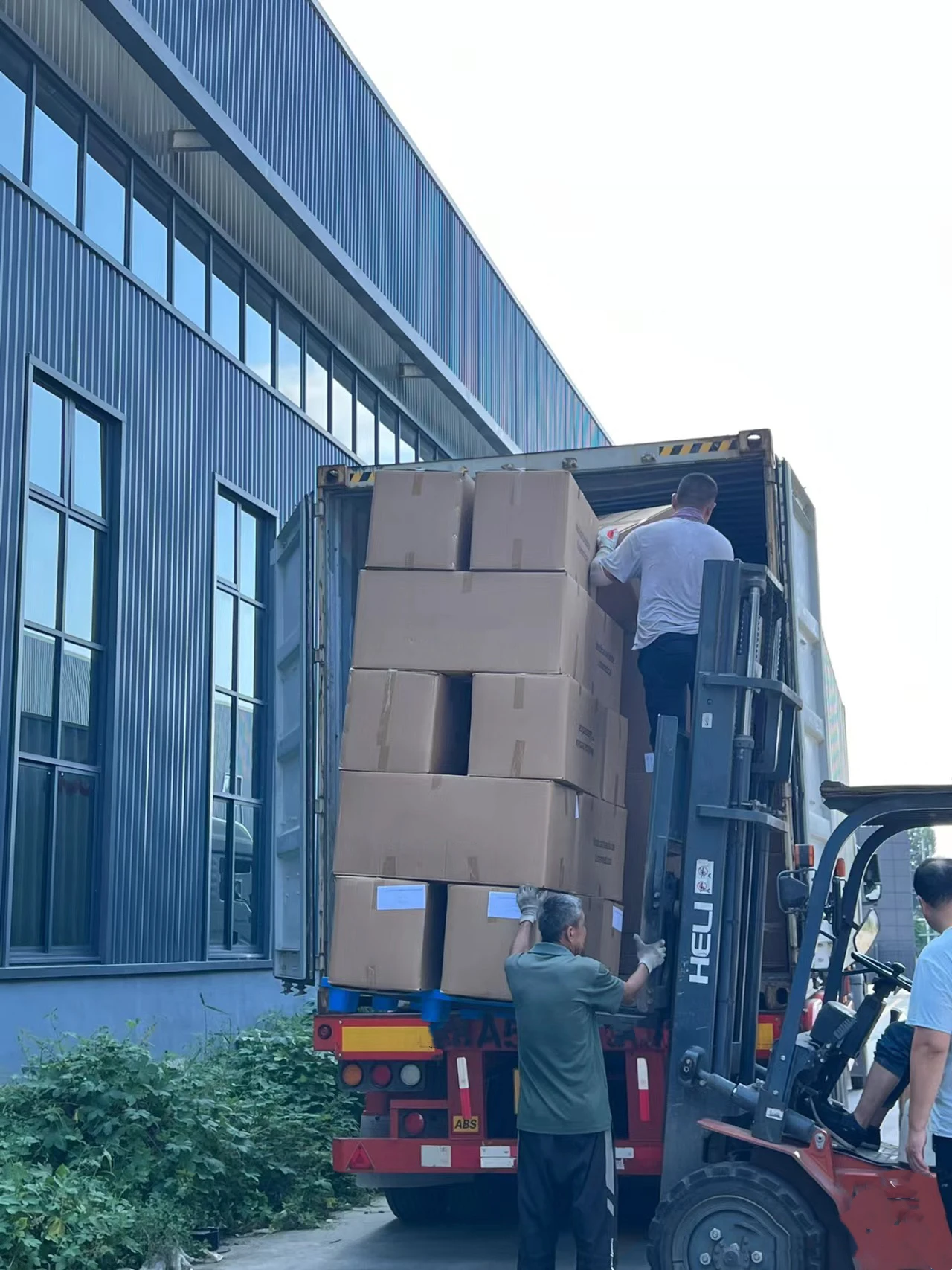
Introduction
Dog puppy multivitamins represent a crucial category within canine nutritional supplementation, positioned as preventative healthcare rather than purely reactive treatment. These formulations are designed to bridge potential dietary gaps in growing puppies, ensuring optimal development of skeletal structure, immune function, and cognitive abilities. Unlike adult canine supplements which often focus on joint health or specific condition management, puppy multivitamins center around providing a balanced array of micronutrients – vitamins and minerals – essential for rapid growth phases. The industry chain begins with sourcing raw ingredients (vitamins, minerals, amino acids, etc.), progresses through formulation and manufacturing (typically blending, encapsulation, or tableting), quality control testing, packaging, and finally, distribution to veterinary clinics, pet stores, and direct-to-consumer channels. Core performance indicators revolve around bioavailability of nutrients, palatability for consistent consumption, and adherence to stringent safety standards to prevent toxicity. A key industry pain point is achieving consistent bioavailability, as nutrient forms and combinations significantly impact absorption rates in the canine digestive system. Furthermore, accurately determining appropriate dosages for varying puppy breeds and sizes remains a significant challenge.
Material Science & Manufacturing
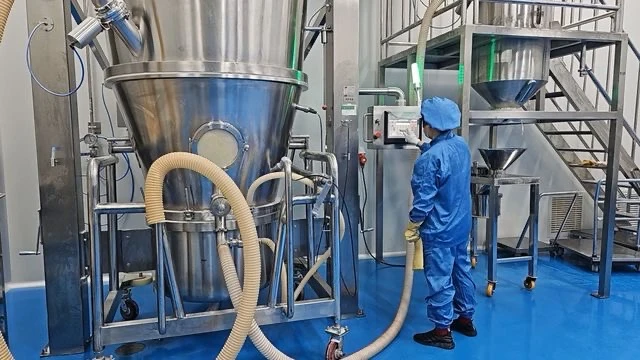
The core materials in dog puppy multivitamin formulations are typically derived from both synthetic and natural sources. Vitamin components (A, D, E, B-complex, C) are frequently synthesized through chemical processes ensuring purity and consistent potency. Mineral sources, such as calcium carbonate, dicalcium phosphate, ferric oxide, and zinc sulfate, can be obtained through mining and refining processes. Amino acids, while sometimes synthesized, are increasingly derived from fermentation processes. The manufacturing process varies depending on the final product form. Powders are created through precise blending of micronized ingredients, employing techniques like ribbon blending or V-blending to ensure homogeneity. Tablets are produced via direct compression or wet granulation methods, requiring precise control of particle size distribution, flowability, and compressibility. Soft chews utilize extrusion technology, combining ingredients with binding agents (like gelatin or glycerin) and flavoring to create a palatable dosage form. Encapsulation involves filling hard gelatin or vegetarian cellulose capsules with powdered blends. Critical parameters during manufacturing include temperature control (to prevent nutrient degradation), humidity control (to maintain powder flowability), and rigorous quality control testing at each stage. Chemical compatibility between ingredients is paramount; for example, Vitamin C can degrade in the presence of certain metal ions. Raw material purity is verified through techniques like High-Performance Liquid Chromatography (HPLC) and Inductively Coupled Plasma Mass Spectrometry (ICP-MS).
Performance & Engineering
The primary engineering challenge in puppy multivitamin formulation revolves around maximizing bioavailability. Nutrient absorption in canines is influenced by several factors, including the gut microbiome, pH levels, and the chemical form of the nutrient. Fat-soluble vitamins (A, D, E, K) require the presence of dietary fats for optimal absorption, necessitating the inclusion of lipid sources in formulations. The bio-utilization of minerals is often enhanced through chelation – binding the mineral to an organic molecule (like amino acids) to improve solubility and intestinal absorption. Environmental resistance is also crucial, particularly protection against oxidation. Vitamin C and Vitamin E are susceptible to degradation from exposure to oxygen and light, requiring the incorporation of antioxidants (like Vitamin E itself, or rosemary extract) and the use of opaque packaging materials. Dosage accuracy is paramount. Formulations must be engineered to ensure consistent delivery of the intended nutrient levels, considering the variability in puppy weight and dietary intake. Force analysis relates to tablet hardness and friability – ensuring tablets withstand handling and transportation without crumbling. Compliance requirements are dictated by veterinary regulatory bodies (e.g., FDA-CVM in the United States), demanding adherence to Good Manufacturing Practices (GMP) and stringent quality control protocols. The impact of ingredients on fecal pH and potential for digestive upset also requires careful consideration during formulation.
Technical Specifications
| Vitamin A (IU/kg) | Vitamin D3 (IU/kg) | Vitamin E (IU/kg) | Vitamin C (mg/kg) |
|---|---|---|---|
| 10,000 | 1,000 | 150 | 100 |
| 8,000 | 800 | 120 | 80 |
| 12,000 | 1,200 | 180 | 120 |
| 7,000 | 700 | 100 | 70 |
| 11,000 | 1,100 | 160 | 110 |
| 9,000 | 900 | 130 | 90 |
Failure Mode & Maintenance
Common failure modes for dog puppy multivitamins include nutrient degradation, loss of potency over time, and physical breakdown of the dosage form. Oxidation is a significant concern, leading to the degradation of fat-soluble vitamins and potentially generating harmful byproducts. Moisture absorption can cause tablets to become soft and friable, reducing dosage accuracy. Incorrect storage conditions (exposure to heat, light, and humidity) accelerate these degradation processes. Biofilm formation within the manufacturing equipment can also lead to contamination and reduced product quality. For powdered formulations, caking or clumping can occur due to moisture absorption or electrostatic attraction. Failure analysis typically involves HPLC testing to quantify nutrient levels, moisture content analysis, and physical integrity testing (e.g., tablet hardness, disintegration time). Preventative maintenance strategies include using airtight packaging materials with oxygen absorbers, controlling temperature and humidity during manufacturing and storage, implementing rigorous cleaning and sanitation protocols for equipment, and conducting regular quality control testing. Consumers should be advised to store multivitamins in a cool, dry place, away from direct sunlight, and to follow the recommended dosage guidelines. Visual inspection for signs of degradation (discoloration, odor change, crumbling) should be performed before administration.
Industry FAQ
Q: What differentiates a premium puppy multivitamin from a standard formulation?
A: A premium formulation typically utilizes more bioavailable forms of nutrients – for example, chelated minerals, microencapsulated vitamins, and lipid-soluble vitamin complexes. They often incorporate added ingredients like prebiotics and probiotics to support gut health and enhance nutrient absorption, and undergo more extensive third-party testing for purity and potency.
Q: How do I determine the appropriate dosage for my puppy, given variations in breed and size?
A: Dosage recommendations are generally provided on the product label, categorized by puppy weight. However, large-breed puppies may have different nutritional requirements. Consulting with a veterinarian is crucial, as they can assess your puppy’s individual needs and adjust the dosage accordingly, considering growth rate and dietary intake.
Q: What is the role of antioxidants in a puppy multivitamin?
A: Antioxidants, such as Vitamin E and Vitamin C, protect fat-soluble vitamins and other nutrients from oxidative damage, preserving their potency and preventing the formation of harmful free radicals within the puppy’s body. This is particularly important for rapidly growing puppies with high metabolic rates.
Q: Are there any potential risks associated with over-supplementation with vitamins and minerals?
A: Yes. Over-supplementation, particularly with fat-soluble vitamins (A, D, E, K), can lead to toxicity, causing symptoms ranging from digestive upset to more serious health problems like hypervitaminosis. Adhering to recommended dosage guidelines is essential, and veterinary consultation is recommended before initiating supplementation.
Q: How long should a puppy be supplemented with a multivitamin?
A: Typically, puppy multivitamin supplementation is recommended during the growth phase (up to approximately 12-18 months of age, depending on the breed). Once the puppy transitions to a complete and balanced adult dog food, multivitamin supplementation may no longer be necessary, unless specifically advised by a veterinarian.
Conclusion
Dog puppy multivitamins represent a sophisticated intersection of nutritional science, materials engineering, and manufacturing precision. Their efficacy hinges on the bioavailability of incorporated nutrients, dictated by material sourcing, formulation techniques, and protection against environmental degradation. Ensuring adherence to stringent quality control standards and veterinary guidance is paramount to mitigate risks associated with over-supplementation and guarantee optimal developmental support for growing canines.
Future development in this sector will likely focus on personalized nutrition, leveraging genomic data and individual puppy assessments to tailor multivitamin formulations for specific breed predispositions and metabolic needs. The exploration of novel delivery systems – such as nanoencapsulation – to enhance nutrient absorption and targeted delivery will also be a key area of innovation. Continued research into the interplay between the gut microbiome and nutrient utilization will further refine our understanding of optimal puppy nutrition.
Latest news
Copyright © 2026
Dingzhou Kangquan Pharmaceutical Co., Ltd. All Rights Reserved. Sitemap | Privacy
Policy


