
2695018275@qq.com
+86
13780513619
- Afrikaans
- Albanian
- Amharic
- Arabic
- Armenian
- Azerbaijani
- Basque
- Belarusian
- Bengali
- Bosnian
- Bulgarian
- Catalan
- Cebuano
- Corsican
- Croatian
- Czech
- Danish
- Dutch
- English
- Esperanto
- Estonian
- Finnish
- French
- Frisian
- Galician
- Georgian
- German
- Greek
- Gujarati
- Haitian Creole
- hausa
- hawaiian
- Hebrew
- Hindi
- Miao
- Hungarian
- Icelandic
- igbo
- Indonesian
- irish
- Italian
- Japanese
- Javanese
- Kannada
- kazakh
- Khmer
- Rwandese
- Korean
- Kurdish
- Kyrgyz
- Lao
- Latin
- Latvian
- Lithuanian
- Luxembourgish
- Macedonian
- Malgashi
- Malay
- Malayalam
- Maltese
- Maori
- Marathi
- Mongolian
- Myanmar
- Nepali
- Norwegian
- Norwegian
- Occitan
- Pashto
- Persian
- Polish
- Portuguese
- Punjabi
- Romanian
- Russian
- Samoan
- Scottish Gaelic
- Serbian
- Sesotho
- Shona
- Sindhi
- Sinhala
- Slovak
- Slovenian
- Somali
- Spanish
- Sundanese
- Swahili
- Swedish
- Tagalog
- Tajik
- Tamil
- Tatar
- Telugu
- Thai
- Turkish
- Turkmen
- Ukrainian
- Urdu
- Uighur
- Uzbek
- Vietnamese
- Welsh
- Bantu
- Yiddish
- Yoruba
- Zulu
Apr . 01, 2024 17:55 Back to list
dog puppy vitamins Formulation Analysis
Introduction
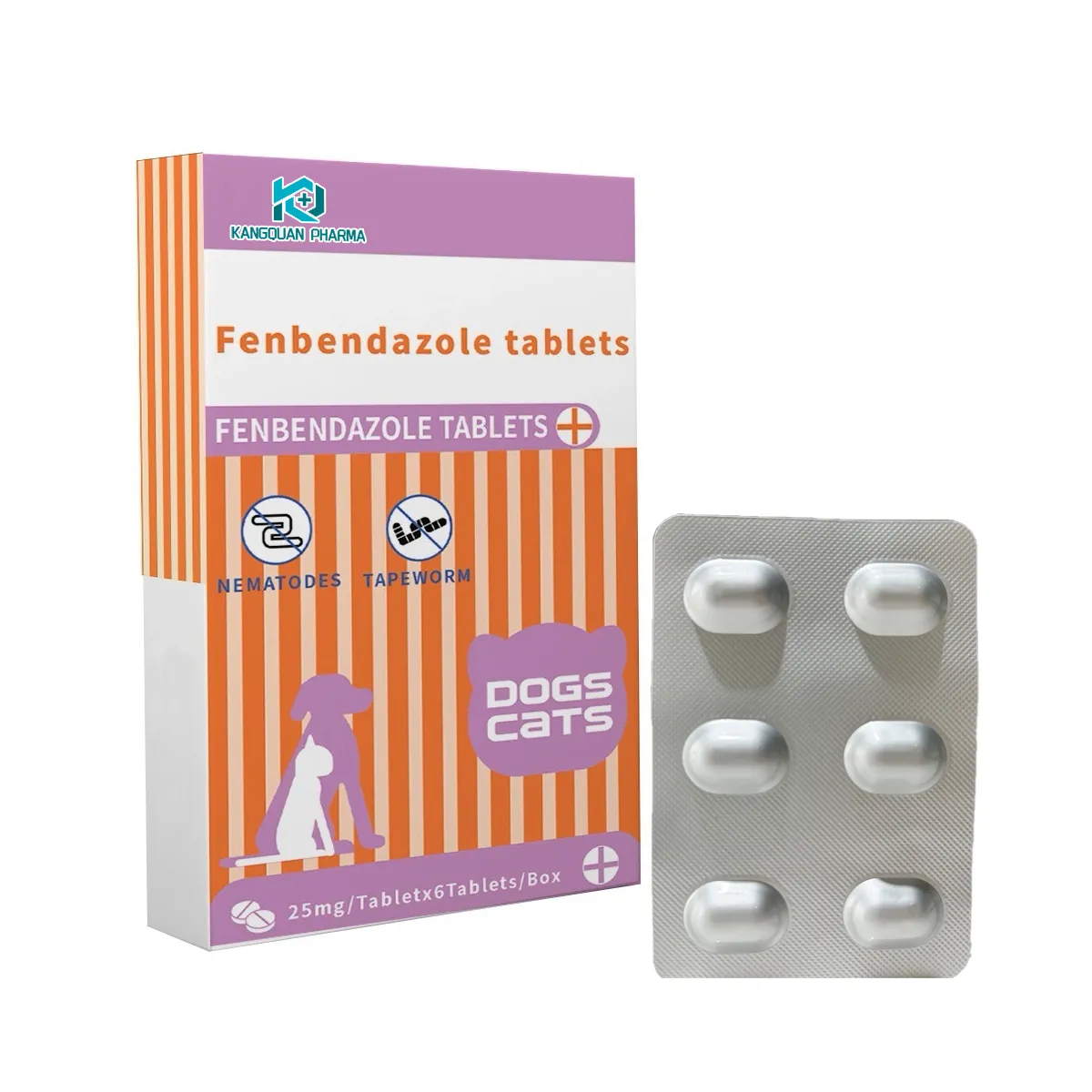
Dog puppy vitamins are specialized nutritional supplements formulated to address the heightened developmental needs of canine puppies. Unlike adult dog vitamins, puppy formulations prioritize nutrients crucial for rapid growth, bone development, and immune system maturation. These products typically exist in chewable tablet, soft chew, powder, or liquid formats, and are positioned within the pet health and nutrition industry as preventative healthcare tools. The core performance characteristics center around delivering bioavailable quantities of essential vitamins (A, D, E, B-complex), minerals (calcium, phosphorus, zinc), and sometimes, supplemental fatty acids (DHA, EPA) to support optimal physiological function during the critical growth phases. A primary industry pain point revolves around ensuring consistent nutrient bioavailability and palatability, alongside mitigating potential toxicity risks from over-supplementation, specifically Vitamin D and Calcium. Furthermore, accurate dosage guidance based on puppy breed, weight, and growth stage is a consistent challenge for pet owners and a key differentiator for reputable manufacturers.
Material Science & Manufacturing
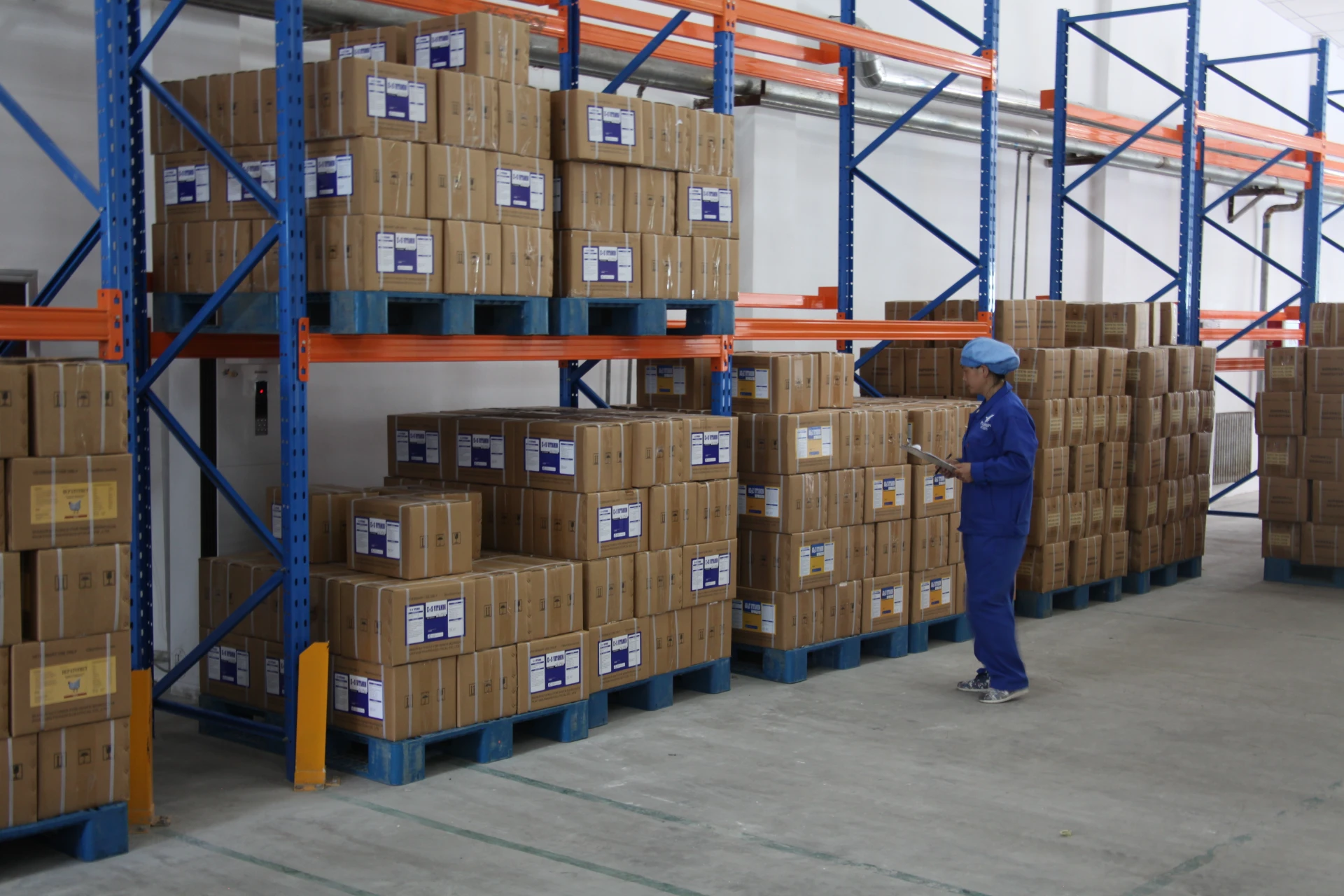
The production of dog puppy vitamins relies on a complex interplay of material science and manufacturing processes. The active pharmaceutical ingredients (APIs) – vitamins and minerals – are sourced from chemical synthesis or natural extraction. Vitamin A, for instance, can be synthesized from beta-carotene precursors or derived from fish liver oils. Minerals like calcium phosphate are often mined and purified. Excipients, vital for tablet/chew formation and palatability, include binders (microcrystalline cellulose, polyvinylpyrrolidone), fillers (lactose, dicalcium phosphate), lubricants (magnesium stearate), and flavoring agents (beef liver powder, poultry digest). Manufacturing processes vary based on product form. Tablets involve granulation, compression, and coating. Soft chews utilize extrusion and molding techniques, incorporating gelatin, glycerin, and humectants for texture. Liquid formulations necessitate precise mixing and sterilization. A critical parameter in all processes is ensuring uniform distribution of APIs – a lack of homogeneity can lead to inconsistent dosages. Material compatibility is also key: APIs must be stable in the presence of excipients, preventing degradation and maintaining potency. Packaging materials (typically HDPE bottles or blister packs) must provide a moisture barrier to protect sensitive vitamins from oxidation and hydrolysis. Quality control measures, including high-performance liquid chromatography (HPLC) and atomic absorption spectroscopy (AAS), are used throughout to verify API concentrations and purity.
Performance & Engineering
The performance of dog puppy vitamins hinges on bioavailability – the proportion of the administered nutrient that reaches systemic circulation. Bioavailability is influenced by the chemical form of the vitamin, particle size, and the presence of absorption enhancers. Fat-soluble vitamins (A, D, E, K) require dietary fat for optimal absorption, necessitating formulations that include lipid carriers. Engineering considerations extend to dosage accuracy and delivery format. Chewable tablets must exhibit sufficient hardness to withstand handling but readily disintegrate in the puppy’s mouth. Liquid formulations require precise dispensing mechanisms to ensure accurate dosing. Environmental resistance, particularly against moisture and temperature fluctuations, is critical for maintaining product stability and potency. The packaging must protect the vitamins from degradation during storage and transport. Compliance with industry regulations, such as those set forth by the Food and Drug Administration (FDA) Center for Veterinary Medicine (CVM), is paramount. These regulations dictate acceptable ingredient levels, manufacturing practices (Good Manufacturing Practices - GMP), and labeling requirements. Furthermore, formulation engineers must address potential palatability issues, as a vitamin that a puppy refuses to consume offers no benefit. Taste-masking agents and appealing flavors are employed to enhance acceptance.
Technical Specifications
| Vitamin A (IU/kg) | Vitamin D3 (IU/kg) | Vitamin E (IU/kg) | Calcium (mg/kg) |
|---|---|---|---|
| 10,000 - 20,000 | 800 - 1,200 | 150 - 300 | 100 - 200 |
| Minimum Purity (%) | Minimum Purity (%) | Minimum Purity (%) | Bioavailability (%) |
| 98 | 98 | 98 | 85-95 |
| Moisture Content (%) | Tablet Hardness (N) | Chew Texture (Shore A) | Shelf Life (months) |
| < 5 | 20-50 | 40-70 | 12-24 |
| DHA/EPA Ratio | Particle Size (µm) | Packaging Material | Heavy Metal Limits (ppm) |
| 1:1 - 2:1 | < 100 | HDPE/Blister Pack | < 5 (Lead, Arsenic, Mercury) |
Failure Mode & Maintenance
Dog puppy vitamins, while beneficial, are susceptible to several failure modes. Degradation of vitamins due to exposure to light, oxygen, and moisture is a primary concern, leading to reduced potency. This manifests as decreased efficacy, potentially resulting in deficiency symptoms. Tablet/chew fracturing during shipping or handling can lead to dosage inaccuracies. Soft chews can become rancid due to lipid oxidation, rendering them unpalatable and potentially harmful. Over-supplementation, especially with fat-soluble vitamins (A, D), can lead to toxicity, causing symptoms like bone abnormalities, liver damage, or neurological dysfunction. Contamination with heavy metals or microbial pathogens during manufacturing poses a serious health risk. Maintenance strategies involve proper storage in a cool, dry, and dark location. Sealed containers are essential to prevent moisture ingress. Regularly checking the expiration date and discarding expired products is crucial. Monitoring puppies for signs of vitamin deficiency or toxicity – such as lethargy, loss of appetite, or skeletal abnormalities – is important, and veterinary consultation is warranted if such signs are observed. Manufacturers should implement robust quality control procedures, including regular testing for potency, purity, and contaminants.
Industry FAQ
Q: What is the optimal Vitamin D dosage for a rapidly growing Great Dane puppy, considering their increased bone development needs?
A: Determining the optimal Vitamin D dosage for a large-breed puppy like a Great Dane requires careful consideration. Due to their rapid growth rate and predisposition to skeletal issues like hip dysplasia, they often have higher Vitamin D requirements. However, Vitamin D is easily toxic in excess. Generally, recommendations range from 800-1200 IU/kg body weight, but this should be adjusted based on individual puppy health, dietary calcium and phosphorus levels, and veterinary guidance. Regular monitoring of serum calcium and phosphorus levels is advisable to prevent hypercalcemia.
Q: How do you ensure the bioavailability of fat-soluble vitamins (A, D, E) in a dry kibble-based vitamin supplement?
A: Bioavailability of fat-soluble vitamins in dry formulations is a significant challenge. Encapsulation of the vitamins in lipid carriers (e.g., microencapsulation with vegetable oils) can improve their solubility and absorption. Including a source of dietary fat within the supplement itself, or advising owners to administer the supplement with a meal containing fat, is essential. Furthermore, emulsifiers can aid in the dispersion of the vitamins within the digestive tract, enhancing absorption.
Q: What quality control measures are in place to prevent heavy metal contamination in vitamin ingredients?
A: Preventing heavy metal contamination necessitates a multi-faceted approach. We utilize only suppliers with ISO 9001 and FSSC 22000 certifications, demonstrating their commitment to quality and safety. Raw material sourcing is carefully vetted, focusing on regions with lower environmental pollution risks. Incoming ingredients are subjected to rigorous testing using Inductively Coupled Plasma Mass Spectrometry (ICP-MS) to determine concentrations of lead, arsenic, mercury, and cadmium. Finished product testing is also performed to ensure compliance with established limits (typically <5 ppm for each heavy metal).
Q: My puppy dislikes the taste of the chewable vitamin. What options are available to improve palatability?
A: Palatability is a key concern. We offer several options. First, ensure the product is stored properly – heat and humidity can affect flavor. Second, consider offering a smaller portion initially, mixed with a small amount of their favorite wet food or a smear of peanut butter (ensure xylitol-free). We also utilize palatability enhancers like yeast extract and poultry digest in some formulations. If these measures fail, a liquid vitamin formulation may be more easily accepted.
Q: What is the role of antioxidants (e.g., Vitamin E, Vitamin C) in maintaining vitamin stability within the supplement?
A: Antioxidants play a crucial role in preventing oxidative degradation of vitamins, particularly fat-soluble vitamins and unsaturated fatty acids. Vitamins E and C act as sacrificial antioxidants, preferentially reacting with free radicals and protecting the more sensitive vitamins from oxidation. Packaging with an oxygen barrier further minimizes oxidative damage. The inclusion of appropriate antioxidant levels is critical for maintaining potency and extending the shelf life of the supplement.
Conclusion
Dog puppy vitamins represent a critical component of preventative healthcare during a period of rapid growth and development. Effective formulations prioritize bioavailability, palatability, and adherence to stringent quality control standards. The complexities of ingredient sourcing, manufacturing processes, and potential failure modes necessitate a deep understanding of material science and nutritional physiology.
Moving forward, advancements in encapsulation technologies and personalized nutrition will likely drive innovation in this sector. Tailoring vitamin formulations to specific breeds, growth stages, and individual puppy needs, coupled with enhanced monitoring of nutritional status, will enable more targeted and effective supplementation strategies. Continued research into the long-term health benefits of early-life vitamin supplementation will solidify their role in promoting optimal canine health and well-being.
Latest news
Copyright © 2026
Dingzhou Kangquan Pharmaceutical Co., Ltd. All Rights Reserved. Sitemap | Privacy
Policy


