
2695018275@qq.com
+86
13780513619
- Afrikaans
- Albanian
- Amharic
- Arabic
- Armenian
- Azerbaijani
- Basque
- Belarusian
- Bengali
- Bosnian
- Bulgarian
- Catalan
- Cebuano
- Corsican
- Croatian
- Czech
- Danish
- Dutch
- English
- Esperanto
- Estonian
- Finnish
- French
- Frisian
- Galician
- Georgian
- German
- Greek
- Gujarati
- Haitian Creole
- hausa
- hawaiian
- Hebrew
- Hindi
- Miao
- Hungarian
- Icelandic
- igbo
- Indonesian
- irish
- Italian
- Japanese
- Javanese
- Kannada
- kazakh
- Khmer
- Rwandese
- Korean
- Kurdish
- Kyrgyz
- Lao
- Latin
- Latvian
- Lithuanian
- Luxembourgish
- Macedonian
- Malgashi
- Malay
- Malayalam
- Maltese
- Maori
- Marathi
- Mongolian
- Myanmar
- Nepali
- Norwegian
- Norwegian
- Occitan
- Pashto
- Persian
- Polish
- Portuguese
- Punjabi
- Romanian
- Russian
- Samoan
- Scottish Gaelic
- Serbian
- Sesotho
- Shona
- Sindhi
- Sinhala
- Slovak
- Slovenian
- Somali
- Spanish
- Sundanese
- Swahili
- Swedish
- Tagalog
- Tajik
- Tamil
- Tatar
- Telugu
- Thai
- Turkish
- Turkmen
- Ukrainian
- Urdu
- Uighur
- Uzbek
- Vietnamese
- Welsh
- Bantu
- Yiddish
- Yoruba
- Zulu
Apr . 01, 2024 17:55 Back to list
dog vitamin supplement for homemade food Bioavailability Analysis
Introduction
Dog vitamin supplementation for homemade diets represents a critical aspect of canine nutritional management. The increasing prevalence of home-prepared dog food, driven by owner concerns regarding commercial pet food ingredients and a desire for greater control over their animal's diet, necessitates a thorough understanding of nutrient requirements and appropriate supplementation strategies. Homemade diets, while offering potential benefits, are inherently prone to nutrient imbalances if not carefully formulated. Unlike commercially formulated foods which are legally required to meet Association of American Feed Control Officials (AAFCO) standards, homemade diets lack this inherent safeguard. This guide provides a detailed technical overview of dog vitamin supplementation, encompassing raw material science, manufacturing considerations, performance metrics, potential failure modes, and relevant industry standards, targeting procurement managers, veterinary nutritionists, and pet food formulators. The core performance metric of any such supplement is bioavailability – the proportion of the administered nutrient that is absorbed and utilized by the dog’s body. Addressing deficiencies proactively, while avoiding hypervitaminosis, is the primary objective.
Material Science & Manufacturing
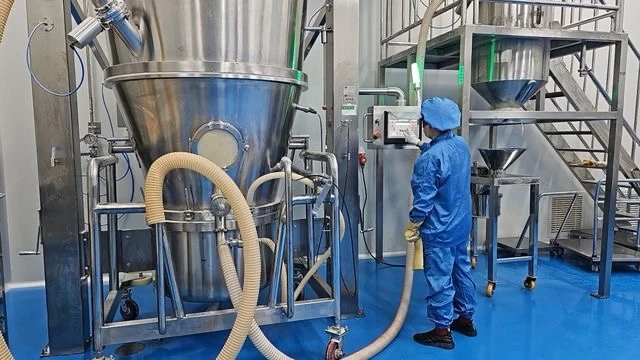
Vitamin supplements for canine homemade diets typically comprise a blend of water-soluble (B vitamins, Vitamin C) and fat-soluble (Vitamins A, D, E, K) vitamins, often alongside trace minerals. Raw materials are sourced from chemical synthesis (e.g., ascorbic acid) or natural extraction (e.g., Vitamin E from vegetable oils). The purity and stability of these raw materials are paramount. Vitamin A, for example, is often sourced as retinyl acetate or retinyl palmitate, requiring stringent quality control to prevent degradation. Vitamin D is available as cholecalciferol (D3, derived from animal sources) or ergocalciferol (D2, derived from plant sources); D3 is generally more bioavailable in canines. Manufacturing processes commonly involve micronization (reducing particle size for improved bioavailability), granulation (enhancing flowability and compressibility for tablet/capsule formation), and coating (protecting vitamins from oxidation and moisture). Encapsulation is a crucial step, utilizing materials like hydroxypropyl methylcellulose (HPMC) or gelatin to shield vitamins from degradation during storage and digestion. Key parameter control during manufacturing includes temperature (to prevent heat-sensitive vitamin degradation), humidity (to avoid moisture absorption), and blend uniformity (ensuring consistent vitamin dosage). Antioxidants like Vitamin E and rosemary extract are often incorporated into the formulation to stabilize fat-soluble vitamins and prevent rancidity. The choice of excipients (inactive ingredients) is also critical, ensuring compatibility with the active vitamin ingredients and avoiding allergenic or toxic substances. Carrier materials are frequently used to increase the volume of low-dose vitamins, aiding in accurate dispensing and uniformity.
Performance & Engineering
The performance of a dog vitamin supplement is fundamentally linked to its bioavailability and stability. Bioavailability is affected by several factors, including the chemical form of the vitamin, the presence of other dietary components, and the dog’s individual digestive physiology. For instance, fat-soluble vitamins require dietary fat for optimal absorption. Furthermore, interactions between vitamins and minerals can influence absorption; for example, high levels of calcium can interfere with iron absorption. Environmental resistance is a crucial engineering consideration. Vitamins are susceptible to degradation by light, heat, oxygen, and moisture. Packaging materials must provide adequate barrier protection against these elements. Blister packs or airtight containers with desiccant pouches are commonly employed to extend shelf life. Compliance requirements are dictated by regulatory agencies like the FDA (Food and Drug Administration) and AAFCO. Manufacturers must demonstrate product safety, efficacy, and accurate labeling. Pharmacokinetic studies are often conducted to assess vitamin absorption, distribution, metabolism, and excretion in dogs. Functional implementation involves ensuring the supplement can be easily administered – whether in tablet, capsule, powder, or liquid form – and is palatable to the dog. Formulation engineering plays a role in masking unpleasant tastes and odors, utilizing coating technologies or flavor enhancers. The supplement’s intended dosage must be precisely determined based on the dog’s weight, age, activity level, and the specific nutrient composition of the homemade diet. Force analysis is less directly applicable, though tablet hardness and capsule shell integrity are important quality control parameters.
Technical Specifications
| Vitamin | Typical Dosage (per 10kg body weight) | Unit | Bioavailability Range (%) |
|---|---|---|---|
| Vitamin A | 900-1800 | IU | 70-90 |
| Vitamin D | 180-360 | IU | 60-80 |
| Vitamin E | 30-60 | IU | 50-70 |
| Vitamin K | 90-180 | mcg | 80-95 |
| Vitamin C | 150-300 | mg | 40-60 |
| B Vitamins (Thiamine, Riboflavin, Niacin, B6, B12) | Variable, based on diet analysis | mg | 60-85 (average) |
Failure Mode & Maintenance
Failure modes in dog vitamin supplements can range from degradation of active ingredients to manufacturing defects. Common issues include: oxidation of fat-soluble vitamins (leading to reduced potency), moisture absorption (causing clumping or tablet disintegration), and inaccurate dosage (due to blend uniformity problems). Degradation is accelerated by exposure to light, heat, and oxygen. Physical damage during shipping or handling can also compromise supplement integrity. Oxidation manifests as a change in color or odor, indicating a loss of vitamin activity. Failure can also arise from incorrect formulation – insufficient levels of essential vitamins, or imbalances between nutrients. Clinical signs of vitamin deficiencies in dogs include skin problems, reduced immune function, stunted growth, and neurological abnormalities. Maintenance strategies involve proper storage (cool, dry, dark place), using airtight packaging, and adhering to the manufacturer’s recommended shelf life. Routine quality control testing – including potency assays and stability studies – is essential to ensure product integrity. Consumers should be educated on proper storage and handling procedures. Regular veterinary checkups and dietary assessments can help identify potential nutrient deficiencies early on. A proactive approach to identifying and addressing potential failure modes is crucial for maintaining supplement efficacy and ensuring canine health. Furthermore, the source of raw materials must be carefully vetted to avoid contamination with heavy metals or other toxins.
Industry FAQ
Q: What is the difference between synthetic and natural vitamins, and does it matter for my dog?
A: Synthetic vitamins are manufactured in a laboratory, while natural vitamins are derived from food sources. While chemically identical in many cases, bioavailability can differ. Natural vitamins often contain cofactors that enhance absorption and utilization. However, high-quality synthetic vitamins are generally well-absorbed and are often more cost-effective. The key is to choose a reputable brand with verified potency and purity.
Q: How do I determine the correct dosage of a vitamin supplement for my homemade dog food?
A: Dosage should be determined based on your dog's weight, age, activity level, and the specific nutrient composition of the homemade diet. It's crucial to perform a nutrient analysis of the diet to identify any deficiencies. Consultation with a veterinary nutritionist is highly recommended to develop a tailored supplementation plan.
Q: My dog refuses to eat the vitamin supplement. What can I do?
A: Palatability can be an issue. Try crushing the tablet and mixing it with a small amount of wet food or a palatable treat. Capsules can sometimes be opened and sprinkled over the food. Alternatively, consider a liquid or chewable formulation. If the dog consistently refuses the supplement, consult with your veterinarian.
Q: Can I overdose my dog on vitamins?
A: Yes. Hypervitaminosis (vitamin overdose) can be toxic, particularly with fat-soluble vitamins (A, D, E, K). Symptoms can include vomiting, diarrhea, loss of appetite, and neurological problems. Always adhere to the recommended dosage and avoid exceeding the upper tolerable intake levels established by AAFCO.
Q: How long does a vitamin supplement remain potent after opening the container?
A: Potency declines over time, especially after exposure to air, light, and moisture. Most manufacturers recommend using the supplement within 6-12 months of opening. Store the container tightly sealed in a cool, dry, and dark place. Check the expiration date on the label and discard any expired product.
Conclusion
Dog vitamin supplementation for homemade diets is a complex undertaking requiring a comprehensive understanding of canine nutritional needs and the scientific principles governing vitamin bioavailability and stability. The selection of high-quality raw materials, meticulous manufacturing processes, and adherence to stringent quality control standards are paramount to ensuring product efficacy and safety. Careful dosage calculation, based on individual dog characteristics and dietary analysis, is essential to prevent both deficiencies and toxicities.
Ultimately, the success of a supplementation strategy hinges on a collaborative approach involving informed pet owners, knowledgeable veterinarians, and reputable supplement manufacturers. Continued research into canine nutrient requirements and the development of innovative delivery systems will further enhance the effectiveness of vitamin supplementation, contributing to improved canine health and well-being. Prioritizing accurate assessment and tailored supplementation plans remains the cornerstone of optimal nutritional management.
Latest news
Copyright © 2026
Dingzhou Kangquan Pharmaceutical Co., Ltd. All Rights Reserved. Sitemap | Privacy
Policy


