
2695018275@qq.com
+86
13780513619
- Afrikaans
- Albanian
- Amharic
- Arabic
- Armenian
- Azerbaijani
- Basque
- Belarusian
- Bengali
- Bosnian
- Bulgarian
- Catalan
- Cebuano
- Corsican
- Croatian
- Czech
- Danish
- Dutch
- English
- Esperanto
- Estonian
- Finnish
- French
- Frisian
- Galician
- Georgian
- German
- Greek
- Gujarati
- Haitian Creole
- hausa
- hawaiian
- Hebrew
- Hindi
- Miao
- Hungarian
- Icelandic
- igbo
- Indonesian
- irish
- Italian
- Japanese
- Javanese
- Kannada
- kazakh
- Khmer
- Rwandese
- Korean
- Kurdish
- Kyrgyz
- Lao
- Latin
- Latvian
- Lithuanian
- Luxembourgish
- Macedonian
- Malgashi
- Malay
- Malayalam
- Maltese
- Maori
- Marathi
- Mongolian
- Myanmar
- Nepali
- Norwegian
- Norwegian
- Occitan
- Pashto
- Persian
- Polish
- Portuguese
- Punjabi
- Romanian
- Russian
- Samoan
- Scottish Gaelic
- Serbian
- Sesotho
- Shona
- Sindhi
- Sinhala
- Slovak
- Slovenian
- Somali
- Spanish
- Sundanese
- Swahili
- Swedish
- Tagalog
- Tajik
- Tamil
- Tatar
- Telugu
- Thai
- Turkish
- Turkmen
- Ukrainian
- Urdu
- Uighur
- Uzbek
- Vietnamese
- Welsh
- Bantu
- Yiddish
- Yoruba
- Zulu
Apr . 01, 2024 17:55 Back to list
Dog Vitamins most important vitamins for dogs Performance Analysis

Introduction
Vitamin supplementation in canine diets represents a critical aspect of preventative veterinary medicine and overall animal health management. While a complete and balanced commercial dog food should theoretically provide all necessary nutrients, a variety of factors – including ingredient quality, processing methods, individual metabolic needs, and underlying health conditions – frequently necessitate targeted vitamin supplementation. This guide details the most important vitamins for dogs, focusing on their biochemical roles, deficiency symptoms, appropriate dosage considerations, and potential interactions. The canine vitamin landscape is complex; this analysis will categorize vitamins based on solubility (fat-soluble vs. water-soluble) and delineate their specific contributions to physiological processes, addressing core industry concerns regarding bioavailability, stability, and the increasing prevalence of homemade or raw food diets in canine nutrition. Understanding the nuances of canine vitamin requirements is paramount for veterinary practitioners, breeders, and informed pet owners aiming to optimize long-term health and wellbeing.
Material Science & Manufacturing
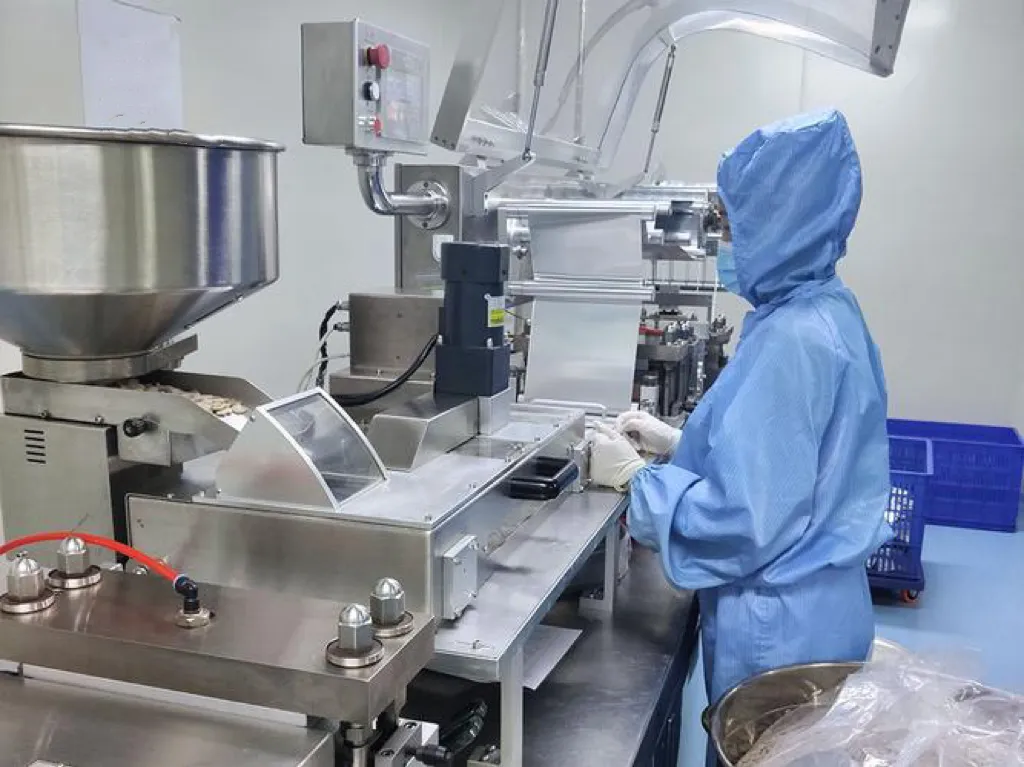
The production of vitamins for canine supplementation relies heavily on both synthetic and natural sourcing. Fat-soluble vitamins (A, D, E, K) are frequently manufactured through multi-step chemical synthesis processes, often starting with petrochemical feedstocks. Vitamin A, for instance, is commonly synthesized from beta-carotene produced via fermentation processes. Vitamin D3 (cholecalciferol) is produced through UV irradiation of 7-dehydrocholesterol derived from lanolin (sheep’s wool). Vitamin E (tocopherol) synthesis is complex, involving multiple isomers and requiring precise control of reaction conditions to achieve the desired alpha-tocopherol form, crucial for antioxidant activity. Water-soluble vitamins, including the B-complex and Vitamin C, are produced through fermentation, enzymatic conversion, and chemical synthesis. Thiamine (B1) is often manufactured through the condensation of pyrimidine and thiazole intermediates. Ascorbic acid (Vitamin C) production utilizes the Reichstein process, a multi-stage chemical conversion of glucose. Bioavailability is enhanced through encapsulation techniques – microencapsulation with lipid coatings improves fat-soluble vitamin absorption, while enteric coatings protect water-soluble vitamins from gastric degradation. Quality control focuses on rigorous testing for purity (HPLC, GC-MS), potency (titration, spectrophotometry), and absence of contaminants (heavy metals, microbial load) adhering to USP/NF standards. The manufacturing process significantly impacts stability; exposure to light, heat, and oxygen must be minimized during production and packaging to prevent vitamin degradation.
Performance & Engineering
The efficacy of vitamin supplementation is profoundly influenced by pharmacokinetic factors – absorption, distribution, metabolism, and excretion (ADME). Fat-soluble vitamins require dietary fat for optimal absorption within the small intestine, relying on micelle formation and chylomicron transport. Water-soluble vitamins are generally absorbed via active and passive transport mechanisms, often requiring specific carrier proteins. The bioavailability of vitamins is impacted by gut health; dysbiosis, inflammation, and pancreatic insufficiency can impair absorption. Vitamin interactions also play a crucial role. For example, high doses of Vitamin E can interfere with Vitamin K metabolism, potentially leading to bleeding disorders. Conversely, Vitamin C enhances iron absorption. Engineering considerations include formulating vitamin supplements with synergistic nutrients (e.g., Vitamin D3 with calcium and phosphorus) to optimize utilization. Environmental resistance is also a concern; UV light degrades vitamins A, D, and E, necessitating opaque packaging. Antioxidants, like Vitamin E and C, combat oxidative stress induced by environmental toxins and metabolic processes. Compliance requires careful dosage calculations based on the dog’s weight, age, breed, activity level, and health status. Over-supplementation can lead to toxicity, particularly with fat-soluble vitamins, which can accumulate in tissues. Veterinary oversight is vital to ensure appropriate supplementation regimens.
Technical Specifications
| Vitamin | Primary Function | Deficiency Symptoms | Recommended Daily Allowance (RDA) - Medium Breed (20kg) |
|---|---|---|---|
| Vitamin A (Retinol) | Vision, Immune Function, Growth | Night Blindness, Skin Problems, Increased Susceptibility to Infection | 600-800 IU |
| Vitamin D (Cholecalciferol) | Calcium Absorption, Bone Health | Rickets (puppies), Osteomalacia (adults), Muscle Weakness | 400-800 IU |
| Vitamin E (Tocopherol) | Antioxidant, Immune Function | Muscle Weakness, Neurological Issues, Reproductive Failure | 50-100 IU |
| Vitamin K (Phylloquinone) | Blood Clotting | Bleeding Disorders, Bruising | 0.5-1 mg |
| Vitamin B1 (Thiamine) | Carbohydrate Metabolism, Nerve Function | Neurological Signs, Weakness, Loss of Appetite | 1.5-3 mg |
| Vitamin B2 (Riboflavin) | Energy Metabolism, Skin Health | Skin Lesions, Cracked Mouth, Sensitivity to Light | 2-4 mg |
Failure Mode & Maintenance
Failure modes in vitamin supplementation typically stem from product degradation, incorrect dosage, or interference with absorption. Degradation occurs due to exposure to light, heat, oxygen, and moisture, reducing potency. Manufacturing defects, such as improper encapsulation, can also compromise stability. Incorrect dosage – both under-supplementation and over-supplementation – can lead to adverse effects. Under-supplementation results in deficiency symptoms, while over-supplementation can cause toxicity. Absorption issues, resulting from gut dysbiosis, pancreatic insufficiency, or drug interactions, can limit vitamin bioavailability. Maintenance strategies involve storing supplements in a cool, dark, and dry place. Ensuring the product is within its expiration date is critical. Monitoring the dog for any signs of deficiency or toxicity is essential. Regular veterinary check-ups, including blood tests to assess vitamin levels, can help identify and address potential issues. When administering supplements, follow the recommended dosage precisely and administer with food containing fat (for fat-soluble vitamins) to enhance absorption. Consider probiotic supplementation to support gut health and improve vitamin absorption, particularly in dogs with digestive issues. Periodically rotating vitamin sources might mitigate the risk of developing tolerance or adaptation. Discontinue supplementation if adverse reactions are observed and consult with a veterinarian.
Industry FAQ
Q: What is the difference between synthetic and natural vitamins, and does it matter for dogs?
A: While both synthetic and natural vitamins can provide nutritional benefits, natural vitamins are often derived directly from food sources and may be accompanied by cofactors and enzymes that enhance absorption. Synthetic vitamins are manufactured chemically and are generally more cost-effective. For dogs, the bioavailability of synthetic vitamins has improved significantly, and high-quality synthetic vitamins are generally considered adequate. However, some veterinarians and owners prefer natural sources, believing they offer superior absorption and utilization, particularly for sensitive individuals. The critical factor is ensuring the product meets quality control standards regardless of source.
Q: How can I determine if my dog is actually absorbing the vitamins I'm giving them?
A: Assessing vitamin absorption can be challenging. Indirect indicators include monitoring for improved coat condition, increased energy levels, and a strengthened immune system. However, the most accurate method is through blood tests conducted by a veterinarian. Specifically, measuring serum levels of the vitamin in question can determine if it’s within the normal range. Further diagnostic tests, such as fecal analysis to assess fat malabsorption, can help identify underlying issues that may impair absorption.
Q: My dog eats a raw food diet. Do they still need vitamin supplementation?
A: Raw food diets, while potentially beneficial, can be nutritionally imbalanced if not formulated correctly. Raw meat alone often lacks sufficient Vitamin D, Vitamin E, and certain B vitamins. Furthermore, raw food may contain antinutrients that interfere with vitamin absorption. Supplementation is often necessary to ensure the dog receives adequate levels of essential vitamins, especially when feeding a long-term raw food diet. A complete and balanced raw food formulation will detail which vitamins are included and whether supplementation is still advised.
Q: What are the signs of Vitamin D toxicity in dogs, and how is it treated?
A: Vitamin D toxicity is a serious condition. Signs include lethargy, weakness, loss of appetite, increased thirst and urination, vomiting, and in severe cases, kidney failure. It often occurs due to accidental ingestion of rodenticides containing Vitamin D3. Treatment involves discontinuing Vitamin D supplementation, inducing vomiting if recent ingestion, administering intravenous fluids to support kidney function, and potentially using medications to bind Vitamin D in the gut. Prompt veterinary attention is crucial.
Q: Can vitamins interact with medications my dog is taking?
A: Yes, vitamin-drug interactions are possible. For example, Vitamin K can interfere with anticoagulant medications like warfarin. Vitamin E can enhance the effects of some blood thinners. Certain antibiotics can disrupt gut flora, impairing vitamin absorption. It’s crucial to inform your veterinarian about all medications and supplements your dog is receiving to avoid potentially harmful interactions. A thorough medication review is recommended before initiating any new vitamin regimen.
Conclusion
Optimal canine health fundamentally depends on adequate vitamin nutrition. While commercially formulated dog foods strive for completeness, individual variations and dietary choices often necessitate strategic supplementation. Understanding the specific biochemical roles of each vitamin, the factors influencing their bioavailability, and the potential for both deficiency and toxicity is critical for responsible pet ownership and veterinary practice. The industry’s continued focus on improving vitamin formulations, enhancing encapsulation techniques, and developing more accurate diagnostic tools will undoubtedly lead to further advancements in canine nutritional science.
Moving forward, research should prioritize the investigation of personalized vitamin supplementation strategies based on genetic predispositions, microbiome profiles, and lifestyle factors. Furthermore, enhanced quality control measures and stringent regulatory oversight are essential to ensure the safety and efficacy of vitamin products available on the market. By prioritizing evidence-based approaches and a commitment to ongoing learning, we can better safeguard the health and wellbeing of our canine companions.
Latest news
Copyright © 2026
Dingzhou Kangquan Pharmaceutical Co., Ltd. All Rights Reserved. Sitemap | Privacy
Policy


