
2695018275@qq.com
+86
13780513619
- Afrikaans
- Albanian
- Amharic
- Arabic
- Armenian
- Azerbaijani
- Basque
- Belarusian
- Bengali
- Bosnian
- Bulgarian
- Catalan
- Cebuano
- Corsican
- Croatian
- Czech
- Danish
- Dutch
- English
- Esperanto
- Estonian
- Finnish
- French
- Frisian
- Galician
- Georgian
- German
- Greek
- Gujarati
- Haitian Creole
- hausa
- hawaiian
- Hebrew
- Hindi
- Miao
- Hungarian
- Icelandic
- igbo
- Indonesian
- irish
- Italian
- Japanese
- Javanese
- Kannada
- kazakh
- Khmer
- Rwandese
- Korean
- Kurdish
- Kyrgyz
- Lao
- Latin
- Latvian
- Lithuanian
- Luxembourgish
- Macedonian
- Malgashi
- Malay
- Malayalam
- Maltese
- Maori
- Marathi
- Mongolian
- Myanmar
- Nepali
- Norwegian
- Norwegian
- Occitan
- Pashto
- Persian
- Polish
- Portuguese
- Punjabi
- Romanian
- Russian
- Samoan
- Scottish Gaelic
- Serbian
- Sesotho
- Shona
- Sindhi
- Sinhala
- Slovak
- Slovenian
- Somali
- Spanish
- Sundanese
- Swahili
- Swedish
- Tagalog
- Tajik
- Tamil
- Tatar
- Telugu
- Thai
- Turkish
- Turkmen
- Ukrainian
- Urdu
- Uighur
- Uzbek
- Vietnamese
- Welsh
- Bantu
- Yiddish
- Yoruba
- Zulu
Apr . 01, 2024 17:55 Back to list
dog vitamins pregnant Performance Analysis
Introduction
Dog vitamins for pregnant and lactating females represent a critical intervention in canine reproductive health management. These formulations are not simply multivitamin supplements; they are precisely calibrated nutritional compounds designed to address the dramatically increased metabolic demands imposed by gestation and lactation. Within the veterinary pharmaceutical and nutraceutical industry chain, these vitamins occupy a specialized niche, bridging preventative care and therapeutic support. Core performance indicators center around optimizing fetal development, supporting maternal health, maximizing milk production quality and quantity, and minimizing the incidence of complications like eclampsia and dystocia. Their efficacy is rooted in providing bioavailable forms of essential nutrients, addressing deficiencies common in commercial canine diets, and mitigating the stress induced by reproductive processes. The demand for these supplements has risen alongside the increasing trend of responsible pet ownership and a proactive approach to animal health, particularly in breeds predisposed to reproductive challenges.
Material Science & Manufacturing
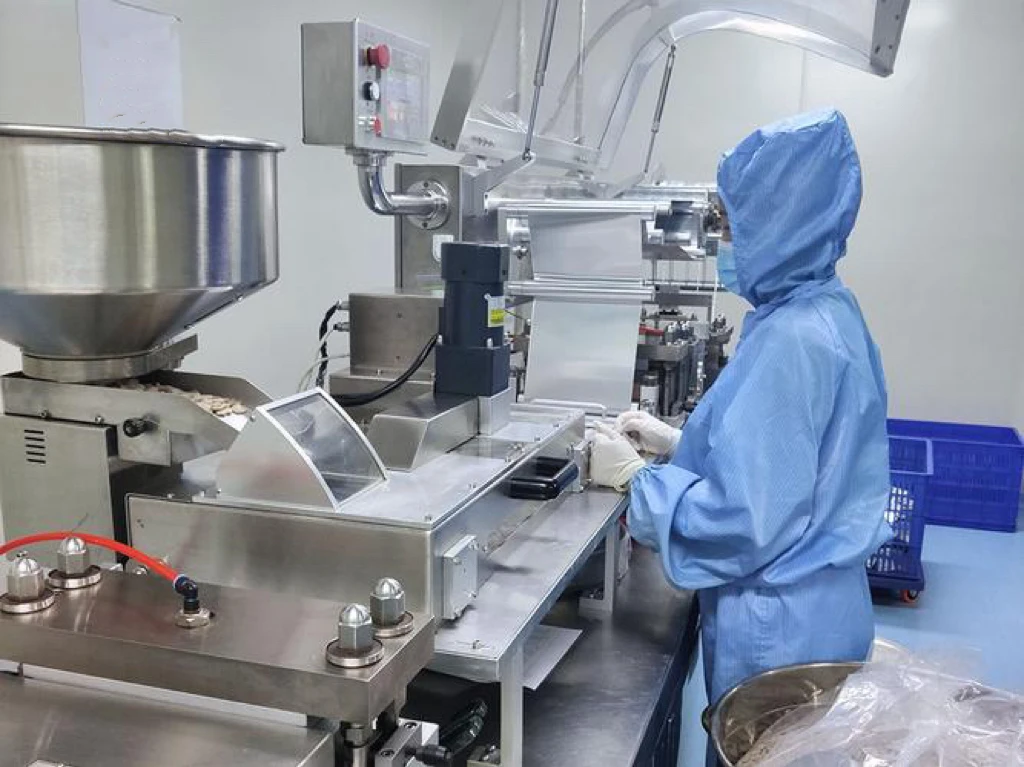
The formulation of dog vitamins for pregnant canines hinges on precise material sourcing and manufacturing control. Key raw materials include Vitamin A (retinol acetate or palmitate, often synthesized chemically or extracted from natural sources), Vitamin D3 (cholecalciferol, typically derived from lanolin), Vitamin E (tocopherol, sourced from vegetable oils), B-complex vitamins (synthesized or extracted from microbial fermentation), calcium carbonate or phosphate (mined and processed for purity and particle size), folic acid (synthesized), and essential fatty acids (sourced from fish oil or flaxseed oil). Each component’s purity is paramount, governed by USP/NF or FCC standards. Manufacturing typically involves dry mixing of powdered ingredients, granulation to improve flowability and compressibility, and tablet compression or encapsulation. Gelatin capsules are common for fat-soluble vitamins, ensuring bioavailability. Quality control at each stage includes HPLC for vitamin potency, atomic absorption spectroscopy for mineral content, and microbial testing to ensure sterility. Bioavailability is a critical parameter; chelated minerals (e.g., calcium bisglycinate) are often utilized to enhance absorption. Coatings applied to tablets (e.g., film coatings with polymers like hypromellose) control release characteristics and mask taste. Batch-to-batch consistency requires rigorous adherence to Good Manufacturing Practices (GMP) and validated analytical methods. The physical properties of excipients like microcrystalline cellulose and lactose monohydrate also influence tablet hardness, disintegration time, and overall stability.
Performance & Engineering
The performance of dog vitamins for pregnant canines is evaluated through a combination of in-vitro dissolution studies and in-vivo bioavailability trials. Force analysis is applied during tablet compression to ensure adequate hardness and friability – tablets must withstand handling and shipping without crumbling. Environmental resistance is assessed by subjecting the finished product to varying temperatures and humidity levels to determine shelf-life and packaging requirements. Regulatory compliance is crucial; formulations must adhere to FDA-CVM guidelines (or equivalent regulations in other jurisdictions) regarding ingredient safety and labeling. The bioavailability of key nutrients dictates the dosage required to achieve therapeutic effects. For example, calcium absorption is optimized by the presence of Vitamin D3, which regulates calcium homeostasis. Folic acid plays a vital role in neural tube development in puppies, making its bioavailability a critical performance parameter. The metabolic pathway of each nutrient must be considered; for instance, Vitamin E acts as an antioxidant, protecting cell membranes from oxidative stress, which is heightened during pregnancy. The intended functional implementation—supporting fetal skeletal development, enhancing colostrum quality, preventing hypocalcemia—drives the specific nutrient profile and dosage regimen. The product's performance is directly tied to ingredient sourcing, manufacturing processes, and the final formulation's ability to deliver nutrients in a bioavailable form.
Technical Specifications
| Nutrient | Unit | Minimum Level (per dose) | Maximum Level (per dose) |
|---|---|---|---|
| Vitamin A | IU | 5,000 | 10,000 |
| Vitamin D3 | IU | 500 | 1,000 |
| Vitamin E | IU | 100 | 200 |
| Folic Acid | mcg | 200 | 400 |
| Calcium | mg | 150 | 300 |
| Phosphorus | mg | 100 | 200 |
| Omega-3 Fatty Acids (EPA+DHA) | mg | 50 | 100 |
Failure Mode & Maintenance
Failure modes in dog vitamins for pregnant canines primarily stem from degradation of active ingredients, improper storage, or manufacturing defects. Oxidation of fat-soluble vitamins (A, D, E) is a common failure mechanism, accelerated by exposure to air, light, and heat. Hydrolysis of folic acid can occur in humid environments. Tablet disintegration failure, leading to poor nutrient release, can result from insufficient binder or improper compression. Physical degradation, such as crumbling or chipping, can compromise dosage accuracy. Microbial contamination, though rare with GMP compliance, can render the product unsafe. Failure analysis involves HPLC to quantify nutrient loss, disintegration testing to assess tablet integrity, and microbial assays to detect contamination. Maintenance of product integrity requires airtight, light-resistant packaging (e.g., blister packs or opaque bottles with desiccants). Storage recommendations emphasize cool, dry conditions. Veterinarians should counsel owners on proper handling and dosage to avoid accidental overdoses or underdoses. Monitoring for signs of vitamin deficiencies (e.g., stunted fetal growth, weak puppies) or toxicities (e.g., hypervitaminosis A) is crucial. Regular quality control testing by manufacturers is essential to ensure product stability and potency throughout its shelf life. Encapsulation can enhance stability but adds cost. Choosing reputable brands committed to rigorous testing and quality control minimizes the risk of product failure.
Industry FAQ
Q: What is the clinical evidence supporting the use of supplemental calcium during canine pregnancy?
A: Clinical evidence demonstrates that calcium supplementation is particularly crucial in smaller breeds and those prone to eclampsia (milk fever). During late gestation and lactation, the calcium demands for fetal skeletal development and milk production can exceed the mother’s ability to mobilize calcium from her bones. Supplementation helps maintain serum calcium levels, preventing hypocalcemia and the associated neurological symptoms. However, excessive calcium can interfere with phosphorus absorption and potentially lead to skeletal abnormalities in puppies, so the dosage must be carefully controlled.
Q: How does folic acid supplementation influence puppy health outcomes?
A: Folic acid is vital for neural tube closure in developing puppies during the first trimester of gestation. Insufficient folic acid intake increases the risk of congenital malformations, including spina bifida. Supplementation ensures adequate levels of this crucial B vitamin, supporting healthy fetal development and reducing the incidence of these birth defects.
Q: Are there potential drug interactions to consider when administering prenatal vitamins to a pregnant dog?
A: Yes. Concurrent administration of certain medications, such as corticosteroids or thiazide diuretics, can interfere with calcium metabolism and potentially exacerbate the risk of hypocalcemia. Fat-soluble vitamin supplementation should be carefully considered in dogs receiving lipid-lowering drugs. It's essential to inform your veterinarian about all medications and supplements the dog is receiving to avoid potential interactions.
Q: What is the role of omega-3 fatty acids in prenatal canine nutrition?
A: Omega-3 fatty acids, particularly EPA and DHA, are critical for brain and retinal development in puppies. They also possess anti-inflammatory properties that can benefit the mother during pregnancy and lactation. Supplementation supports optimal neurological function in puppies and may reduce the risk of pregnancy-related inflammation.
Q: How should I store dog prenatal vitamins to maximize their potency and shelf life?
A: Dog prenatal vitamins should be stored in a cool, dry place, away from direct sunlight and heat. Airtight containers are essential to prevent oxidation of fat-soluble vitamins. Ideally, store the product in its original packaging. Discard any product that shows signs of degradation, such as discoloration or a foul odor.
Conclusion
Dog vitamins specifically formulated for pregnant canines represent a sophisticated intersection of nutritional science and veterinary medicine. Their efficacy relies on precise ingredient sourcing, meticulous manufacturing processes, and a deep understanding of canine reproductive physiology. Optimizing nutrient bioavailability and addressing potential deficiencies are paramount to supporting healthy fetal development and maternal well-being. The careful consideration of failure modes, coupled with diligent quality control measures, is critical for ensuring product integrity and maximizing therapeutic benefits.
Future advancements in this field may involve personalized nutrition strategies tailored to individual breed predispositions and maternal health status. Nanotechnology could potentially enhance nutrient delivery and absorption. Continued research into the optimal ratios of key nutrients and the long-term effects of prenatal supplementation will further refine our approach to canine reproductive health management. A proactive, evidence-based approach to prenatal nutrition is essential for ensuring the health and vitality of both mother and puppies.
Latest news
Copyright © 2026
Dingzhou Kangquan Pharmaceutical Co., Ltd. All Rights Reserved. Sitemap | Privacy
Policy


