
2695018275@qq.com
+86
13780513619
- Afrikaans
- Albanian
- Amharic
- Arabic
- Armenian
- Azerbaijani
- Basque
- Belarusian
- Bengali
- Bosnian
- Bulgarian
- Catalan
- Cebuano
- Corsican
- Croatian
- Czech
- Danish
- Dutch
- English
- Esperanto
- Estonian
- Finnish
- French
- Frisian
- Galician
- Georgian
- German
- Greek
- Gujarati
- Haitian Creole
- hausa
- hawaiian
- Hebrew
- Hindi
- Miao
- Hungarian
- Icelandic
- igbo
- Indonesian
- irish
- Italian
- Japanese
- Javanese
- Kannada
- kazakh
- Khmer
- Rwandese
- Korean
- Kurdish
- Kyrgyz
- Lao
- Latin
- Latvian
- Lithuanian
- Luxembourgish
- Macedonian
- Malgashi
- Malay
- Malayalam
- Maltese
- Maori
- Marathi
- Mongolian
- Myanmar
- Nepali
- Norwegian
- Norwegian
- Occitan
- Pashto
- Persian
- Polish
- Portuguese
- Punjabi
- Romanian
- Russian
- Samoan
- Scottish Gaelic
- Serbian
- Sesotho
- Shona
- Sindhi
- Sinhala
- Slovak
- Slovenian
- Somali
- Spanish
- Sundanese
- Swahili
- Swedish
- Tagalog
- Tajik
- Tamil
- Tatar
- Telugu
- Thai
- Turkish
- Turkmen
- Ukrainian
- Urdu
- Uighur
- Uzbek
- Vietnamese
- Welsh
- Bantu
- Yiddish
- Yoruba
- Zulu
Apr . 01, 2024 17:55 Back to list
Dog Vitamins Price Formulation Analysis
Introduction
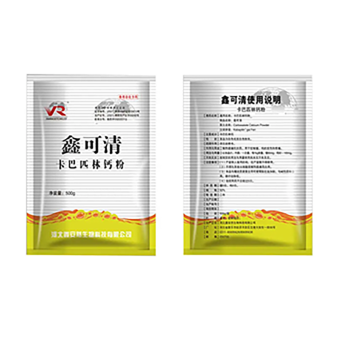
Dog vitamin price, in the context of the companion animal nutrition industry, represents a critical variable influencing pet owner purchasing decisions and overall animal health outcomes. This technical guide delves into the intricacies of dog vitamin formulation, manufacturing, performance characteristics, and failure modes, focusing on the factors driving cost and quality. Dog vitamins are not merely single-entity supplements, but rather complex formulations of essential micronutrients – vitamins, minerals, and often, additional functional ingredients – designed to complement a complete and balanced canine diet. Price variations are dictated by raw material sourcing, manufacturing processes, bioavailability of ingredients, quality control measures, and distribution networks. Understanding these variables is crucial for procurement managers, veterinarians, and formulators seeking optimal value and efficacy. This guide aims to provide a comprehensive technical overview, analyzing the interplay between cost and performance, and outlining best practices for ensuring product integrity.
Material Science & Manufacturing
The production of dog vitamins involves a complex interplay of material science and manufacturing processes. Core raw materials include vitamin precursors (e.g., ascorbic acid, retinol), mineral salts (e.g., calcium carbonate, ferrous sulfate), carriers (e.g., microcrystalline cellulose, dicalcium phosphate), and excipients (e.g., magnesium stearate, silicon dioxide). Vitamin sourcing significantly impacts price. Synthetic vitamins, typically produced via chemical synthesis, are generally more cost-effective than naturally derived vitamins, which are extracted from plant or animal sources. However, natural vitamins may exhibit superior bioavailability in certain cases. Manufacturing processes vary depending on the final product form – tablets, capsules, chews, or liquids. Tablet manufacturing involves granulation (wet or dry), blending, compression, and coating. Critical parameters include particle size distribution of raw materials, compression force, and coating thickness. Capsule production entails filling hard-shell capsules with powdered or granulated vitamin mixtures. Chewable vitamins require extrusion or molding processes, incorporating binding agents and palatability enhancers. Liquid vitamin formulations necessitate precise mixing and homogenization to ensure uniform distribution of ingredients. Quality control at each stage is paramount, employing techniques like High-Performance Liquid Chromatography (HPLC) and Gas Chromatography-Mass Spectrometry (GC-MS) to verify vitamin potency and purity. Ingredient compatibility is also crucial; for example, certain minerals can interfere with vitamin absorption, necessitating careful formulation strategies.
Performance & Engineering
The performance of dog vitamins is dictated by bioavailability, stability, and palatability. Bioavailability, the extent to which a nutrient is absorbed and utilized by the body, is influenced by chemical form, particle size, and the presence of enhancers or inhibitors. For example, fat-soluble vitamins (A, D, E, K) require dietary fat for optimal absorption. Stability refers to the vitamin's ability to retain its potency over time, affected by factors like temperature, humidity, light, and oxidation. Antioxidants are commonly added to formulations to mitigate oxidative degradation. Palatability, or acceptance by the dog, is critical for ensuring compliance. Flavorings, coatings, and chewable formats are employed to enhance palatability. Engineering considerations extend to packaging. Moisture-barrier packaging (e.g., blister packs, airtight containers) is essential to prevent vitamin degradation. Force analysis during tablet compression is critical to ensure structural integrity and prevent crumbling. Environmental resistance testing (temperature cycling, humidity exposure) assesses product stability under various storage conditions. Compliance requirements, governed by regulatory bodies like the FDA-CVM (Center for Veterinary Medicine), mandate strict adherence to Good Manufacturing Practices (GMP) and accurate labeling. Dosage recommendations are based on the dog's age, breed, activity level, and overall health status, necessitating precise formulation control.
Technical Specifications
| Vitamin | Typical Potency (per dose) | Bioavailability (Relative %) | Cost per kg (USD) |
|---|---|---|---|
| Vitamin A (Retinol) | 1500 IU | 80-90% | $80 - $150 |
| Vitamin D3 (Cholecalciferol) | 200 IU | 70-80% | $120 - $200 |
| Vitamin E (Alpha-Tocopherol) | 30 IU | 50-60% | $60 - $100 |
| Vitamin C (Ascorbic Acid) | 100 mg | 40-50% | $30 - $50 |
| Vitamin B1 (Thiamine) | 5 mg | 75-85% | $40 - $70 |
| Vitamin B12 (Cyanocobalamin) | 10 mcg | 60-70% | $200 - $350 |
Failure Mode & Maintenance
Dog vitamins are susceptible to several failure modes, impacting efficacy and safety. Degradation, caused by oxidation, hydrolysis, or photolysis, reduces vitamin potency over time. Symptoms include reduced effectiveness and potential formation of degradation products. Physical instability, such as tablet crumbling or capsule deformation, compromises dosage accuracy and palatability. Contamination with microorganisms or heavy metals poses a serious health risk. Manufacturing defects, like improper mixing or compression, lead to inconsistent vitamin distribution. Packaging failure, such as a compromised seal, accelerates degradation and contamination. Maintenance strategies include proper storage (cool, dry, dark place), adherence to expiration dates, and verification of product integrity upon receipt. Visual inspection for discoloration, odor changes, or physical defects is recommended. For chewable vitamins, monitoring for changes in texture or palatability can indicate degradation. Regular quality control testing by the manufacturer is essential to ensure ongoing product stability and potency. Recall procedures should be established and implemented promptly in the event of a confirmed quality defect.
Industry FAQ
Q: What is the impact of ingredient sourcing (synthetic vs. natural) on the final price and perceived value of dog vitamins?
A: Synthetic vitamins generally offer a lower cost of production due to streamlined manufacturing processes. However, natural vitamins are often perceived as having higher bioavailability and are favored by health-conscious consumers, justifying a premium price. The perceived value hinges on marketing, transparency of sourcing, and scientific evidence supporting bioavailability claims.
Q: How does the choice of excipients (fillers, binders, coatings) affect both the price and the performance of the vitamin formulation?
A: Excipients contribute significantly to both cost and performance. High-quality excipients improve flowability, compressibility, and stability, but also increase the overall price. Substandard excipients can lead to manufacturing issues, reduced bioavailability, and compromised product integrity. Careful selection of excipients is vital for optimizing both cost and efficacy.
Q: What quality control tests are essential for ensuring the potency and purity of dog vitamins, and how do these tests influence the overall production cost?
A: Essential tests include HPLC for vitamin quantification, GC-MS for identifying impurities, microbial testing for contamination, and heavy metal analysis for safety. These tests are resource-intensive, requiring specialized equipment and skilled personnel, thereby contributing significantly to the production cost. However, they are non-negotiable for ensuring product quality and regulatory compliance.
Q: How does the choice of packaging (blister packs, airtight containers) affect the shelf life and price of the dog vitamin product?
A: Moisture-barrier packaging, like blister packs and airtight containers, provides superior protection against degradation, extending shelf life. While more expensive upfront, this packaging can reduce product loss due to spoilage and maintain potency, ultimately offering a better value proposition. Cheaper packaging options compromise stability and may necessitate shorter expiration dates.
Q: What are the key considerations when evaluating the bioavailability of different vitamin forms (e.g., esterified vs. non-esterified vitamins)?
A: Bioavailability is heavily influenced by chemical form. Esterified vitamins often exhibit enhanced absorption compared to their non-esterified counterparts due to increased lipophilicity. However, the benefits of esterification must be weighed against potential increased cost. In-vitro and in-vivo studies are crucial for assessing bioavailability claims and determining the optimal vitamin form for a specific formulation.
Conclusion
Dog vitamin price is a multifaceted metric shaped by a confluence of material science, manufacturing precision, and stringent quality control. The selection of raw materials, particularly the decision between synthetic and natural sources, establishes a fundamental cost baseline. Advanced manufacturing techniques and robust packaging solutions contribute to long-term product stability and efficacy, directly impacting value. Ultimately, a thorough understanding of these factors is essential for informed procurement and responsible formulation.
Future trends in dog vitamin production will likely focus on personalized nutrition, leveraging genetic testing and individual dog health data to optimize vitamin formulations. Sustainability and ethical sourcing of ingredients will become increasingly important consumer considerations. Innovations in encapsulation technology and delivery systems will further enhance bioavailability and palatability, driving improvements in both performance and price-effectiveness.
Latest news
Copyright © 2026
Dingzhou Kangquan Pharmaceutical Co., Ltd. All Rights Reserved. Sitemap | Privacy
Policy


