
2695018275@qq.com
+86
13780513619
- Afrikaans
- Albanian
- Amharic
- Arabic
- Armenian
- Azerbaijani
- Basque
- Belarusian
- Bengali
- Bosnian
- Bulgarian
- Catalan
- Cebuano
- Corsican
- Croatian
- Czech
- Danish
- Dutch
- English
- Esperanto
- Estonian
- Finnish
- French
- Frisian
- Galician
- Georgian
- German
- Greek
- Gujarati
- Haitian Creole
- hausa
- hawaiian
- Hebrew
- Hindi
- Miao
- Hungarian
- Icelandic
- igbo
- Indonesian
- irish
- Italian
- Japanese
- Javanese
- Kannada
- kazakh
- Khmer
- Rwandese
- Korean
- Kurdish
- Kyrgyz
- Lao
- Latin
- Latvian
- Lithuanian
- Luxembourgish
- Macedonian
- Malgashi
- Malay
- Malayalam
- Maltese
- Maori
- Marathi
- Mongolian
- Myanmar
- Nepali
- Norwegian
- Norwegian
- Occitan
- Pashto
- Persian
- Polish
- Portuguese
- Punjabi
- Romanian
- Russian
- Samoan
- Scottish Gaelic
- Serbian
- Sesotho
- Shona
- Sindhi
- Sinhala
- Slovak
- Slovenian
- Somali
- Spanish
- Sundanese
- Swahili
- Swedish
- Tagalog
- Tajik
- Tamil
- Tatar
- Telugu
- Thai
- Turkish
- Turkmen
- Ukrainian
- Urdu
- Uighur
- Uzbek
- Vietnamese
- Welsh
- Bantu
- Yiddish
- Yoruba
- Zulu
Apr . 01, 2024 17:55 Back to list
dog vitamins puppy Bioavailability Analysis
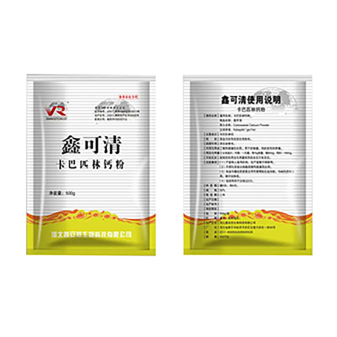
Introduction
Dog vitamins formulated for puppies represent a critical component of early canine development, falling within the broader pet nutrition industry. These supplements are designed to augment the nutritional profile of commercially available puppy food, addressing potential deficiencies and supporting optimal growth. Technically, puppy vitamins are typically multi-vitamin and mineral complexes, delivered in chewable tablet, soft chew, or liquid form. Their efficacy relies heavily on bioavailability – the degree to which nutrients are absorbed and utilized by the puppy's system. The core performance metrics center around supporting skeletal development (calcium, phosphorus, Vitamin D), immune system function (Vitamin C, Vitamin E), and neurological development (DHA, choline). A key industry challenge lies in ensuring accurate dosage based on puppy breed, weight, and dietary intake to avoid hypervitaminosis. Furthermore, maintaining palatability is crucial for ensuring compliance and effective supplementation.
Material Science & Manufacturing
The production of dog vitamins for puppies involves a complex interplay of material science and manufacturing processes. Raw materials typically include Vitamin A (retinol palmitate), Vitamin D3 (cholecalciferol), Vitamin E (alpha-tocopherol acetate), Vitamin C (ascorbic acid), B-complex vitamins (thiamine, riboflavin, niacin, pyridoxine, cobalamin, biotin, pantothenic acid, folic acid), essential minerals (calcium carbonate, phosphorus, zinc sulfate, copper sulfate, manganese sulfate, potassium iodide), and omega-3 fatty acids (DHA, EPA – often sourced from fish oil). The physical properties of these ingredients dictate handling and processing requirements. For instance, Vitamin D3 is oil-soluble and requires encapsulation or blending with a carrier oil. The manufacturing process generally includes: 1) Raw Material Sourcing & Quality Control: rigorous testing for purity and potency according to USP/NF standards. 2) Premixing: combining vitamins and minerals with excipients (bulking agents like microcrystalline cellulose, lactose, or dicalcium phosphate) to achieve homogeneity. 3) Granulation (for tablets): wet granulation or dry granulation to improve flowability and compressibility. 4) Tablet Compression/Soft Chew Extrusion/Liquid Formulation: forming the final dosage form. 5) Coating (for tablets): film coating for palatability and to protect the active ingredients from degradation. 6) Encapsulation (for liquids/oils): microencapsulation techniques protect sensitive ingredients from oxidation and enhance bioavailability. Key parameters controlled during manufacturing include particle size distribution, moisture content, compression force (tablets), and extrusion temperature (soft chews). Maintaining consistent ingredient ratios and preventing cross-contamination are paramount.

Performance & Engineering
The performance of puppy vitamins is intrinsically linked to pharmacokinetic principles – absorption, distribution, metabolism, and excretion (ADME). Bioavailability is a critical engineering consideration. Factors affecting absorption include the solubility of the vitamin, the presence of other nutrients that enhance or inhibit absorption, and the puppy’s digestive health. Force analysis is relevant in tablet compression; ensuring adequate hardness prevents crumbling during handling and ingestion. Environmental resistance is crucial for maintaining product stability. Vitamins are susceptible to degradation from exposure to light, oxygen, and moisture. Packaging materials (e.g., amber bottles, blister packs) and antioxidants (e.g., Vitamin E, ascorbic acid) are employed to mitigate degradation. Compliance requirements are stringent. Regulatory bodies like the FDA (in the US) and EFSA (in Europe) mandate adherence to Good Manufacturing Practices (GMP) and require evidence of safety and efficacy. Specifically, vitamins must meet defined potency levels and be free from harmful contaminants (heavy metals, pesticides). Functional implementation demands accurate dosage based on the puppy’s life stage (early puppyhood, growth, weaning), breed (small, medium, large), and weight. Under-supplementation provides insufficient benefits, while over-supplementation can lead to toxicity.
Technical Specifications
| Vitamin | Minimum Potency (per dose) | Maximum Potency (per dose) | Bioavailability Enhancement Techniques |
|---|---|---|---|
| Vitamin A | 500 IU | 800 IU | Retinol palmitate with lipid carrier |
| Vitamin D3 | 40 IU | 60 IU | Microencapsulation with vegetable oil |
| Vitamin E | 10 IU | 20 IU | Alpha-tocopherol acetate |
| Vitamin C | 50 mg | 100 mg | Coating with anti-oxidant blend |
| DHA | 25 mg | 50 mg | Bound to phospholipids |
| Calcium | 100mg | 150mg | Calcium Carbonate with Vitamin D3 |
Failure Mode & Maintenance
Failure modes in puppy vitamins can manifest in several ways. Degradation: Vitamins are susceptible to oxidation, particularly fat-soluble vitamins (A, D, E). This leads to reduced potency over time. Mitigation: airtight, light-resistant packaging; inclusion of antioxidants. Moisture Absorption: Hygroscopic ingredients (some vitamins, excipients) can absorb moisture, leading to clumping, reduced flowability (tablets), and potential degradation. Mitigation: desiccant inclusion, moisture-barrier packaging. Tablet Friability/Cracking: Insufficient compression force or improper excipient selection can result in brittle tablets prone to cracking during handling. Mitigation: optimizing compression parameters, using appropriate binders and diluents. Soft Chew Rancidity: Omega-3 fatty acids in soft chews are prone to oxidation, leading to rancidity. Mitigation: antioxidant addition, nitrogen flushing during packaging. Loss of Palatability: Degradation or improper formulation can diminish the taste and smell, reducing compliance. Mitigation: flavor masking agents, palatable coating. Bioavailability Issues: Poorly absorbed vitamins offer limited benefit. Mitigation: microencapsulation, utilizing readily absorbable forms of vitamins (e.g., chelated minerals). Maintenance involves storing vitamins in a cool, dry place away from direct sunlight. Regular quality control testing is essential to monitor potency and ensure product integrity. Discard expired or visibly degraded products.
Industry FAQ
Q: What is the significance of chelated minerals in puppy vitamin formulations?
A: Chelated minerals (e.g., zinc chelate, iron bisglycinate) are mineral ions bound to amino acids. This chelation process significantly enhances bioavailability compared to inorganic mineral salts. The amino acid acts as a carrier, facilitating absorption across the intestinal wall. Puppies, with their developing digestive systems, often exhibit lower absorption rates for inorganic minerals. Chelated minerals address this, ensuring optimal mineral intake for bone development and immune function.
Q: How do different dosage forms (tablets, chews, liquids) affect vitamin absorption?
A: Liquids generally offer the fastest absorption rate as they bypass the disintegration and dissolution steps required for tablets. Soft chews, due to their palatable nature, encourage compliance, but absorption is dependent on the quality of the fat source used to bind the vitamins. Tablets require dissolution, which can be variable depending on the tablet's formulation and the puppy's digestive pH. Microencapsulation within any dosage form can further enhance absorption by protecting the vitamin from degradation and promoting targeted release.
Q: What are the potential risks of over-supplementation with fat-soluble vitamins (A, D, E)?
A: Fat-soluble vitamins are stored in the liver and fatty tissues, meaning they can accumulate to toxic levels. Hypervitaminosis A can cause bone abnormalities and neurological issues. Vitamin D toxicity can lead to calcium deposition in soft tissues. Vitamin E toxicity is less common but can interfere with blood clotting. Careful dosage control, based on the puppy's weight and dietary intake, is essential to avoid these risks.
Q: What role do antioxidants play in maintaining the stability of puppy vitamins?
A: Antioxidants, such as Vitamin E (alpha-tocopherol), Vitamin C (ascorbic acid), and selenium, protect vitamins and other sensitive ingredients from oxidation. Oxidation leads to degradation, reducing potency and potentially creating harmful byproducts. Antioxidants scavenge free radicals, preventing oxidative damage and extending the shelf life of the product.
Q: How important is the source of omega-3 fatty acids (DHA, EPA) used in puppy vitamin formulations?
A: The source of omega-3s is critical. Fish oil is a common source, but it can be susceptible to oxidation and contamination with heavy metals (mercury). Molecularly distilled fish oil undergoes a purification process to remove contaminants. Algal oil is a vegetarian/vegan alternative that offers a sustainable source of DHA without the risk of mercury contamination. The purity and freshness of the omega-3 source directly impact the product’s quality and safety.
Conclusion
Dog vitamins formulated for puppies are a nuanced product category demanding careful consideration of material science, manufacturing precision, and biological factors. Ensuring optimal bioavailability, maintaining product stability, and adhering to stringent regulatory guidelines are paramount. The industry is continuously evolving, with ongoing research focused on enhancing nutrient delivery systems and developing tailored formulations to address the specific needs of different puppy breeds and life stages.
Future development will likely center on personalized nutrition plans based on genetic predisposition and microbiome analysis. Furthermore, improved packaging technologies designed to minimize oxidation and moisture ingress will be crucial for preserving vitamin potency and extending shelf life. The ongoing challenge lies in balancing efficacy, safety, and palatability to optimize the health and well-being of growing puppies.
Latest news
Copyright © 2026
Dingzhou Kangquan Pharmaceutical Co., Ltd. All Rights Reserved. Sitemap | Privacy
Policy


