
2695018275@qq.com
+86
13780513619
- Afrikaans
- Albanian
- Amharic
- Arabic
- Armenian
- Azerbaijani
- Basque
- Belarusian
- Bengali
- Bosnian
- Bulgarian
- Catalan
- Cebuano
- Corsican
- Croatian
- Czech
- Danish
- Dutch
- English
- Esperanto
- Estonian
- Finnish
- French
- Frisian
- Galician
- Georgian
- German
- Greek
- Gujarati
- Haitian Creole
- hausa
- hawaiian
- Hebrew
- Hindi
- Miao
- Hungarian
- Icelandic
- igbo
- Indonesian
- irish
- Italian
- Japanese
- Javanese
- Kannada
- kazakh
- Khmer
- Rwandese
- Korean
- Kurdish
- Kyrgyz
- Lao
- Latin
- Latvian
- Lithuanian
- Luxembourgish
- Macedonian
- Malgashi
- Malay
- Malayalam
- Maltese
- Maori
- Marathi
- Mongolian
- Myanmar
- Nepali
- Norwegian
- Norwegian
- Occitan
- Pashto
- Persian
- Polish
- Portuguese
- Punjabi
- Romanian
- Russian
- Samoan
- Scottish Gaelic
- Serbian
- Sesotho
- Shona
- Sindhi
- Sinhala
- Slovak
- Slovenian
- Somali
- Spanish
- Sundanese
- Swahili
- Swedish
- Tagalog
- Tajik
- Tamil
- Tatar
- Telugu
- Thai
- Turkish
- Turkmen
- Ukrainian
- Urdu
- Uighur
- Uzbek
- Vietnamese
- Welsh
- Bantu
- Yiddish
- Yoruba
- Zulu
Apr . 01, 2024 17:55 Back to list
dog vitamins senior Performance Analysis
Introduction
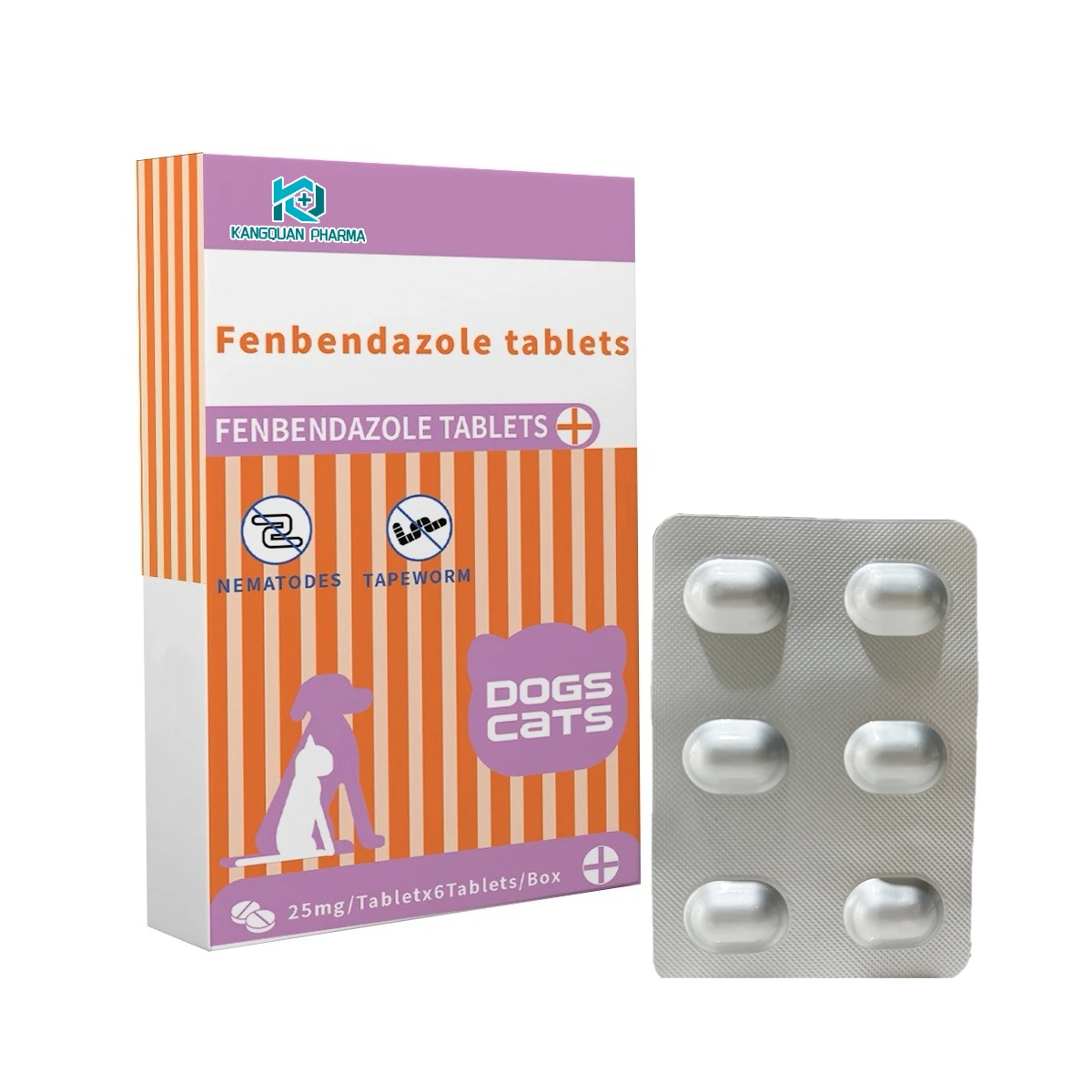
Dog vitamins for seniors represent a critical component of preventative and restorative healthcare for canines experiencing age-related physiological changes. These supplements are not simply ‘treats’ but are formulated to address specific deficiencies and support organ function as dogs transition through their geriatric phase. The market for senior dog vitamins is driven by increasing pet ownership, humanization of pets, and a growing understanding of age-related canine health concerns. Key performance indicators for these products center on bioavailability of nutrients, palatability to encourage compliance, and demonstrable improvements in relevant biomarkers such as cognitive function, joint health, and immune response. Formulations typically include enhanced levels of antioxidants, omega-3 fatty acids, glucosamine/chondroitin, and B-vitamins, tailored to mitigate the effects of oxidative stress, inflammation, and reduced digestive efficiency common in aging dogs. This guide provides a detailed technical overview of the material science, manufacturing processes, performance characteristics, potential failure modes, and industry standards relevant to senior dog vitamins.
Material Science & Manufacturing
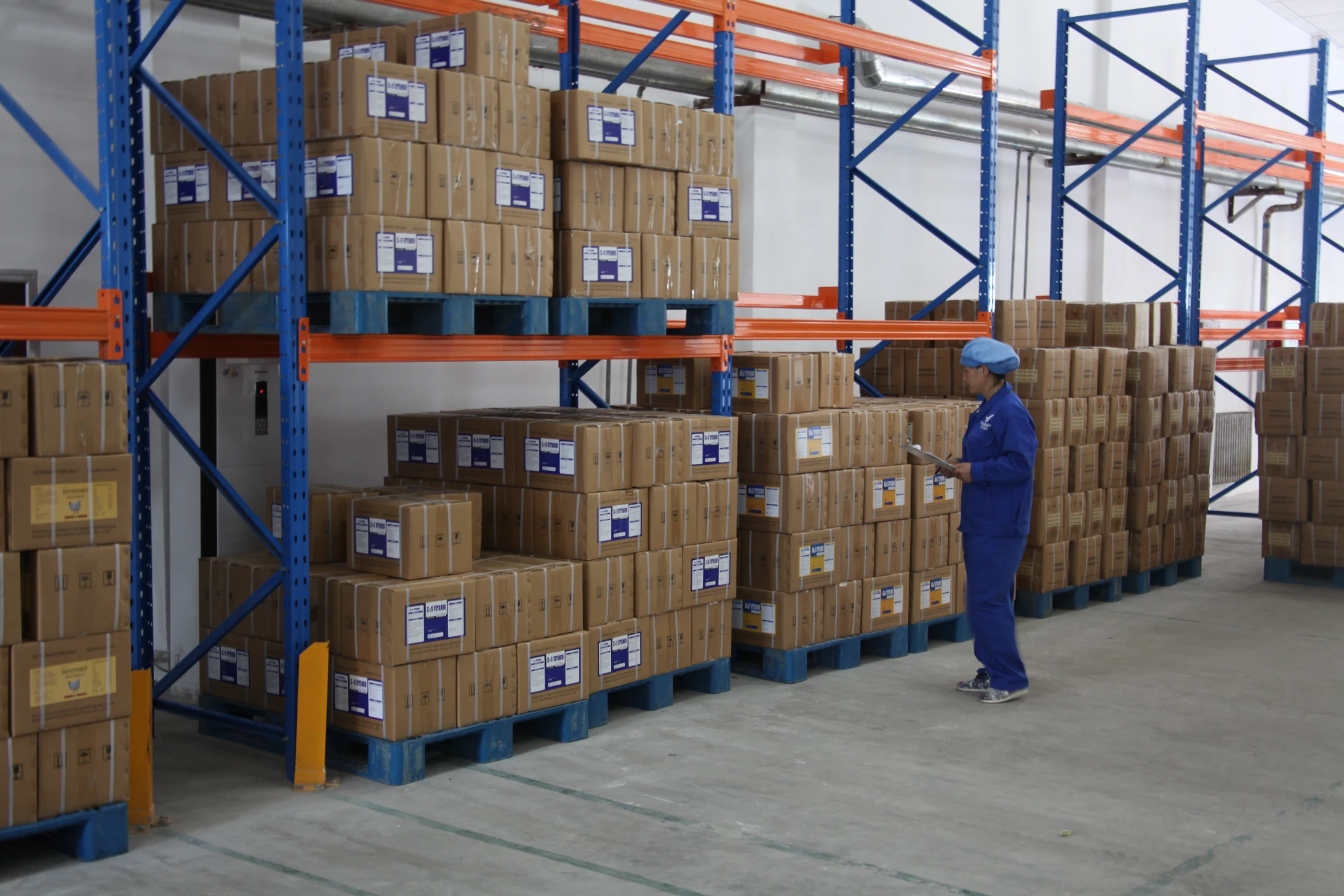
The production of senior dog vitamins involves a complex interplay of material science and manufacturing processes. Raw materials typically consist of vitamins (A, C, D, E, B-complex), minerals (calcium, phosphorus, magnesium, zinc), antioxidants (tocopherols, ascorbic acid, selenium), omega-3 fatty acids (EPA, DHA sourced from fish oil or algal oil), and joint support compounds (glucosamine, chondroitin, MSM). Vitamin stability is paramount; many vitamins are susceptible to degradation through oxidation, light exposure, and heat. Therefore, microencapsulation techniques employing materials like modified starch or vegetable oil are frequently utilized to protect sensitive vitamins during manufacturing and storage. Manufacturing processes generally fall into several categories: dry blending, granulation, tableting, softgel encapsulation, and liquid formulation. Dry blending is common for powdered vitamins, requiring precise mixing to ensure homogenous distribution of ingredients. Granulation improves flowability and compressibility for tableting; wet granulation uses a binding agent (e.g., polyvinylpyrrolidone – PVP) while dry granulation utilizes compression force. Tableting requires careful control of compression force and dwell time to achieve appropriate hardness and disintegration rates. Softgel encapsulation, often used for omega-3s, involves dissolving ingredients in a gelatin or plant-based polymer solution and forming capsules. Liquid formulations require precise pH control and the addition of preservatives to maintain stability. Quality control at each stage is crucial, utilizing techniques like High-Performance Liquid Chromatography (HPLC) to verify vitamin potency and Gas Chromatography-Mass Spectrometry (GC-MS) to assess fatty acid profiles. Raw material sourcing is also critical, with suppliers needing to demonstrate traceability and adherence to Good Manufacturing Practices (GMP).
Performance & Engineering
The performance of senior dog vitamins is fundamentally tied to bioavailability – the proportion of the administered nutrient that reaches systemic circulation. Bioavailability is affected by several factors including the chemical form of the nutrient, the presence of enhancers or inhibitors in the formulation, and the dog’s individual digestive physiology. For example, fat-soluble vitamins (A, D, E, K) require dietary fat for optimal absorption. Omega-3 fatty acids are best absorbed when provided in the triglyceride form. The engineering of the vitamin formulation must consider these factors. Coatings on tablets or microencapsulation of ingredients can modulate release rates and protect nutrients from degradation in the stomach. Palatability is also a key performance metric, as non-compliance due to poor taste can negate the benefits of even the most potent formulation. Taste masking agents and coating with palatable flavorings (e.g., liver, chicken) are often employed. Environmental resistance concerns primarily revolve around packaging integrity to prevent oxidation and moisture ingress, which can degrade vitamins over time. Compliance requirements are stringent, dictated by veterinary regulatory bodies (e.g., FDA-CVM in the US) and necessitate rigorous testing for contaminants, heavy metals, and accurate labeling of ingredient concentrations. Force analysis is relevant in the tableting process, optimizing compression force to balance hardness and disintegration. Furthermore, the impact of the vitamin formulation on gut microbiome health is an emerging area of investigation, as gut health significantly influences nutrient absorption and overall immune function in senior dogs.
Technical Specifications
| Vitamin A (IU/kg) | Vitamin E (IU/kg) | Omega-3 Fatty Acids (EPA+DHA %) | Glucosamine (mg/tablet) |
|---|---|---|---|
| 10,000 | 500 | 3.0 | 200 |
| 15,000 | 750 | 5.0 | 300 |
| 20,000 | 1000 | 7.0 | 400 |
| 8,000 | 400 | 2.5 | 150 |
| 12,000 | 600 | 4.0 | 250 |
| 18,000 | 800 | 6.0 | 350 |
Failure Mode & Maintenance
Failure modes for senior dog vitamins are diverse and can stem from manufacturing defects, storage conditions, or inherent instability of ingredients. Common failures include tablet crumbling (due to insufficient binder or excessive compression), softgel leaking (due to capsule wall damage or incompatible ingredients), oxidation of vitamins (leading to reduced potency), and microbial contamination (resulting from inadequate sanitation or preservative levels). Fatigue cracking can occur in tablets subjected to repeated handling or shipping stress. Delamination of coated tablets can expose the core to moisture and oxygen, accelerating degradation. Oxidation of omega-3 fatty acids results in rancidity, indicated by an unpleasant odor and reduced bioavailability. Maintenance strategies are primarily preventative. Proper packaging (e.g., airtight containers, blister packs) is critical to minimize exposure to oxygen and moisture. Storage at cool temperatures (below 25°C) and away from direct sunlight is essential. Regular quality control testing (HPLC, GC-MS) is necessary to monitor vitamin potency and identify signs of degradation. Implementing a robust First-In, First-Out (FIFO) inventory management system minimizes the risk of exceeding shelf life. Consumer education regarding proper storage and handling is also crucial. For liquid formulations, ensuring the integrity of the seal and monitoring for changes in color or turbidity can indicate spoilage. Reporting adverse events and investigating consumer complaints helps identify potential manufacturing or formulation issues.
Industry FAQ
Q: What is the optimal dosage of Vitamin E for a 15-year-old Beagle exhibiting signs of cognitive dysfunction?
A: The optimal dosage of Vitamin E depends on the severity of cognitive dysfunction and the dog’s overall health. While a general guideline is 400-800 IU per day for larger breeds, a 15-year-old Beagle (approximately 10-15 kg) typically requires 200-400 IU daily. However, it's crucial to consult with a veterinarian to determine the appropriate dosage based on individual needs and to monitor for potential side effects such as gastrointestinal upset.
Q: How does the source of Omega-3 fatty acids (fish oil vs. algal oil) impact the bioavailability and sustainability of the product?
A: Fish oil is a traditional source of EPA and DHA, but sustainability concerns regarding overfishing are prompting increased use of algal oil, which is derived from algae and offers a more sustainable alternative. Bioavailability is generally comparable between the two sources, but algal oil often lacks the characteristic ‘fishy’ odor of fish oil, improving palatability. However, the EPA/DHA concentration can vary between algal oil sources, requiring careful quality control.
Q: What quality control measures are in place to ensure the absence of heavy metal contamination in the fish oil component?
A: Reputable manufacturers utilize rigorous quality control measures, including third-party testing, to ensure the absence of heavy metal contamination (e.g., mercury, lead, arsenic) in fish oil. These tests employ techniques like Inductively Coupled Plasma Mass Spectrometry (ICP-MS) to detect trace levels of heavy metals. Suppliers must provide certificates of analysis (COAs) demonstrating compliance with established limits set by regulatory bodies.
Q: What is the role of microencapsulation in preserving the stability of sensitive vitamins, such as Vitamin C?
A: Microencapsulation involves enclosing sensitive vitamins within a protective coating, typically composed of a polymer or lipid material. This protects the vitamin from degradation caused by oxidation, light exposure, and interactions with other ingredients. Vitamin C is particularly prone to oxidation, and microencapsulation significantly extends its shelf life and bioavailability. The coating material gradually releases the vitamin during digestion.
Q: How is the palatability of the vitamin formulation assessed and improved?
A: Palatability is assessed through taste panel testing with a representative group of dogs. Dogs are presented with the vitamin formulation and a control (e.g., plain biscuit), and their willingness to consume each is recorded. Improvements are achieved through the addition of palatable flavorings (e.g., liver, chicken, cheese), coating tablets with a palatable film, and optimizing the texture and size of the dosage form.
Conclusion
Senior dog vitamins are a complex product category demanding careful consideration of material science, manufacturing precision, and rigorous quality control. The efficacy of these supplements relies not only on the presence of essential nutrients but also on their bioavailability, stability, and palatability. Addressing the unique physiological challenges of aging dogs requires tailored formulations and adherence to stringent industry standards. Future advancements will likely focus on personalized nutrition based on genomic profiling, improved delivery systems to enhance bioavailability, and a deeper understanding of the interplay between gut microbiome health and nutrient absorption.
Continued research into age-related canine health conditions will drive innovation in senior dog vitamin formulations, with an emphasis on preventative care and improving quality of life. Manufacturers must prioritize sustainable sourcing of raw materials, transparent labeling practices, and ongoing monitoring of product performance. Ultimately, the successful development and implementation of senior dog vitamins hinge on a commitment to scientific rigor and a dedication to the well-being of our aging canine companions.
Latest news
Copyright © 2026
Dingzhou Kangquan Pharmaceutical Co., Ltd. All Rights Reserved. Sitemap | Privacy
Policy


