
Apr . 01, 2024 17:55 Back to list
drugs for poultry Performance Analysis
Introduction
Poultry drugs encompass a broad spectrum of pharmaceutical preparations utilized in the prevention, treatment, and control of diseases affecting domestic fowl, including chickens, turkeys, ducks, and geese. Technically positioned within the animal health sector, these drugs bridge veterinary medicine, pharmacology, and agricultural practices. Their efficacy is predicated on precise formulation, administration, and understanding of poultry physiology and pathophysiology. Core performance indicators revolve around bioavailability, therapeutic index, residue levels, and efficacy against specific pathogens. The poultry industry faces critical challenges related to antimicrobial resistance (AMR), regulatory compliance regarding drug residues in meat and eggs, and the economic impact of disease outbreaks. Effective drug management strategies are paramount for maintaining poultry health, ensuring food safety, and optimizing production efficiency. Understanding drug pharmacokinetics, pharmacodynamics, and potential interactions is crucial for veterinary practitioners and poultry producers alike. This guide will detail the material science, manufacturing, performance characteristics, potential failures, and crucial industry FAQs surrounding poultry drugs.
Material Science & Manufacturing
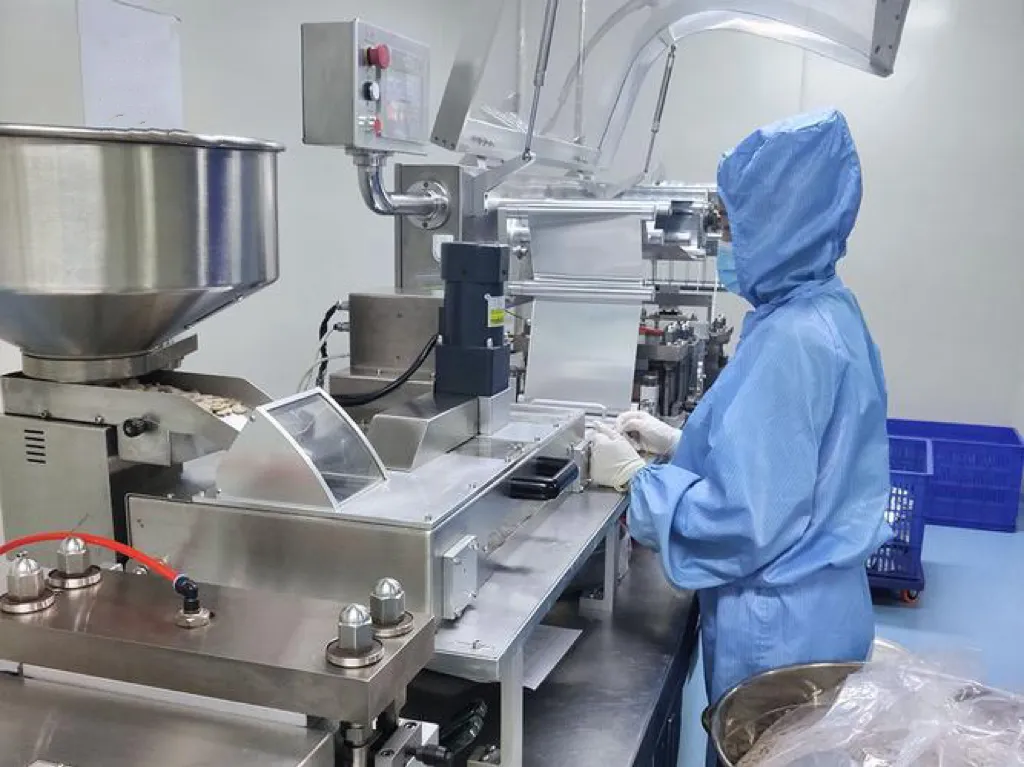
The manufacturing of poultry drugs involves diverse materials and complex processes. Active Pharmaceutical Ingredients (APIs) are often synthesized through organic chemistry, demanding high purity and stringent quality control. Common APIs include antibiotics (tetracyclines, macrolides, fluoroquinolones), coccidiostats (amprolium, monensin), anthelmintics (levamisole, albendazole), and anti-inflammatory drugs (meloxicam). Excipients, such as fillers (lactose, cellulose), binders (polyvinylpyrrolidone), disintegrants (croscarmellose sodium), and lubricants (magnesium stearate) are crucial for formulation and drug delivery. Raw material quality is assessed through spectroscopic techniques (IR, UV-Vis, NMR) and chromatographic methods (HPLC, GC).
Manufacturing processes vary depending on the dosage form. For solid oral dosage forms (tablets, boluses), granulation (wet or dry) is a key step to improve flowability and compressibility. Tablets are then compressed using high-speed rotary tablet presses, with parameters like compression force, tablet weight, and hardness carefully monitored. Liquid formulations (solutions, suspensions, emulsions) require precise mixing and homogenization. Suspensions require controlled particle size distribution to prevent sedimentation. Sterile injectable formulations involve aseptic processing and terminal sterilization techniques, utilizing autoclaves and filtration systems. Premixes, commonly used in feed, require homogenous blending of APIs with carrier materials (corn, soybean meal). Quality control throughout the manufacturing process includes in-process testing (API content, particle size, viscosity) and final product testing (potency, purity, dissolution, sterility). Good Manufacturing Practices (GMP) are legally required to ensure product safety and efficacy.
Performance & Engineering
The performance of poultry drugs is heavily reliant on pharmacokinetic and pharmacodynamic principles. Pharmacokinetics dictates the absorption, distribution, metabolism, and excretion (ADME) of the drug within the bird's system. Bioavailability, the fraction of the administered dose reaching systemic circulation, is influenced by factors like route of administration (oral, intramuscular, subcutaneous), formulation, and gut physiology. Drug distribution is affected by protein binding, tissue affinity, and blood flow. Metabolism, primarily occurring in the liver, can activate or deactivate the drug. Excretion occurs via feces, urine, and eggs. Pharmacodynamics describes the drug's effect on the target organism or tissue. This includes factors such as receptor binding affinity, enzyme inhibition, and mechanism of action.
Engineering considerations extend to drug delivery systems. Controlled-release formulations, utilizing microencapsulation or matrix tablets, aim to provide sustained drug levels, reducing dosing frequency and improving compliance. Targeted drug delivery systems, utilizing nanoparticles or liposomes, can enhance drug accumulation at the site of infection. Environmental resistance is a crucial factor, particularly regarding drug stability under varying temperatures and humidity conditions. Compliance requirements, dictated by regulatory agencies like the FDA (USA) and EMA (Europe), necessitate rigorous testing for drug residues in poultry products. Withdrawal periods, the time required for drug levels to fall below acceptable limits, are meticulously defined for each drug and species. Force analysis is important in tablet compression to ensure appropriate hardness and friability. Environmental factors, like feed and water quality, can impact drug efficacy and require careful monitoring.
Technical Specifications
| API Name | Dosage Form | Potency (mg/kg) | Withdrawal Period (Days) |
|---|---|---|---|
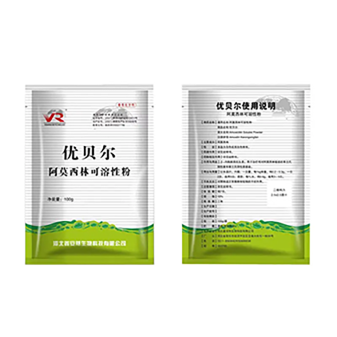
| Amoxicillin | Soluble Powder | 20-40 | 7 |
| Enrofloxacin | Oral Solution | 5-10 | 8 |
| Sulfamethoxazole/Trimethoprim | Premix | 0.5-1.0 g/kg feed | 5 |
| Diclazuril | Oral Solution | 10-20 | 5 |
| Albendazole | Bolus | 7.5-15 | 7 |
| Meloxicam | Oral Suspension | 1-2 | 3 |
Failure Mode & Maintenance
Failure modes in poultry drugs can be categorized as efficacy failures, safety failures, and formulation failures. Efficacy failures arise from antimicrobial resistance, incorrect diagnosis, underdosing, or poor drug absorption. The development of AMR is a significant concern, driven by overuse and misuse of antibiotics. Safety failures include adverse drug reactions, drug residues in poultry products exceeding regulatory limits, and allergic reactions. Formulation failures encompass issues like poor solubility, instability, inconsistent drug release, and degradation during storage.
Fatigue cracking in tablet formulations can occur due to repeated compression and handling. Delamination, the separation of tablet layers, is often caused by insufficient binder content or improper granulation. Degradation of APIs can occur due to exposure to light, heat, or moisture. Oxidation can also degrade certain APIs. Preventative maintenance involves strict adherence to GMP guidelines, regular equipment calibration, and rigorous quality control testing. Proper storage conditions (temperature, humidity, light protection) are essential for maintaining drug stability. Routine monitoring for AMR is crucial, along with implementing responsible antibiotic stewardship programs. Correct dosage calculations and administration techniques are vital for ensuring efficacy and minimizing the risk of residues. Periodic stability studies should be conducted to assess drug shelf life and identify potential degradation products.
Industry FAQ
Q: What is the primary concern regarding the increasing prevalence of antimicrobial resistance in poultry farming?
A: The primary concern is the selection and proliferation of resistant bacteria, rendering commonly used antibiotics ineffective in treating poultry diseases. This poses a threat to both animal health and public health, potentially leading to the spread of resistant pathogens to humans through the food chain and environmental contamination.
Q: How are withdrawal periods determined and what are the consequences of failing to adhere to them?
A: Withdrawal periods are scientifically determined based on pharmacokinetic studies that assess the time required for drug residues to decline below acceptable levels in tissues (muscle, liver, eggs). Failing to adhere to withdrawal periods can result in the presence of illegal drug residues in poultry products, leading to consumer health risks, trade restrictions, and legal penalties.
Q: What role does formulation play in the bioavailability of a poultry drug?
A: Formulation significantly impacts bioavailability. Factors like particle size, solubility, disintegration rate, and the presence of excipients can influence how effectively the drug is absorbed from the gastrointestinal tract. Poorly formulated drugs may exhibit low bioavailability, reducing their therapeutic efficacy.
Q: Can you explain the importance of GMP in the manufacturing of poultry drugs?
A: Good Manufacturing Practices (GMP) are a set of regulations that ensure the quality, safety, and efficacy of pharmaceutical products. Adherence to GMP standards minimizes the risk of contamination, errors, and inconsistencies during the manufacturing process, ensuring that poultry drugs meet stringent quality requirements.
Q: What are the key challenges in developing effective coccidiostat formulations?
A: Developing effective coccidiostat formulations is challenging due to the complex life cycle of coccidia parasites and the potential for resistance development. Formulations must deliver the drug effectively to the site of infection in the gut, prevent parasite multiplication, and minimize the risk of resistance emergence. Novel delivery systems and combination therapies are being explored to address these challenges.
Conclusion
Poultry drugs represent a critical component of modern poultry production, vital for maintaining flock health and ensuring food security. The effective development, manufacturing, and application of these drugs demand a comprehensive understanding of material science, pharmaceutical engineering, pharmacokinetics, and regulatory requirements. Addressing challenges such as antimicrobial resistance and ensuring product safety through strict adherence to GMP and responsible drug usage are paramount.
Future advancements in poultry drug development will likely focus on novel drug delivery systems, targeted therapies, and preventative strategies such as vaccines and immunostimulants. Continued research into the mechanisms of drug resistance and the development of alternative therapies will be crucial for safeguarding the long-term sustainability of poultry production. Moreover, a collaborative approach involving veterinary practitioners, poultry producers, and regulatory agencies is essential for optimizing drug usage and minimizing the risks associated with antimicrobial resistance.
Latest news
Copyright © 2026
Dingzhou Kangquan Pharmaceutical Co., Ltd. All Rights Reserved. Sitemap | Privacy
Policy


