
2695018275@qq.com
+86
13780513619
- Afrikaans
- Albanian
- Amharic
- Arabic
- Armenian
- Azerbaijani
- Basque
- Belarusian
- Bengali
- Bosnian
- Bulgarian
- Catalan
- Cebuano
- Corsican
- Croatian
- Czech
- Danish
- Dutch
- English
- Esperanto
- Estonian
- Finnish
- French
- Frisian
- Galician
- Georgian
- German
- Greek
- Gujarati
- Haitian Creole
- hausa
- hawaiian
- Hebrew
- Hindi
- Miao
- Hungarian
- Icelandic
- igbo
- Indonesian
- irish
- Italian
- Japanese
- Javanese
- Kannada
- kazakh
- Khmer
- Rwandese
- Korean
- Kurdish
- Kyrgyz
- Lao
- Latin
- Latvian
- Lithuanian
- Luxembourgish
- Macedonian
- Malgashi
- Malay
- Malayalam
- Maltese
- Maori
- Marathi
- Mongolian
- Myanmar
- Nepali
- Norwegian
- Norwegian
- Occitan
- Pashto
- Persian
- Polish
- Portuguese
- Punjabi
- Romanian
- Russian
- Samoan
- Scottish Gaelic
- Serbian
- Sesotho
- Shona
- Sindhi
- Sinhala
- Slovak
- Slovenian
- Somali
- Spanish
- Sundanese
- Swahili
- Swedish
- Tagalog
- Tajik
- Tamil
- Tatar
- Telugu
- Thai
- Turkish
- Turkmen
- Ukrainian
- Urdu
- Uighur
- Uzbek
- Vietnamese
- Welsh
- Bantu
- Yiddish
- Yoruba
- Zulu
Apr . 01, 2024 17:55 Back to list
dynamite vitamins for dogs Formulation and Manufacturing
Introduction
Dynamite Vitamins for Dogs represent a concentrated nutritional supplement intended to address canine dietary deficiencies and support overall health. Positioned within the broader pet supplement industry, these vitamins function as a preventative and therapeutic aid, complementing a standard canine diet. Their core performance lies in delivering bioavailable vitamins, minerals, and often, specialized compounds like enzymes and probiotics. The market is increasingly driven by pet owners seeking proactive healthcare solutions for their animals, with a focus on preventative care and managing age-related conditions. This has led to a demand for precisely formulated supplements addressing specific needs, moving beyond broad-spectrum multivitamins. A key pain point for veterinary practitioners and pet owners alike is ensuring product efficacy, bioavailability, and the absence of harmful contaminants. Furthermore, the varying physiological needs of dogs based on breed, age, activity level, and existing health conditions create a complex landscape requiring targeted supplementation strategies.
Material Science & Manufacturing
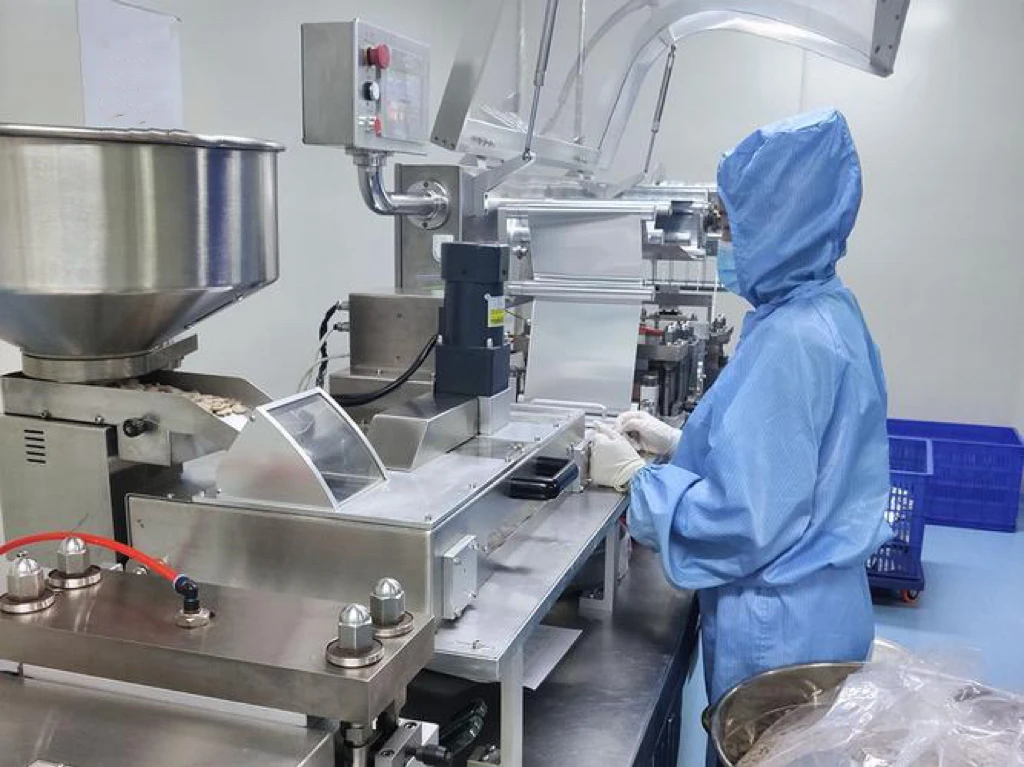
The formulation of Dynamite Vitamins for Dogs typically involves a combination of organic and inorganic compounds. Vitamin precursors (e.g., beta-carotene converted to Vitamin A) and chemically synthesized vitamins are common. Raw materials originate from diverse sources, including fermentation processes (B vitamins), plant extraction (Vitamin E), and mineral mining (calcium, zinc). Manufacturing processes often begin with the sourcing and rigorous quality control of these raw materials, verifying purity and potency via methods like High-Performance Liquid Chromatography (HPLC) and Inductively Coupled Plasma Mass Spectrometry (ICP-MS). The active ingredients are then blended with excipients – inactive substances that aid in tablet/capsule formation, enhance stability, and improve palatability. Common excipients include microcrystalline cellulose, dicalcium phosphate, magnesium stearate, and flavorings. Encapsulation or tableting is a critical step. Tablet compression requires precise control of pressure, dwell time, and tooling to ensure adequate hardness and disintegration. Capsule filling utilizes automated equipment to ensure consistent dosing. Key parameters monitored during manufacturing include particle size distribution of powders, blending homogeneity, moisture content, and tablet/capsule weight variation. Bioavailability is significantly influenced by particle size; smaller particles generally exhibit faster dissolution rates and improved absorption. Storage conditions (temperature, humidity, light exposure) are also critical, as many vitamins are sensitive to degradation.

Performance & Engineering
The performance of Dynamite Vitamins for Dogs is evaluated based on several key engineering principles. Nutrient absorption efficiency is a primary concern, governed by factors like gastrointestinal pH, the presence of binding agents (e.g., phytates), and the dog’s overall digestive health. The formulation often incorporates chelating agents to enhance mineral absorption. Environmental resistance concerns primarily center on degradation due to oxidation, humidity, and light. Packaging materials play a crucial role in protecting the product’s integrity. Blister packs or airtight containers with desiccant packets are commonly employed. Compliance with regulatory standards (detailed in the footer) is paramount. This includes demonstrating the absence of heavy metals, pesticides, and microbial contamination. Force analysis, while not directly applicable to the vitamin itself, is relevant to the tableting/encapsulation process, ensuring tablets can withstand handling and shipping without crumbling. Palatability engineering is also important – ensuring the vitamins are readily accepted by dogs. Flavor masking agents and coatings are used to overcome bitter tastes. The efficacy of the vitamin complex is directly related to the pharmacokinetic properties of its constituent compounds – absorption, distribution, metabolism, and excretion. Understanding these processes is essential for optimizing dosage and frequency.
Technical Specifications
| Vitamin | Typical Potency (per dose) | Bioavailability (%) | Stability (shelf life @ 25°C) |
|---|---|---|---|
| Vitamin A (Retinol) | 1000 IU | 70-85% | 18 months |
| Vitamin D3 (Cholecalciferol) | 200 IU | 80-95% | 24 months |
| Vitamin E (Alpha-Tocopherol) | 50 IU | 60-75% | 12 months |
| Vitamin C (Ascorbic Acid) | 100 mg | 40-60% | 6 months |
| B Vitamins (Complex) | Varies - see formulation | 50-80% | 18 months |
| Zinc (Chelated) | 5 mg | 65-80% | 24 months |
Failure Mode & Maintenance
Failure modes in Dynamite Vitamins for Dogs can manifest in several ways. Degradation of active ingredients due to exposure to oxygen, moisture, or light is a primary concern, leading to reduced potency. Tablet/capsule crumbling or sticking during manufacturing or storage can result in dosing inaccuracies. Contamination with microorganisms or heavy metals can render the product unsafe. Poor bioavailability, often stemming from inappropriate formulation or interaction with other dietary components, can limit efficacy. Oxidation of unsaturated fatty acids (if present) can lead to rancidity and the formation of harmful byproducts. Maintenance strategies involve proper storage – cool, dry, and dark conditions – to minimize degradation. Maintaining strict quality control throughout the manufacturing process, including raw material testing and finished product analysis, is crucial. Packaging with moisture barriers and oxygen scavengers extends shelf life. Regular stability testing is essential to monitor potency over time. For pet owners, following the recommended dosage and administration instructions, and storing the product as directed, are vital for maintaining its effectiveness. Discontinue use if any signs of contamination (e.g., discoloration, unusual odor) are observed.
Industry FAQ
Q: What differentiates Dynamite Vitamins from other multi-vitamin supplements for dogs?
A: Dynamite Vitamins often employ chelated minerals for increased bioavailability, utilize specific vitamin precursors for optimized absorption, and include unique ingredients like enzymes or probiotics targeted towards digestive health. They also frequently undergo more rigorous third-party testing for purity and potency than many generic brands.
Q: How does moisture content affect the shelf life of these vitamins?
A: Elevated moisture content accelerates the degradation of many vitamins, particularly Vitamin C and certain B vitamins. It can also promote microbial growth and cause tablets to become sticky or crumble. Maintaining a low moisture content through proper packaging and storage is critical.
Q: Are there any known interactions between Dynamite Vitamins and common canine medications?
A: Certain vitamins, such as Vitamin K, can interfere with anticoagulant medications. High doses of Vitamin E may potentiate the effects of antiplatelet drugs. It’s crucial to consult with a veterinarian before administering any supplements alongside prescribed medications.
Q: What analytical methods are used to verify the potency of the vitamin complex?
A: High-Performance Liquid Chromatography (HPLC) is the primary method for quantifying vitamin concentrations. Inductively Coupled Plasma Mass Spectrometry (ICP-MS) is used for determining mineral content. Microbiological testing is conducted to ensure the absence of harmful contaminants.
Q: How do I determine the appropriate dosage for my dog, considering their breed and age?
A: Dosage recommendations vary based on the dog’s weight, age, activity level, and specific health needs. Consult with a veterinarian to determine the optimal dosage for your individual dog. Following the manufacturer’s guidelines is a starting point, but professional guidance is highly recommended.
Conclusion
Dynamite Vitamins for Dogs represent a sophisticated approach to canine nutritional supplementation. Their efficacy hinges upon a complex interplay of material science, precise manufacturing control, and a deep understanding of canine physiology. Achieving optimal performance requires not only high-quality raw materials but also careful consideration of bioavailability, stability, and potential interactions. The industry trend towards targeted supplementation necessitates continued innovation in formulation and delivery methods.
Moving forward, advancements in encapsulation technologies, personalized nutrition based on genetic predispositions, and improved analytical techniques for verifying potency will further enhance the value proposition of these products. Adherence to stringent quality control standards and regulatory compliance remains paramount to ensuring consumer safety and building trust within the marketplace. Furthermore, educating pet owners on the importance of proper storage and administration will be critical for maximizing the benefits of Dynamite Vitamins for Dogs.
Latest news
Copyright © 2026
Dingzhou Kangquan Pharmaceutical Co., Ltd. All Rights Reserved. Sitemap | Privacy
Policy


