
2695018275@qq.com
+86
13780513619
- Afrikaans
- Albanian
- Amharic
- Arabic
- Armenian
- Azerbaijani
- Basque
- Belarusian
- Bengali
- Bosnian
- Bulgarian
- Catalan
- Cebuano
- Corsican
- Croatian
- Czech
- Danish
- Dutch
- English
- Esperanto
- Estonian
- Finnish
- French
- Frisian
- Galician
- Georgian
- German
- Greek
- Gujarati
- Haitian Creole
- hausa
- hawaiian
- Hebrew
- Hindi
- Miao
- Hungarian
- Icelandic
- igbo
- Indonesian
- irish
- Italian
- Japanese
- Javanese
- Kannada
- kazakh
- Khmer
- Rwandese
- Korean
- Kurdish
- Kyrgyz
- Lao
- Latin
- Latvian
- Lithuanian
- Luxembourgish
- Macedonian
- Malgashi
- Malay
- Malayalam
- Maltese
- Maori
- Marathi
- Mongolian
- Myanmar
- Nepali
- Norwegian
- Norwegian
- Occitan
- Pashto
- Persian
- Polish
- Portuguese
- Punjabi
- Romanian
- Russian
- Samoan
- Scottish Gaelic
- Serbian
- Sesotho
- Shona
- Sindhi
- Sinhala
- Slovak
- Slovenian
- Somali
- Spanish
- Sundanese
- Swahili
- Swedish
- Tagalog
- Tajik
- Tamil
- Tatar
- Telugu
- Thai
- Turkish
- Turkmen
- Ukrainian
- Urdu
- Uighur
- Uzbek
- Vietnamese
- Welsh
- Bantu
- Yiddish
- Yoruba
- Zulu
Apr . 01, 2024 17:55 Back to list
excel puppy multivitamin Performance Analysis
Introduction
Excel Puppy Multivitamin is a supplemental nutritional formulation designed to address the specific growth and developmental needs of puppies. Positioned within the broader pet health and nutrition industry, specifically the vitamin and mineral supplement sub-sector, this product aims to provide essential micronutrients often lacking or insufficient in commercially available puppy food formulations. Its core performance characteristics revolve around supporting skeletal development, immune function, cognitive development, and maintaining a healthy coat and skin. Addressing the industry pain point of potential nutritional deficiencies in rapidly growing puppies, Excel Puppy Multivitamin serves as a preventative measure against associated health issues and promotes optimal wellness. The formulation leverages bioavailable forms of key vitamins and minerals, targeting absorption efficiency and minimizing waste. This guide provides a detailed technical overview of its composition, manufacturing, performance, potential failure modes, and relevant industry standards.
Material Science & Manufacturing
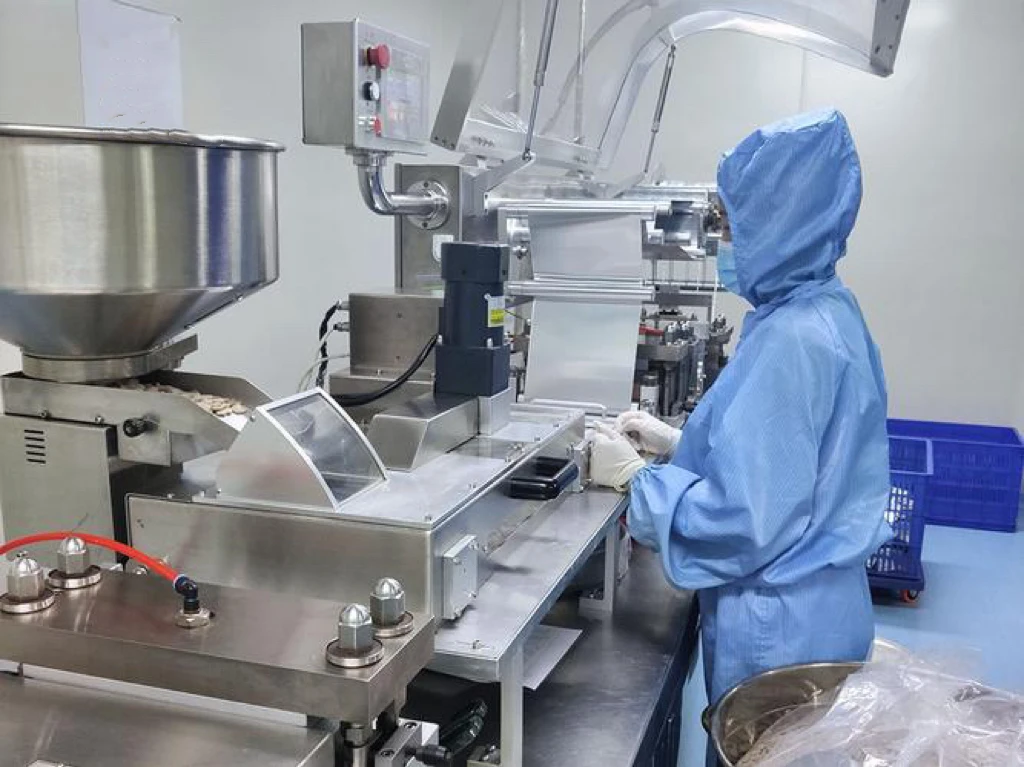
The manufacturing of Excel Puppy Multivitamin relies heavily on precision blending and encapsulation technologies. Raw materials include Vitamin A (typically as retinyl palmitate), Vitamin D3 (cholecalciferol), Vitamin E (alpha-tocopherol), B-complex vitamins (thiamine, riboflavin, niacin, pantothenic acid, pyridoxine, biotin, folic acid, cobalamin), Vitamin C (ascorbic acid), essential minerals like calcium, phosphorus, magnesium, zinc, iron, copper, and manganese, and potentially omega-3 and omega-6 fatty acids. Material properties are critical: vitamin potency is assessed via High-Performance Liquid Chromatography (HPLC) and spectrophotometry, ensuring compliance with label claims. Mineral forms (e.g., chelated minerals for enhanced bioavailability) dictate absorption rates. The manufacturing process begins with raw material sourcing and quality control, followed by micronization to enhance dispersibility. Blending is performed under controlled temperature and humidity to prevent degradation. Encapsulation, often utilizing a softgel matrix composed of gelatin, glycerin, and water, protects the active ingredients from oxidation and environmental degradation. Critical parameters include encapsulation temperature, fill weight accuracy, and capsule seal integrity. Quality control post-encapsulation includes dissolution testing to verify release profiles and stability studies to determine shelf life. The gelatin itself undergoes rigorous testing for bloom strength, viscosity, and clarity to ensure optimal capsule formation and preservation.
Performance & Engineering
The efficacy of Excel Puppy Multivitamin is directly linked to its bioavailability and the physiological demands of growing puppies. Performance is evaluated through nutritional studies focusing on bone mineral density (measured via dual-energy X-ray absorptiometry – DEXA), immune cell function (analyzed via flow cytometry), and cognitive development (assessed through behavioral tests). Engineering considerations include optimizing the softgel encapsulation process to maximize vitamin release in the intestinal tract. The rate of dissolution is influenced by capsule wall permeability and the presence of excipients that enhance dispersion. Environmental resistance is crucial; packaging must provide a barrier against moisture, oxygen, and UV light to prevent oxidation and degradation of sensitive vitamins like A, C, and E. Compliance requirements stem from regulations set forth by the Association of American Feed Control Officials (AAFCO) and potentially regional veterinary medicine authorities. Bioavailability is enhanced by using chelated minerals, which demonstrate improved absorption compared to inorganic forms. Force analysis relevant to capsule integrity includes tensile strength testing of the softgel material and compression resistance testing during packaging. Long-term stability testing is conducted under accelerated conditions (elevated temperature and humidity) to predict shelf life and ensure continued potency.
Technical Specifications
| Vitamin A (IU/softgel) | Vitamin D3 (IU/softgel) | Vitamin E (IU/softgel) | Vitamin C (mg/softgel) |
|---|---|---|---|
| 800 IU | 200 IU | 50 IU | 30 mg |
| Calcium (mg/softgel) | Phosphorus (mg/softgel) | Zinc (mg/softgel) | Iron (mg/softgel) |
| 50 mg | 30 mg | 2 mg | 1 mg |
| Omega-3 Fatty Acids (mg/softgel) | Omega-6 Fatty Acids (mg/softgel) | Softgel Capsule Composition | Encapsulation Material Bloom Strength (g) |
| 10 mg | 15 mg | Gelatin, Glycerin, Water | 150-180 |
| Dissolution Rate (at 30 minutes, % released) | Shelf Life (under recommended storage) | Moisture Content (softgel) | Oxidation Potential (TBARS value, mg MDA/kg) |
| >90% | 18 months | <10% | <2.0 |
Failure Mode & Maintenance
Potential failure modes for Excel Puppy Multivitamin primarily relate to degradation of active ingredients, capsule integrity issues, and bioavailability concerns. Oxidation of vitamins A, C, and E is a common failure mechanism, accelerated by exposure to oxygen, light, and heat. This manifests as reduced potency and efficacy. Capsule cracking or leaking compromises product integrity and can lead to loss of active ingredients and contamination. Hydrolysis of the gelatin capsule material due to excessive moisture can also cause structural failure. Delamination of the softgel matrix can occur during manufacturing or storage, resulting in uneven distribution of active ingredients. Maintenance includes proper storage conditions: cool, dry, and dark environments are essential to minimize oxidation and hydrolysis. Packaging materials with high barrier properties (e.g., aluminum foil pouches) provide optimal protection. Regular quality control testing, including potency assays and dissolution testing, is crucial to detect degradation and ensure product efficacy. Customers should be advised to store the product according to label instructions and to discard any capsules that exhibit signs of damage or degradation (e.g., discoloration, cracking, leakage). Implementing a First-Expired-First-Out (FEFO) inventory management system can also mitigate the risk of using expired product.
Industry FAQ
Q: What differentiates your multivitamin from competitors in terms of bioavailability?
A: Our formulation utilizes chelated minerals, which are bound to amino acids, facilitating enhanced absorption in the intestinal tract compared to inorganic mineral salts commonly found in competitor products. We also incorporate lipid-soluble vitamins (A, D, E, K) within a lipid matrix to improve their dispersibility and absorption, maximizing their biological activity.
Q: How do you ensure consistent potency throughout the product's shelf life?
A: We employ a rigorous stability testing protocol adhering to ICH guidelines, exposing batches to accelerated aging conditions (elevated temperature and humidity). We perform regular potency assays using HPLC and spectrophotometry to monitor vitamin and mineral levels over time. Our packaging incorporates moisture and oxygen barriers to minimize degradation.
Q: What quality control measures are in place to prevent contamination during manufacturing?
A: Our manufacturing facility operates under strict Good Manufacturing Practices (GMP) guidelines. We utilize dedicated production lines for different formulations to prevent cross-contamination. Raw materials undergo thorough testing for heavy metals, pesticides, and microbial contaminants. Regular sanitation and hygiene protocols are implemented throughout the manufacturing process.
Q: Can this multivitamin be used in conjunction with a prescription diet?
A: It’s always recommended to consult with a veterinarian before supplementing a puppy's diet, especially if they are already on a prescription diet. While Excel Puppy Multivitamin provides essential micronutrients, potential interactions with specific ingredients in prescription diets should be evaluated by a qualified veterinary professional.
Q: What is the rationale behind the specific dosage recommendations for different puppy weight ranges?
A: Dosage recommendations are based on the metabolic needs of puppies at different growth stages and body weights. We’ve consulted with veterinary nutritionists to establish dosage levels that provide optimal micronutrient support without exceeding tolerable upper intake levels, ensuring safety and efficacy.
Conclusion
Excel Puppy Multivitamin represents a targeted nutritional supplement formulated to address the specific needs of growing puppies. Its success relies on the careful selection of high-quality raw materials, a meticulously controlled manufacturing process emphasizing encapsulation technology, and a robust quality control system designed to ensure potency and stability. The formulation’s emphasis on bioavailability, through the use of chelated minerals and lipid-soluble vitamin matrices, distinguishes it from many competitors.
Continued research and development focused on optimizing encapsulation techniques and exploring novel delivery systems will further enhance product performance. Adherence to stringent regulatory guidelines (AAFCO, GMP) and proactive monitoring of industry trends are crucial for maintaining product quality and market relevance. Effective communication with veterinarians and pet owners regarding proper storage and usage will also contribute to maximizing the benefits of Excel Puppy Multivitamin.
Latest news
Copyright © 2026
Dingzhou Kangquan Pharmaceutical Co., Ltd. All Rights Reserved. Sitemap | Privacy
Policy


